Morocco Gen Z protests kill 3: What's 'Gen Z 212' and the 'hospitals, not stadiums' football link to yet another youth-led movement?

&imwidth=600&imheight=450&format=webp&quality=medium "Morocco Gen Z protests kill 3: What's 'Gen Z 212' and the 'hospitals, not stadiums' football link to yet another youth-led movement?")
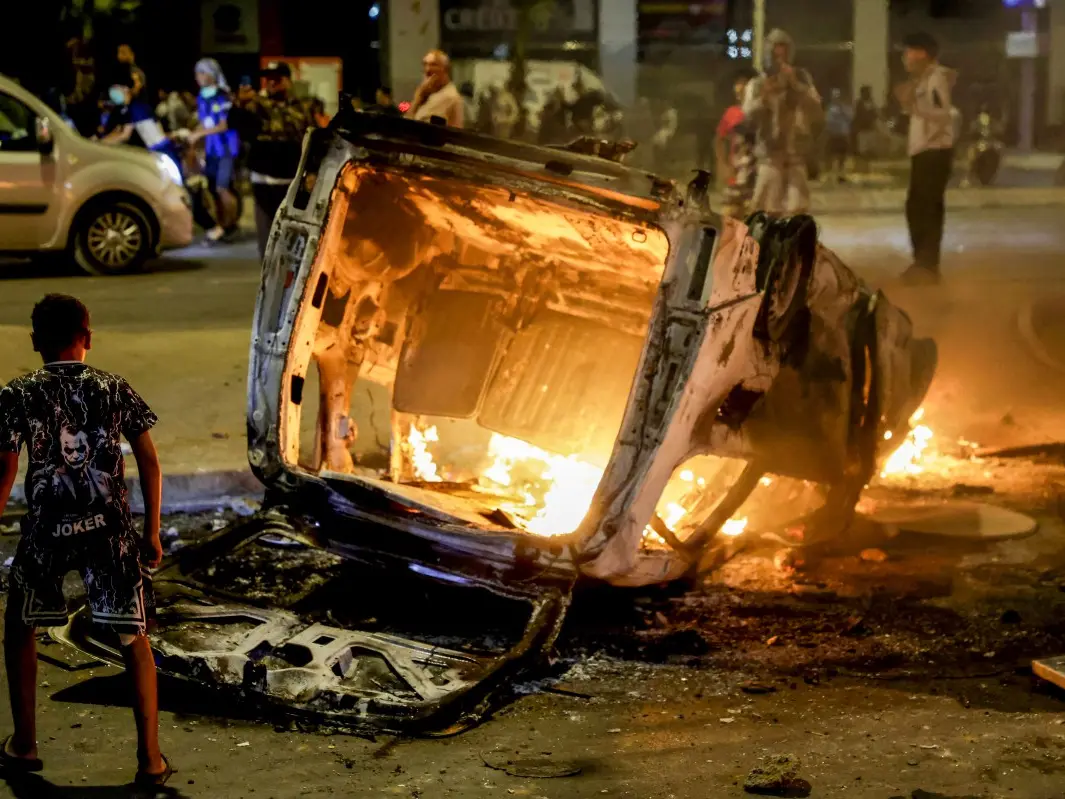
A scene from the Morocco Gen Z protest Photograph: (AFP)
The 2025 Moroccan Gen Z protests, often referred to as the "GenZ212" or the "Gen Z Uprising," represent a significant wave of youth-led demonstrations that erupted across Morocco in recent months. Here is how it's different, and why it matters
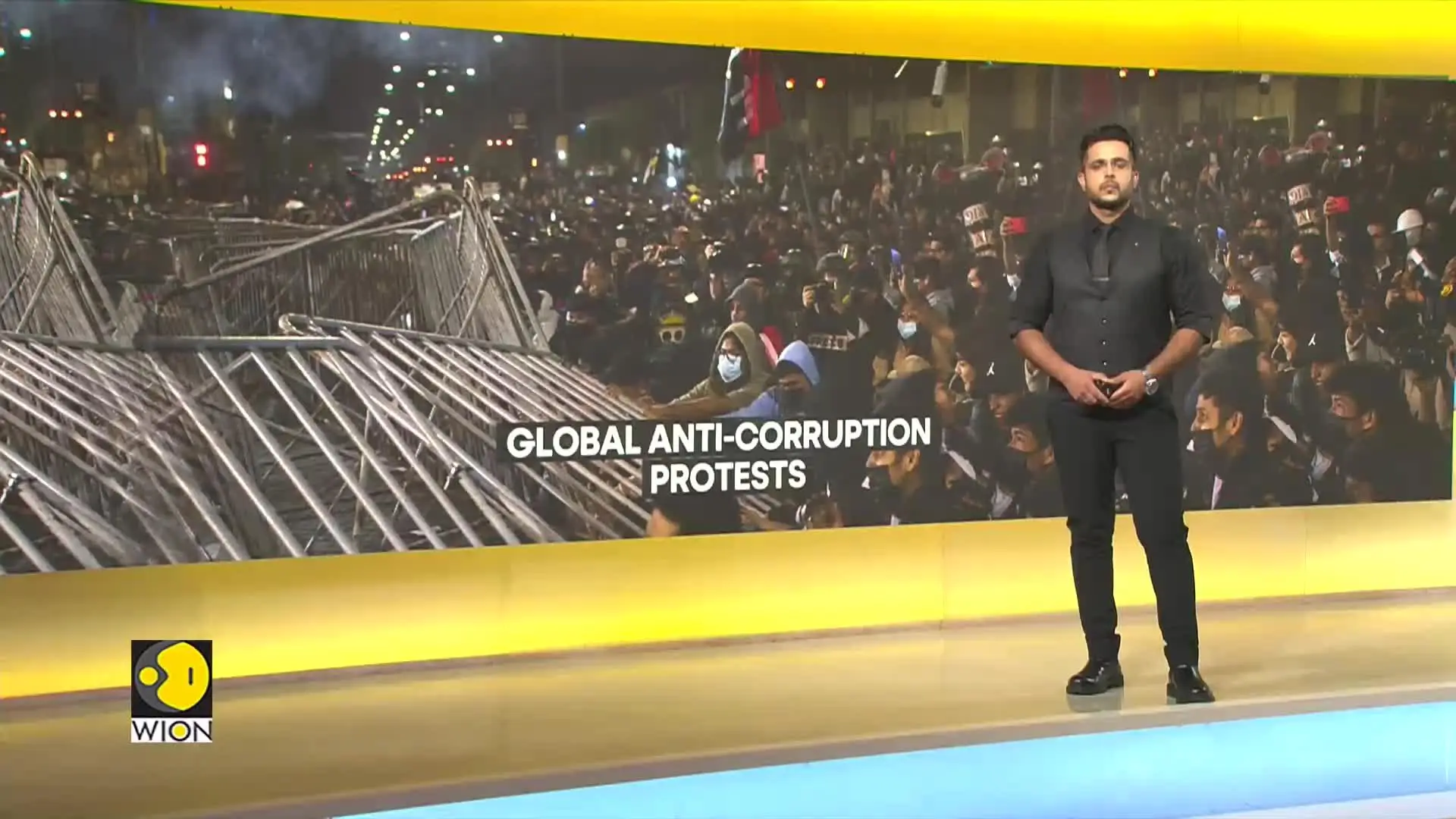
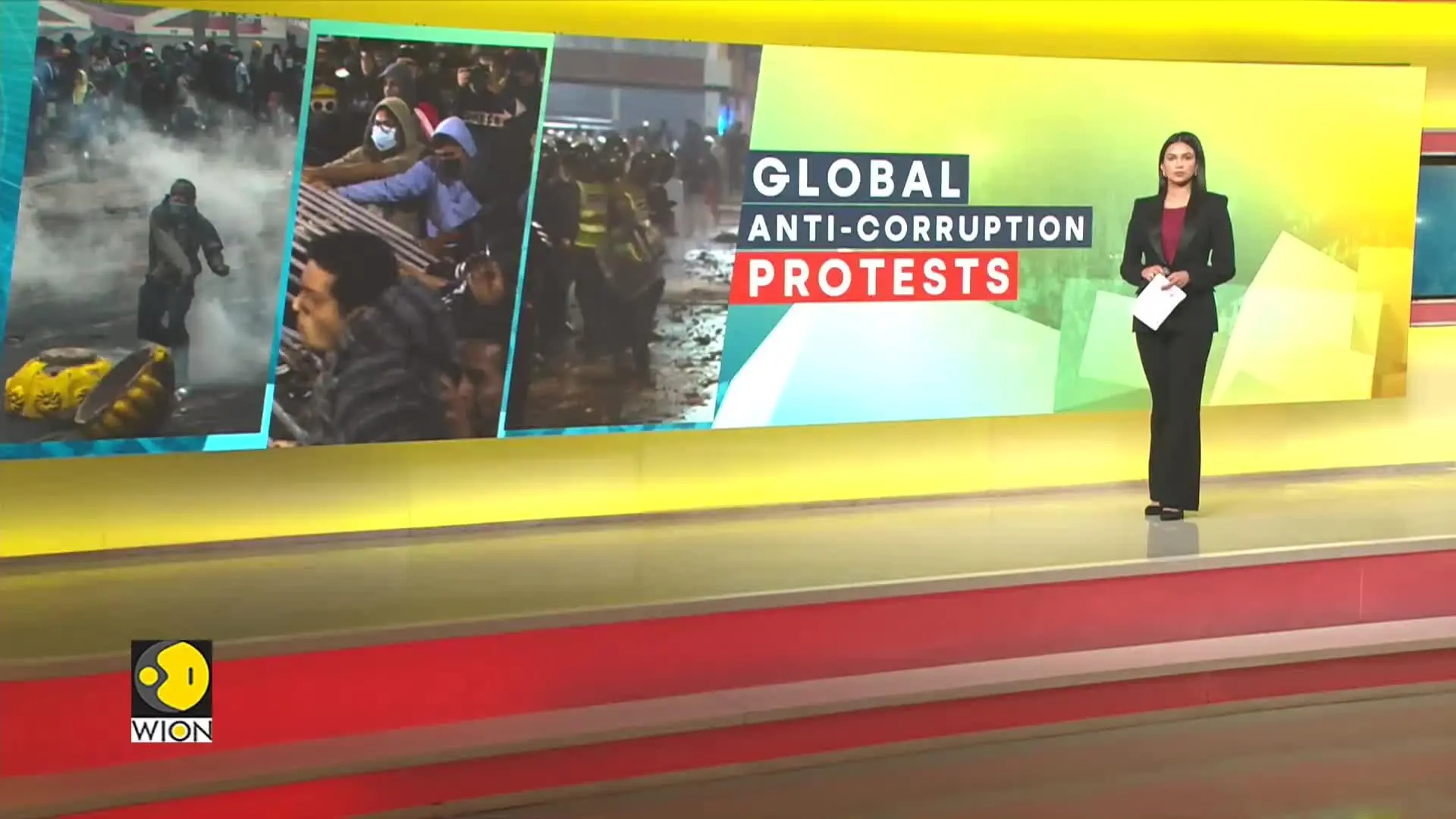
At least two people have died in Moroccan Gen Z protests, also dubbed "GenZ212" or the "Gen Z Uprising", in yet another flare-up of youth-led anger similar to movements in Nepal and Bangladesh. This is the most significant protest movement in Morocco since the 2011 February 20 movement linked to the Arab Spring, and the 2016–2017 Hirak Rif uprising. Who are the organisers of this protest? And what is the football link to this protest? Here is what you should know.
Morocco Gen Z protest, launched by tech-savvy youth
From September 27, protests erupted across at least 15 cities, including Rabat, Casablanca, Marrakesh, Agadir, and Tangier, mainly led by Moroccan youth born in the mid-1990s to early 2010s.
These young people are frustrated over economic hardship, regional inequalities, crumbling public services, and youth unemployment that has hit 35.8 percent.
They are also protesting alleged corruption under Prime Minister Aziz Akhannouch’s government.
The death of pregnant women in a Morocco hospital that triggered protests
Trending Stories
)
)
)
)
)
)
)
)
)
)
)
)
)
)
)
)
)
)
&im=FitAndFill=(700,400))
)
)
)
&im=FitAndFill=(700,400))
)
&im=FitAndFill=(700,400))
&im=FitAndFill=(700,400))
)
Morocco is no stranger to protest movements. The immediate spark for the latest uprising came in mid-September, after eight pregnant women died in a public hospital in Agadir due to overcrowding, understaffing, and shortage of medical equipment. This tragedy exposed systemic failures in healthcare and highlighted the neglect of rural populations, particularly in the Agadir region. Morocco has only 7.7 doctors per 10,000 people, far below the World Health Organization's recommendation of 25. The ratio is even lower in Agadir, at 4.4. The women’s deaths have become a symbol of broader inequality.
The football link: Anger over World Cup spending
The Moroccan government’s multibillion-dollar investments in football infrastructure for the 2025 Africa Cup of Nations and 2030 FIFA World Cup drew sharp criticism from the youth. Protest slogans included "We want hospitals, not stadiums".
The massive spending on stadiums—over $5 billion by some estimates—is seen by many as a symbol of elite interests overtaking public needs.
Rural youth, in particular, feel excluded from national progress. This anger at the government’s priorities spilled into the streets, especially in regions still recovering from the 2023 Al Haouz earthquake, which reportedly killed thousands and destroyed entire villages.
GenZ 212 and Morocco Youth Voice: Who are the digital-savvy organisers of the Morocco protest?
Two faceless, youth-led digital collectives are at the forefront of the current uprising: GenZ 212 and Morocco Youth Voice.
GenZ 212 is named after Rabat’s area code. It operates through online platforms like TikTok, Instagram, Discord, and Facebook. Initially, it promoted peaceful protests while rejecting political affiliations.
Morocco Youth Voice focuses on human rights and regional logistics, particularly emphasising women’s issues.
Both these groups reject traditional political leadership and operate as decentralised, leaderless movements. They have been using so-called “digital guerrilla tactics”, including AI-generated content and live-streamed events, to gather attention. In just a few days, the membership of GenZ 212 grew rapidly, with some posts reaching millions of views.
What is different about the 2025 Morocco protest?
Earlier protests in Morocco were led by trade unions, leftist groups, or opposition parties. But the Gen Z protests of 2025 are a decentralised movement, whose main organisers are digitally native youth who mostly stayed anonymous. They are demanding healthcare reform, investment in education, a crackdown on corruption, and the redirection of World Cup funding toward essential public services.
While not explicitly anti-monarchy, the protests challenge entrenched systems of power, particularly the ‘Makhzen’, a collective term used to refer to Morocco’s traditional governing elite, including the monarchy, security apparatus, and business interests. The protesters have not directly targeted the king, yet the calls for transparency, dignity, and opportunity question the broader political and economic structure.
Also read: Ladakh’s Gen Z protesters urged to choose dialogue over discord in Land of Lamas’ peace chants
How the Morocco protests became violent
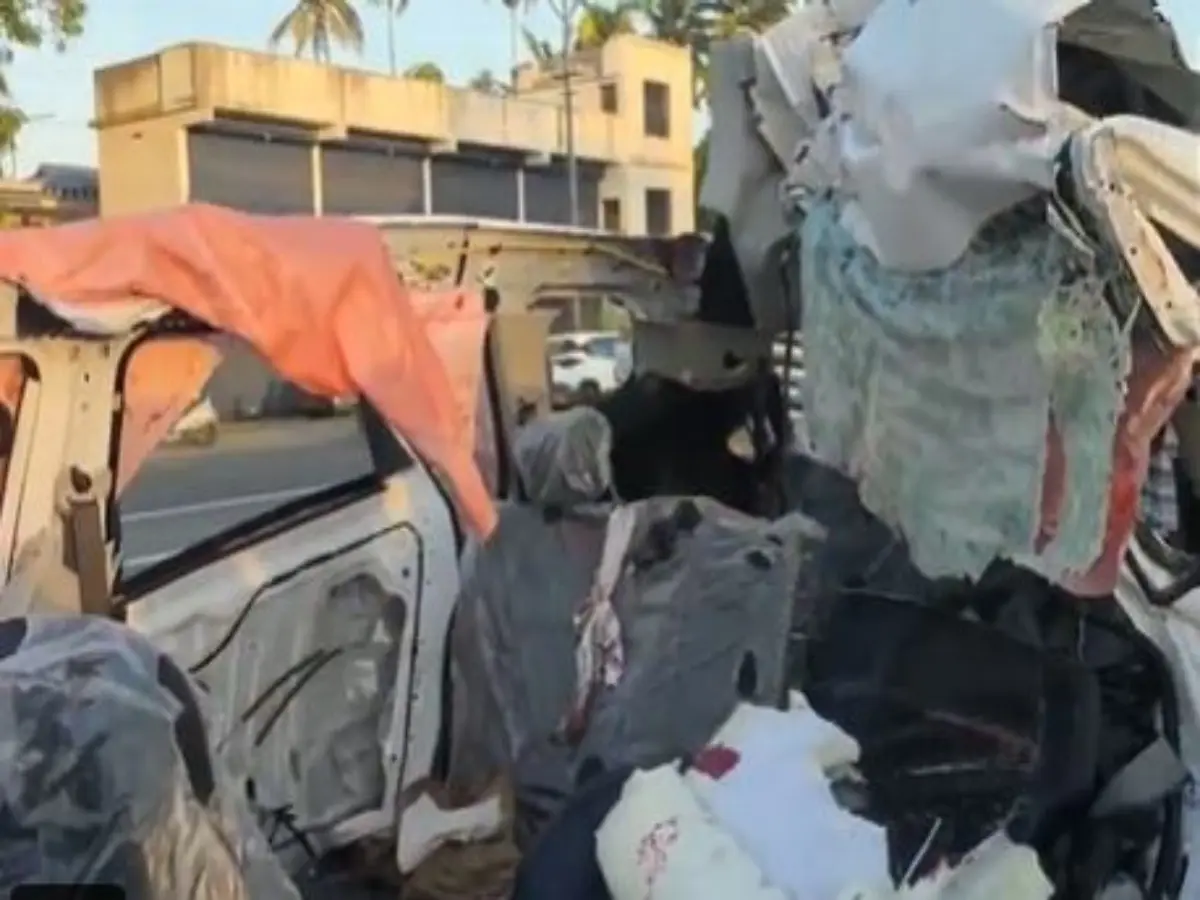
The protests began peacefully in late September, but on Wedenesday (Oct 1), violence broke out in cities like Inezgane and Oujda. At least three protesters have been killed so far—two in Leqliaa (near Agadir), and one in Oujda. At least 263 security personnel and 23 civilians have been injured, and more than 400 people arrested, including minors. Trials are set to begin on October 7 for those detained on charges related to public disorder.
What is the government doing about the Morocco protests?
The government has praised the security response to the protests as “balanced” and promised reforms. However, human rights groups have alleged the use of excessive force and accused authorities of restricting freedom of expression. Critics argued that the government is evading accountability and suppressing legitimate dissent.
With parliamentary elections set for 2026, these protests signal a generational shift in Moroccan politics, with local grievances converging with the fast-growing wave of global Gen Z activism. With their voices amplified on social media and international solidarity growing, the unrest shows no sign of abating.