'Memory returning home': Why Oxford is sending back remains of 39 Naga people to India

&imwidth=600&imheight=450&format=webp&quality=medium "'Memory returning home': Why Oxford is sending back remains of 39 Naga people to India")
Why Oxford is sending back remains of 39 Naga people to India
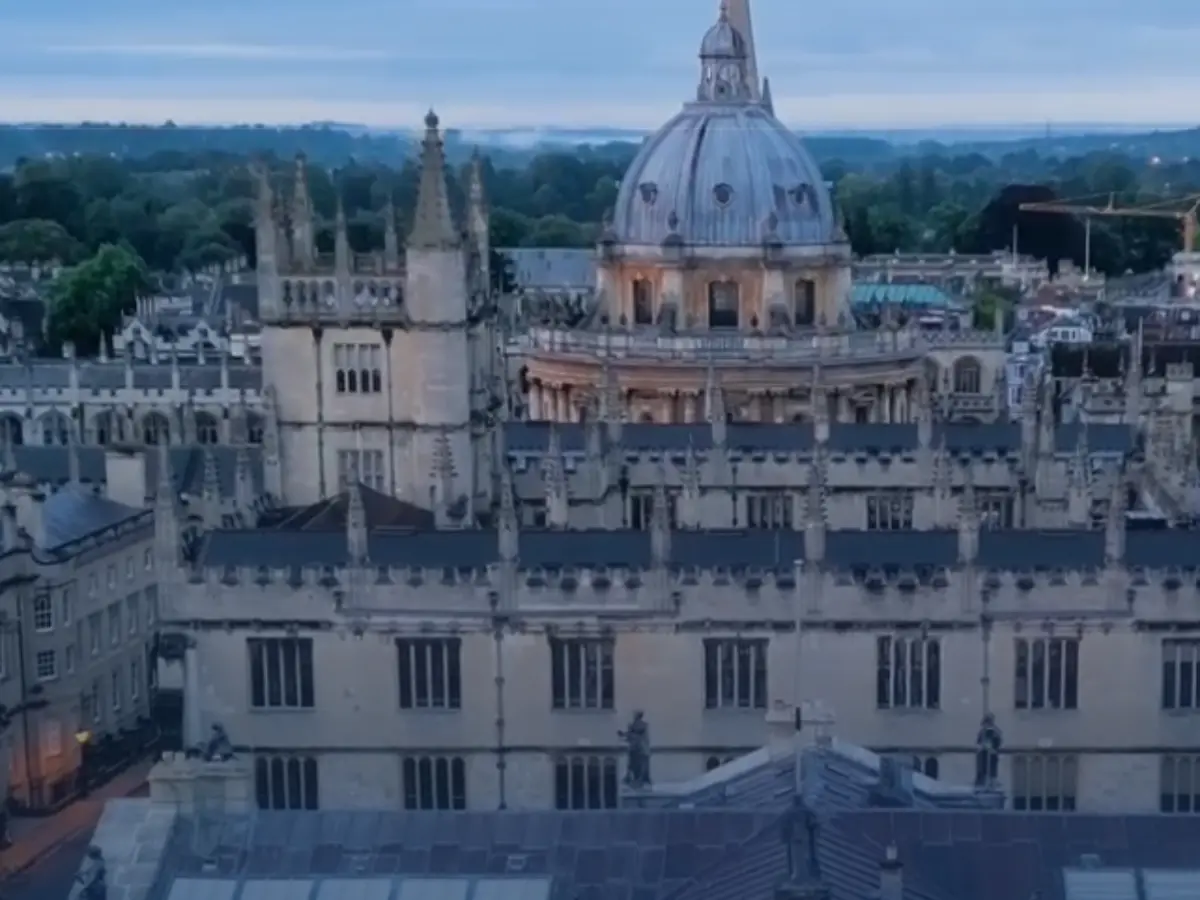
Oxford University’s Pitt Rivers Museum has approved the return of the remains of 39 Naga people taken from northeast India during British colonial rule. The repatriation follows a request by the Forum for Naga Reconciliation, with the handover ceremony to be held in Oxford.
The Oxford University's Pitt Rivers Museum will be returning the remains of 39 people who were taken during Britain's colonial rule in India. The university said that it is preparing to repatriate the remains of 39 people taken from the Naga community in northeast India. The decision came after the university approved a restitution request by the Forum for Naga Reconciliation (FNR) and other groups. The agreement marks the culmination of a six-year dialogue. The FNR initiated the Recover, Restore and Decolonise (RRaD) team in 2020 to engage with the university, leading to a delegation viewing the remains and drafting the Naga-Oxford Declaration on Repatriation in June 2025.
In a statement, Museum director Laura Van Broekhoven told CBS News, “the remains have been away from their homeland for far too long.” According to the museum, the group's requested for 40 sets of human remains, but the university approved the return of 39 of them in July because one "does not have a clear provenance as Naga." The FNR and other Naga organisations in a statement said, "Repatriation, for the Nagas, is not simply about bones and ancestral remains finding their way back to the land but importantly about memory returning to where it belongs." The museum said it was "working closely" with the Naga community to agree on a date for a handover ceremony.
The Pitt Rivers Museum holds over 6,000 Naga artifacts. Nearly 700 are on display, according to the museum's website. The museum has faced charges of racism and cultural insensitivity because it displayed its famous collection of shrunken heads and other human remains. In 2020, it removed the collection with an aim to "decolonise" its collections. "Our audience research has shown that visitors often saw the museum's displays of human remains as a testament to other cultures being 'savage', 'primitive' or 'gruesome'. Rather than enabling our visitors to reach a deeper understanding of each other's ways of being, the displays reinforced racist and stereotypical thinking that goes against the museum's values today,'' Van Broekhoven said in a statement at the time.
Also Read: Who is Tasnim Jara? Oxford-educated doctor takes on Bangladesh's politics as independent candidate
What's the story of these remains?
The remains—predominantly human skulls—were taken more than a century ago during British colonial rule. They were largely accumulated between 1910 and 1940 by colonial administrators and anthropologists John Henry Hutton and James Philip Mills. The museum explicitly acknowledged that many of these remains—which included a warrior's cranium, a woman's skull, and a youth's jaw—were forcibly taken or confiscated during punitive military expeditions burned against Naga villages by colonial forces. Once in Oxford, they were cataloged as "headhunting trophies" and put on public exhibition in a display titled "Treatment of Dead Enemies," where they remained for a century until being taken down in 2020.
)
)
)
)
)
)
)
)
)
)
)
)
)
)
)
)
)
)
&im=FitAndFill=(700,400))
)
)
)
&im=FitAndFill=(700,400))
)
&im=FitAndFill=(700,400))
&im=FitAndFill=(700,400))
)

