Amid diplomatic row with India, Maldives inches closer to China for ‘free’ military aid

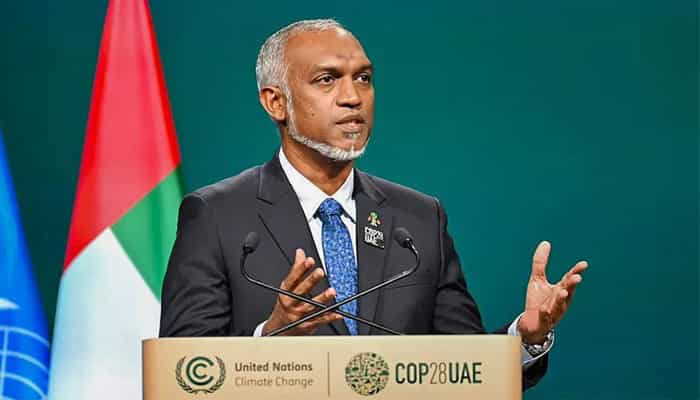
Maldives President Mohamed Muizzu
In the midst of a diplomatic conflict with India since President Mohamed Muizzu assumed office, the Maldives is poised to receive complimentary military aid from China. On Monday (March 5), Beijing officially inked a defence cooperation agreement with the Maldives, offering free military assistance to strengthen bilateral relations. Muizzu is seen as pro-China and Maldives relations with India have nosedived even as his term has just commenced.
Maldives signed an agreement with China to receive 'free' military aid, marking a geopolitical shift. Beijing on Monday signed a defence cooperation agreement with the Maldives to provide free military assistance to foster "stronger" bilateral ties. The details of the agreement are not known yet as doubts persistover Chinese promise of 'free' military aid.

This development follows Maldives President Mohamed Muizzu establishing a deadline for the initial withdrawal of Indian military personnel from his nation, as tensions between the two countries continue to escalate.
Muizzu asserted that no Indian military personnel, even those disguised in civilian clothing, will remain in his country beyond May 10, according to a media report on Tuesday.
This announcement follows the arrival of an Indian civilian team in the Maldives to take control of one of the three aviation platforms, well ahead of the March 10 deadline for the withdrawal of Indian military personnel, as agreed upon by both nations.
In January, amid tensions between India and Maldives, president Mohamed Muizzu had said that though his nation was small "it does not give countries the license to bully us".
In an oblique response to the remark, India's external affairs minister S Jaishankar recently stated that "big bullies do not provide $4.5 billion aid to their neighbors in times of distress".
)
The Early Spring is proof not everyone can talk about their real feelings, and it is perfectly OK
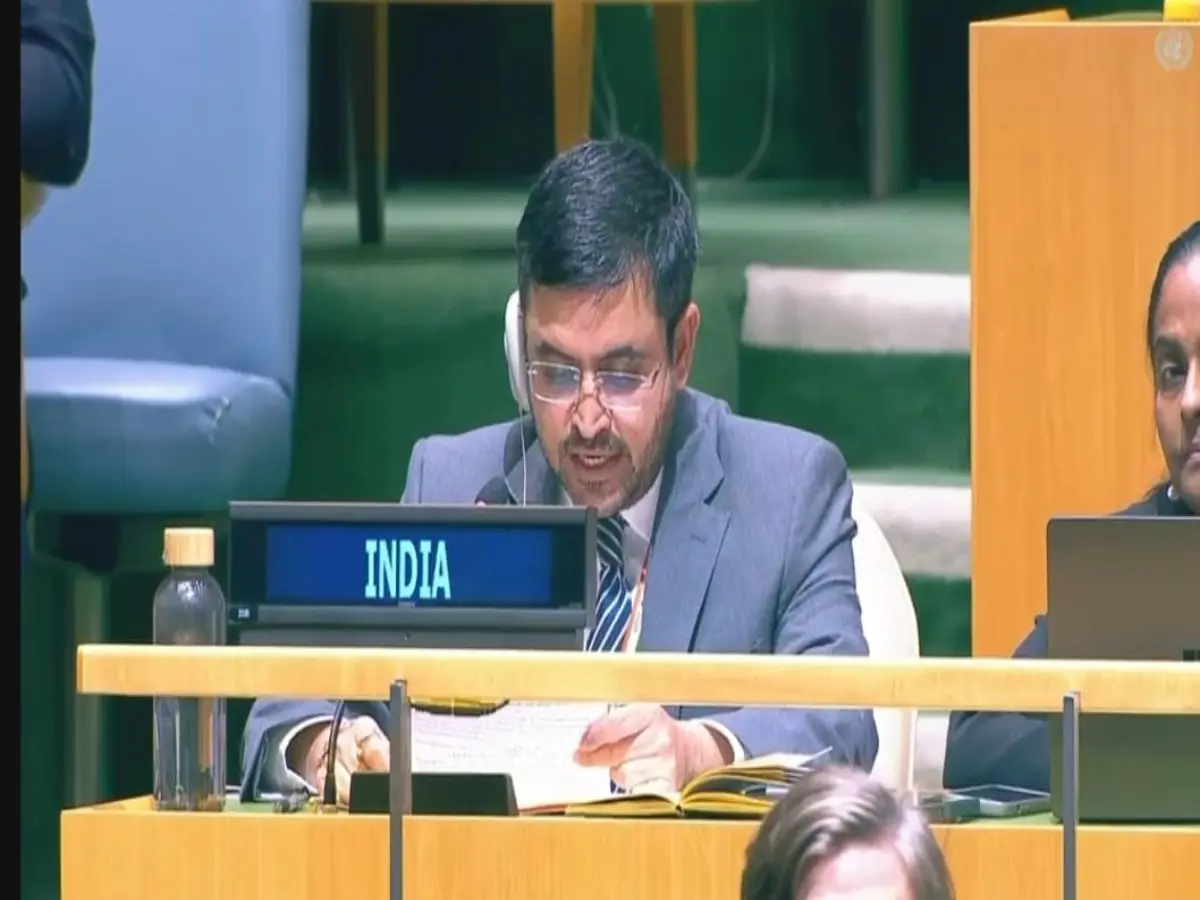)
UN votes to ‘correct the map’ as India backs fairer world view
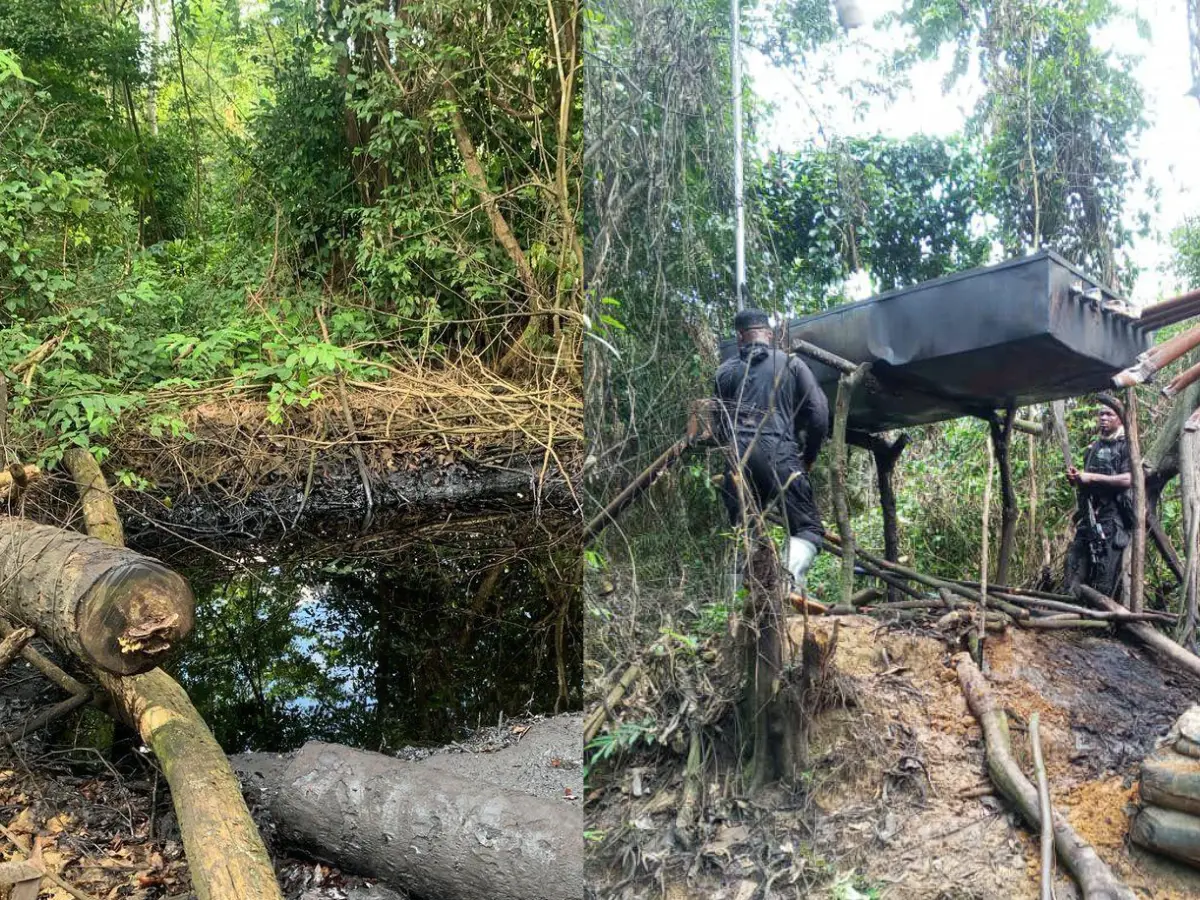)
Nigerian Navy discovers 99,000 litres of suspected stolen, illegally refined products as it intensifies anti-crude oil theft operations
)
Who is Aditi Paudel? 17-year-old becomes Japan's first literacy ambassador
)
Bengaluru: Officials find 40 kg expired chilli at chairman's club
)
Jaishankar rejects trade link to ending Ukraine war
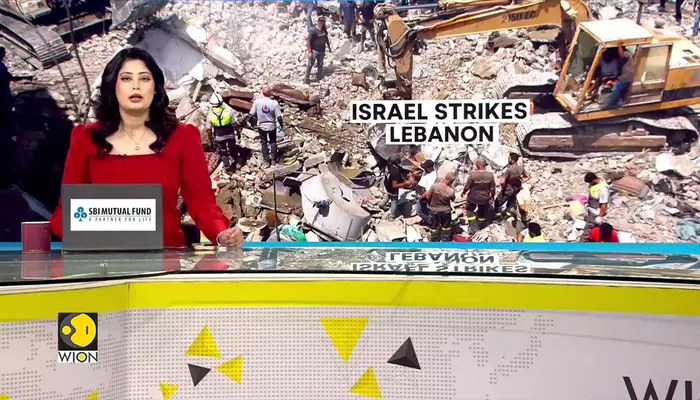)
Israeli strikes on Lebanon kill three, injure 23 despite truce
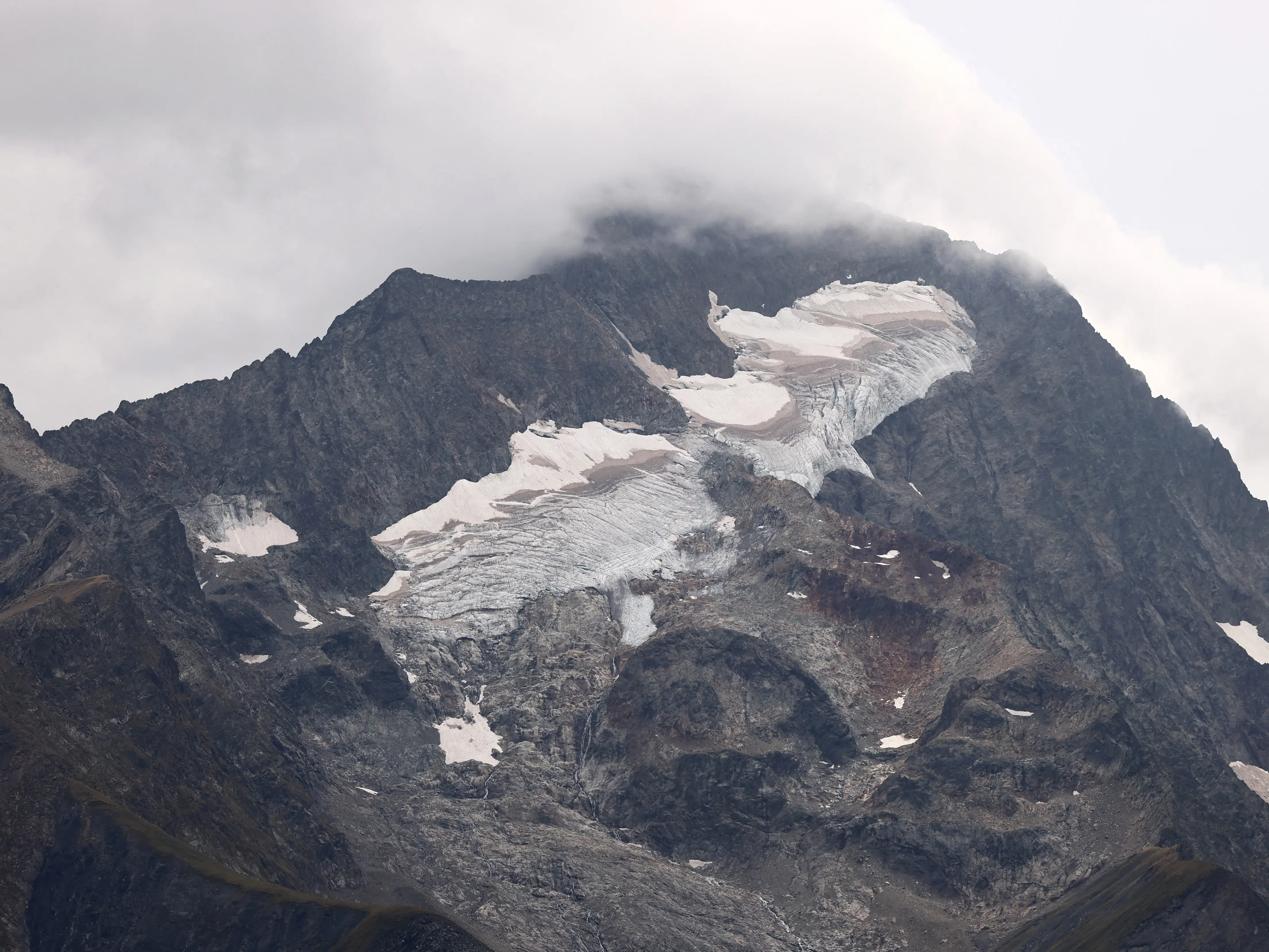)
Alpine glacier was covered with sheep wool sheets to prevent melting. It worked
)
South Korea mulls deploying military assets to Strait of Hormuz
)
World's fifth-largest economy, British army can't afford to train
)
Breaking | Vance takes the podium: First White House briefing since Leavitt's exit
)
Taiwan raises 'concerns' over China's missile test
)
BRICS 2026: $1 trillion sovereign capital set to converge in Delhi for first iBRICS Summit
)
What is Iran's Pickaxe Mountain that Trump has again threatened to bomb?
)
UN votes to correct world map that visually shrank Africa for 450 years
)
Former NewJeans member Danielle launches YouTube channel, hints at new solo journey
)
Bangladesh batter Towhid Hridoy creates history with 350 not out in South Africa
)
Brendan Fraser’s transformation fuels The Mummy 4 excitement as fans welcome back Rick O’Connell
&im=FitAndFill=(700,400))
Krishna Janmashtami 2026: From Dhaniya Panjiri to Makhana Kheer- 5 best sweet dishes perfect for celebrating Lord Krishna’s birth
)
Donald Trump plans to travel to Ireland on Qatari-donated jet amid security concerns
)
Nazi-looted art to return to Jewish heirs
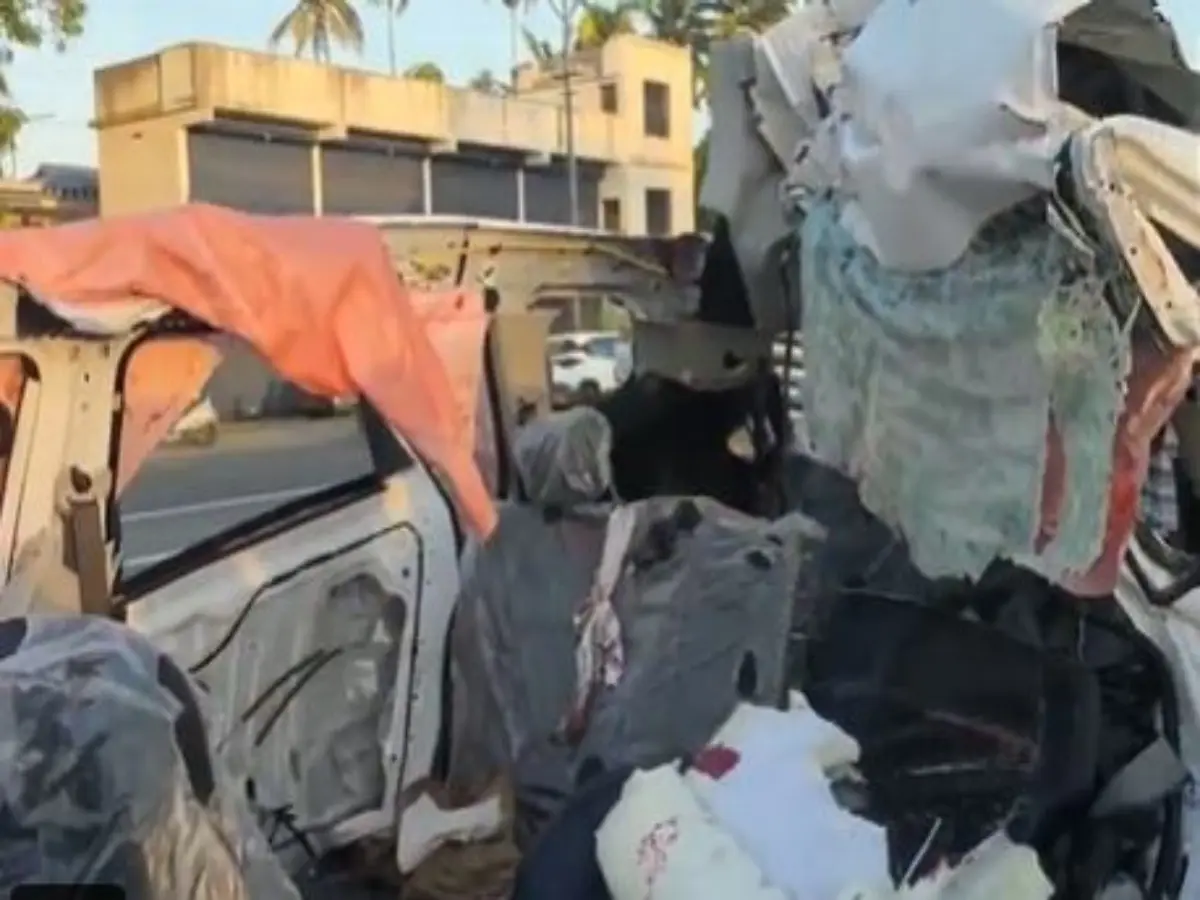)
Eight killed in Kerala’s Thrissur after car rams into lorry parked on highway
&im=FitAndFill=(700,400))
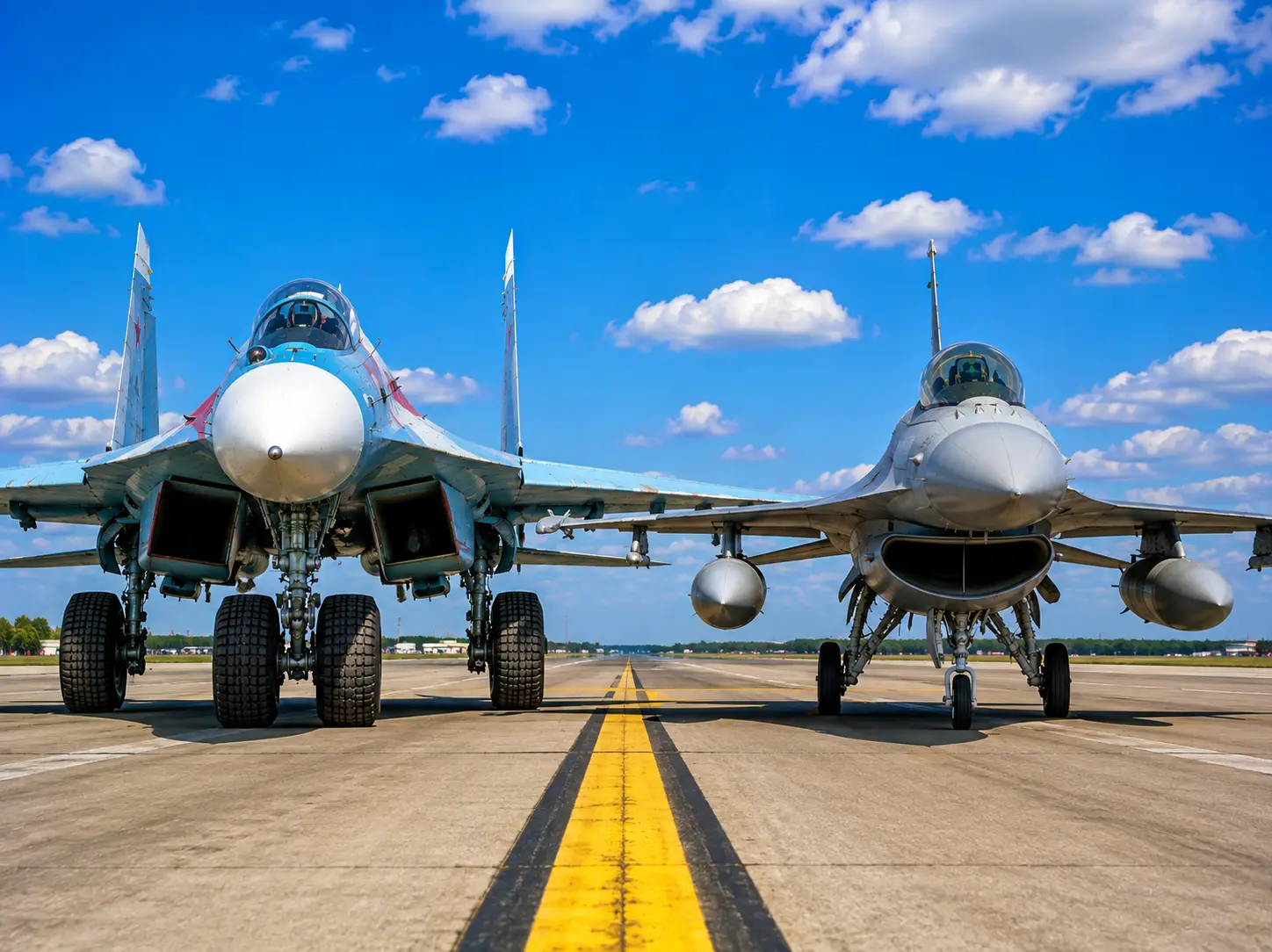
Why Russian fighter jets use bulky, low-pressure tyres compared to US jets
)
FBI-wanted fraud accused arrested in Jalandhar over $600,000 scam
&im=FitAndFill=(700,400))
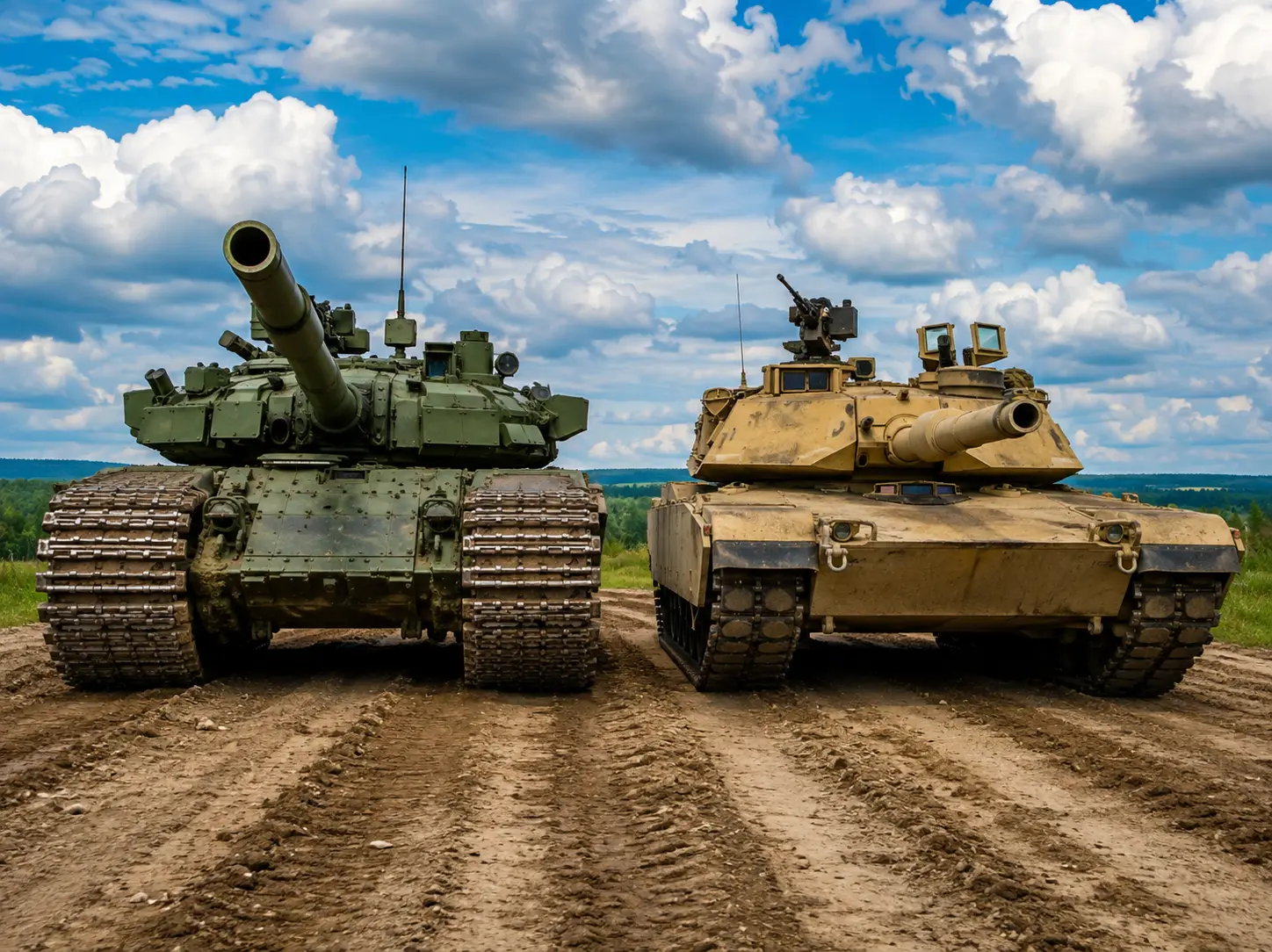
Why US tanks weigh over 20 tons more than Russian tanks
&im=FitAndFill=(700,400))
New Friday OTT releases (September 4, 2026): GDN, Dhamaal 4, Jagamae Sangeetham- Watch 6 new movies and TV shows on Netflix, Prime Video and more
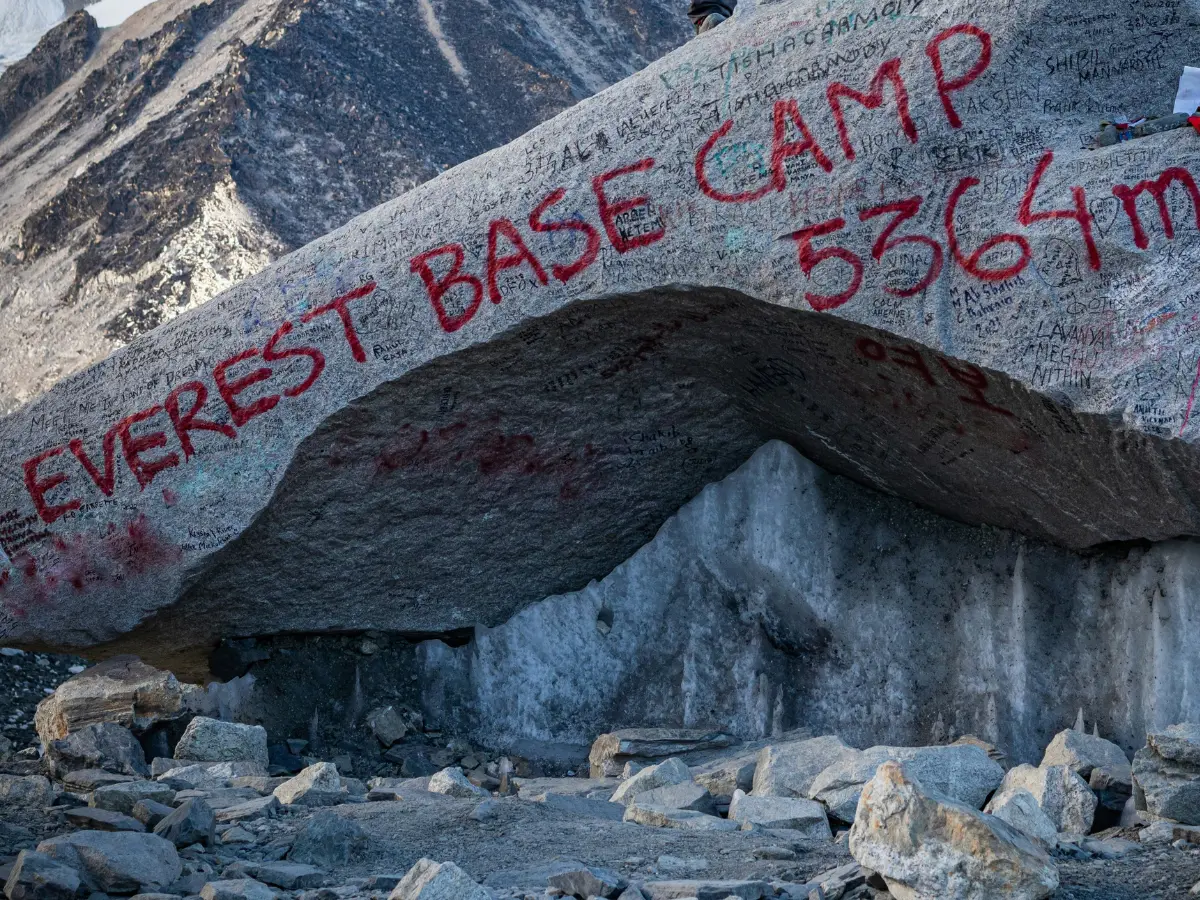)
Killing the Himalayas slowly: Human urine is melting a glacier on Mount Everest
The video clip of Jaishankar's response quickly spread across social media platforms, gaining widespread attention.
During his tour of the Baa atoll Eydhafushi residential community, President Muizzu addressed false rumours circulating about the presence of Indian troops in civilian attire. He emphasised the success of his government in expelling Indian troops and debunked claims of their return in civilian clothing. Muizzu, known for his pro-China stance, stated confidently that there would be no Indian troops in the country, in any form of clothing, after May 10.
The Maldivian foreign ministry had earlier announced, following high-level discussions in Delhi on February 2, that India would replace its military personnel managing the three aviation platforms by May 10, with the initial transition stage completed by March 10.
The President reiterated his commitment to removing Indian troops from the strategically located archipelago, emphasising the importance of true independence. He also expressed confidence in regaining control of the southern maritime area, highlighting delays caused by procedural issues.
The opposition, critical of the administration, claims that Indian personnel sent as civilians are actually military officials out of uniform, raising concerns about the verification process.
Despite its proximity to India, the Maldives, situated at the heart of crucial commercial sea routes in the Indian Ocean Region, holds strategic significance. It has been a key maritime neighbour for India, playing a vital role in regional dynamics and aligning with initiatives like SAGAR and the Neighbourhood First Policy.
(With inputs from agencies)