Lindsay Clancy murder trial: Tensions rise as juror disputes over 'reasonable doubt' as verdict remains elusive

&imwidth=600&imheight=450&format=webp&quality=medium "Lindsay Clancy murder trial: Tensions rise as juror disputes over 'reasonable doubt' as verdict remains elusive")
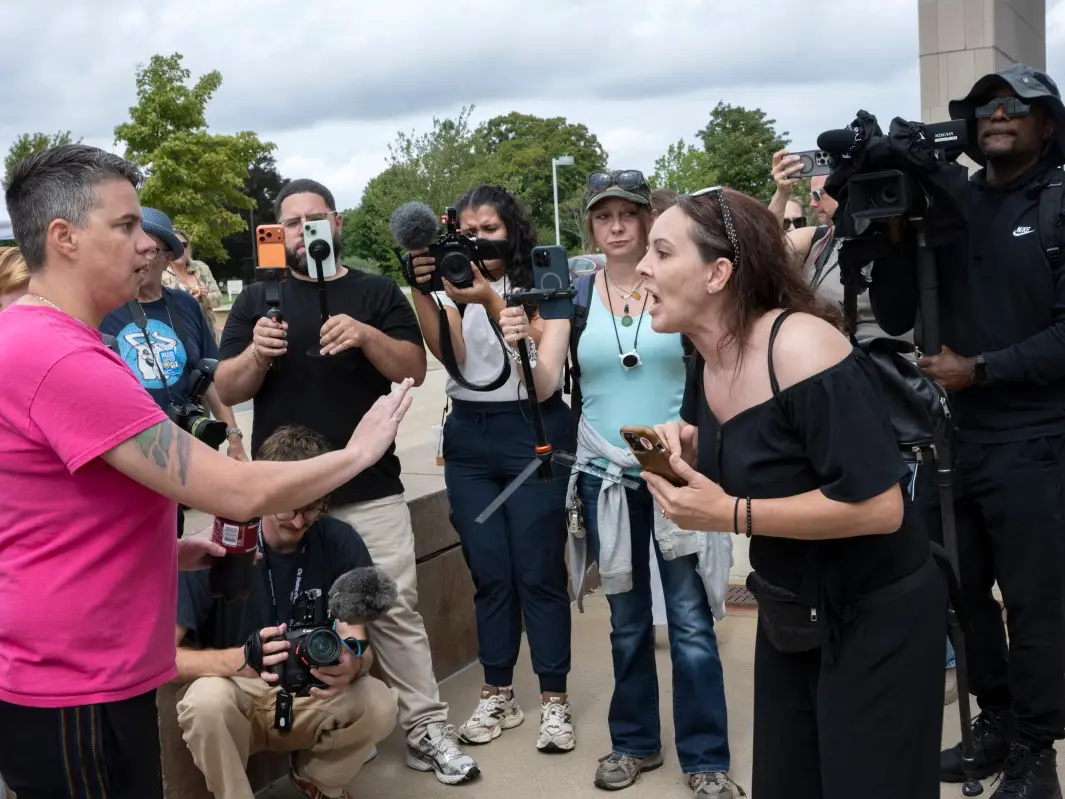
Two women argue outside the courthouse as the jury deliberation phase continues in Lindsay Clancy's murder trial at the Plymouth County Superior Court in Plymouth, Massachusetts Photograph: (AFP)
Lindsay Clancy's murder trial takes a dramatic turn as a deadlocked jury disputes reasonable doubt, prompting her defence to seek a juror's removal
A judge has ordered the jury in Lindsay Clancy's murder trial to continue deliberating after a dramatic sixth day ended without a verdict and tensions emerged among jurors. The development came after the jury forewoman sent a note to Judge William Sullivan alleging that one juror was refusing to follow the court's instructions on reasonable doubt. The revelation prompted Clancy's defence team to ask for the juror to be removed. The judge rejected the request, telling both sides that he did not want to intervene in the jury's deliberations.
There was audible shock in the courtroom when the defence raised the request. Clancy, 36, is facing three counts of first-degree murder over the deaths of her three children, five-year-old Cora, three-year-old Dawson and eight-month-old Callan, at the family's Massachusetts home on January 24, 2023. The former labour and delivery nurse does not dispute that she strangled her two sons and daughter in the basement of the family home.
Her defence, however, argues that she was experiencing postpartum psychosis at the time and was unable to distinguish right from wrong. The jury, comprising nine women and three men in Plymouth, has spent around 35 hours deliberating after nearly six weeks of testimony and proceedings. The panel had already sent two notes to the judge saying it was unable to reach a unanimous verdict. Thursday's proceedings, however, marked the first indication of significant disagreement inside the deliberation room.
Defence seeks removal of juror
Clancy's lawyer, Kevin Reddington, told the court that the forewoman had submitted another note, alleging that a juror was refusing to listen to the law concerning reasonable doubt. Reddington and prosecutor Jennifer Sprague then had an animated exchange with Judge Sullivan. Reddington subsequently approached Clancy and appeared to explain what had happened. The conversation appeared tense.
Clancy, who became paralysed from the waist down after jumping from a second-floor window following the deaths of her children, was later pushed in her wheelchair by her lawyer to take part in a discussion with the judge. Judge Sullivan subsequently brought each juror into the courtroom individually and questioned them. He reminded them that they must unanimously determine, beyond a reasonable doubt, that Clancy was guilty before convicting her. As individual jurors approached, some looked towards Clancy while others avoided eye contact.
Trending Stories
&imwidth=280&imheight=210&format=webp&quality=medium)
&imwidth=280&imheight=210&format=webp&quality=medium)
&imwidth=280&imheight=210&format=webp&quality=medium)
&imwidth=280&imheight=210&format=webp&quality=medium)
&imwidth=280&imheight=210&format=webp&quality=medium)
&imwidth=280&imheight=210&format=webp&quality=medium)
&imwidth=280&imheight=210&format=webp&quality=medium)
&imwidth=280&imheight=210&format=webp&quality=medium)
&imwidth=280&imheight=210&format=webp&quality=medium)
&imwidth=280&imheight=210&format=webp&quality=medium)
&imwidth=280&imheight=210&format=webp&quality=medium)
&imwidth=280&imheight=210&format=webp&quality=medium)
&imwidth=280&imheight=210&format=webp&quality=medium)
&imwidth=280&imheight=210&format=webp&quality=medium)
&imwidth=280&imheight=210&format=webp&quality=medium)
&imwidth=280&imheight=210&format=webp&quality=medium)
&imwidth=280&imheight=210&format=webp&quality=medium)
&imwidth=280&imheight=210&format=webp&quality=medium)
&imwidth=280&imheight=210&format=webp&quality=medium)
&imwidth=280&imheight=210&format=webp&quality=medium)
&imwidth=280&imheight=210&format=webp&quality=medium)
&imwidth=280&imheight=210&format=webp&quality=medium)
&imwidth=280&imheight=210&format=webp&quality=medium)
&imwidth=280&imheight=210&format=webp&quality=medium)
&imwidth=280&imheight=210&format=webp&quality=medium)
&imwidth=280&imheight=210&format=webp&quality=medium)
&imwidth=280&imheight=210&format=webp&quality=medium)
&im=FitAndFill=(700,400)&imwidth=280&imheight=210&format=webp&quality=medium)
&imwidth=280&imheight=210&format=webp&quality=medium)
&imwidth=280&imheight=210&format=webp&quality=medium)
&imwidth=280&imheight=210&format=webp&quality=medium)
&imwidth=280&imheight=210&format=webp&quality=medium)
&imwidth=280&imheight=210&format=webp&quality=medium)
Judge refuses to remove juror
When Reddington formally raised his request to remove a juror, gasps could be heard in the courtroom as reporters quickly began typing. Judge Sullivan ruled that the juror could remain and that deliberations should continue. "I don't feel it is proper for me to side with one side or the other of the deliberations," the judge said. Prosecutor Jennifer Sprague defended the judge's instructions and argued that the court could not determine which juror was right or wrong during deliberations.
"There's no way to determine what the deliberations are, who's correct, who's incorrect, nor should we attempt to," she said. Clancy lowered her head as journalists began leaving the courtroom. Reddington, appearing upset, consoled his client, placing an arm around her and rubbing her back as reporters exited.
What did the defence say?
Speaking to reporters afterwards, Reddington said the forewoman's note described one juror as refusing to follow the law concerning reasonable doubt. He said he had asked the judge to consider removing that juror. Reddington said he had suggested to the judge "a motion to remove the juror who refuses to accept your instructions on the law on a reasonable doubt". The defence lawyer said he did not know what the juror's position was and did not confirm whether the jury was split 11-1, despite the forewoman previously indicating that there was a lone holdout.
What happens if the jury remains deadlocked?
If the jury fails to reach a unanimous verdict, Judge Sullivan could declare a mistrial. Prosecutors would then have to decide whether to pursue a new trial against Clancy. A conviction for first-degree murder could result in life imprisonment without parole. Alternatively, if Clancy is found not guilty because she lacked criminal responsibility or was legally insane at the time of the killings, she could be committed to a state psychiatric hospital.
Under US law, jurors must unanimously conclude that prosecutors have established guilt beyond a reasonable doubt before returning a criminal conviction. The standard represents the highest burden of proof used in the US criminal justice system. It requires the government to establish the accused's guilt rather than requiring the accused to prove her innocence.

