Israeli Supreme Court orders military conscription for ultra-orthodox Jewish students


File photo of Israeli soldiers in the Gaza Strip.
In a decision that might split Prime Minister Benjamin Netanyahu's ruling coalition, the Israeli Supreme Court on Tuesday (June 25) mandated that the state start enlisting ultra-Orthodox Jewish seminarians in the military.
"At the height of a difficult war, the burden of inequality is more than ever acute," the court said in aunanimous ruling.
The two ultra-Orthodox parties that Netanyahu's coalition depends on see conscription exemptions as essential to keeping their members in religious seminaries and away from a military that may challenge their traditional values.

The party leaders expressed disappointment with the decision, but they did not pose a direct challenge to the government.
But the possibility that the military, supported by Defence Minister Yoav Gallant, may begin to enlist the seminary students might raise tensions in Netanyahu's already fragile government.
)
Oxford United's new clothing line featured 'United 93' phase
)
Pentagon revives mandatory testosterone testing for male troops aged 30 and above
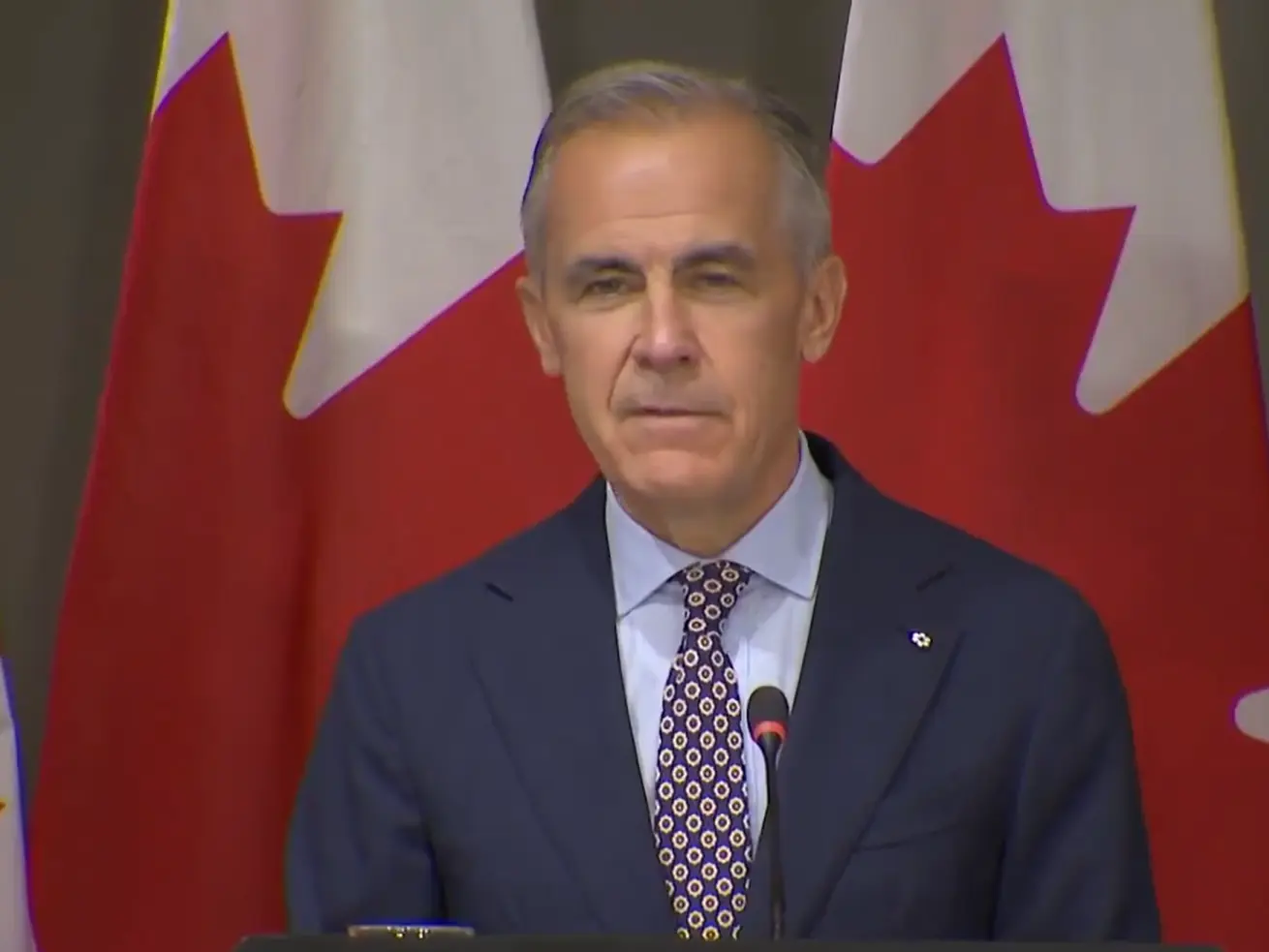)
Mark Carney mimics Trump in hilarious moment over C$70 billion clean-energy investment; room erupts in laughter
)
Iran rebuilding nuclear facilities? New satellite images show Tehran may be rapidly restoring bombed Parchin base
)
It's a girl! Deepika Padukone and Ranveer Singh welcome their second child
)
FACT CHECK: Why did PM Modi ask Xi ‘is it okay’ at BRICS Summit? New video reveals...
)
Putin: European leaders using war rhetoric to save falling ratings
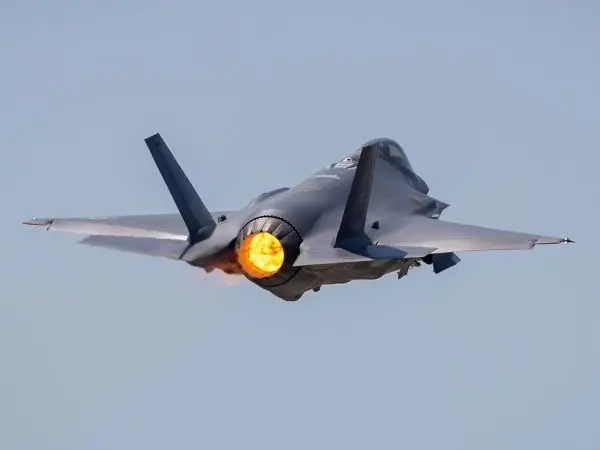)
China may have gained access to US's classified F-35 jets; parts meant for repairs diverted to Hong Kong, sparking Pentagon inquiry
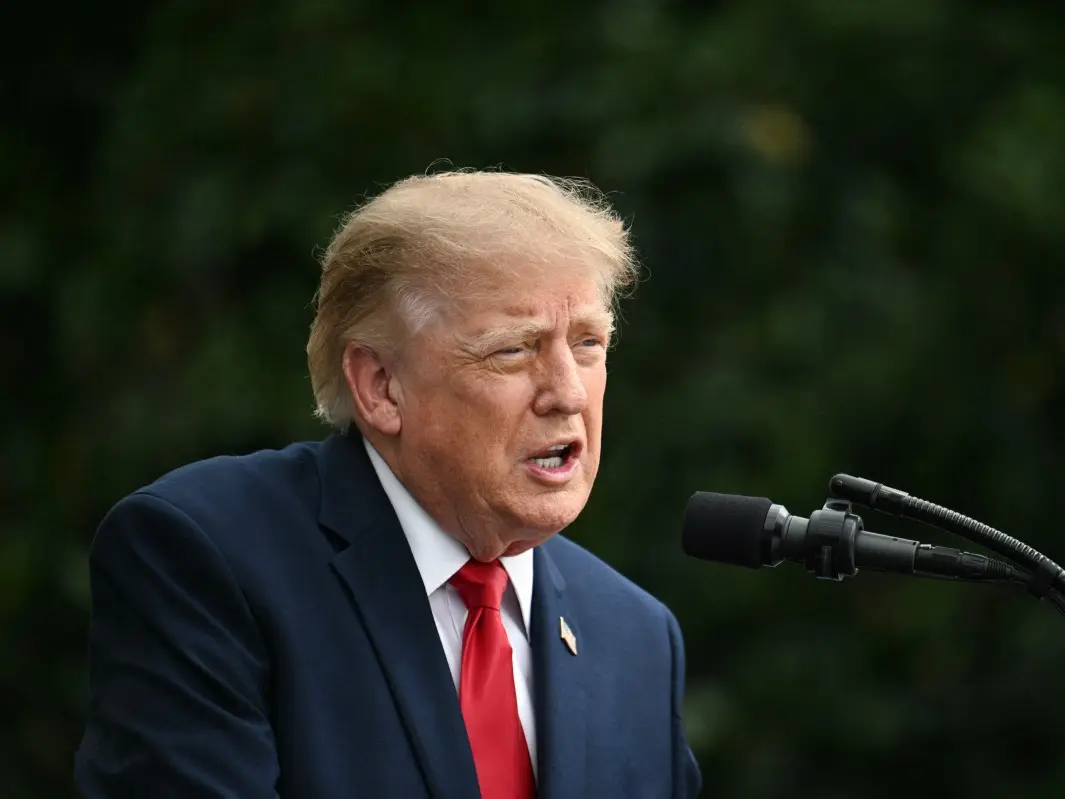)
Trump announces ‘AI Force’ as debate grows over AI risks and regulation
)
NASA research plane reaches 61,000 feet over Panama
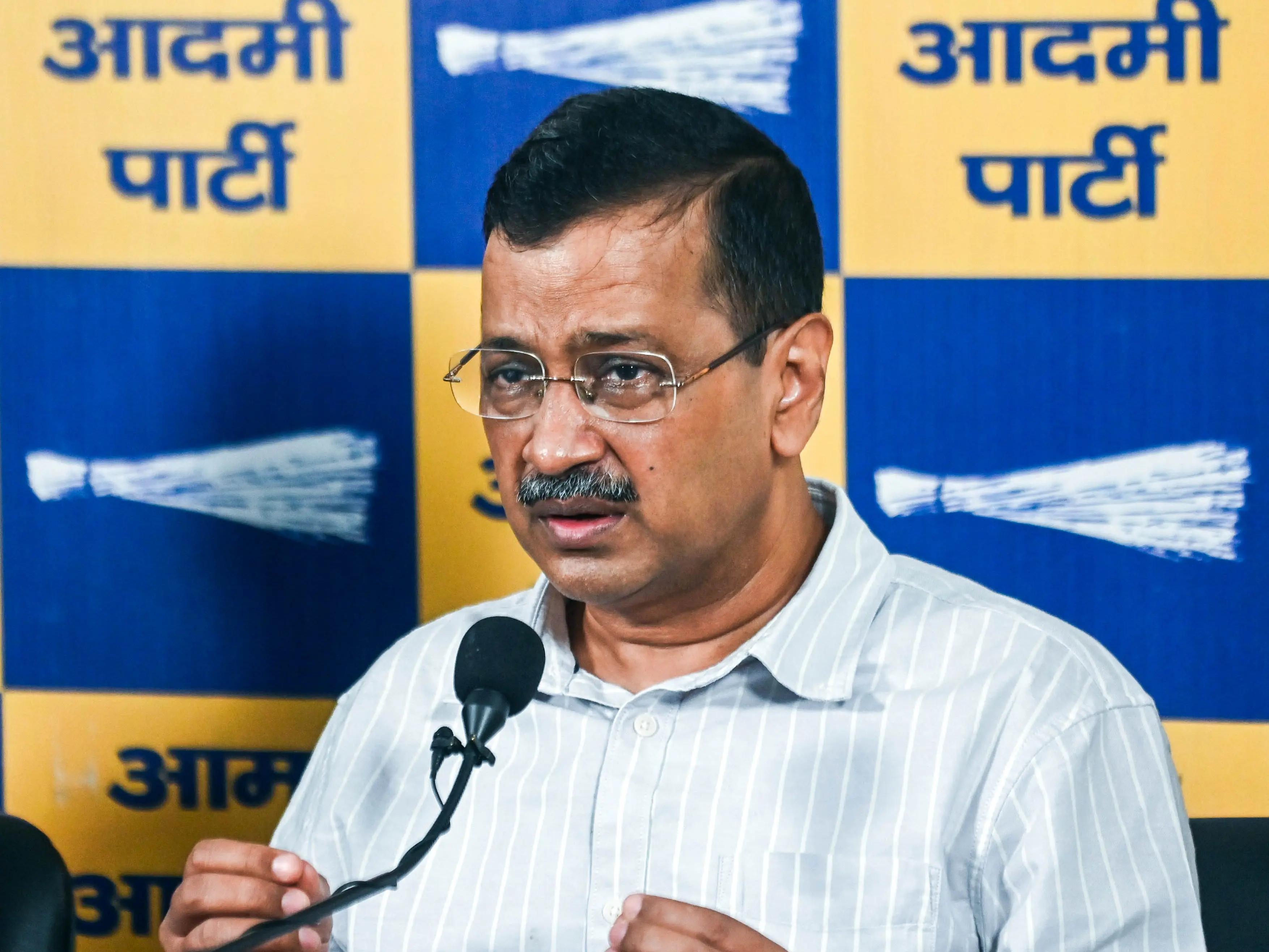)
Arvind Kejriwal, family members, Delhi CM Rekha Gupta get SIR notices
)
Cochin shipyard starts building Indian Navy's next-gen missile vessels
)
Russia extends ban on Western food imports for two more years in extended sanctions countermeasure
)
Brigitte Bardot’s private collection set for Paris auction; key items and prices revealed
)
Why Ranveer Singh’s Dhurandhar missed India’s Oscar entry; FFI jury member reveals what happened
)
How did an Australian river with 500 crocodiles pass the Olympic test? Here's how
)
‘Will go to any extent’: Pakistan vows to defend Saudi Arabia amid Houthi attacks
66 years of the Indus Waters Treaty: How India and Pakistan settled a bitter river dispute
)
The Verdict | When precision fails: US commits war crime in Minab school strike, UN finds
Russia attacks Ukraine with 174 drones, kills 8; 2 vessels hit in Black Sea
)
Trump signs Russia sanctions bill into law, targets Moscow’s energy sector
)
Pak: A series of counter terrorism operations in Khyber Pakhtunkhwa
)
Flying cars in UAE: Ras Al Khaimah signs deal with Chinese company to test new transport
)
Reacher star Alan Ritchson opens up about alleged blackmail, suicide attempt during difficult period
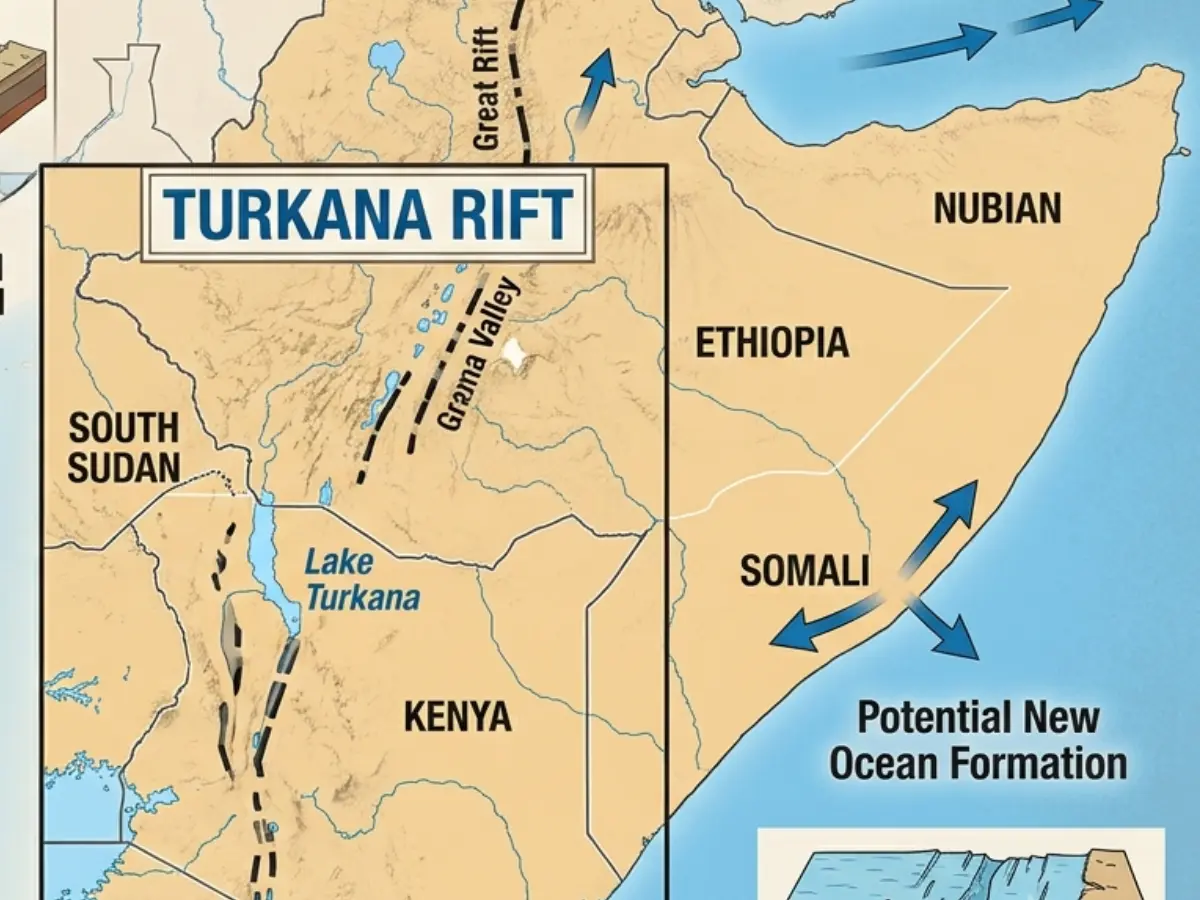)
Africa is splitting, and a lot sooner than estimated, giving way to a new ocean
)
Ajit Agarkar’s future as chief selector to be decided at right time, says BCCI secretary
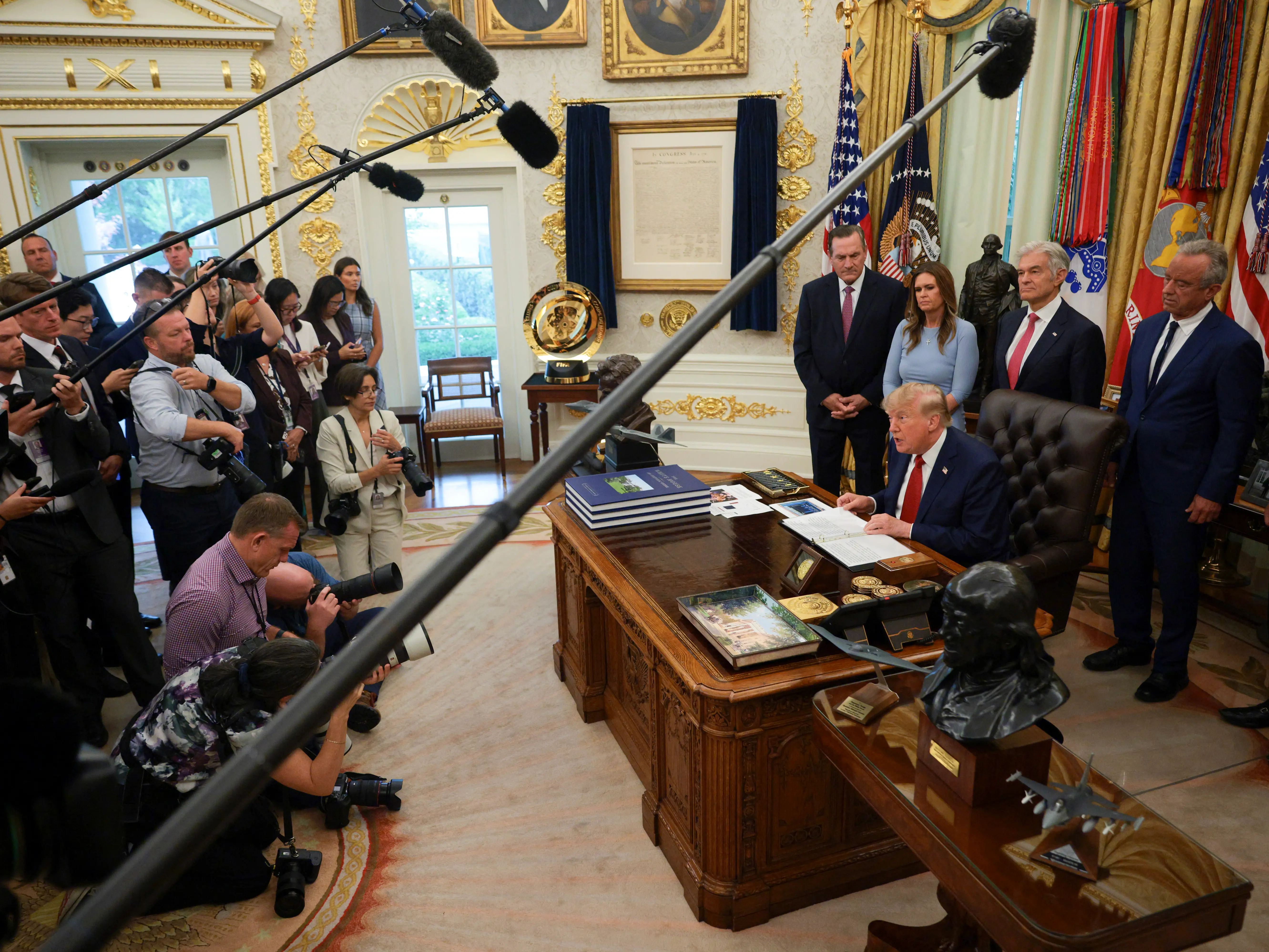)
Trump bans CNN, MS NOW and Politico from White House over ‘FAKE NEWS’
)
Trump 2.0: Dark days ahead for America’s ‘imperial presidency’
)
New brain discovery could aid neurological disease studies
)
Drone strikes cooling tower at Russia's Kursk Nuclear Plant, IAEA confirms
&im=FitAndFill=(700,400))
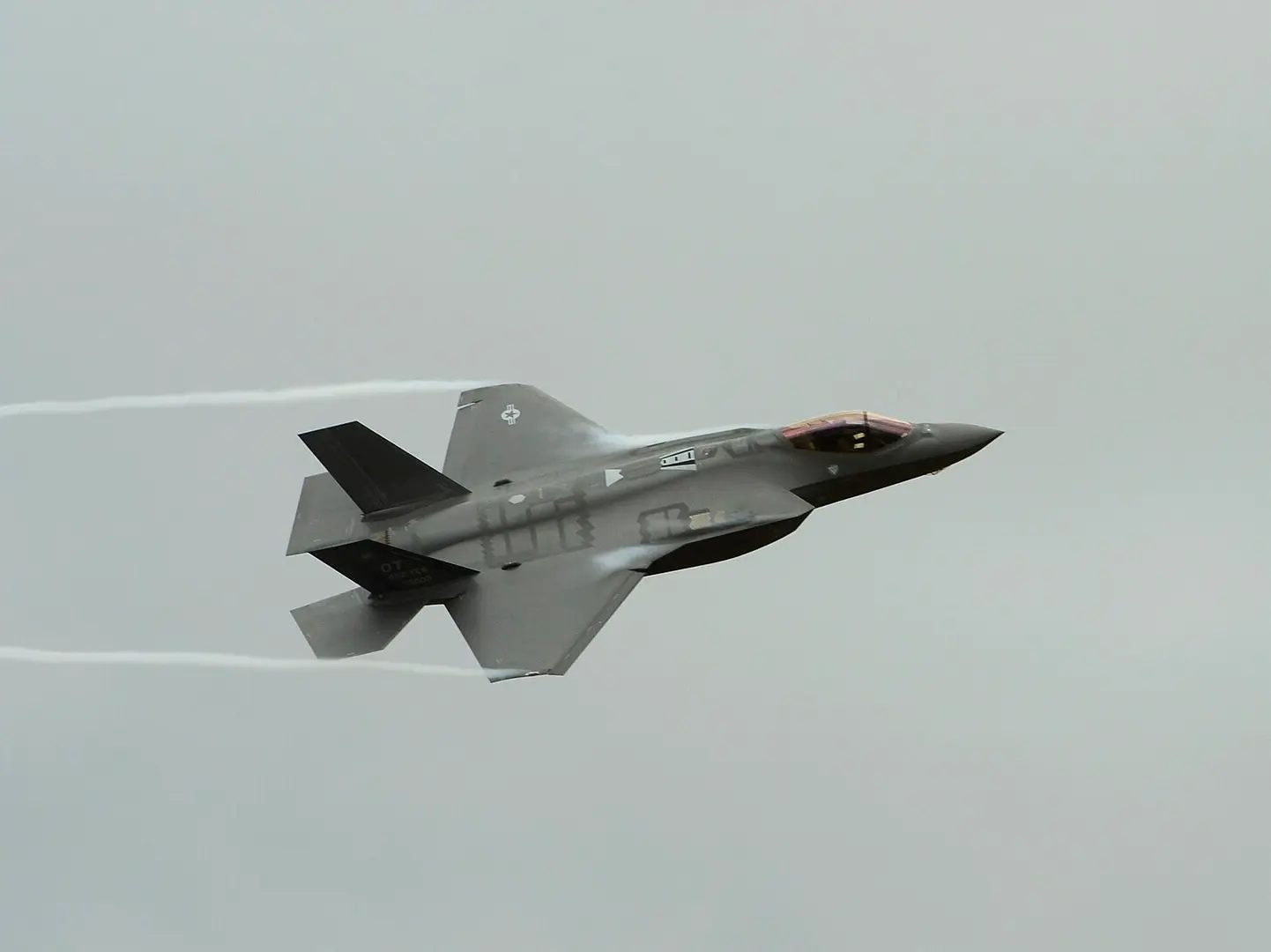
How many F-35s does Britain, Japan and Israel have?
)
Tirupati Laddu ghee adulterated with chemicals, says ED, supplier arrested
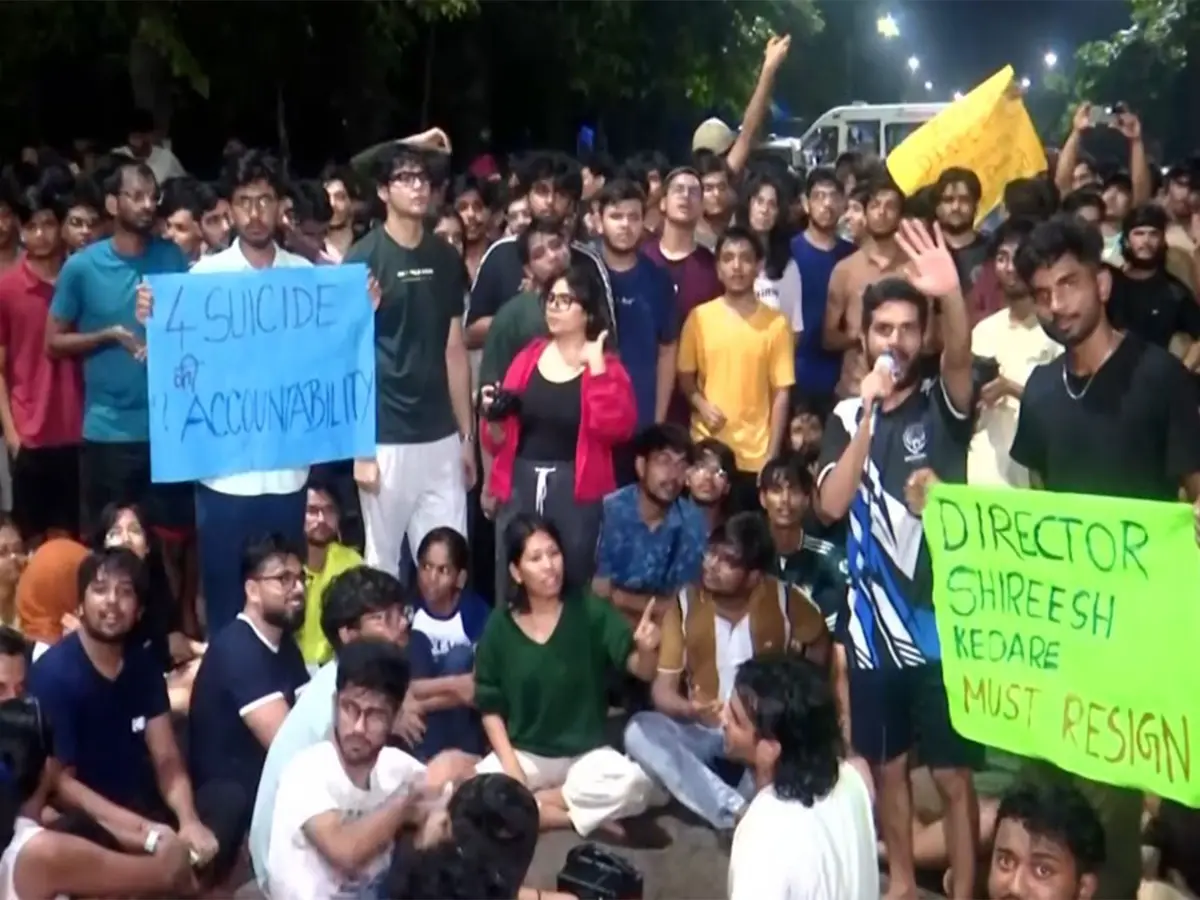)
IIT Bombay student dies by suicide, was caught seeking AI help during exams
)
Trump extends H-1B visa's $100,000 fee until September 2027: What it means for Indians?
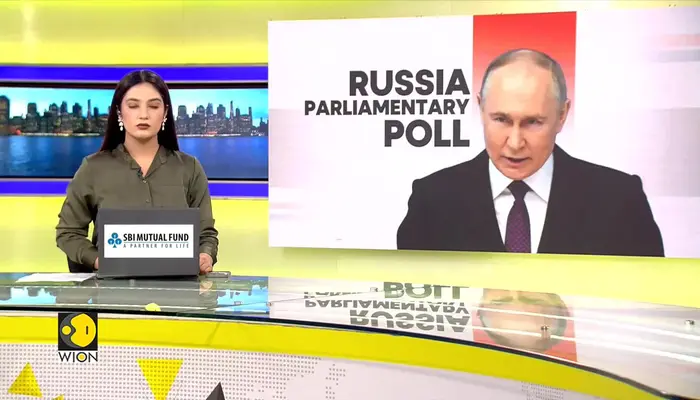)
Russia holds first parliamentary elections since the beginning of the Ukraine war
&im=FitAndFill=(700,400))
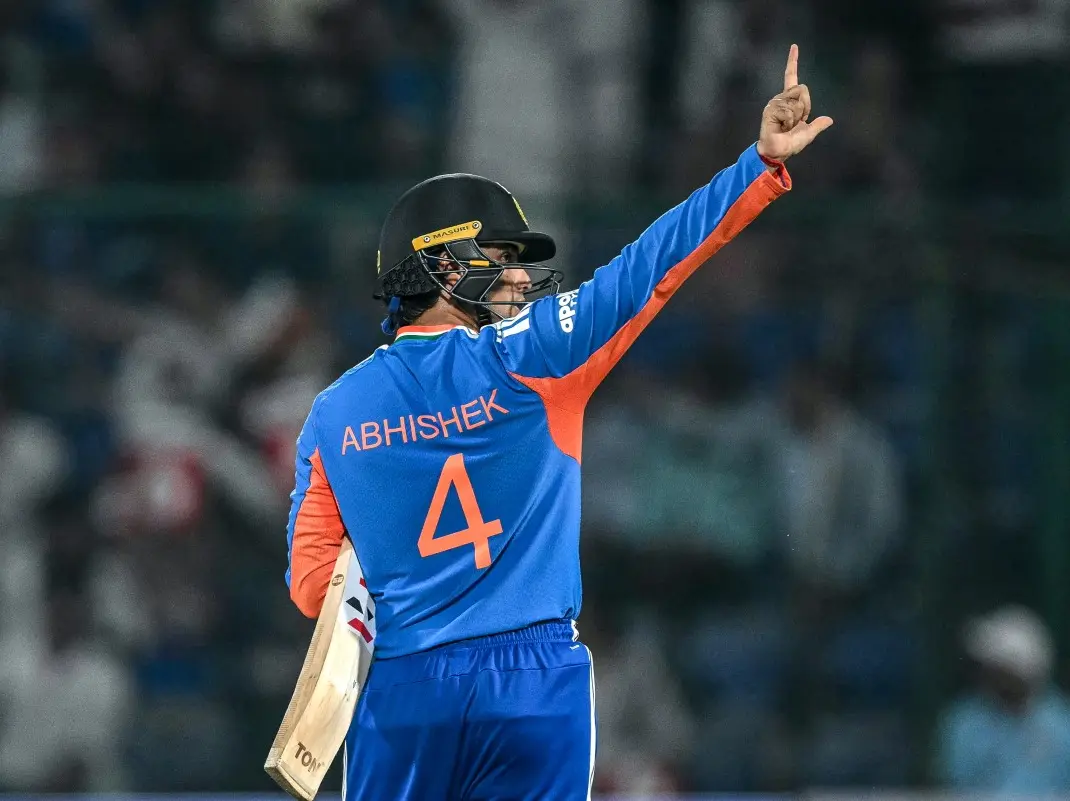
Meet top 5 Indian batters with fastest T20I centuries
)
)
The ultra-Orthodox conscription waiver has gained particular attention since Israel's military forces are being overworked in a multifront conflict with Hezbollah in Lebanon and Hamas in Gaza.
The country's law requires the majority of Jewish Israelis to enlist in the military at 18, serving for two years for women and three years for men.
While some do serve, members of the 21 per cent Arab minority in Israel are exempt, as are students attending ultra-Orthodox Jewish seminaries, who have also had long-standing exemptions.
Watch |Israel-Hezbollah conflict: Israel's offensive in Lebanon will pull Iran in war, says US
The government has continued to permit seminary students to avoid serving despite the statute regulating their exemption expiring last year.
The Supreme Court decided that the state had to draft them if there was no new legal foundation for the exemption.
In addition, the decision prohibited seminaries from receiving state funding if students withdrew from duty without permission or exception.
(With inputs from agencies)
