Islamic terrorism did not end with the killing of Osama bin Laden

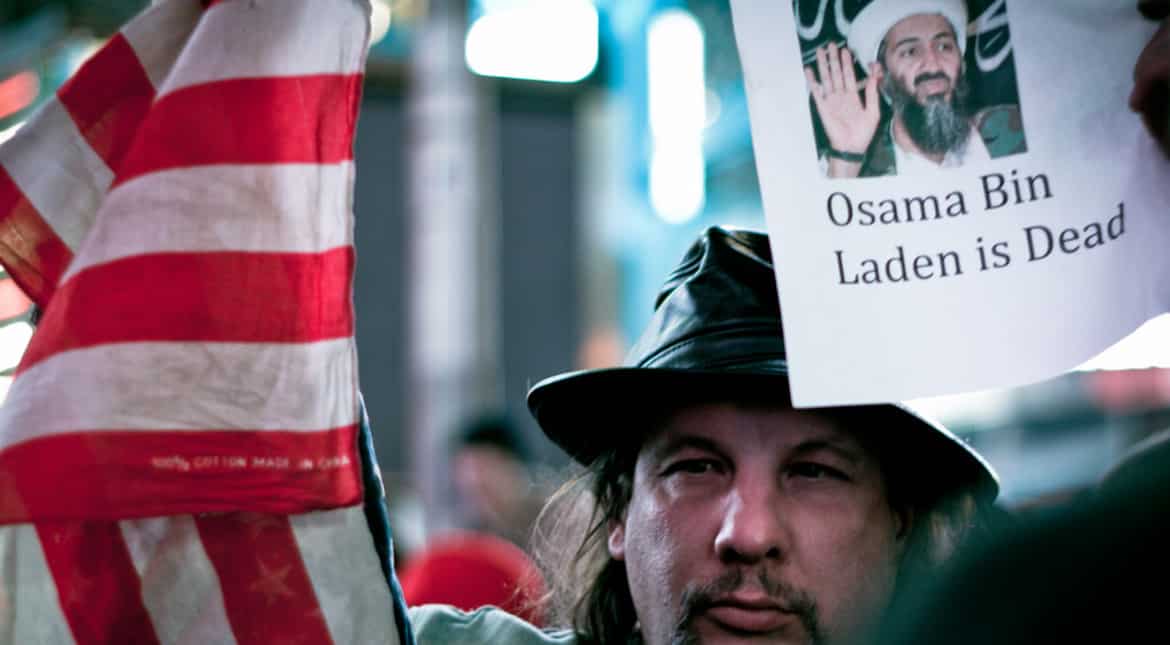
Death anniversary of Laden
Osama's killing was more of a symbolic move, an act of revenge which well served the propaganda purposes of the then US president Barack Obama
Six years ago, in these days, a US Navy SEAL team entered a compound in Abbottabad and killed Osama bin Laden, the sheik of terror. It was the end of an evil legend, and a military action destined to become a movie and to find its place on many bookshelves.
Many thought it was also the beginning of the end for al-Qaeda, the slow death of a snake whose head had finally been chopped off.Wrong assumption.
Undeniably, the loss of such an iconic figure had hit al-Qaeda hard, it weakened an already weak organisation which was on its back foot and struggling to find new funds and ways of action. His immediate successor Ayman al-Zawahiri did not - and still does not - match his predecessor's military and strategic stature.

By the time of his killing, Osama bin Laden was probably not the organisation's pillar anymore. He was chased, isolated and incapable of giving a new ideological lifeline to the organisation he had created years back. Osama's killing was more of a symbolic move, an act of revenge which well served the propaganda purposes of the then US president Barack Obama.
)
Three labourers killed as DU student loses control of his car, rams into them on Dwarka Expressway
)
Pentagon revives mandatory testosterone testing for male troops aged 30 and above
)
FACT CHECK: Why did PM Modi ask Xi ‘is it okay’ at BRICS Summit? New video reveals...
)
India seeks to build a full semiconductor supply chain
&im=FitAndFill=(700,400))
From Abhishek Sharma to Sahil Chauhan, 5 batters with fastest T20I hundreds
)
Indian activist-lawyer Prashant Bhushan's post brings focus on ‘conflict of interest’ appointments of ex-govt officials at Reliance, Adani groups
)
Pyongyang dismisses US, western pressure over nuclear programme
)
US And Denmark reach Greenland deal, Trump announces expanded military presence
)
Google’s Gemini AI hacks real systems by guessing passwords during security test
)
Former India player Diana Edulji wants Smriti Mandhana to replace Harman as skipper at the earliest
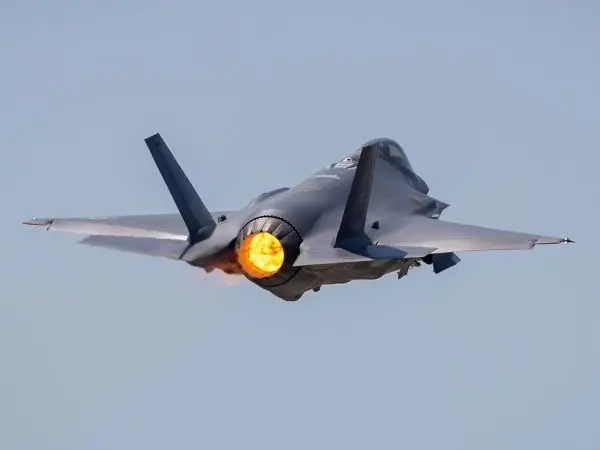)
China may have gained access to US's classified F-35 jets; parts meant for repairs diverted to Hong Kong, sparking Pentagon inquiry
)
NASA research plane reaches 61,000 feet over Panama
)
Godfather of AI Geoffrey Hinton gives US lawmakers a one-year warning on AI
)
Shivakumar attends 79th Kalyana Karnataka Utsav in Kalaburagi
)
Trump signs Russia sanctions law: India faces fresh 100% tariff threat over Russian oil
)
Why Ranveer Singh’s Dhurandhar missed India’s Oscar entry; FFI jury member reveals what happened
)
‘Will go to any extent’: Pakistan vows to defend Saudi Arabia amid Houthi attacks
)
The Verdict | When precision fails: US commits war crime in Minab school strike, UN finds
)
Trump signs Russia sanctions bill into law, targets Moscow’s energy sector
&im=FitAndFill=(700,400))
New Friday OTT releases (September 18, 2026): Lust Stories 3, You+Me, Best of the Best- 8 new titles coming on Netflix, Prime Video and more
)
Fast bowler Brydon Carse faces no charges over Derby nightclub incident
)
Flying cars in UAE: Ras Al Khaimah signs deal with Chinese company to test new transport
)
Africa is splitting, and a lot sooner than estimated, giving way to a new ocean
)
'Gangsta' crab shoves knife blade at man and his dog in Florida - Watch
)
Trump bans CNN, MS NOW and Politico from White House over ‘FAKE NEWS’
)
Trump 2.0: Dark days ahead for America’s ‘imperial presidency’
)
Trump's Greenland dream comes true? POTUS announces 'Infinite Life' deal with Denmark, claims permanent US control
)
Laura Wolvaardt sets new world record for most WT20I runs in a year
)
Drone strikes cooling tower at Russia's Kursk Nuclear Plant, IAEA confirms
)
Who is Khalilur Rahman? All you need to know about 81st UN General Assembly President
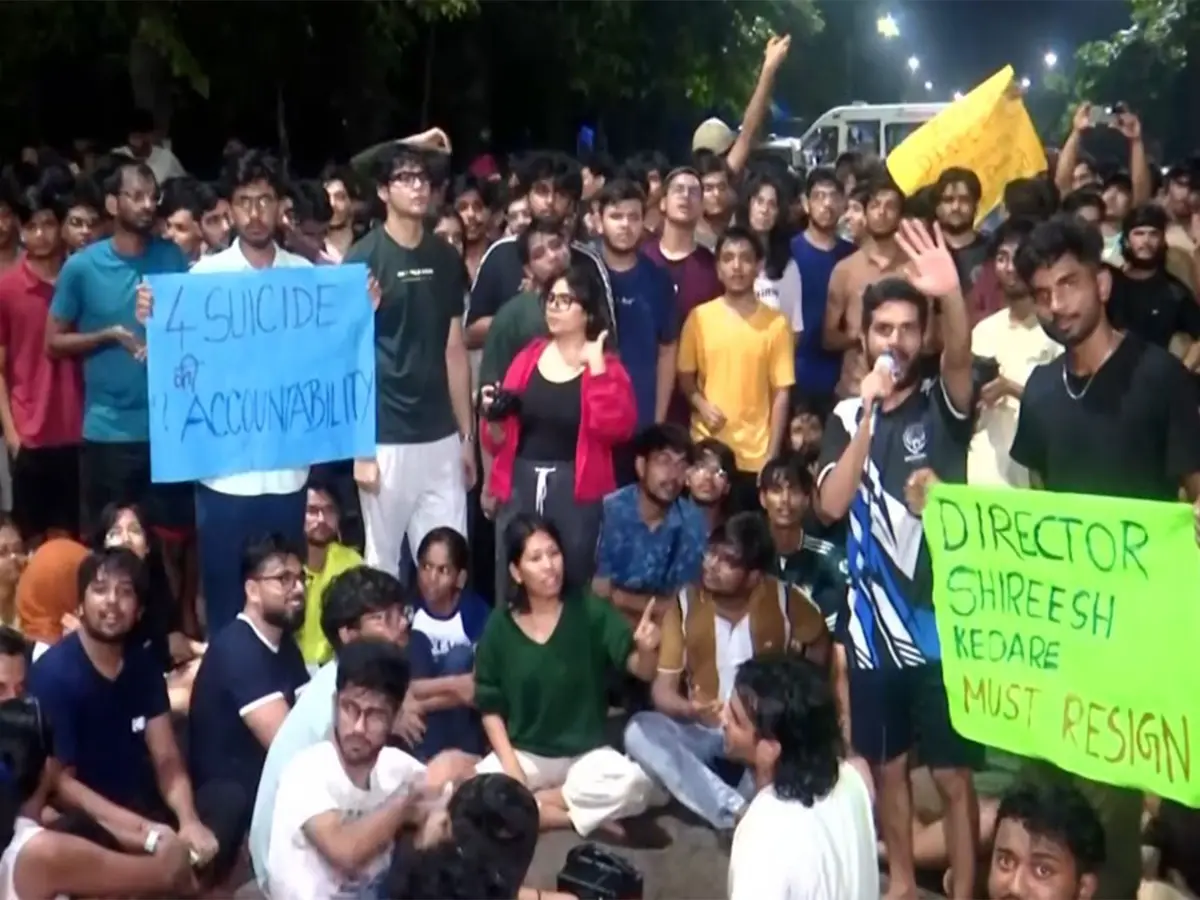)
IIT Bombay student dies by suicide, was caught seeking AI help during exams
&im=FitAndFill=(700,400))
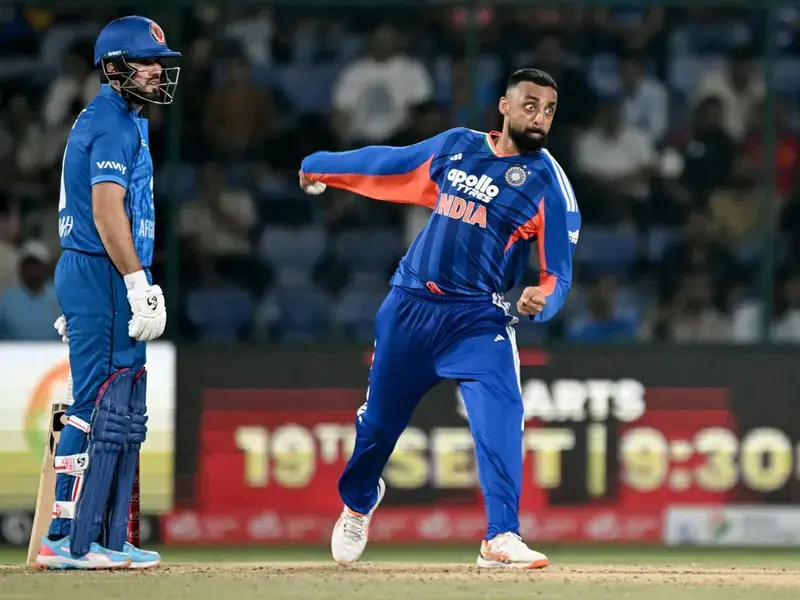
Meet top 5 bowlers in latest ICC T20I rankings
)
Indian Cinema bets big on mythology, brings ancient stories to modern audiences
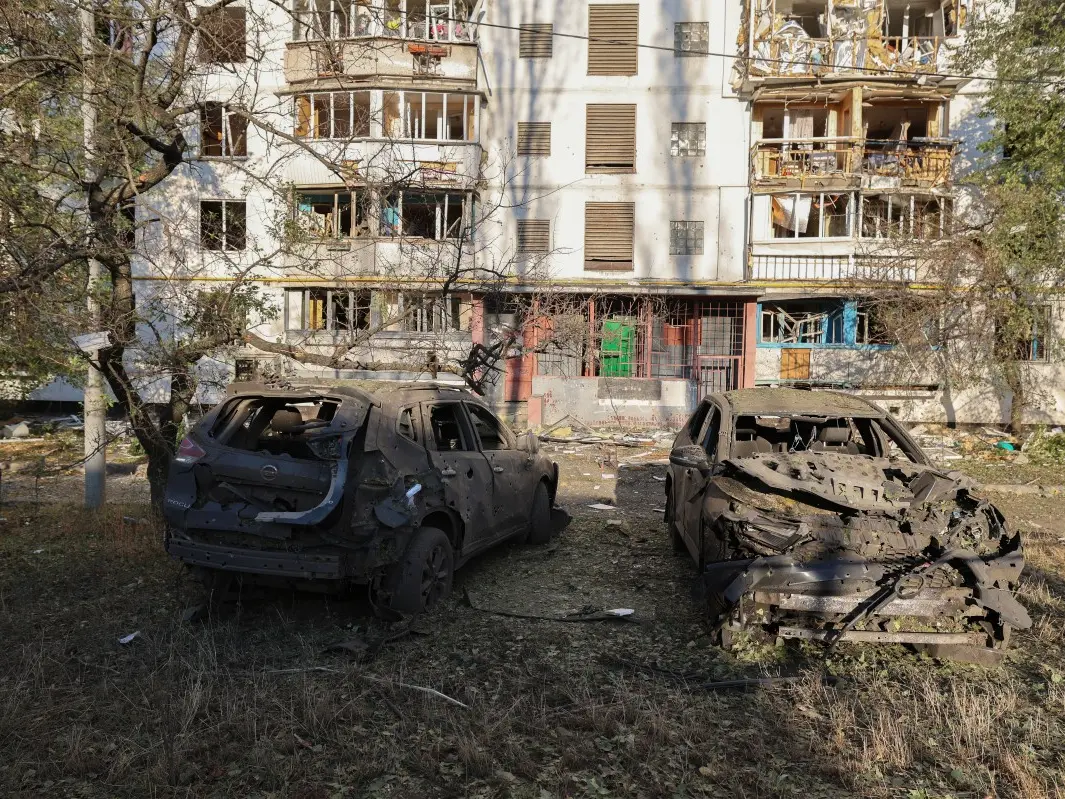)
Ukraine plans record $109 bn defence spending, nearly two thirds of budget amid Russia war
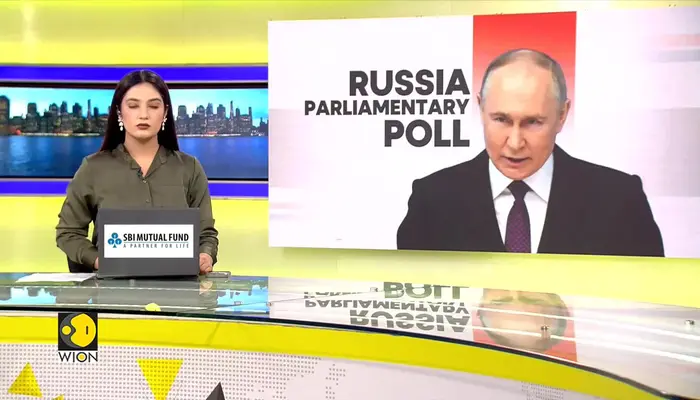)
Russia holds first parliamentary elections since the beginning of the Ukraine war
&im=FitAndFill=(700,400))
Meet top 5 Indian batters with fastest T20I centuries
Al-Zawahiri struggled to win the fighters' hearts and minds. Several intelligence reports claimed that at the time of his appointment, Zawahiri was not unanimously loved, especially from al-Qaeda's regional branches in the Arabic peninsula.
The birth of the Islamic State and its military successes - something that bin Laden never achieved – posed a major challenge to al-Qaeda's leadership in Sunni terrorism. The IS conquered land, cities, oil fields, making the long-awaited dream of a caliphate seemingly closer than ever than ever. Abu Bakr al-Baghdadi, the self-proclaimed caliph, refused to pledge allegiance to al-Qaeda and chose the path of independence. The IS victories and propaganda attracted many fighters from all over the world. Al-Qaeda lost the first place, but did not disappear.
The Syrian conflict turned out to be a blessing for bin Laden's brainchild; the organisation had the chance to renew its energies through its regional branch, the former Jabhat al Nusra front, now known as Jabhat Fateh al-Sham. Thousands of Syrian and foreign fighters from all over the world- even from the Maldives - answered al-Qaeda's call for jihad and moved to Syria to swell al Nusra's ranks, making it a major player in the diversified anti-Assad galaxy. A player, which six years after the beginning of the Syrian war is still significantly on the ground. In April 2016, al Nusra's leader announced their decision to severe their ties with al-Qaeda, but this was probably a strategy to whitewash their reputation and partially overcome mistrust among the local population.
Even if they are two separate entities, the IS and al Qaeda - or their regional affiliates - are not two competing organisations on the ideological and religious level. They are a product of more than two decades of Sunni extremism, terribly wrong US foreign policy choices and considerable Saudi funds.
Al-Qaedatodaymight not be as strong as it was under bin Laden, but six years after his killing theorganisationis still alive and kicking. Thismarksyet anotherabysmalfailure of the so called 'war on terror', which has killed more people than the terrorism itwasmeant to fight.
Al Qaedaplays a significant role in many parts of the world. Other than in the 'traditional' Afghanistan/Pakistan region, Al Qaeda has a presence in Libya, Syria, Yemen and, most importantly, it has recently united under its banner the main localterroristorganisationsactive in northwest Africa.
In March 2017,the Sahel G5 summit decided to form an international anti-terror force focusing on Africa and comprising the armies of Mali, Chad,Burkina Faso,NigerandMauritania.
Themainterroristorganisationsactive in theSahelarea, for instance, AlQaedain the Islamic Maghreb,AnsarEddine,KatibaMacinaandal-Mourabitoun have released a video in which theypledgedallegiance to al-Qaedaand informed to have now united under its banners.
As long as Islamist terrorism continues to be treated mainly as a military problem, it will be very difficult to eradicate it.The battle lies in schools, madrasas, mosques, parliaments and amongsocieties.Sunni extremism derives ideological lifeline fromislamophobia and racist policies.The more the narrative of a 'clash ofcivilisations'is part of the world public discourse, the less the military efforts will turn out to be effective.
Jihadi terroristorganisations have proved tosurvive their leaders, showinga remarkable capability to reinvent themselves andto quickly adapt to evolving contexts and to differentiate their terrains of action.
Men, money, territories are not their pillars.It is thesolid theological approach to governance as well asthe capability to give to their followers a scope and a code of life based onwarwhich keep Jihadi organisationsalive.