Is Trump considering replacing Tulsi Gabbard as intelligence chief? Here's what we know

&imwidth=600&imheight=450&format=webp&quality=medium "Is Trump considering replacing Tulsi Gabbard as intelligence chief? Here's what we know")
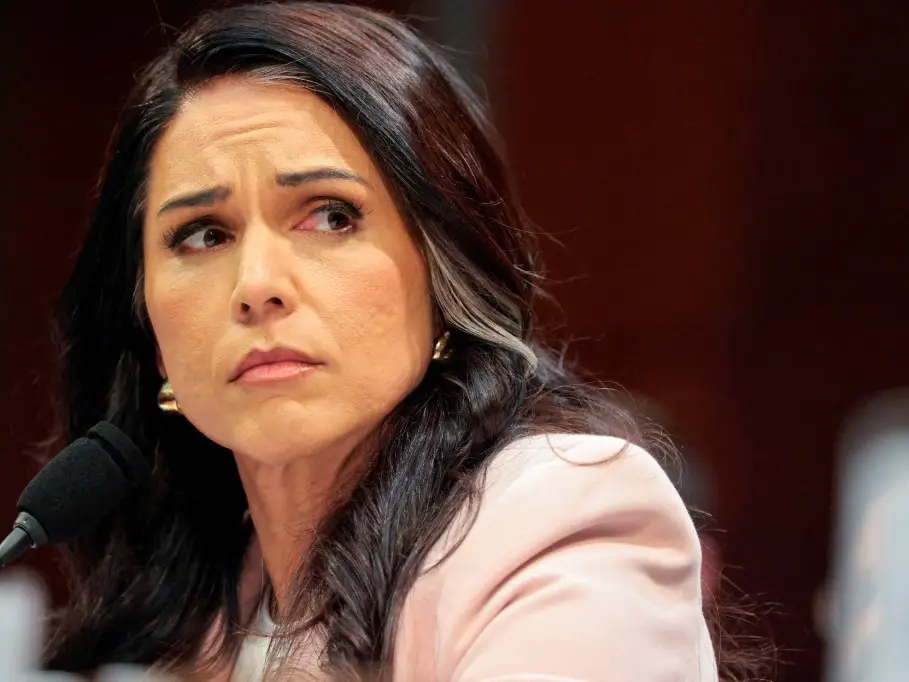
Tulsi Gabbard Photograph: (AFP)
As per reports, Trump weighs replacing Tulsi Gabbard after the Iran dispute and internal tensions, though no clear successor and mixed public support remain
Donald Trump has privately asked cabinet members in recent weeks whether he should replace his director of national intelligence, Tulsi Gabbard, expressing frustration that she shielded a former deputy who undermined his rationale for war with Iran, according to two people familiar with the discussions. It remains unclear whether Trump will actually move to fire Gabbard. There is currently no obvious successor, and advisers have warned that creating a high-profile vacancy without a replacement could lead to unnecessary political distractions.
Still, the conversations signal potential trouble for Gabbard, as Trump often consults advisers when seriously weighing personnel changes. The two sources spoke on condition of anonymity due to the sensitivity of internal discussions.
Trump’s concerns intensified after Gabbard’s testimony at a worldwide threats hearing on Capitol Hill last month. During the hearing, she declined to criticize Joe Kent, who had resigned days earlier after arguing that Iran did not pose an imminent threat to the United States.
Kent’s departure and his criticism of the war had already angered Trump. However, he was particularly frustrated that Gabbard appeared to defend Kent and seemed hesitant to strongly back the administration’s position on striking Iran.
When asked on Sunday whether he still had confidence in Gabbard’s leadership, Trump gave a mixed response. “Yeah, sure,” he said aboard Air Force One. “I mean, she’s a little bit different in her thought process than me, but that doesn’t make somebody not available to serve.”
Trending Stories
&imwidth=280&imheight=210&format=webp&quality=medium)
&imwidth=280&imheight=210&format=webp&quality=medium)
&imwidth=280&imheight=210&format=webp&quality=medium)
&imwidth=280&imheight=210&format=webp&quality=medium)
&imwidth=280&imheight=210&format=webp&quality=medium)
&imwidth=280&imheight=210&format=webp&quality=medium)
&imwidth=280&imheight=210&format=webp&quality=medium)
&imwidth=280&imheight=210&format=webp&quality=medium)
&imwidth=280&imheight=210&format=webp&quality=medium)
&imwidth=280&imheight=210&format=webp&quality=medium)
&imwidth=280&imheight=210&format=webp&quality=medium)
&imwidth=280&imheight=210&format=webp&quality=medium)
&imwidth=280&imheight=210&format=webp&quality=medium)
&imwidth=280&imheight=210&format=webp&quality=medium)
&imwidth=280&imheight=210&format=webp&quality=medium)
&imwidth=280&imheight=210&format=webp&quality=medium)
&imwidth=280&imheight=210&format=webp&quality=medium)
&imwidth=280&imheight=210&format=webp&quality=medium)
&im=FitAndFill=(700,400)&imwidth=280&imheight=210&format=webp&quality=medium)
&imwidth=280&imheight=210&format=webp&quality=medium)
&imwidth=280&imheight=210&format=webp&quality=medium)
&im=FitAndFill=(700,400)&imwidth=280&imheight=210&format=webp&quality=medium)
&imwidth=280&imheight=210&format=webp&quality=medium)
&imwidth=280&imheight=210&format=webp&quality=medium)
&imwidth=280&imheight=210&format=webp&quality=medium)
&imwidth=280&imheight=210&format=webp&quality=medium)
&imwidth=280&imheight=210&format=webp&quality=medium)
&imwidth=280&imheight=210&format=webp&quality=medium)
&imwidth=280&imheight=210&format=webp&quality=medium)
&imwidth=280&imheight=210&format=webp&quality=medium)
&imwidth=280&imheight=210&format=webp&quality=medium)
&imwidth=280&imheight=210&format=webp&quality=medium)
&im=FitAndFill=(700,400)&imwidth=280&imheight=210&format=webp&quality=medium)
&imwidth=280&imheight=210&format=webp&quality=medium)
&imwidth=280&imheight=210&format=webp&quality=medium)
&imwidth=280&imheight=210&format=webp&quality=medium)
&imwidth=280&imheight=210&format=webp&quality=medium)
White House spokesperson Steven Cheung defended Gabbard, stating: “As President Trump just said in his remarks, he has confidence in Director Gabbard and the tireless work she is doing. He has assembled the most talented and impactful cabinet ever, and they have collectively delivered historic victories on behalf of the American people.”
During his second term, Trump has generally avoided outright dismissals, instead reassigning officials he sees as liabilities. Recently, Kristi Noem was moved from homeland security secretary to a lesser role as a State Department envoy. Officials acknowledge that Gabbard’s role has been challenging, often involving difficult balancing acts within the intelligence community. She has also struggled at times to define her position as director of national intelligence.
Her controversial testimony aligned with her long-standing opposition to U.S. involvement in foreign wars and her previous stance that presidents cannot legally authorize pre-emptive military strikes. The remarks were reportedly coordinated with the CIA ahead of the hearing, and she has been actively supporting White House efforts regarding Iran. Gabbard has also gained favour with Trump at times, including for producing a report claiming that Russia did not attempt to boost Trump’s 2016 campaign, contradicting earlier congressional findings.
“Over the past two weeks, President Trump said both that he has confidence in the DNI and that she did well at her hearings before Congress. She remains committed to fulfilling the responsibilities the president placed in her,” said Olivia Coleman, a spokesperson for Gabbard. Despite this, Gabbard has faced several criticisms. Last June, Trump was reportedly annoyed by a video she recorded warning about nuclear war after visiting Hiroshima, believing it could alarm the public unnecessarily.
He also publicly contradicted her after she testified that Iran had not decided to build a nuclear bomb. “She’s wrong,” Trump said before authorizing strikes on Iranian nuclear facilities at Fordow, Isfahan, and Natanz. Tensions escalated further when Gabbard revoked security clearances for 37 individuals, including congressional aides, before the White House had reviewed the decision. Her allies later accused the CIA of attempting to create grounds for her removal, prompting the White House to step in and de-escalate the situation.

