Global energy body to release 400 million barrels of oil from reserves as West Asia war triggers energy crisis

&imwidth=600&imheight=450&format=webp&quality=medium "Global energy body to release 400 million barrels of oil from reserves as West Asia war triggers energy crisis")
Photograph: (AFP)
The announcement hasn't translated into a cooling of oil prices, which still hover around $100 per barrel, the highest since 2022 and significantly higher than $70 before the start of the war.
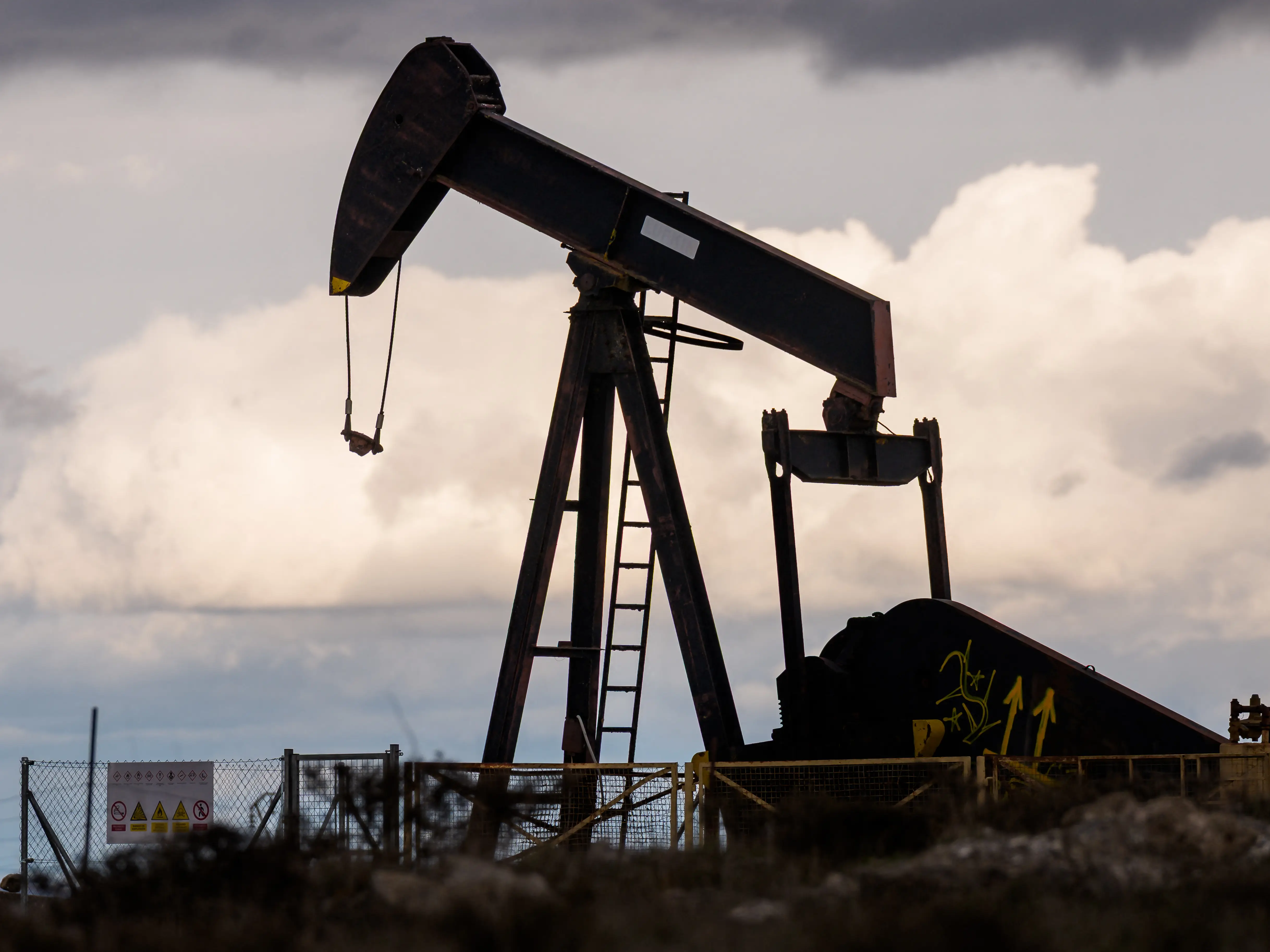
International Energy Agency (IEA) on Sunday (March 15) said strategic oil reserves will be released in Asia and Oceania "immediately" and as early as the end of March in America and Europe as the war in West Asia triggered a sharp rise in crude prices, forcing several countries to take emergency measures like rationing and prioritisation of gas and oil.
The announcement comes after IEA member countries on March 11 agreed to release oil stockpiles to mitigate the sharp surge in oil prices caused by the escalating conflict in West Asia, marking the largest-ever response of its kind.
"Individual implementation plans have been submitted to the IEA by member countries. These plans indicate that stocks will be made available by IEA member countries in Asia Oceania immediately," said the agency.
"Stocks from IEA member countries in the Americas and Europe will be made available starting from the end of March," it added.
According to the IEA, the total release amounts to more than 400 million barrels of reserve oil. Of this, governments have committed to make around 271.7 million barrels from their stocks, while industries pledged 111.6 million and 23.6 million from other sources.
Such measures are termed an emergency stockpile release, the sixth such in the history of the global energy body and the first since the start of the Russia-Ukraine war in 2022.
Trending Stories
)
)
)
)
&im=FitAndFill=(700,400))
)
)
)
)
)
)
)
)
&im=FitAndFill=(700,400))
)
&im=FitAndFill=(700,400))
)
)
)
&im=FitAndFill=(700,400))
)
)
&im=FitAndFill=(700,400))
)
)
&im=FitAndFill=(700,400))
)
)
&im=FitAndFill=(700,400))
)
However, the announcement hasn't translated into a cooling of oil prices, which still hover around $100 per barrel, the highest since 2022 and significantly higher than $70 before the start of the war.
The IEA stressed that "the most important factor in ensuring a return to stable flows is the resumption of regular transit of shipping through the Strait of Hormuz," adding that "adequate insurance mechanisms and physical protection for shipping are key to the resumption of flows."
Western economies coordinate their strategic oil stockpiles through the IEA, which was formed in 1974 after the oil crisis and now has 33 full members and 13 associate countries, including India and China.
These developments come after Iran has effectively blocked the Strait of Hormuz since the beginning of the war on February 28, triggered by joint US-Israeli strikes targeting the top leadership of Iran, assassinating Supreme Leader Ayatollah Ali Khamenei on the opening day of the military campaign.
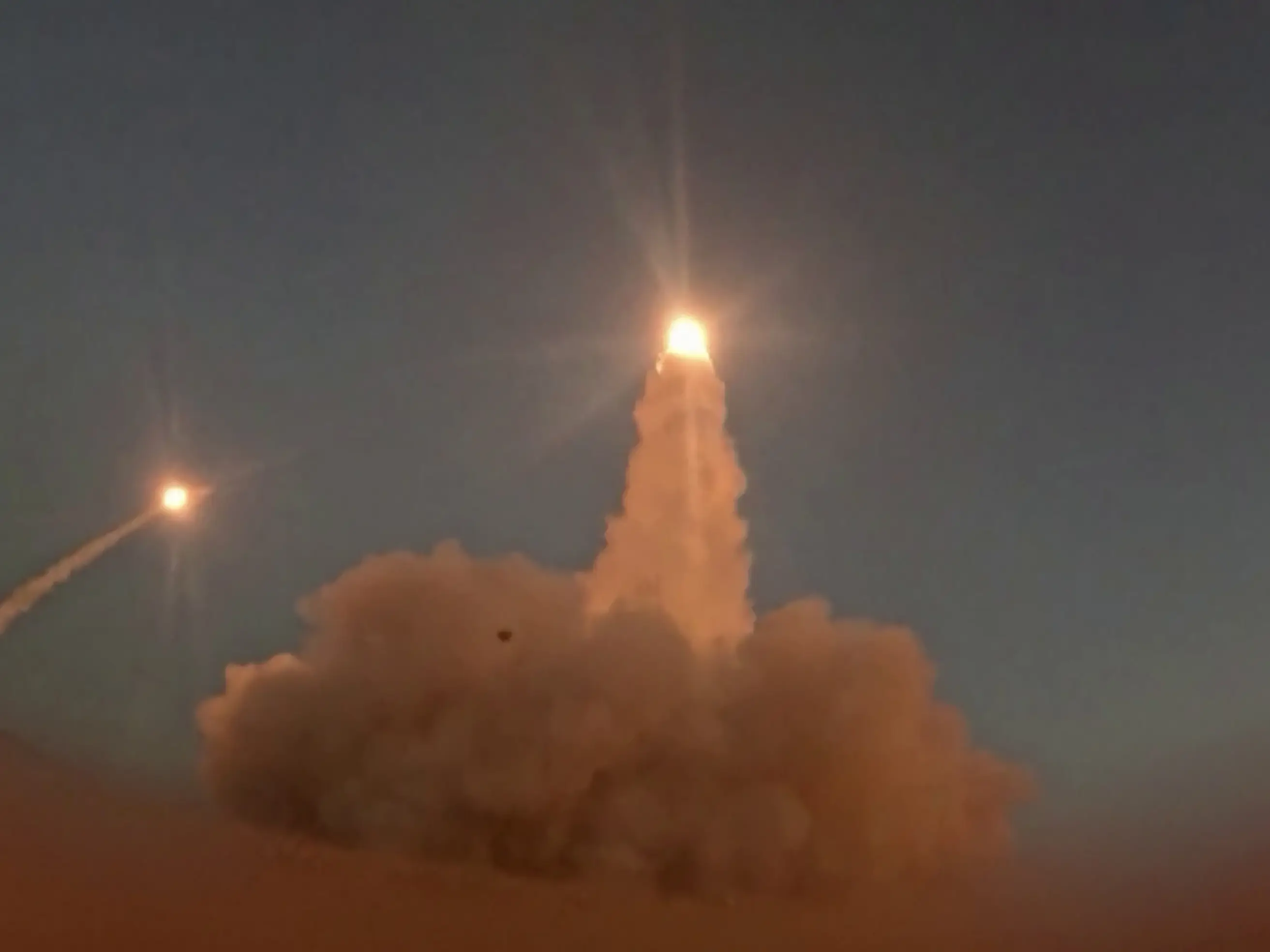
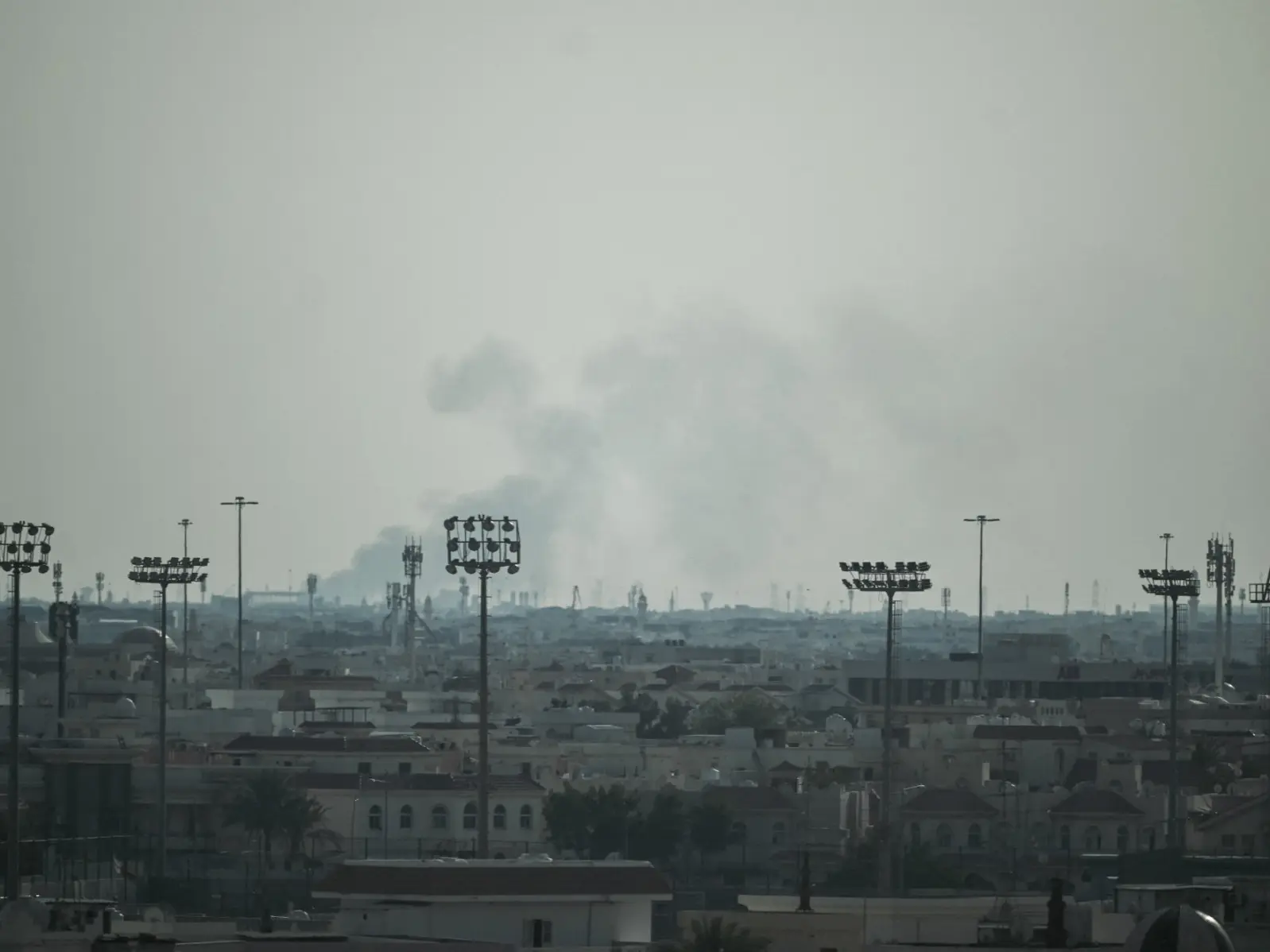
In retaliation, Iran launched missile and drone attacks on US bases across the region. It announced the effective closure of the Strait, which accounts for nearly 20 per cent of global oil shipping, leading to a sharp rise in energy prices, with crude crossing $100 per barrel.
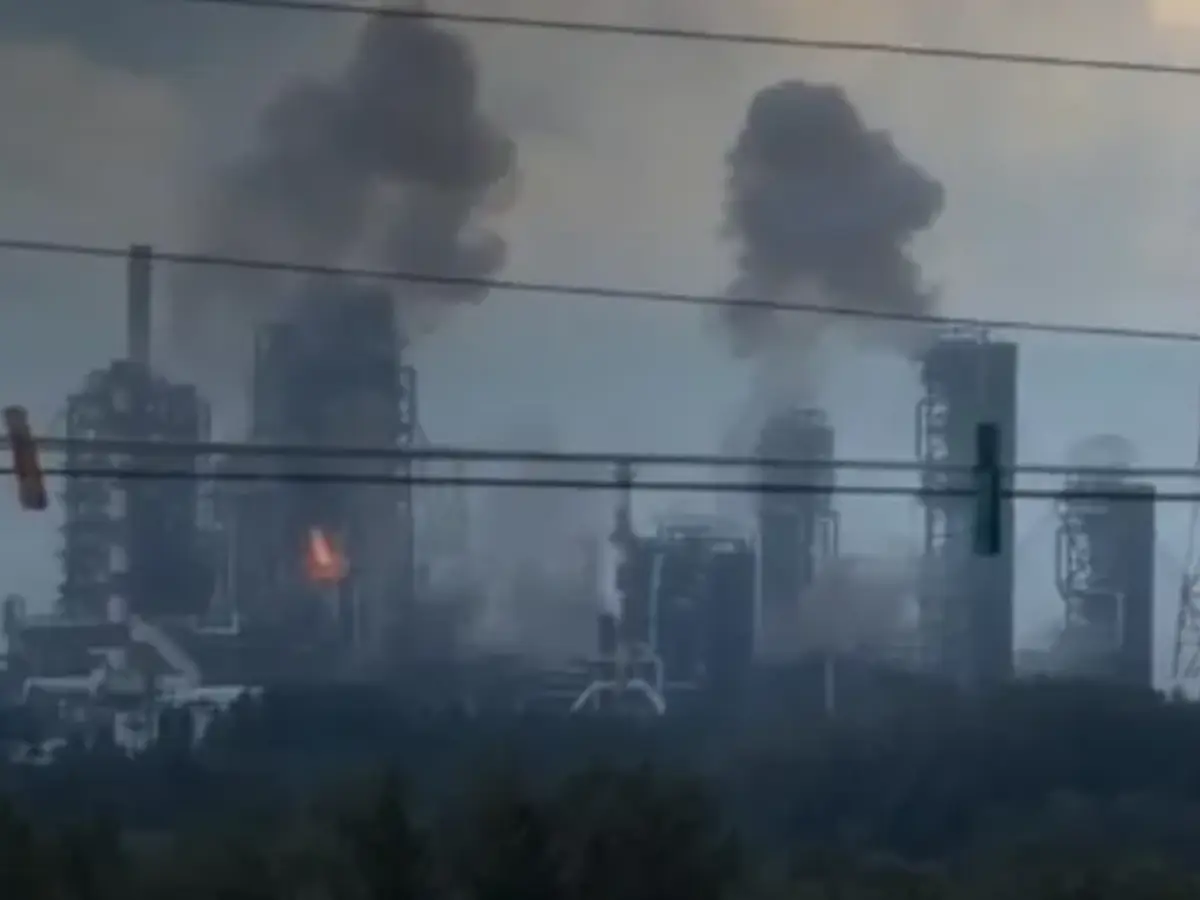
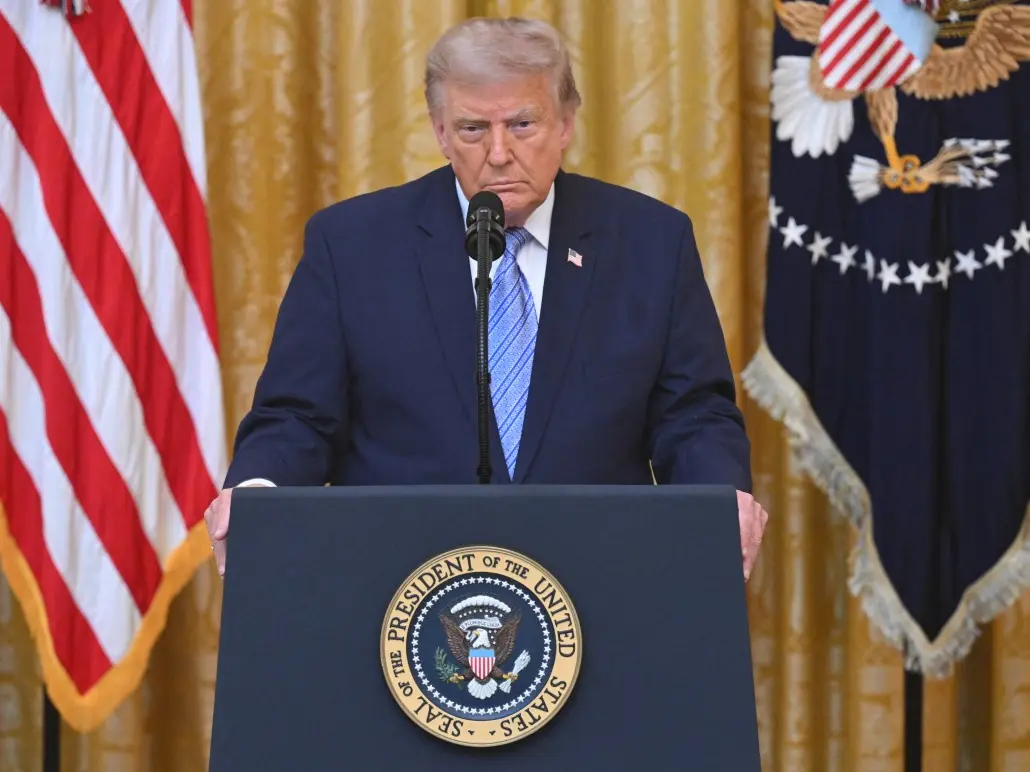
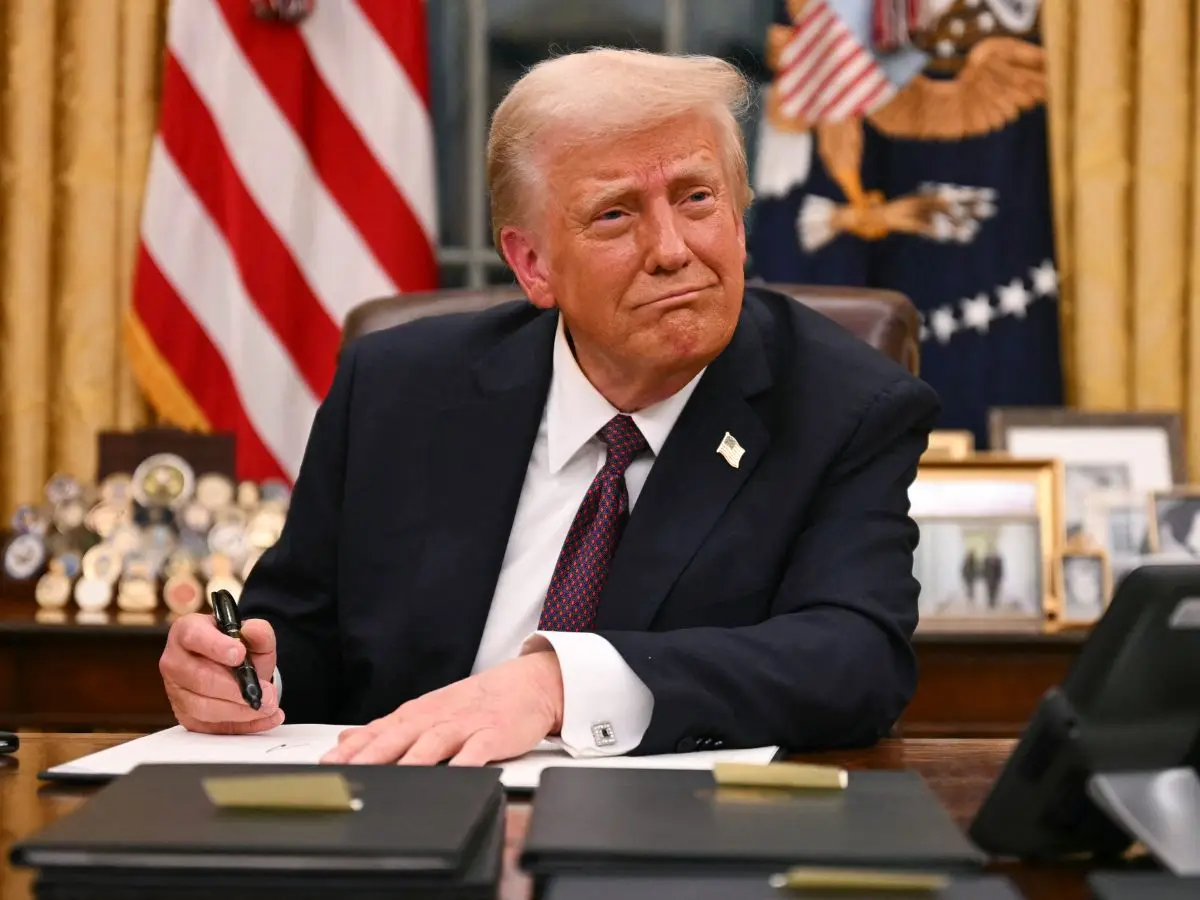
US President Donald Trump is facing mounting domestic and international pressure as the conflict in West Asia triggered a global energy shock. He urged multiple countries, including China, France, South Korea and the UK to send warships to reopen the strait following a US military strike on Kharg Island, Iran's critical oil export hub, to push Tehran to reopen the Strait of Hormuz.
(Disclaimer: WION takes utmost care to accurately and responsibly report ongoing conflicts in West Asia involving Israel, Iran, US, Gulf nations and non-state actors like Hezbollah, Hamas, Houthis, Islamic State, and others. Claims and counterclaims, disinformation and misinformation are being made online and offline. Given this context, WION cannot independently verify the authenticity of all statements, social media posts, photos and videos.)