
&imwidth=800&imheight=600&format=webp&quality=medium "G7 Summit: Are global economic blocks G7 and BRICS rivals or necessary partners? WION Decodes")
The G7 (Group of Seven) summit is going to be held in the French town of Evian-les-Bains next week (June 15-17). The intergovernmental political and economic forum consisting of Canada, France, Germany, Italy, Japan, the United Kingdom, and the United States, plus the European Union - a non-enumerated member - will meet to coordinate global policies on macroeconomics, security, and technology.
Unlike other formal organisations, the G7 does not have a permanent secretariat or physical headquarters and the leadership rotates annually among the member states. The political agenda of the summit is decided by the host nation.
The G7 members that comprise of Canada, France, Germany, Italy, Japan, the United Kingdom, and the United States have a collective GDP that is the highest total among global economic groups.

The group's focus is largely on areas related to trade, security, economics, and climate change.
Established in the wake of 1973 energy crisis, G7 has become a more formal, prominent venue to address major global issues and not just financial challenges. It plays an important role in upholding freedom, democracy and human rights in the international arena.
The member states are not the only participants in the summit but also States and International Organizations invited by the Presidency.
Trending Stories
)
9-year-old Chennai prodigy clears Cambridge IGCSE grade 10 exams
)
BRICS Summit 2026: Top world leaders in New Delhi; West Asia war casts shadow on BRICS Summit
)
BRICS Summit: China resumes Guangzhou-New Delhi flight, issues 'good-neighbourliness' remark ahead of Xi-Modi meet
)
Houthis vs Saudi Arabia: East-west oil pipeline shut after drone attacks from Iraq
)
Years before 9/11, CIA warned Clinton, Bush of 'explosive-packed airplane attack': What newly released files reveal
)
IND vs AFG, 1st T20I: When and where to watch live streaming in India?
)
South Africa batter Jordan Hermann hits highest individual score on ODI debut
)
BRICS Summit 2026: South Africa says it will use the summit to advance its economic priorities
)
BRICS Summit 2026: Iran's Pezeshkian praises PM Modi at BRICS
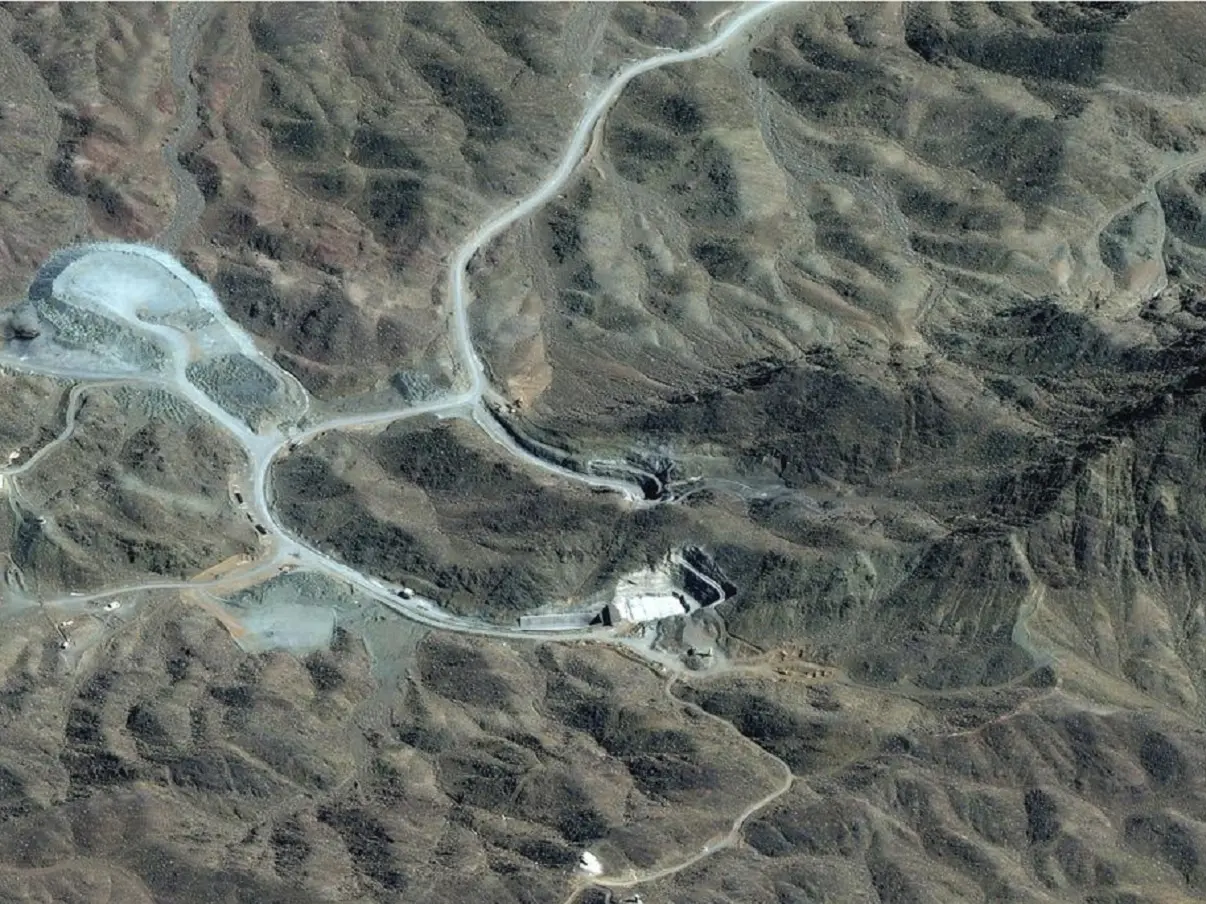)
Satellite images show construction surge at Iran’s Pickaxe nuclear site amid US war
)
BRICS summit: India faces delicate Iran-UAE diplomatic test
)
800 million years old - Scientists discover 'fingerprints' of supercontinent Gondwana in ancient rocks
)
Did you know THIS actor narrowly escaped the 9/11 terror attacks due to a last-minute change of travel plans?
)
Baba Vanga's first prophecy for 2027 is out, and straight out of science fiction
)
Lady Gaga is a mom! Oscar-winning singer welcomes first child with fiance Michael Polansky
)
Saudi Arabia shuts East-West oil pipeline, key Hormuz bypass, after attacks
)
BRICS Summit 2026: 30+ countries seek BRICS membership
)
Karthik Subbaraj’s Dorothy gets a standing ovation at TIFF world premiere
)
Gravitas | Iran hammers US air power in West Asia after Navy badly hit
)
Satya Niketan horror: Who is responsible?
)
WION Expertspeak: Understanding India's BRICS presidency amid wars, trade tensions and global turmoil
)
Israel spent nearly $470,000 on PM's hair, makeup since 2019, data shows
)
North Korea fires missiles after US, South Korea and Japan military drills but America says 'does not pose immediate threat'
)
Vladimir Putin in New Delhi for BRICS Summit: Russia-India defence, energy and nuclear ties in focus ahead of meeting with PM Modi
&im=FitAndFill=(700,400))
New Friday OTT releases (September 11, 2026): The Revolutionaries, Vishwanath & Sons, Ghamasaan- 6 new titles coming on Netflix, Prime Video and more
)
Frustrated man demolishes his kitchen after thousands flock to see Mother Mary his wife spotted on the wall
)
BRICS Summit 2026: Rivals in West Asia, partners in BRICS, UAE, Iran, and Saudi delegations in Delhi
)
After praising Modi, Pezeshkian meets Indian religious leaders, Hurriyat's Mirwaiz Umar Farooq
)
Delhi's top luxury hotels turn into high-security fortress hubs for BRICS 2026 delegations
)
In first of its kind, Trump admin deports Afghan woman via Alien Terrorist Court
)
BRICS Summit 2026: PM Modi meets Malaysia, Ethiopia leaders; defence ties, trade in focus
)
Osama Bin Laden's son ALIVE? Al-Qaeda releases video 7 years after US declared him dead
To widen participation and integrate diverse perspectives into its decision-making process, the G7 has established civil society’s Engagement Groups that bring together representatives from various sectors like research, science and culture.
The G7 has over the years continued to expand and address a wide array of global issues.
The BRICS coalition and its agenda
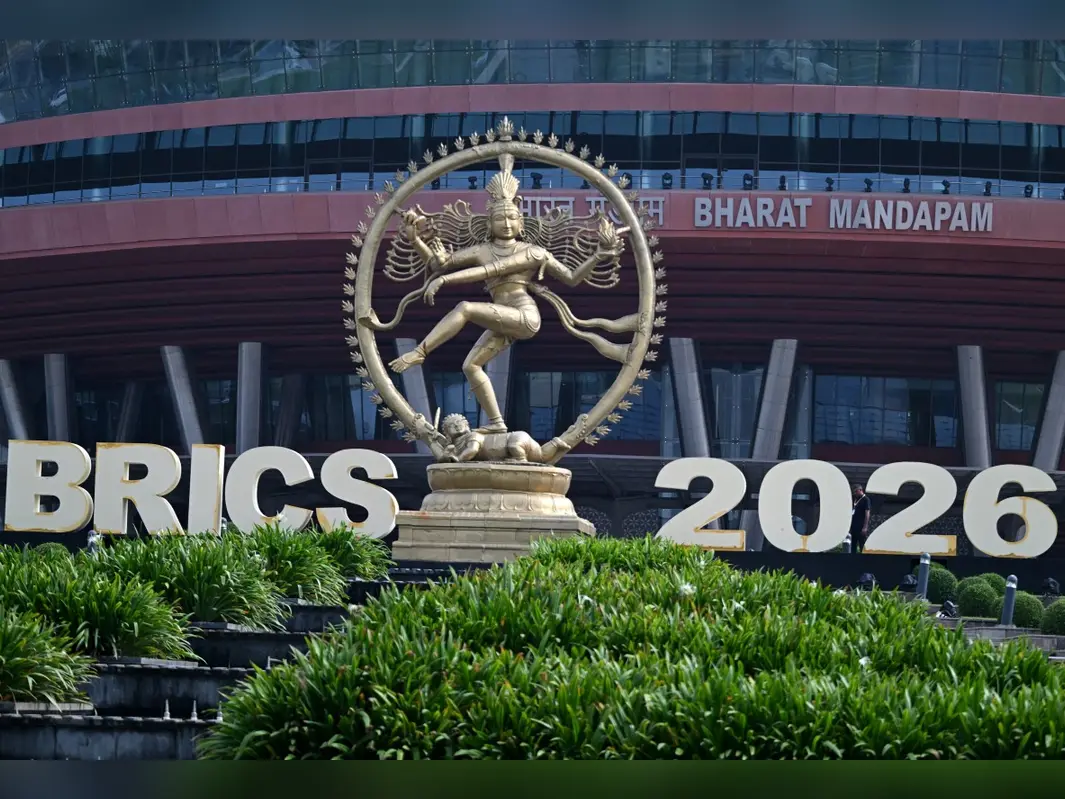
Another global forum that has grown in strength over the years is the BRICS that currently comprises eleven full member countries: Brazil, Russia, India, China, South Africa, Egypt, Ethiopia, Iran, Saudi Arabia, UAE, and Indonesia.
It represents about 55% of the global population (led by China and India), while G7 nations account for only about 10% of the world's population.
BRICS economies are growing significantly faster, with an average growth rate projected around 3-4 percent compared to 1 to 1.7 percent of the G7 economies that are advancing at a slower rate.
But the collective Gross Domestic Product (GDP) of G7 countries is the highest among global economic groups.
BRICS' main agenda is to increase Global South influence in international governance and foster economic cooperation. The group dominates in population, resource production, and raw economic growth, while G7 is focused on nominal wealth, advanced technology, and post-WWII financial alignment.
And though G7 dominates global financial markets, high-tech research and development, BRICS countries like Russia, Iran and UAE have a vast share of the world's natural resources, particularly energy.
BRICS members are actively working to challenge Western financial hegemony by trying to develop alternative payment systems to bypass US dollar dominance.
However, both, G7 and BRICS posses immense global influence as they represent significant portions of the world's economy and population.
