Federal judge temporarily halts Trump’s birthright citizenship order

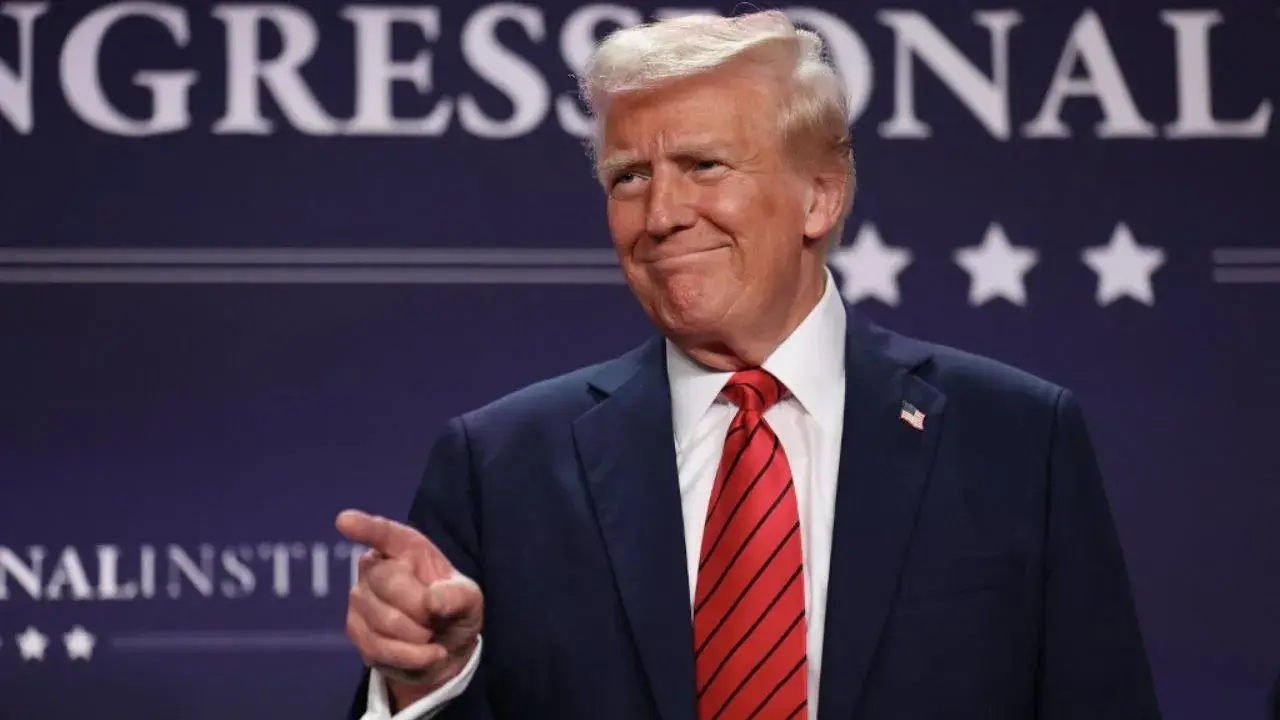
World: A federal judge has issued a second temporary block on Trump's executive order aiming to end birthright citizenship for children of undocumented immigrants in the US.
A federal judge on Wednesday (Feb 5) ordered a second temporary pause on Donald Trump’s executive order that sought to end birthright citizenship for children of undocumented and temporary immigrants born in the US.
US district judge Deborah Boardman said no court in the country had endorsed the Trump administration’s interpretation of the 14th Amendment. “This court will not be the first,” she said.
Donald Trump's executive order, issued during his inauguration week, was put on hold nationwide due to a lawsuit filed by four states in Washington.
“Blatantly unconstitutional”
A judge deemed the order "blatantly unconstitutional." This legal challenge is just one of many, as a total of 22 states and various organisations have taken legal action to block the executive order.
Trending Stories
&im=FitAndFill=(700,400))
)
)
)
)
&im=FitAndFill=(700,400))
)
)
)
)
)
)
)
)
)
)
)
&im=FitAndFill=(700,400))
)
)
)
)
)
&im=FitAndFill=(700,400))
)
)
)
)
)
&im=FitAndFill=(700,400))
)
)
)
Boardman, nominated by former president Joe Biden, agreed to the preliminary injunction after a hearing in federal court in Greenbelt, Maryland. This decision comes after a lawsuit was filed by immigrant-rights advocacy groups Casa and the Asylum Seeker Advocacy Project, along with several expectant mothers.
Birthright citizenship is protected by Supreme Court precedent, Boardman said in her judgment, and she found it “very likely” the plaintiffs would succeed in their case as Trump’s order “conflicts with the plain language of the 14th Amendment.”
The Trump administration asserts that children of noncitizens are not “subject to the jurisdiction” of the United States and therefore not entitled to citizenship.
“The Constitution does not harbour a windfall clause granting American citizenship to, inter alia: the children of those who have circumvented (or outright defied) federal immigration laws,” the government argued in reply to the Maryland plaintiffs’ suit.
The 14th Amendment
The 14th Amendment was added in the aftermath of the US Civil War to ensure citizenship for formerly enslaved people and free African Americans. It states: “All persons born or naturalized in the United States and subject to the jurisdiction thereof, are citizens of the United States and of the State wherein they reside.”
In a significant development, 18 Republican attorneys general have announced their intention to defend President Trump's order by joining a federal lawsuit in New Hampshire. This move comes as 22 states with Democratic attorneys general are actively seeking to block the order.
(With inputs from agencies)