
&imwidth=800&imheight=600&format=webp&quality=medium "‘Trump Always Chickens Out’? Not really: US president is winning this trade war - Here’s how US raked in $50 BILLION as world backed down")
US President Donald Trump entered his second term with a powerful economic weapon: tariffs. Despite delays and repeated threats that earned him the nickname “TACO” (Trump Always Chickens Out), the policy has brought in nearly $50bn in extra customs revenues and left most trading partners on the back foot and in fear of striking back.
US customs revenue hits record high
According to figures released by the US Treasury, the United States collected $64bn in customs duties during the second quarter of 2025, a $47bn increase from the same period last year. This follows four months of heightened tariffs imposed under Trump’s economic agenda. While the trade war Trump initiated has faced threats of retaliation, only two countries, China and Canada, have retaliated so far.

Why are most countries holding back against in Trump's trade war?
As per economists, the reason for limited retaliation is that the US remains the centre of the global trade system. Trump’s threats of even higher tariffs and potential damage to trade relationships have left many nations opting to negotiate rather than retaliate. The European Union, for instance, has delayed counter-tariffs multiple times, instead linking their response to an August 1 deadline for talks. Even Canada, despite initial pushback, has scaled back its retaliatory approach. Mexico, the US’s biggest trading partner, declined to retaliate entirely, with President Claudia Sheinbaum saying she wants negotiation over confrontation.
Trending Stories
)
Justice eludes Air India 1985 bombing victims as Canada probe goes 'inactive' | Gravitas
)
Trump revives India-Middle East-Europe economic corridor as India emerges central to West Asia’s future: What is it?
)
Erdogan again raises Kashmir issue at UNGA, calls for dialogue under UN Charter
)
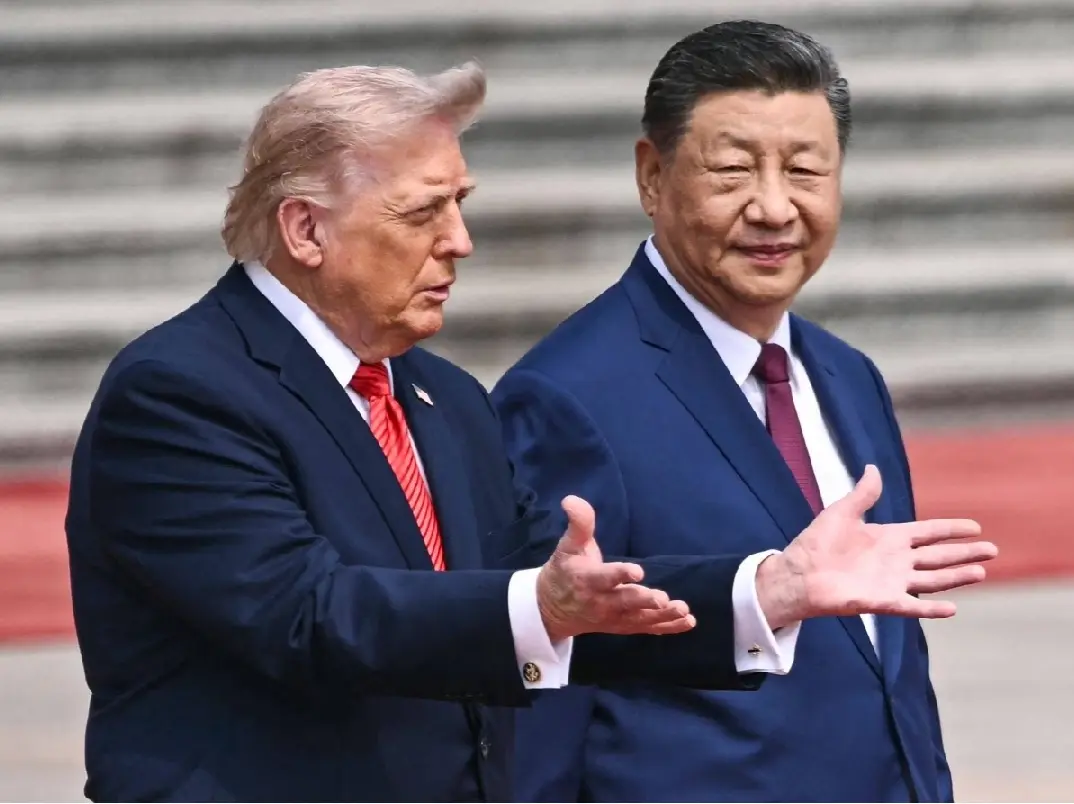
Will Trump-Xi set the tariff benchmark?
)
Trump signs Greenland security deal with Denmark, paving way for two new US military bases
)
IND vs JPN T20I: How an overturned wide became point of difference between India's win and a tie
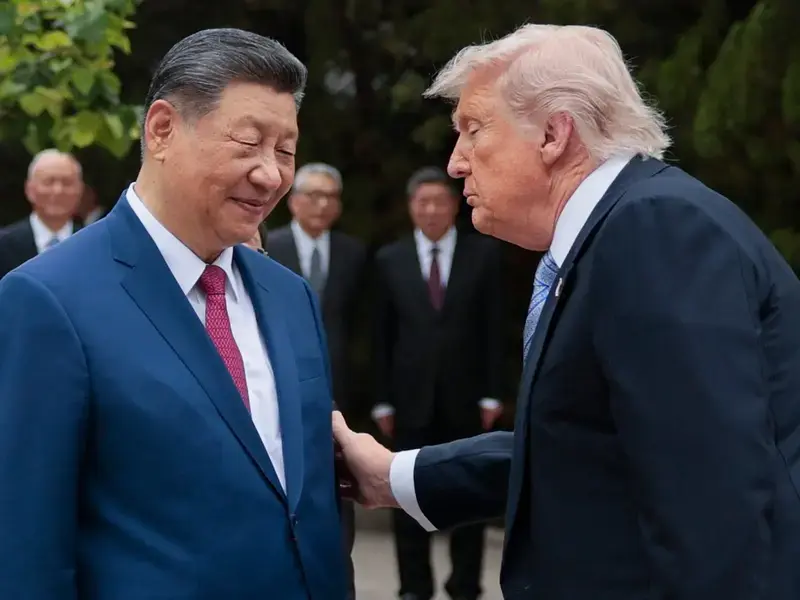)
Trump-Xi summit: From trade to Taiwan, what will the US and Chinese presidents discuss in Washington?
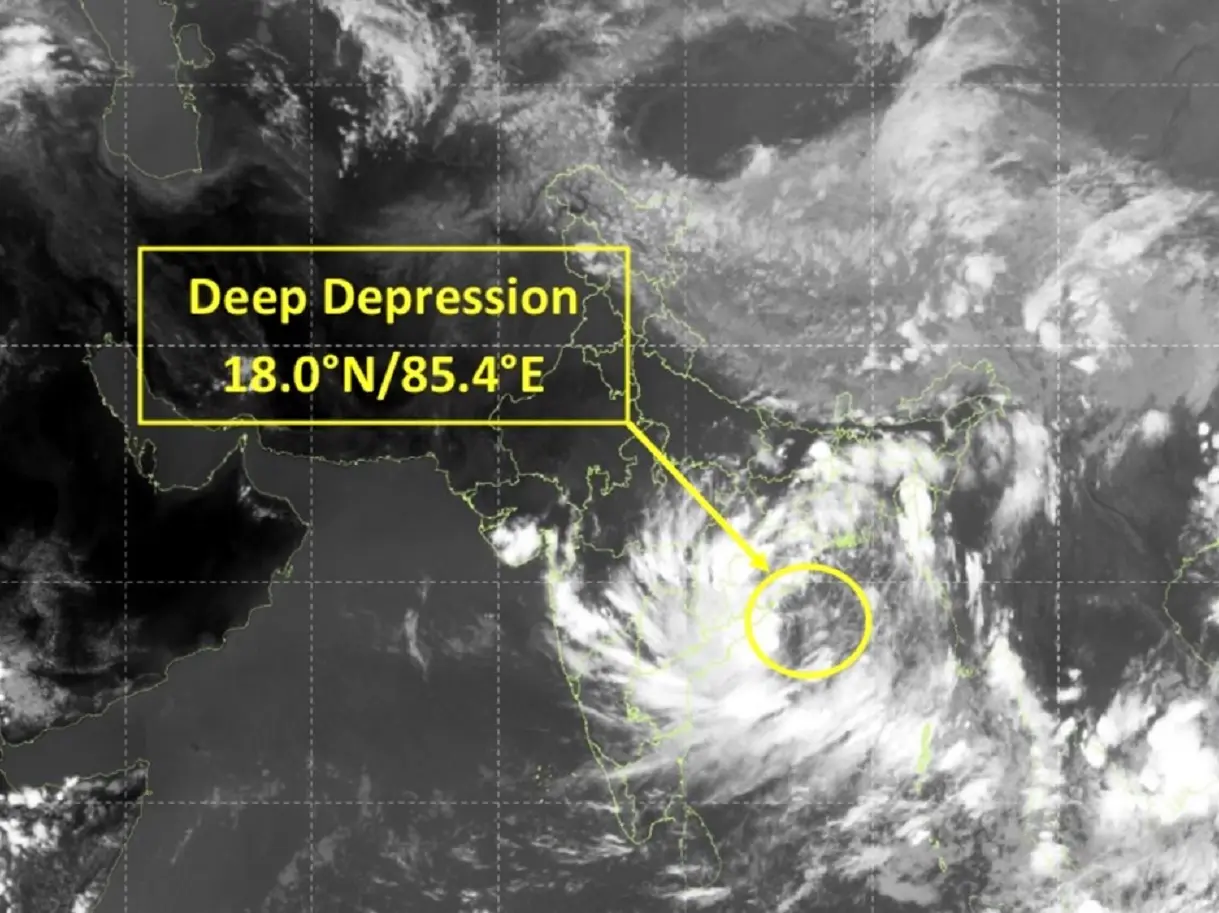)
Cyclone Arnab: Landfall expected before midnight tomorrow as IMD issues orange alerts across six states
)
ICC plans T20I expansion and fewer ODIs in 2027–2031 FTP cycle: Report
)
US-China tech war: Businesses in the front line
)
'Mumma’s boy from Gwalior who dared to dream': Kartik Aaryan pens long note after first National Award win
)
Gravitas | Boosting NHS productivity could save 20,600 lives in UK annually: Report
)
Nor'easter could batter 13 US states this week. What you should know
)
US and China vie for AI dominance as calls grow for regulation | Gravitas
)
Yemen clashes kill 154 people in two days as cornered Saudi battles Houthi offensive | Gravitas
)
Bomb scare in New York amid UNGA: Suspicious suitcase found near UN headquarters
)
IND vs JPN, one-off T20I: Japan captain Kendel on pushing India to the brink - ‘It was special’
)
Mikel Arteta verbally agrees to three-year extension with Arsenal after title-winning Premier League season
)
WION Iconic Tourism Summit and Awards 2026: Key voices to discuss India’s tourism future
)
WION Iconic Tourism Summit and Iconic Awards 2026: India's travel economy leaders gather in Delhi
&im=FitAndFill=(700,400))
New OTT releases this week (September 21-27, 2026): Shaque: Trust No One, Hunkkaar, Don’t Be Shy- 5 new titles coming to Netflix, Prime Video and more
)
81st UN General Assembly: Burnham announces UK-US AI defence tie-up
)
Trump calls on nations to quit ‘rogue’ and ‘out-of-control’ International Criminal Court, rips UN
)
Infections transmitted from pregnant woman linked to autism risk
)
'What kind of confession is this?': Pakistan PM Shehbaz Sharif’s 'terrorists would be roaming New York' remark goes viral, raises alarm online. Watch
)
Elephants hide behind trees, stage surprise attack on poachers targeting rhinos in South Africa
)
IIT Bombay professor Suryanarayana Doolla sent on leave amid Sahil Wakode death probe
&im=FitAndFill=(700,400))
National Film Awards 2026: Kartik Aaryan, Mammootty, Yami Gautam, Randeep Hooda and other key winners
)
‘Strike a deal or drive Iran into hell’: Trump issues fresh warning to Tehran at UNGA
)
Anne Hathaway to run in supporting race for Nolan's epic
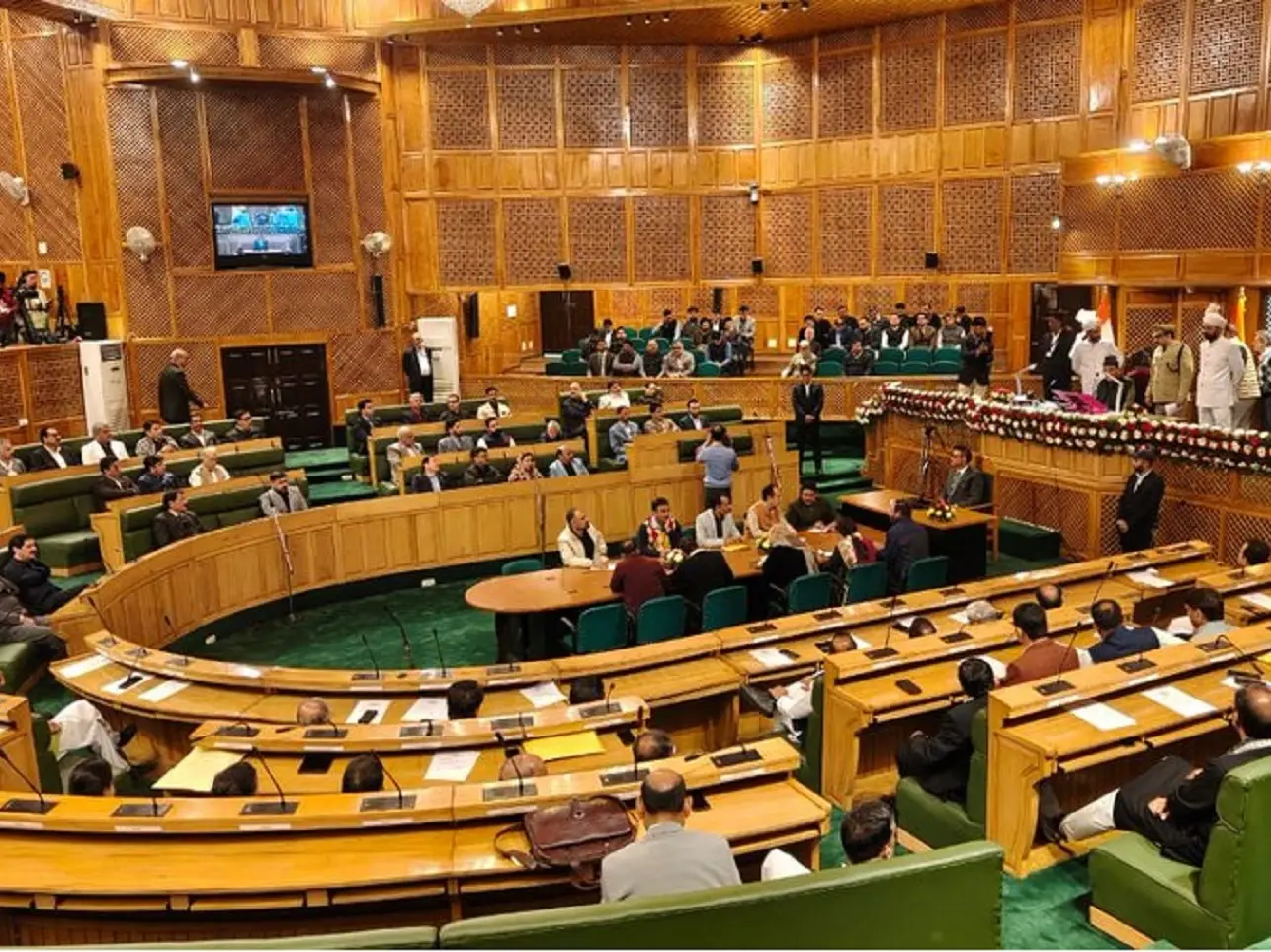)
Over 4,200 books withdrawn from circulation in J&K colleges, 94% from Kashmir
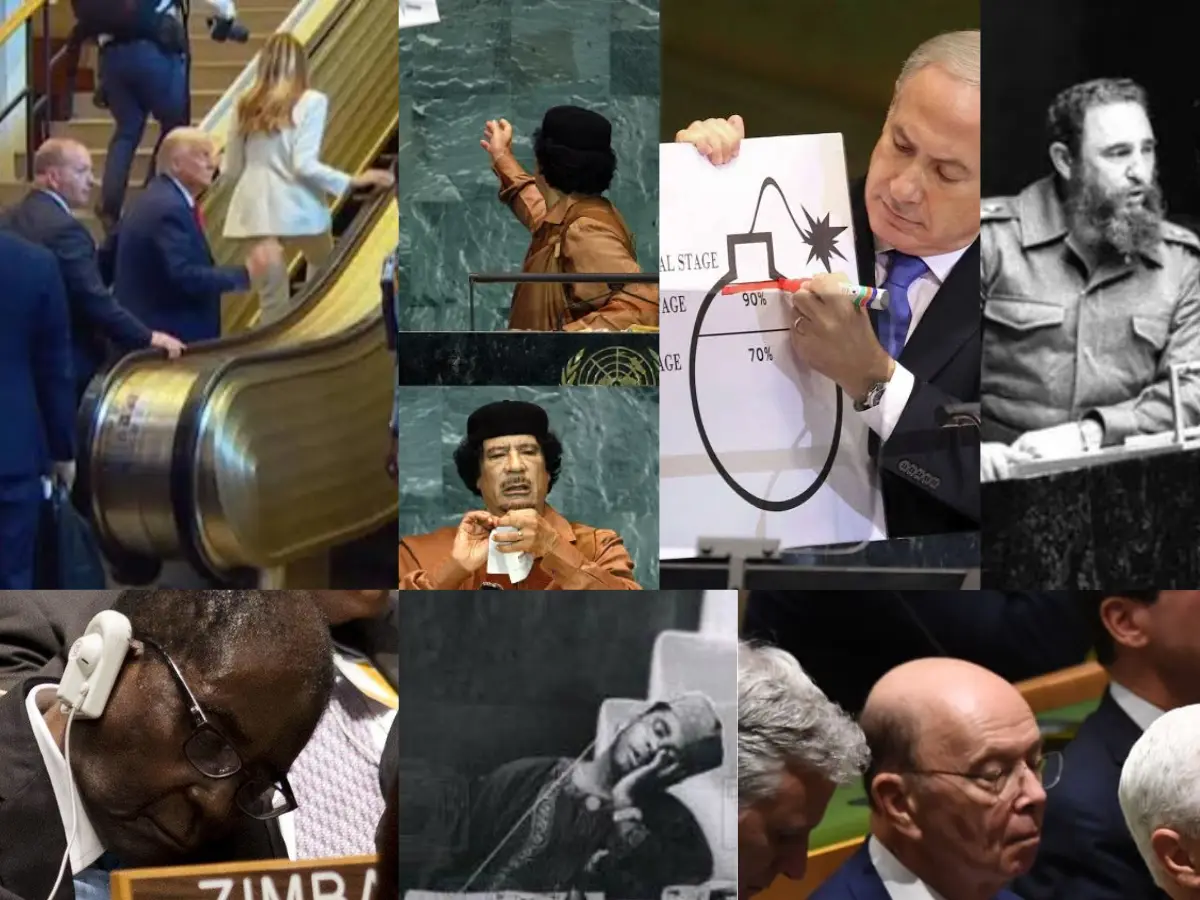)
From Gaddafi tearing up UN Charter to Trump’s ‘escalatorgate’: Most unforgettable UNGA moments
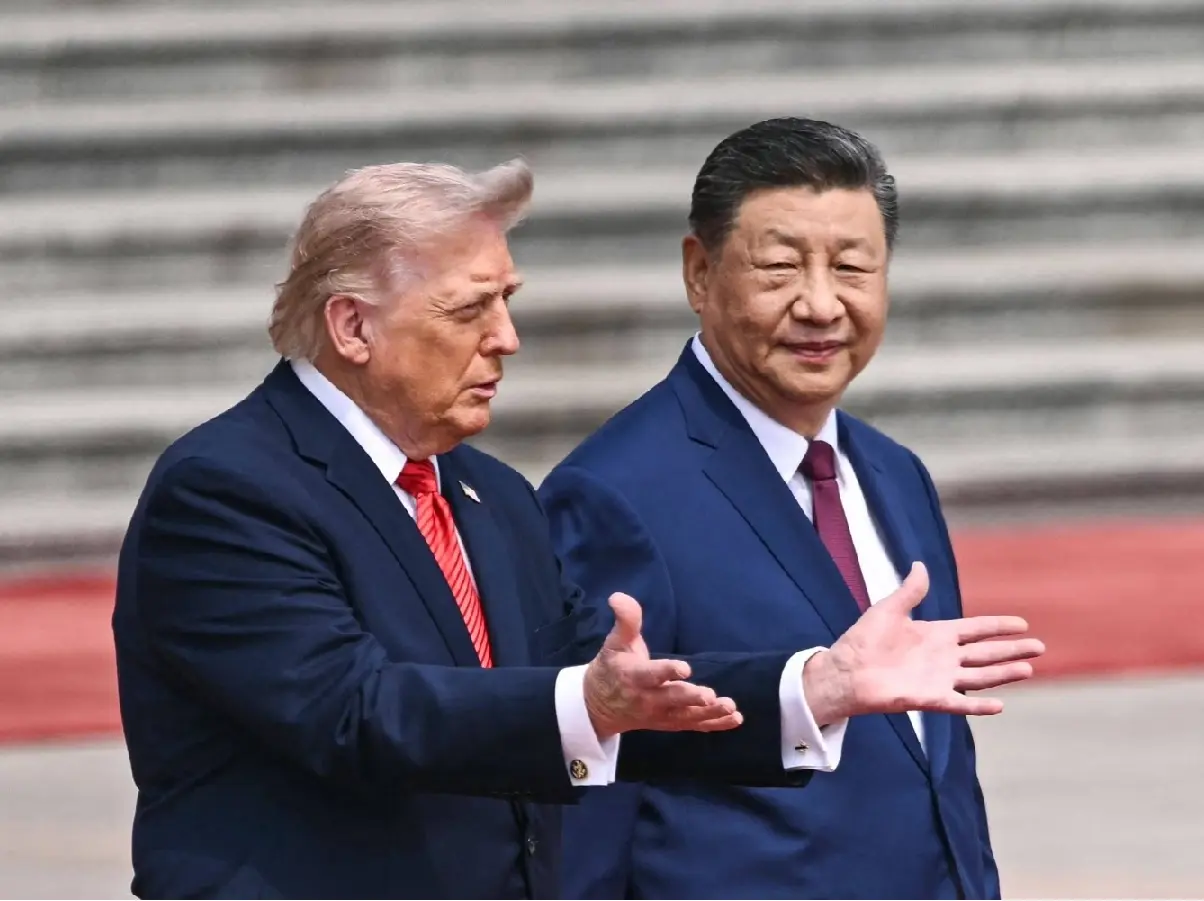)
Explainer: Why rare-earth export licences and Board of Trade are US priorities ahead of Trump-Xi summit
)
Asia prepares for record El Nino, food shock
)
Oil slips to $98 as Saudi Arabia restarts East-West oil pipeline
)
Four female students raped during 'Red Zone' at California university. What we know
)
'Taiwan and human rights are red lines': China warns US ahead of Xi-Trump visit
Trump’s tariffs and the global supply chain
Although US tariffs are now at levels not seen since the 1930s, they have not triggered a global trade collapse. Supply chain analysts note that international companies are spreading costs globally to shield the US market from the full burden of rising prices. Trump’s approach appears calculated, applying pressure, then offering deals, often individually. This strategy has faced limited resistance and allowed the US to maintain leverage.
China and Canada step back; EU treads carefully
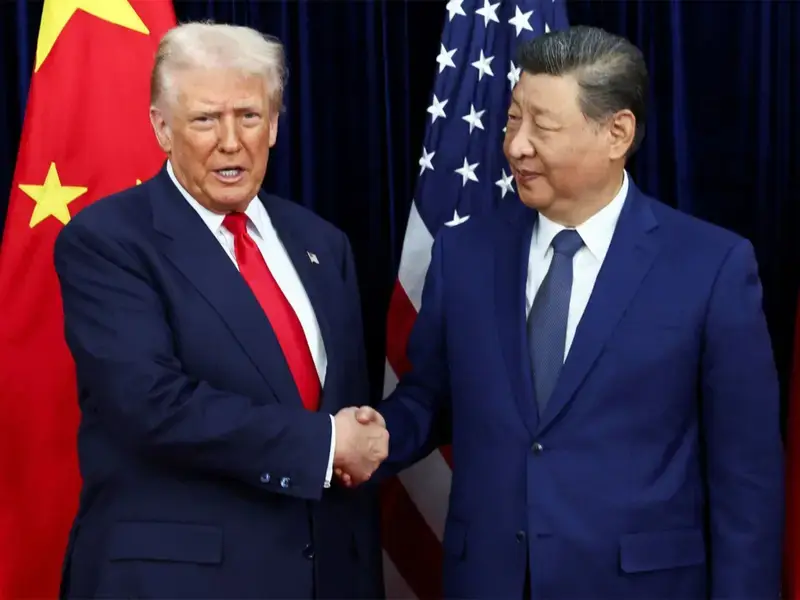
In April, China matched Trump’s tariffs with retaliatory measures. But when Chinese exports to the US fell by a third in May, both sides stepped back and agreed to a 90-day pause. Tariffs were scaled back from 145% to 30%. Canada, meanwhile, imposed C$155bn in retaliatory duties earlier this year but has since softened its stance. Despite election promises to confront Trump, Canadian Prime Minister Mark Carney dropped a digital tax and refused to match recent US tariff hikes on steel. With 20% of Canada’s GDP tied to US trade, compared to just 2% for the US, the economic pressure on Canada is higher.
When the European Commission published a list of potential countermeasures targeting €72bn worth of US goods, it stopped short of assigning tariff rates. Officials hoped this move would avoid provoking Trump while leaving space for compromise. EU Trade Commissioner Maroš Šefčovič warned that a 30% tariff on European exports would make transatlantic trade “almost impossible” and hinted at possible joint responses with other nations. Still, Brussels has largely chosen caution over confrontation.
