
&imwidth=800&imheight=600&format=webp&quality=medium "'Situation in Iran under control, Indian students safe': Ambassador Dr. Mohammad Fathali")
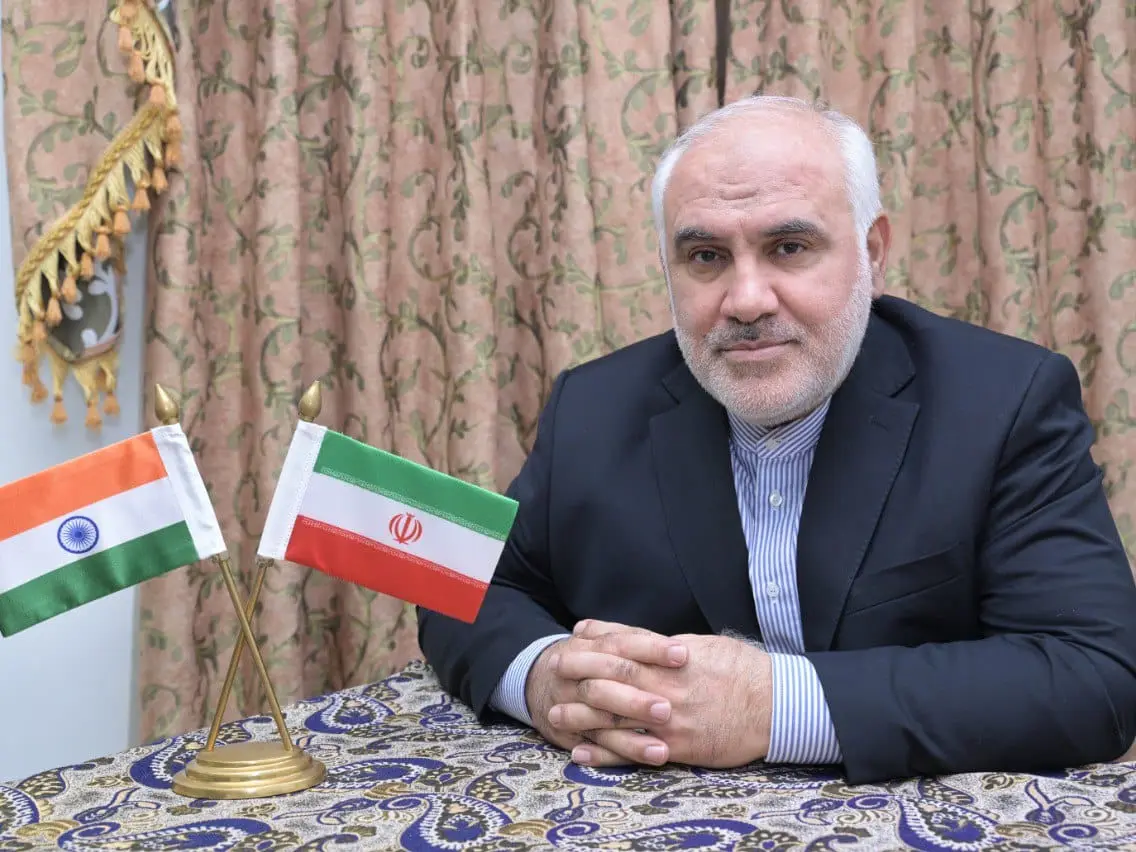
Iran's Ambassador to India, Dr. Mohammad Fathali, has said that the people of his country won't"allow foreign interference" and normalcyis returning after the recent protests. Speaking to WION's Sidhant Sibal, Ambassador Fathali stated that "at present, the situation in the country is under control, and in many cities we are witnessing a return to calm and stability." He explained how "millions of Iranians took to the streets across the country to express their support for the Islamic Republic, demonstrating", he said that it "clearly" shows that despite "existing challenges and economic pressures, they will never allow foreign interference in their internal affairs."
Fathali reassured on the safety of foreign nationals, particularly Indians. He said, "Indian students and nationals are safe in our country. The situation is under control, and they remain in regular contact with their embassy, while we are closely monitoring the situation." India has around 10,000 Indian nationals and people of Indian origin in Iran.
On bilateral relations, the newly appointed envoy characterised India-Iran tiesas "deep-rooted, historical, and founded on mutual respect and shared interests," expressing optimism for expanded cooperation in energy, transit, and projects like Chabahar Port, by building on mutual trust and a long-term perspective."

Here is the full interview:
Sidhant Sibal: We have seen protests in your country. Would you like to just talk about it, since it has been a story that has been covered internationally? What is the situation?
Dr. Mohammad Fathali: At present, the situation in the country is under control, and in many cities, we are witnessing a return to calm and stability. Yesterday, millions of Iranians took to the streets across the country to express their support for the Islamic Republic, demonstrating clearly that despite existing challenges and economic pressures, they will never allow foreign interference in their internal affairs. As you are aware, the protests initially had a peaceful character. From the very outset, our Supreme Leader and the President emphasized that peaceful protest is a legitimate right of the people and that the government is prepared to listen to public demands and the voices of the protesters.
Trending Stories
)
Nepal Flash Floods: At least 1,050 dead And 118 Nepalese rescued from disaster zone
)
Inside the UAE defense giant rapidly scaling up amid West Asia war
)
'Why didn't you save me?' 5-year-old Nepal flood victim, who survived under rubble for 60 hours, asked parents
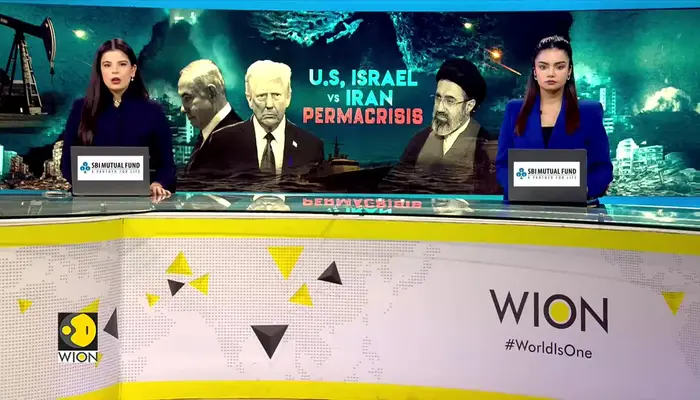)
US-Israel vs Iran permacrisis: Tehran strikes back against latest US strikes
&im=FitAndFill=(700,400))
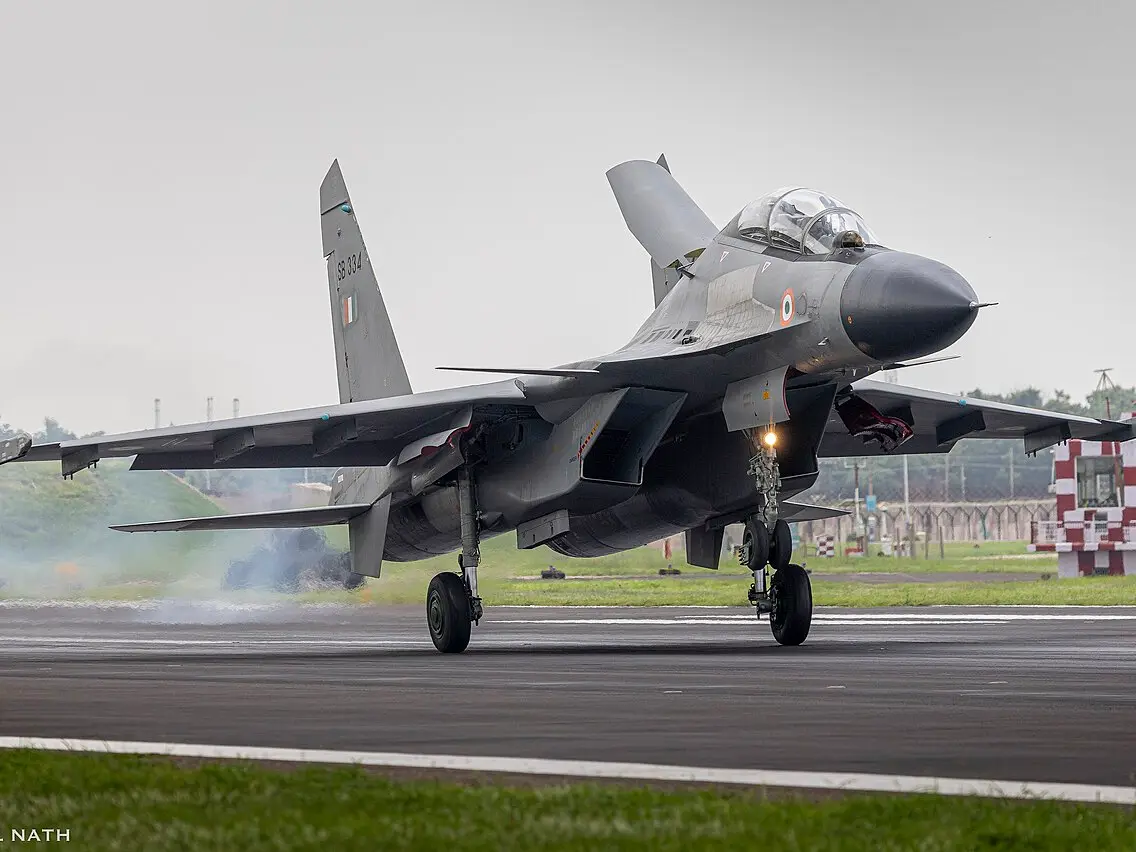
How the Su-30MKI flies up to 8,000 kilometres using mid-air refueling
)
China shock puts Germany's economy under strain
)
Nearly 1 million Indians stuck in US Green Card backlog, wait could stretch to 179 years | Gravitas
)
Iran launches retaliatory strikes with missiles and drones; Trump warns of ‘much harder’ attack
)
2,000 pairs of underwear buried in Switzerland revealed something startling
)
Iran war: IRGC strike claim raises questions as Pentagon cracks deepen
)
Nvidia is reportedly buying Hugging Face for $12.9 billion
)
Pakistan faces growing hunger crisis amid rising food insecurity
)
AI sales startup Clay raises funding at a $7 billion valuation
)
Iran war reshapes global LPG trade
)
This Indian AI is making stock charts easier to understand in Hindi, Tamil, Telugu and other Indian languages
)
Over 100 children aged 12 & below in UK may have been forced into marriage | Gravitas
)
Inside C430L: The alleged secret Russian mission to help Iran with supersonic missiles
)
UN nuclear watchdog report on Syria confirms Assad-Era nuclear reactor plan
)
Explosives found near German power plant, suspected attack sparks security alert
)
Pheromone Maxxing: The dating trend that claims scent drives attraction
)
Volcano that erupted with strength of a million atomic bombs discovered in England
&im=FitAndFill=(700,400))
Why the Su-30MKI uses a giant air brake on its back instead of its wings
)
Shakti Sharma scripts history as first woman non-medical Air Vice Marshal
)
Swara Bhasker issues video clarification over Padmaavat remarks amid ‘wild’ backlash: ‘Never said Rani Padmavati was a coward’
)
Iran attacks Bahrain, Iraqi Kurdistan as Trump claims ‘total control’ of Hormuz; Houthis back Tehran, Peru cuts ties: What's happening
)
AI agents coming to UPI: India prepares hands-free payments rollout!
)
TN CM Vijay opens Mettur dam for Cauvery delta irrigation, surprises farmer with visit
)
Pentagon just launched its AI portal with ChatGPT, Grok and Gemini
)
Meltdown in Pakistan cricket: PCB director of high performance Aaqib Javed explains reasoning behind dropping 7 players, sacking coaches
)
Pakistanis are eating less. What they are eating instead is even more alarming
)
Manchester City equal British transfer record with £125m Enzo Fernandez deal
Netflix to release docuseries on Donald Trump's secret plane switch in Turkey
)
Ariana Grande steps away from public life; bids an emotional farewell in London concert
)
US-Iran war: US strikes Iran after month-long pause
&im=FitAndFill=(700,400))
Why the glass canopy on the Su-30MKI has a distinct golden tint
)
Charlie Kirk murder case trial: Tyler Robinson faces possible death penalty after court ruling
)
Unfortunately, however, as events unfolded, elements linked to the Zionist regime and the United States exploited this atmosphere and diverted lawful public protests toward violence and insecurity. There is extensive evidence and documentation of ISIS-like crimes, including beheadings, the burning of bodies, and other brutal acts, which clearly show that we are not dealing with ordinary protesters. Rather, we are confronting organized terrorist elements affiliated with ISIS and other extremist groups, directed and supported from outside of Iran.
Their primary objective is the destabilization and collapse of the region’s security order and the redrawing of geopolitical borders. This dangerous project will never be confined to Iran alone; if left unchecked, it will engulf all countries of the region. In recent years, Iran has stood on the front lines of the fight against ISIS and, as the first line of defence, prevented the spread of this ominous phenomenon to other countries. Today, we once again warn that if such terrorist acts are normalized or ignored, the risk of insecurity and violence spreading to other parts of the world is entirely real. Vigilance, cooperation, and collective action against terrorism are today more than ever a global necessity.
Sidhant Sibal: Are Indian students, nationals safe in the country, because your country hosts a number of Indian nationals?
Dr. Mohammad Fathali: Yes. Indian students and nationals are safe in our country. The situation is under control, and they remain in regular contact with their embassy, while we are closely monitoring the situation.
Sidhant Sibal: Your Excellency, you have just taken charge of your term here. How will you characterize the India-Iran ties?
Dr. Mohammad Fathali: The relationship between Iran and India is deep-rooted, historical, and founded on mutual respect and shared interests. Over the centuries, the two countries have maintained profound civilizational, cultural, and economic ties, and these bonds have consistently transcended temporary political developments. Today, Tehran and New Delhi, as two major Asian powers, continue to engage in sustained and constructive dialogue across a range of fields. In this new era, there is a shared determination to expand cooperation in political, economic, energy, transit, and regional connectivity sectors, particularly through projects such as the Chabahar Port. We believe that Iran–India relations hold immense potential for deepening and growth, and that, by building on mutual trust and a long-term perspective, these partnerships can be further strengthened.
Sidhant Sibal: What will be your focus during the term? Any specific areas of cooperation that you are looking at?
Dr. Mohammad Fathali: Our primary focus during this period is to deepen and operationalize bilateral cooperation in areas of strategic importance to both countries. Within this framework, the development of transit and transportation cooperation will hold a special place. In addition, collaboration in the energy sector remains a key priority. Iran and India possess significant complementary capacities in this field, and we are keen to expand cooperation across various energy domains, including oil, gas, and other related areas. At the same time, strengthening cultural and people-to-people exchanges will be an essential part of our mission, as the deep-rooted cultural and civilizational ties between our nations can provide a lasting foundation for the long-term development of political and economic relations.
Sidhant Sibal: The 10-year contract for the development and operation of Chabahar Port (signed in 2024) remains a cornerstone of India-Iran connectivity. What steps is Iran taking to accelerate implementation, and how can both countries ensure the port becomes a thriving hub for trade with Afghanistan and Central Asia?
Dr. Mohammad Fathali: From our perspective, the Chabahar Agreement is not simply a port project; it is an integral part of a strategic vision to enhance regional connectivity and build long-term cooperation with India. In this context, Iran has taken concrete steps to accelerate the implementation of this agreement, including the development of essential port infrastructure, streamlining administrative and customs procedures, offering investment incentives, and ensuring close coordination among relevant authorities to address any operational challenges.
To transform Chabahar into a vibrant and sustainable trade hub for Afghanistan and Central Asia, ongoing and close collaboration between the two countries is crucial. The expansion of rail and road transport networks linking to the port, alignment of transit regulations, securing transport routes, and encouraging active private sector involvement will all play key roles. With a complementary and long-term outlook, Iran and India have the potential to turn Chabahar into a critical node in the regional supply chain and a successful model of South-South cooperation.
Sidhant Sibal: Do you see any challenges? We have seen 6-month U.S. sanctions waivers; will they help the project?
Dr. Mohammad Fathali: Naturally, there are some challenges. However, there is also strong political will in both Tehran and New Delhi to overcome these challenges, and thus far, both sides have worked together to find practical and realistic solutions to ensure the continuity of cooperation. Regarding the United States' six-month sanctions waiver, I believe this move can, in the short term, help create greater confidence for economic actors, companies, and investors, and facilitate the progress of the project. However, from Iran's perspective, the primary significance of Chabahar lies in its inherent and strategic role in regional connectivity, rather than in the temporary or political decisions of third parties. What will guarantee the success of this project is the continued close cooperation between Iran and India, a long-term vision, and a focus on the shared interests of both countries and the region.
Sidhant Sibal: Despite strong civilizational and historical ties, bilateral trade between India and Iran remains below potential due to banking restrictions and sanctions. How do you plan to boost two-way trade?
Dr. Mohammad Fathali: There are various solutions that, if effectively implemented, can help expand the volume of trade between our two countries. Utilizing national currencies, promoting barter arrangements, exploring alternative financial channels, and strengthening the role of the private sector are among these measures. Alongside these efforts, the development of transit infrastructure, particularly via the Chabahar port, streamlining customs procedures, and focusing on sectors of mutual advantage, including energy, petrochemicals, pharmaceuticals, and agriculture, can create the foundation for sustainable growth in bilateral trade and the full realization of the economic potential of our relationship.
Sidhant Sibal: The International North-South Transport Corridor (INSTC), with Chabahar as a key node, holds immense promise for connecting India to Russia, Europe, and Central Asia. What progress has been made on integrating Chabahar more deeply into the INSTC, and is there scope for trilateral or multilateral cooperation involving other partners like Russia?
Dr. Mohammad Fathali: The International North–South Transport Corridor is a strategic priority for us, with the Chabahar port serving as a key node in this network and playing a vital role in completing the south-to-north connectivity chain. Within this framework, practical steps have been taken to strengthen Chabahar’s linkages with domestic rail and road networks and to connect it to routes leading to northern ports and land borders. Technical and operational coordination among the relevant institutions is underway to ensure the port’s effective integration into the North–South Corridor. At the same time, Iran views this corridor as inherently multilateral and welcomes expanded cooperation with regional and extra-regional partners, including Russia. Trilateral or multilateral collaboration can be further enhanced through the harmonization of transit regulations, facilitation of customs procedures, joint investment in infrastructure, and the creation of integrated transport routes. We believe that through synergy among Iran, India, Russia, and other interested countries, the North–South Corridor can become one of the most efficient and cost-effective routes for international trade.
Sidhant Sibal: Energy cooperation has historically been a strong pillar of India-Iran relations. But it is known that India doesn't import oil from Iran over sanctions? Your take on that
Dr. Mohammad Fathali: Energy cooperation has always been a cornerstone of relations between Iran and India, and there is significant potential to expand it further. While unilateral sanctions have posed certain limitations on Iran’s oil exports to India, this does not diminish the shared interests or the existing capacities between the two countries. Iran has consistently been a reliable energy supplier for India and is prepared, should conditions allow, to resume and even expand energy cooperation beyond previous levels. At the same time, the two countries can pursue collaboration in other energy sectors, including joint investment, refining, petrochemicals, and the transfer of technical knowledge, as complementary avenues for partnership.
Sidhant Sibal: Cultural and people-to-people ties form the bedrock of our relationship. What new cultural diplomacy initiatives, such as exchanges in arts, education, tourism, or sports, does Iran plan to promote in the coming years to further strengthen bonds between the two ancient civilizations?
Dr. Mohammad Fathali: Cultural and people-to-people ties have always been a cornerstone of Iran–India relations, and we believe that strengthening these bonds is key to ensuring the sustainability of relations in other areas. In this regard, Iran has planned initiatives to expand academic and scientific exchanges, enhance cooperation between research centres, organize joint cultural and artistic weeks, and facilitate the presence of artists, writers, and intellectuals from both countries.
At the same time, the development of cultural and pilgrimage tourism, the promotion of people-to-people interactions, and attention to opportunities for cooperation in sports are among the initiatives that can strengthen the connection between the younger generations of the two nations. We are convinced that by leveraging our shared civilizational heritage and implementing innovative initiatives in cultural diplomacy, the ties between the ancient peoples of Iran and India can be deepened and made more dynamic than ever before.
Sidhant Sibal: Regional developments in West Asia, including the Gaza situation and broader Middle East tensions, impact global stability. What role does Iran believe India can play in fostering peace and dialogue in the region, given India's balanced approach and growing international influence?
Dr. Mohammad Fathali: Given its balanced approach, independent stance, and growing international influence, Iran views India as playing an important role in promoting peace and dialogue in West Asia. We believe that India, by emphasizing multilateralism, respecting international law, and supporting political and diplomatic solutions, can contribute to reducing tensions and advancing sustainable stability in the region.
Sidhant Sibal: India will be hosting the BRICS summit this year. Iran is a member of the BRICS. How do you see the role of this grouping?
Dr. Mohammad Fathali: BRICS, as an important multilateral framework, plays an increasingly significant role in strengthening economic, financial, and political cooperation among emerging economies. Iran’s membership in the group and India’s hosting of the summit provide a valuable opportunity to enhance South–South synergy, promote multilateralism, and increase the role of developing countries within the international system.
