'No evidence of ISIS terrorist training': Philippines rejects Australia's Bondi beach probe findings about gunmen

&imwidth=600&imheight=450&format=webp&quality=medium "'No evidence of ISIS terrorist training': Philippines rejects Australia's Bondi beach probe findings about gunmen")
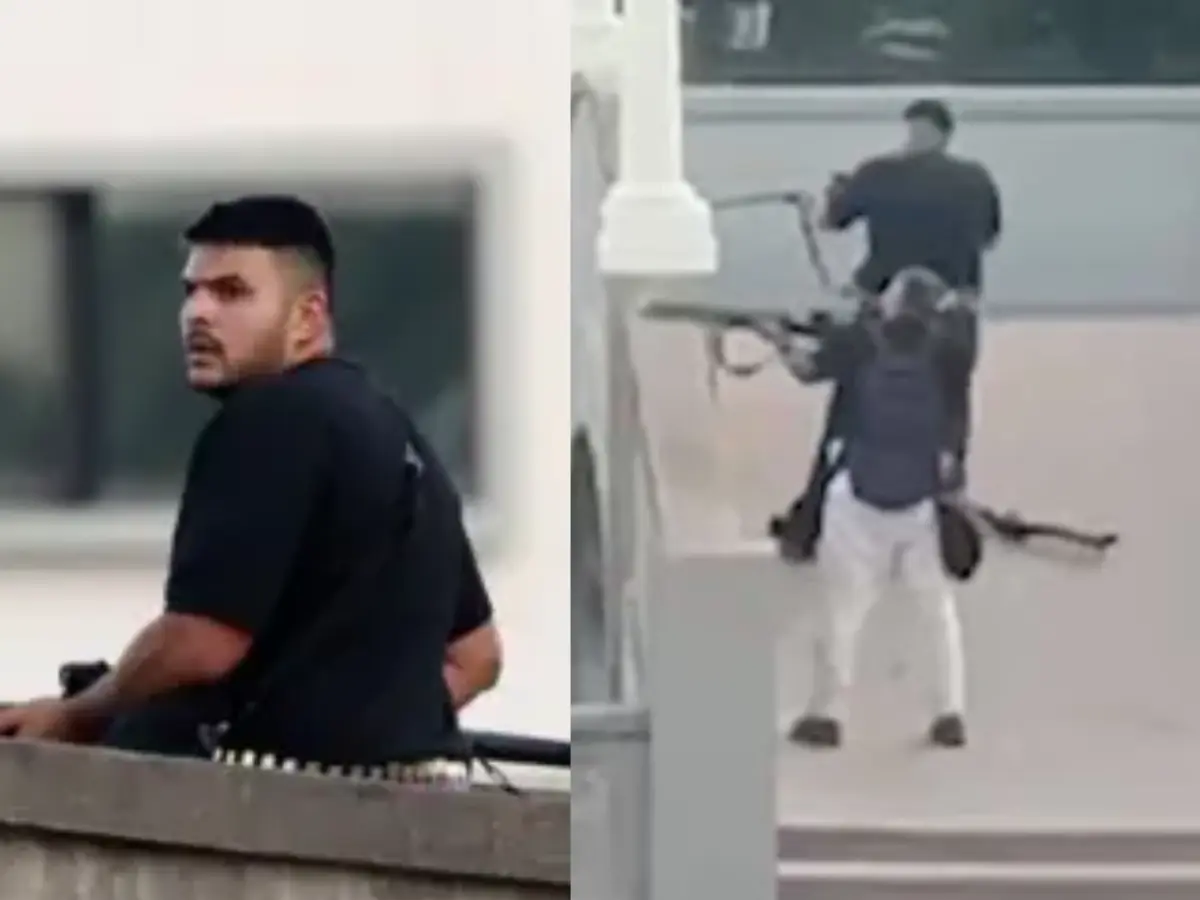
Bondi beach attackers Photograph: (AFP)
The Philippines denied claims that Bondi Beach attackers trained in the country, calling Australia’s statements “misleading” and demanding evidence. Authorities noted no confirmed terrorist activity in Mindanao.
Days after Sydney's Bondi beach terror attack, the Philippines said that there was no evidence that the country was being used for terrorist training. It said that the revelations made Australian authorities is “misleading characterisation of the Philippines.” The comment by Philippines came after Australian authorities claimed that the gunmen — Sajid Akram and his son Naveed Akram — travelled to Philippines ahead of ‘ISIS inspired attack,’ possibly for training. Philippines demanded evidence for the claims made by Australia.
"President Ferdinand Marcos strongly rejects the sweeping statement and the misleading characterisation of the Philippines as the ISIS training hotspot," presidential spokeswoman Claire Castro said at a press briefing. "No evidence has been presented to support claims that the country was used for terrorist training. There is no validated report or confirmation that individuals involved in the Bondi Beach incident received any form of training in the Philippines," she added, reading from a National Security Council statement.
What we know about Australia's probe so far?
The Australian Police arrested Naveed from the scene of the attack and Sajid Akram was killed during the shooting. Naveed has been charged with terrorism, 15 counts of murder and a litany of other crimes. The incident is being investigated as an act of terrorism targeting the Jewish community. Highlighting that island of Mindanao in Davao has a long history of Islamist insurgencies, Australian authorities stated that both Sajid and Naveed had travelled to Philippines and entered the country on November 1. They also revealed that at least two Islamic State flags were found in their car.
Trending Stories
&imwidth=280&imheight=210&format=webp&quality=medium)
&imwidth=280&imheight=210&format=webp&quality=medium)
&imwidth=280&imheight=210&format=webp&quality=medium)
&imwidth=280&imheight=210&format=webp&quality=medium)
&imwidth=280&imheight=210&format=webp&quality=medium)
&imwidth=280&imheight=210&format=webp&quality=medium)
&imwidth=280&imheight=210&format=webp&quality=medium)
&imwidth=280&imheight=210&format=webp&quality=medium)
&imwidth=280&imheight=210&format=webp&quality=medium)
&imwidth=280&imheight=210&format=webp&quality=medium)
&imwidth=280&imheight=210&format=webp&quality=medium)
&imwidth=280&imheight=210&format=webp&quality=medium)
&imwidth=280&imheight=210&format=webp&quality=medium)
&imwidth=280&imheight=210&format=webp&quality=medium)
&imwidth=280&imheight=210&format=webp&quality=medium)
&imwidth=280&imheight=210&format=webp&quality=medium)
&imwidth=280&imheight=210&format=webp&quality=medium)
&imwidth=280&imheight=210&format=webp&quality=medium)
&imwidth=280&imheight=210&format=webp&quality=medium)
&imwidth=280&imheight=210&format=webp&quality=medium)
&im=FitAndFill=(700,400)&imwidth=280&imheight=210&format=webp&quality=medium)
&imwidth=280&imheight=210&format=webp&quality=medium)
&imwidth=280&imheight=210&format=webp&quality=medium)
&imwidth=280&imheight=210&format=webp&quality=medium)
&imwidth=280&imheight=210&format=webp&quality=medium)
&imwidth=280&imheight=210&format=webp&quality=medium)
&imwidth=280&imheight=210&format=webp&quality=medium)
&imwidth=280&imheight=210&format=webp&quality=medium)
&imwidth=280&imheight=210&format=webp&quality=medium)
On claims that Davao's Mindanao in Philippines harbours radical Islamist sentiments, Philippine military stated that armed groups had been largely degraded in the years since the siege of Marawi. "We have not recorded any major terrorist operations or training activities… since the beginning of 2024," Philippine military spokeswoman Colonel Francel Padilla said. "They are fragmented, and they have no leadership," she added.
AFP quoted Colonel Xerxes Trinidad and said that the father-and-son duo's November trip to the Philippines would not have provided adequate time for significant training. "Training cannot be acquired in just 30 days ... especially if you are to undergo marksmanship (training)," he said.
Moreover, it has also came to light that Sajid Akram is originally from Hyderabad, India, and migrated to Australia in November 1998. In a statement, India's Telangana police said that Akram’s family in Hyderabad had no knowledge of his “radical mindset" and he visited India only six times in the 27 years since he moved to Australia. Indian police have reassured that they are fully cooperating with Australian authorities and other relevant agencies on the matter.

