‘Revision needed,’ Elon Musk throws weight behind India’s bid for permanent seat at UNSC

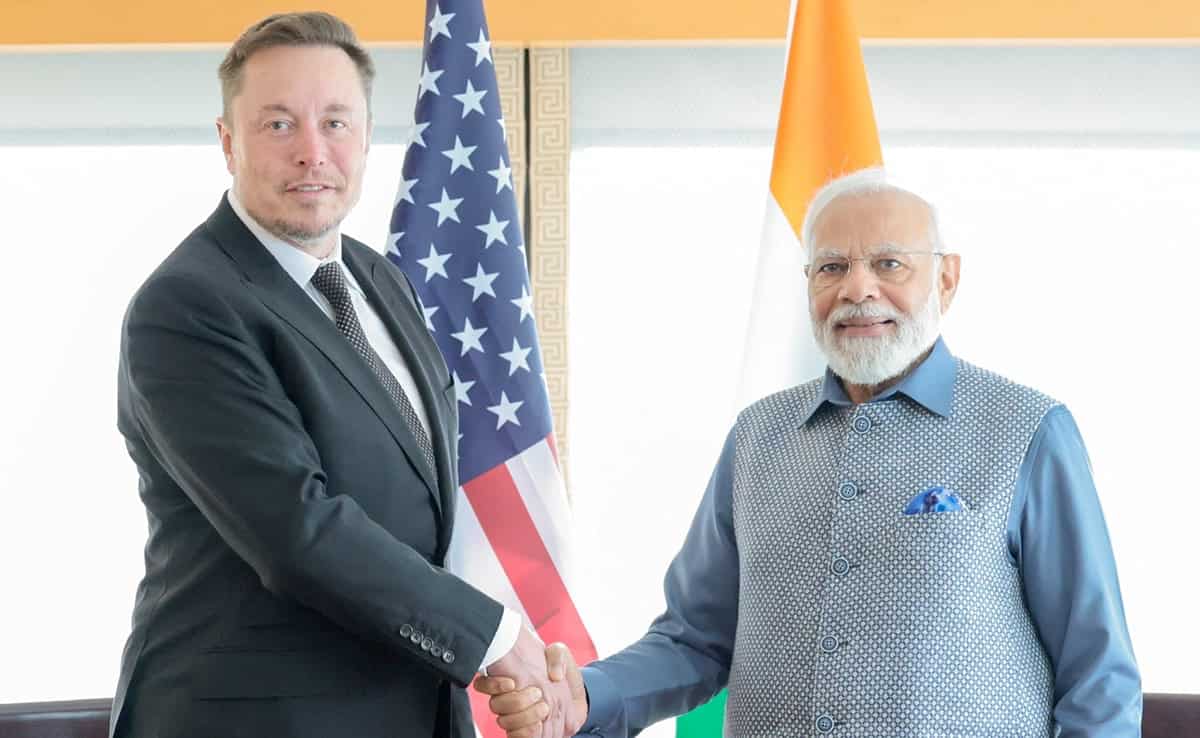
Prime Minister Narendra Modi met Tesla CEO and X owner Elon Musk in June 2023
Elon Musk, the world’s richest man and the ‘Chief Troll Officer’ at X, has supported India’s bid to have a permanent seat at the United Nations Security Council (UNSC). Musk said in a post that it was absurd the most populous country on the planet is not fairly represented at the UN body. He added that Africa should also have a collective seat at the UN.
“At some point, there needs to be a revision of the UN bodies. Problem is that those with excess power don’t want to give it up,” Musk wrote in the post.
“India not having a permanent seat on the Security Council, despite being the most populous country on Earth, is absurd. Africa collectively should also have a permanent seat imo,” he added.

Earlier, in a post on X, UN Secretary-General Antonio Guterres also made an appeal to the P5 nations to implement reforms at the elite table. As of now, the P5 or five permanent members—Russia, the UK, China, France, and the United States—hold veto power over any substantial resolution.
“Institutions must reflect today’s world, not that of 80 years ago. September’s Summit of the Future will be an opportunity to consider global governance reforms & rebuild trust,” Guterres posted on X, asking why Africa still lacks a permanent membership.
)
Why asking questions could be more important than memorising answers
)
Osama Bin Laden ‘planned’ to target India, CIA reveals dozens of declassified documents
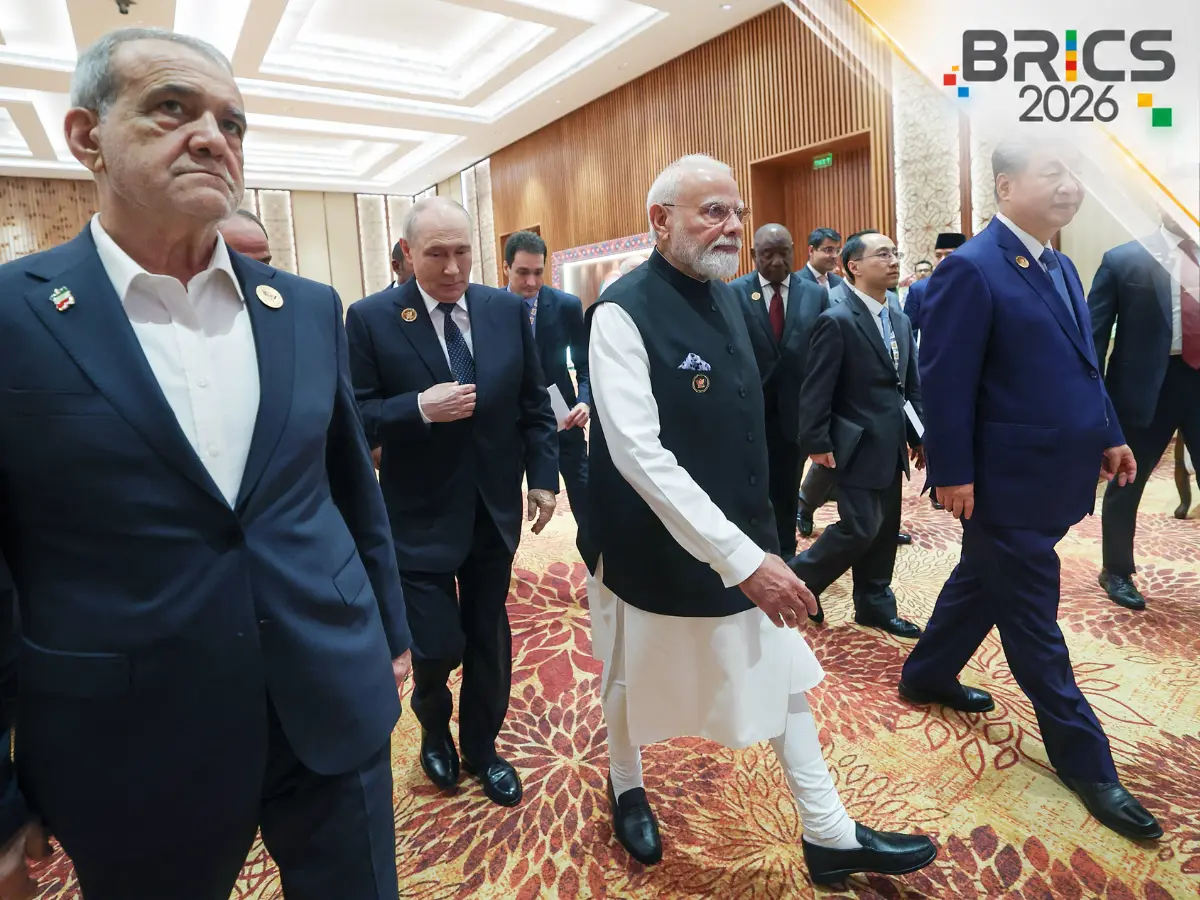)
'Iran won't surrender': Pezeshkian sends blunt message to US while attending BRICS Summit in India
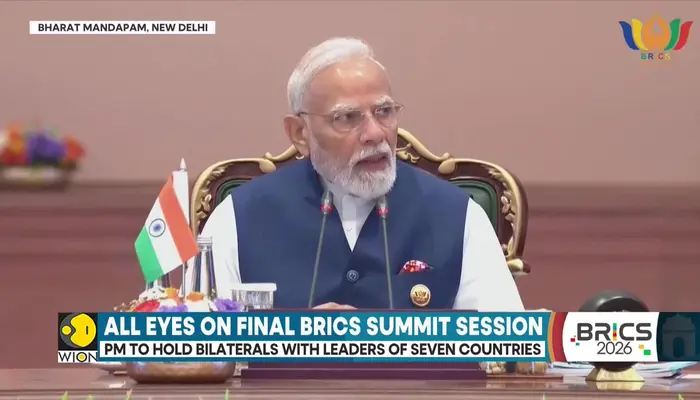)
BRICS Summit 2026: Global leaders of BRICS nations attend main open session
)
Celine Dion makes emotional stage comeback after six years: 'I'm so delighted to see you'
)
PM Modi and China's Xi offered to help resolve Russia-Ukraine war: Kremlin
)
Why dehydration is the hidden cause of travel fatigue on long flights
&im=FitAndFill=(700,400))
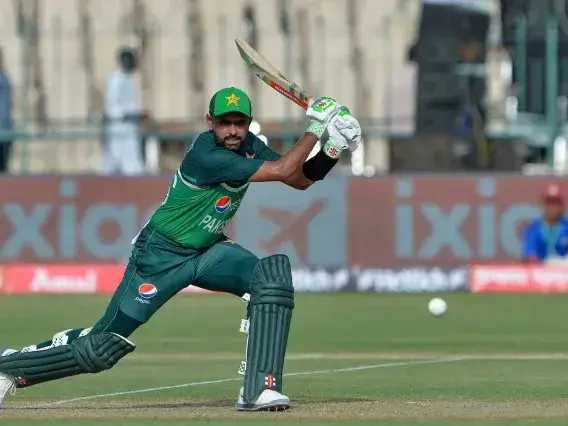
Meet top 5 batters fastest to 3000 runs in T20Is
)
Top 5 places to visit in Goa beyond its famous beaches
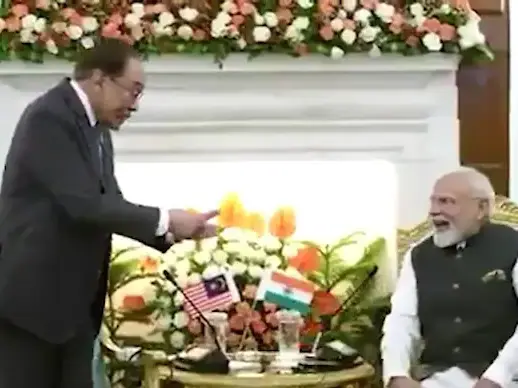)
'He is popular...': Malaysian PM Anwar Ibrahim's praise for PM Modi during bilateral meeting | WATCH
)
BRICS Summit 2026: PM Modi, Xi reach key consensus on ties, China to assume BRICS chairmanship in 2027
)
BRICS Summit 2026: Consensus on joint declaration, diplomatic win for India
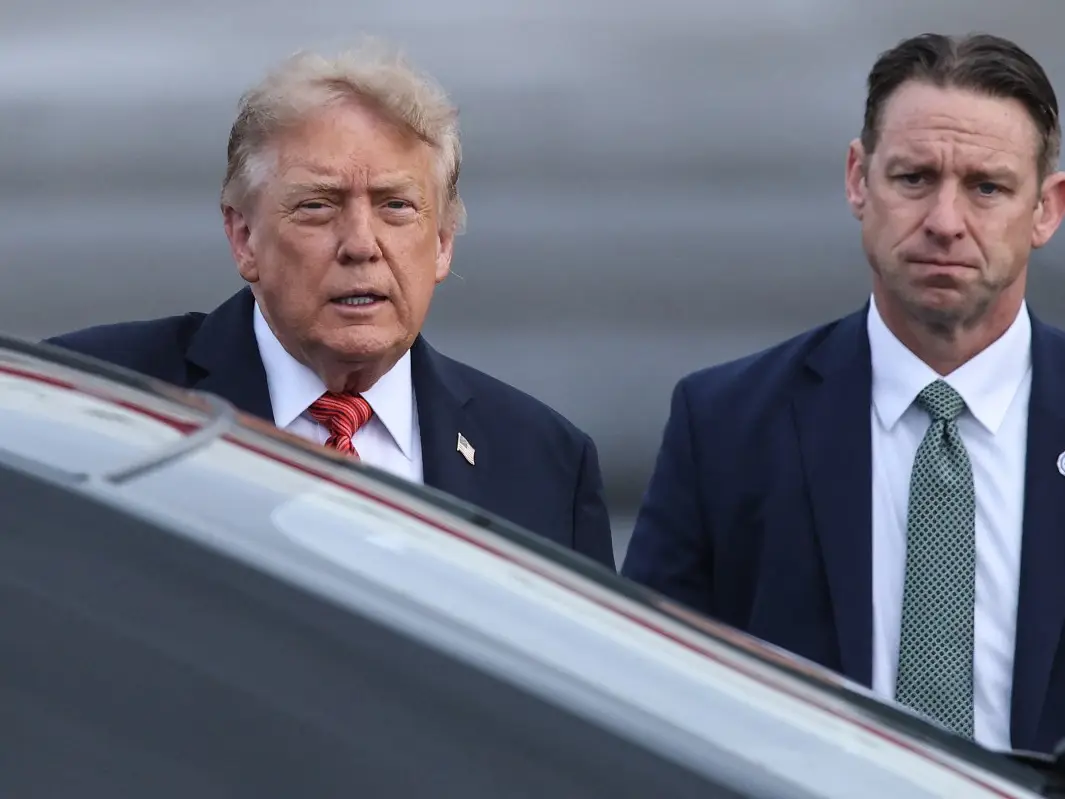)
Trump says Canada eager to reach a deal, it could come ‘fairly soon’ if Ottawa treats US farmers better
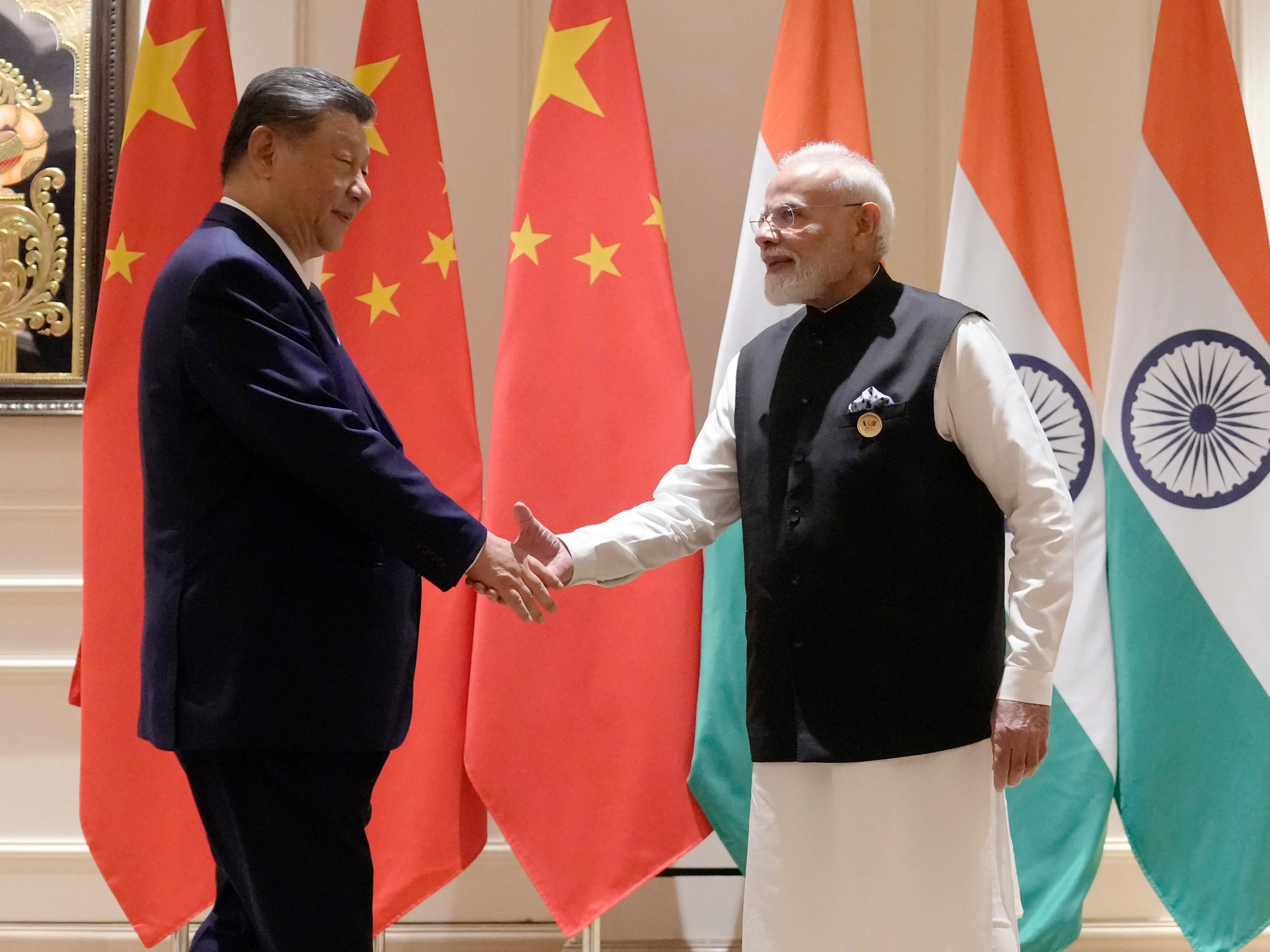)
‘Partners, not rivals’: Xi outlines four point plan for stronger India-China ties
&im=FitAndFill=(700,400))
Why Chinese PL-15 air-to-air missiles use dual-pulse motors compared to European interceptors
)
Could staying indoors all day affect your health?
)
BRICS Summit 2026: PM Modi addresses Day 2 of 18th BRICS summit
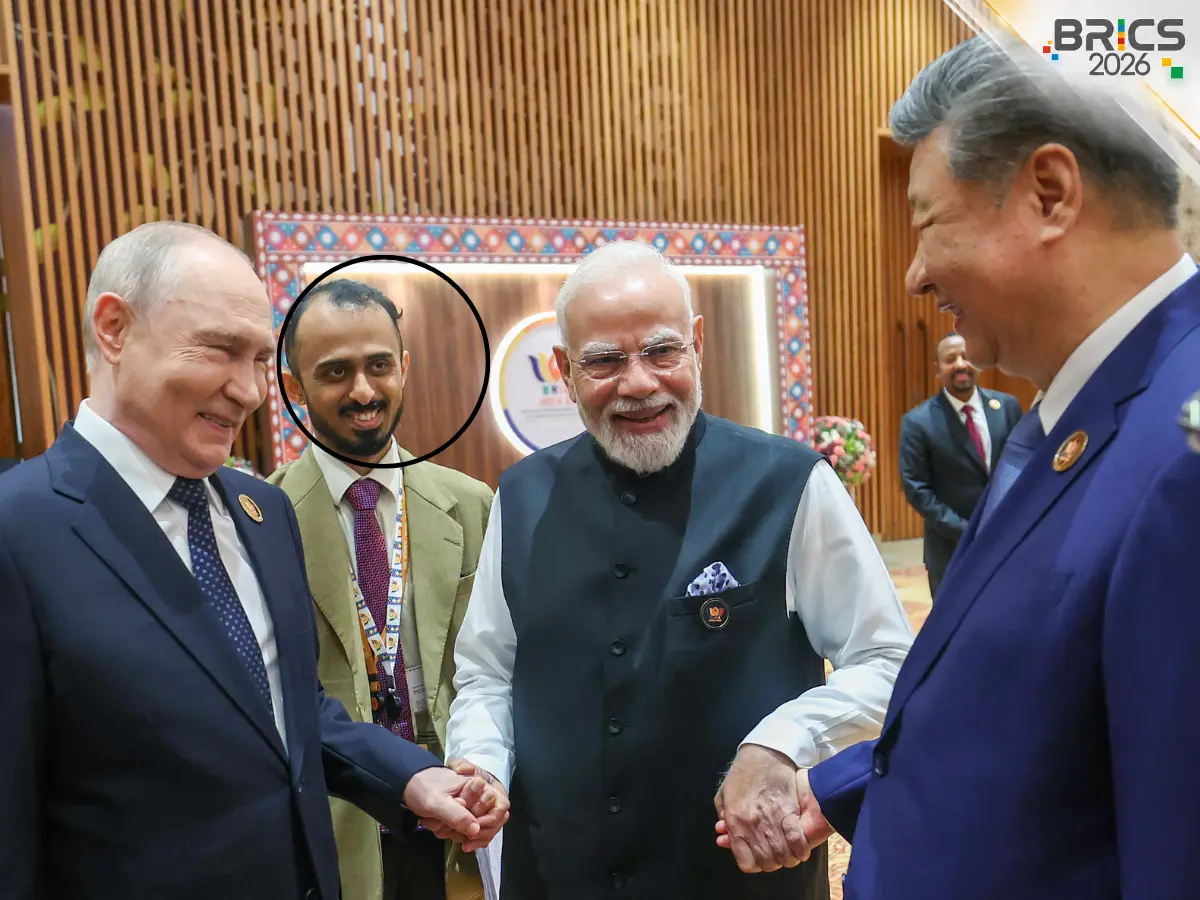)
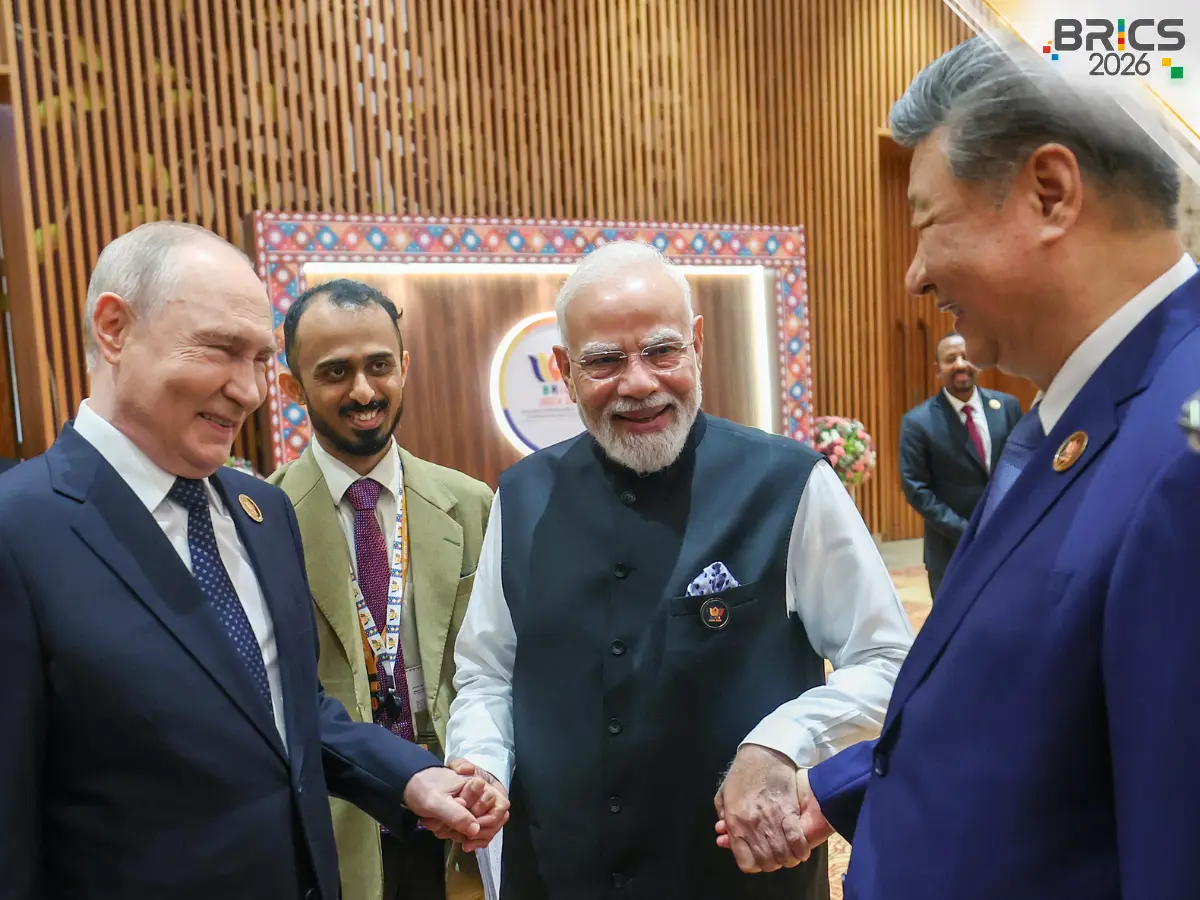
Who is the smiling man beside Modi, Putin and Xi at BRICS Summit 2026?
)
800 million years old - Scientists discover 'fingerprints' of supercontinent Gondwana in ancient rocks
)
Why going digital does not always mean becoming more efficient
&im=FitAndFill=(700,400))
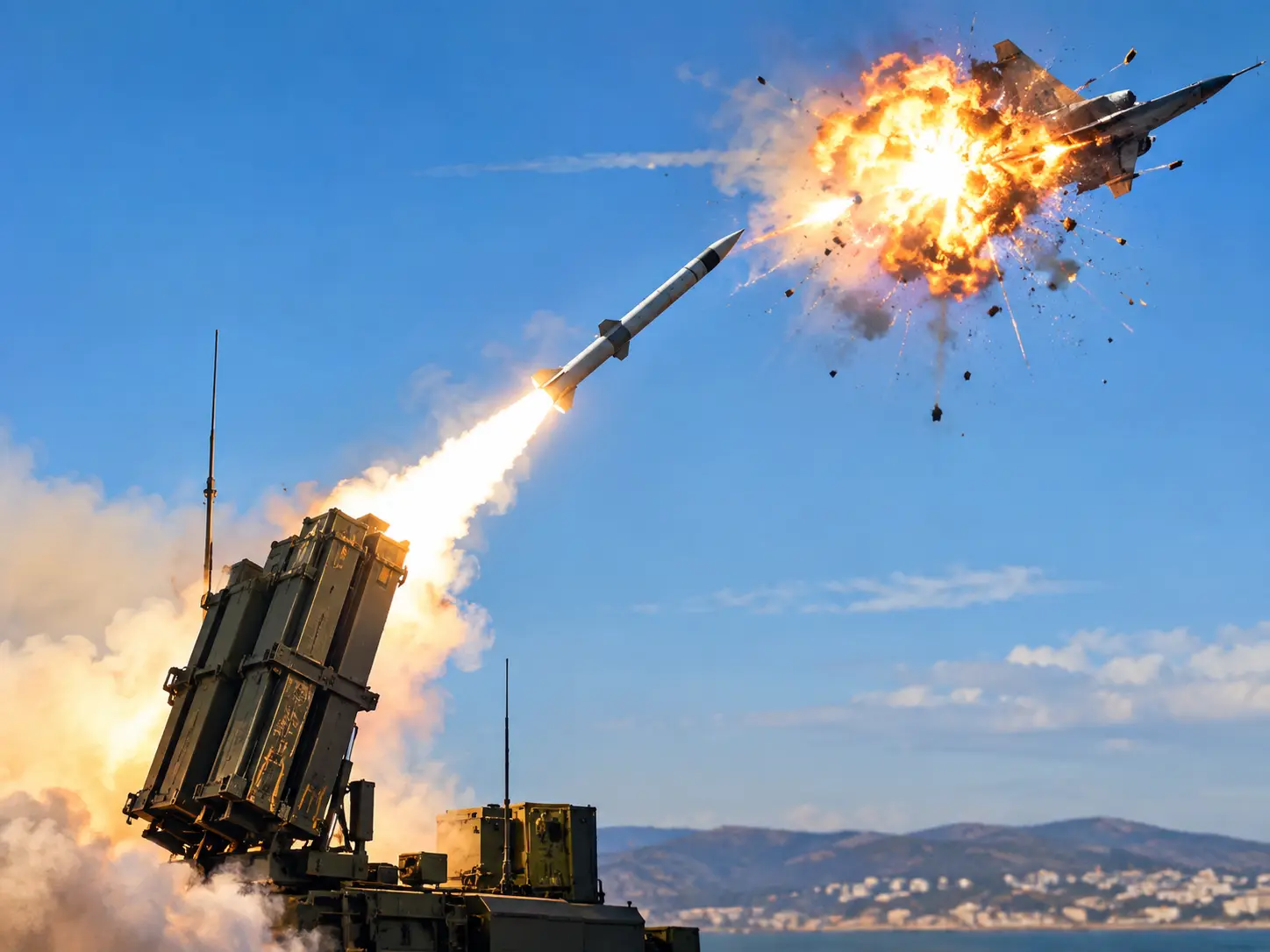
Why do air defence missiles explode near their target instead of hitting it?
)
Russian drone hits Warsaw-bound train near Polish border, Zelensky accuses Moscow of ‘deliberate’ targeting
)
War is making Russia stronger? How Ukraine is shaping Moscow’s next generation of weapons
)
Migration protests return to Portsmouth as rival demonstrations face off
)
From severe mobility problems to recovery: Madhuri the elephant’s journey of wildlife care
)
BRICS Summit day 1: New Delhi declaration adopted with full consensus, big diplomatic win for India
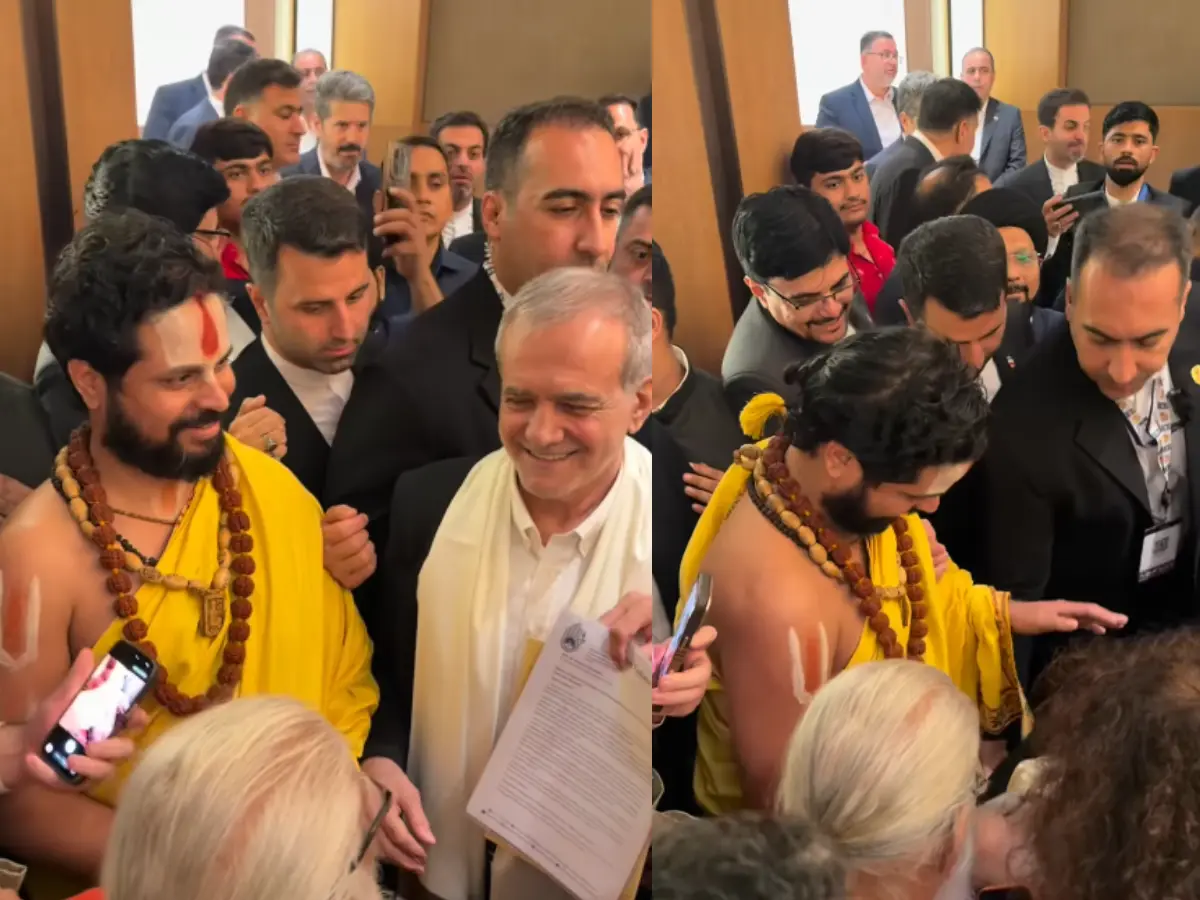)
Did Iran President Pezeshkian touch feet of Hindu spiritual leader at Delhi event as shown in viral video?
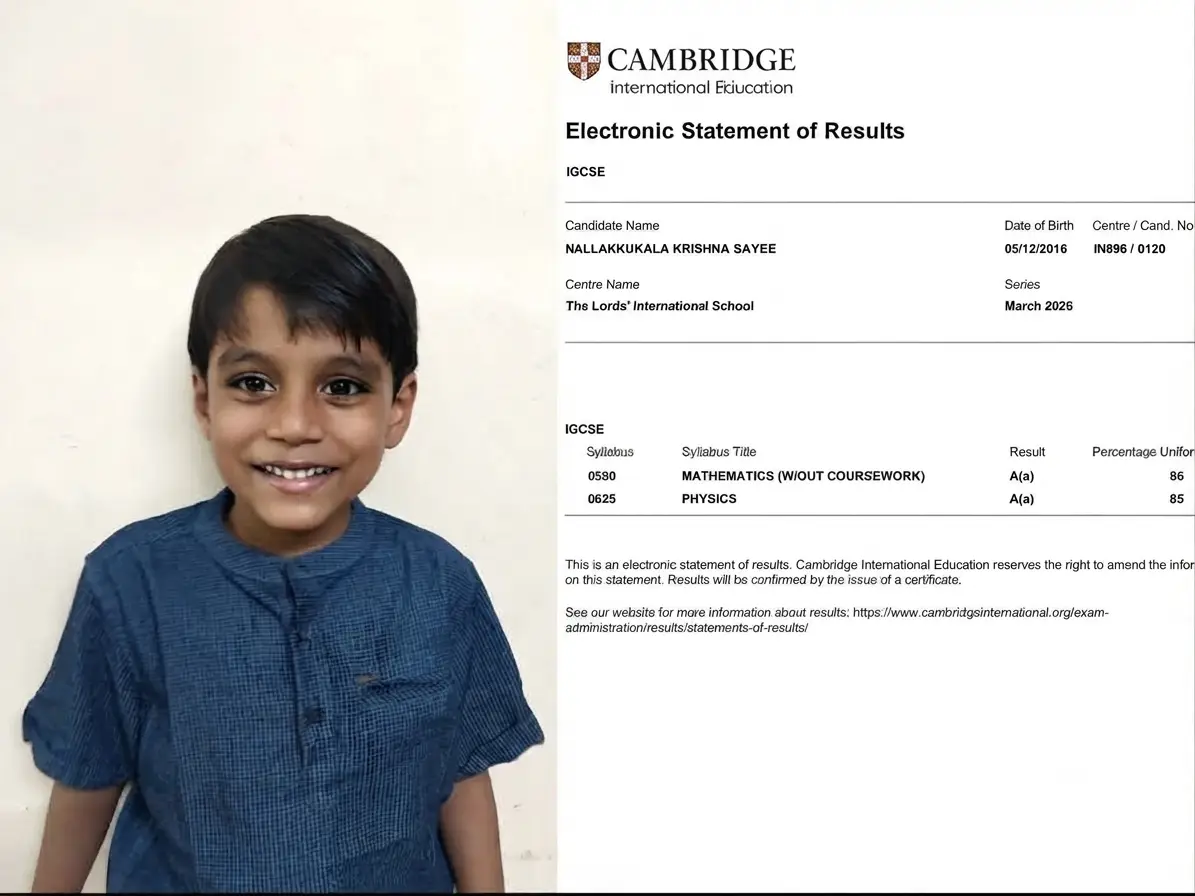)
9-year-old Chennai prodigy clears Cambridge IGCSE grade 10 exams
)
Why does your body need time to adjust after a long journey?
)
BRICS Summit 2026: PM Modi to hold bilateral with leaders of seven countries
)
Ramanathaswamy temple takes centre stage as PM Modi welcomes world leaders at BRICS
)
Houthis launch cross-border strike on Saudi Arabia as Yemen war escalates
)
BRICS Summit 2026: Chinese president Xi Jinping departs from New Delhi after attending BRICS summit
)
Why does your skin need protection from UV rays?
)
How does the loss of forests affect the way wildlife lives and moves?
)
IND vs AFG, 1st T20I: When and where to watch live streaming in India?
)
Why do wild animals need quiet places to survive?
)
Bigg Boss 20: Qazi Touqeer gets a special ‘rockstar’ moment from Salman Khan
)
Humans may lose control of AI: Anthropic CEO calls for slowdown, Altman, Musk back him
Watch:Elon Musk's Tesla to enter India soon?
Quoting this post, Michael Eisenberg, a venture capitalist, wrote, “And what about India? Better yet is to dismantle the United Nations and build something new with real leadership.”
Musk’s post came in response to Eisenberg.
India, the world’s most populous nation and fifth-largest economy, has on several occasions voiced its frustration with the lack of progress in reforming the UNSC.
Indian Prime Minister Narendra Modi had last year said that it was important for multilateral institutions to change with time to maintain their relevance.
"Today’s world is a multipolar world where institutions are extremely important for a rules-based order that is fair and sensitive to all concerns. However, institutions can retain relevance only when they change with the times," the prime minister had said in an August 2023 interview.
"A mid-20th century approach cannot serve the world in the 21st century. So, our international institutions need to recognise changing realities, expand their decision-making forums, relook at their priorities and ensure representation of voices that matter," the PM had added.
(With inputs from agencies)