

&imwidth=800&imheight=600&format=webp&quality=medium "Holi 2026: Date, significance & the ways the festival is celebrated across India-All you need to know")
Holi, popularly known as the 'Festival of Colours', is marked as one of the most waited festival after Diwali in Hinduism, which is celebrated with great joy and enthusiasm. It is celebrated mostly over two days: Holika Dahan and Rangwali Holi. The first day of Holi is considered as Holika Dahan, Jalawali Holi, or Chhoti Holi, during which people burn Holika's effigy to show the victory of good over evil. The next one is Rangwali Holi, in which people play with colour and gulaal along with their friends, family and close ones. On this day, people also sing, dance and enjoy delicious food cooked at their home.
What is the date and muhurat timings of Holi 2026?
Holi is celebrated on the evening of the full moon day (Purnima) in the Hindu month of Phalguna. This usually falls between late February and mid-March in the English (Gregorian) calendar. In 2026, Holika Dahan will be observed on Tuesday, March 3, and Rangwali Holi will be celebrated on Wednesday, March 4.
Purnima Tithi will begin on Monday, March 2, 2026, at 5:55 PM and will end on Tuesday, March 3, 2026, at 5:07 PM. Holika Dahan will be observed on Tuesday, March 3, 2026. Holi will be celebrated on Wednesday, March 4, 2026. Holika Dahan should be performed after sunset during Pradosh, when the full moon is present. It should not be performed during Bhadra Muhurat timings, which are from 02:35 AM to 04:30 AM this year.
How is it celebrated across India?
It is celebrated across India through a blend of shared national rituals and distinct regional traditions that mark the arrival of spring and the victory of good over evil. Different regions of India celebrate in different ways.
Trending Stories
&imwidth=180&imheight=135&format=webp&quality=medium)
Zohran Mamdani's Garba dance goes viral as he joins Indian community's Navratri celebrations | WATCH
&imwidth=180&imheight=135&format=webp&quality=medium)
India-US ties: Marco Rubio seeks India's oil & energy co-operation Ad Ad options Learn more
&imwidth=180&imheight=135&format=webp&quality=medium)
SBI confirms data breach: 3,897 records flagged on dark web. Is your money safe?
&imwidth=180&imheight=135&format=webp&quality=medium)
India to develop first indigenous aviation gun for Prachand, Rudra attack helicopters, SSS Defence CEO confirms
&imwidth=180&imheight=135&format=webp&quality=medium)
Man marries off wife of 17 years to her lover in Uttar Pradesh
&imwidth=180&imheight=135&format=webp&quality=medium)
Boeing 737 MAX10 gets FAA certification, deliveries expected to begin in 2027
&imwidth=180&imheight=135&format=webp&quality=medium)
Shastri backs Shami comeback; lauds Bhuvi and warns Bumrah on format workload ahead of World Cup
&imwidth=180&imheight=135&format=webp&quality=medium)
US midterms 2026: Red seats once deemed safe now appear shaky as Republicans spend big on ads
&imwidth=180&imheight=135&format=webp&quality=medium)
'Tap dancing through a minefield': Musk backs SpaceX-Tesla merger as AI boom fuels rocket firm's first profit
&imwidth=180&imheight=135&format=webp&quality=medium)
Dandiya Nite ’26: Indian High Commissioner hails diaspora as bridge between India and Nigeria
&imwidth=180&imheight=135&format=webp&quality=medium)
Trump says Ilhan Omar 'could go to jail' amid federal probe, calls Somalia a 's***house'
&imwidth=180&imheight=135&format=webp&quality=medium)
Punjab CM Bhagwant Mann allegedly detained for three hours at Delhi airport, fined ₹50,000: AAP
&imwidth=180&imheight=135&format=webp&quality=medium)
Trump waves at 'empty space' in viral video,' critics claim 'mental decline getting worse' | WATCH
&imwidth=180&imheight=135&format=webp&quality=medium)
What the Mecca Joint Defence Agreement says about withdrawal and military support. Read full text of the pact here
&imwidth=180&imheight=135&format=webp&quality=medium)
IND vs NZ T20Is: Will Sooryavanshi play? Skipper Shreyas Iyer clears the air on Samson vs Vaibhav debate
&imwidth=180&imheight=135&format=webp&quality=medium)
'You are not Gen Z': Delhi HC pulls up CJP's Das, Ranka over bail bond breach after Jantar Mantar trespass
&imwidth=180&imheight=135&format=webp&quality=medium)
India vs New Zealand T20I Series 2026: Complete schedule, match timings, squads and live streaming details
&imwidth=180&imheight=135&format=webp&quality=medium)
Trump considers removing White House press corps to restore historic indoor swimming pool
&imwidth=180&imheight=135&format=webp&quality=medium)
Ukrainian soldier rescued by a drone chopped off own leg while hiding for 491 days
&imwidth=180&imheight=135&format=webp&quality=medium)
US-Iran war | Tehran: Must end port blockade, oil sanctions and regional attacks
&im=FitAndFill=(700,400)&imwidth=180&imheight=135&format=webp&quality=medium)
Priyanka Chopra to Shilpa Shetty: 6 Bollywood actresses and their fitness secrets
&imwidth=180&imheight=135&format=webp&quality=medium)
Pujara says 'Samson and Vaibhav cannot be in Playing XI' for India on NZ tour
&imwidth=180&imheight=135&format=webp&quality=medium)
'What's wrong with you? Are you a sick person?': Trump at it again as he snaps at reporters, faces backlash
&imwidth=180&imheight=135&format=webp&quality=medium)
US Midterms 2026 and money: From Bloomberg to Musk, corporate donors, super PACs and lobbies, it's all about the cash
&imwidth=180&imheight=135&format=webp&quality=medium)
‘Even legends can fall ill’: Badshah, Anupam Kher and other stars defend Daler Mehndi after Uttarakhand stage controversy
&imwidth=180&imheight=135&format=webp&quality=medium)
'UN experts is an oxymoron': Rubio mocks UN over India protests criticism, refuses to comment on India's internal matter
&im=FitAndFill=(700,400)&imwidth=180&imheight=135&format=webp&quality=medium)
New OTT releases this week (October 19-25, 2026): Gajab Raat to Chaar Yaar-8 titles to watch during Dussehra week on Netflix, Prime Video and more
&imwidth=180&imheight=135&format=webp&quality=medium)
Ukrainian drone airlifts wounded soldier in what is likely a world first
&imwidth=180&imheight=135&format=webp&quality=medium)
The Verdict | Trump, Putin and Xi: A superpower triangle that could reshape global diplomacy
&imwidth=180&imheight=135&format=webp&quality=medium)
India moves to buy 10,000 more AI chips for a national compute pool open to startups
&imwidth=180&imheight=135&format=webp&quality=medium)
'They are not even telling us' - Mysterious metallic object discovered in Minnesota field
&imwidth=180&imheight=135&format=webp&quality=medium)
Cattle-feed bran in biscuits, detergent in milk: FSSAI acts against 3 companies
&imwidth=180&imheight=135&format=webp&quality=medium)
US midterms 2026: With Republicans spending big, Bloomberg opens his wallet for Democrats. Here's how much he is pouring
&imwidth=180&imheight=135&format=webp&quality=medium)
Iran rejects US talks until demands are met, rules out moving enriched uranium out of the country
&imwidth=180&imheight=135&format=webp&quality=medium)
Feds obtain DNA evidence that could prove Ilhan Omar married her brother: Report
&imwidth=180&imheight=135&format=webp&quality=medium)
Ramayana advance booking: Ranbir Kapoor, Yash's film cross $500K ahead of Diwali release
&imwidth=180&imheight=135&format=webp&quality=medium)
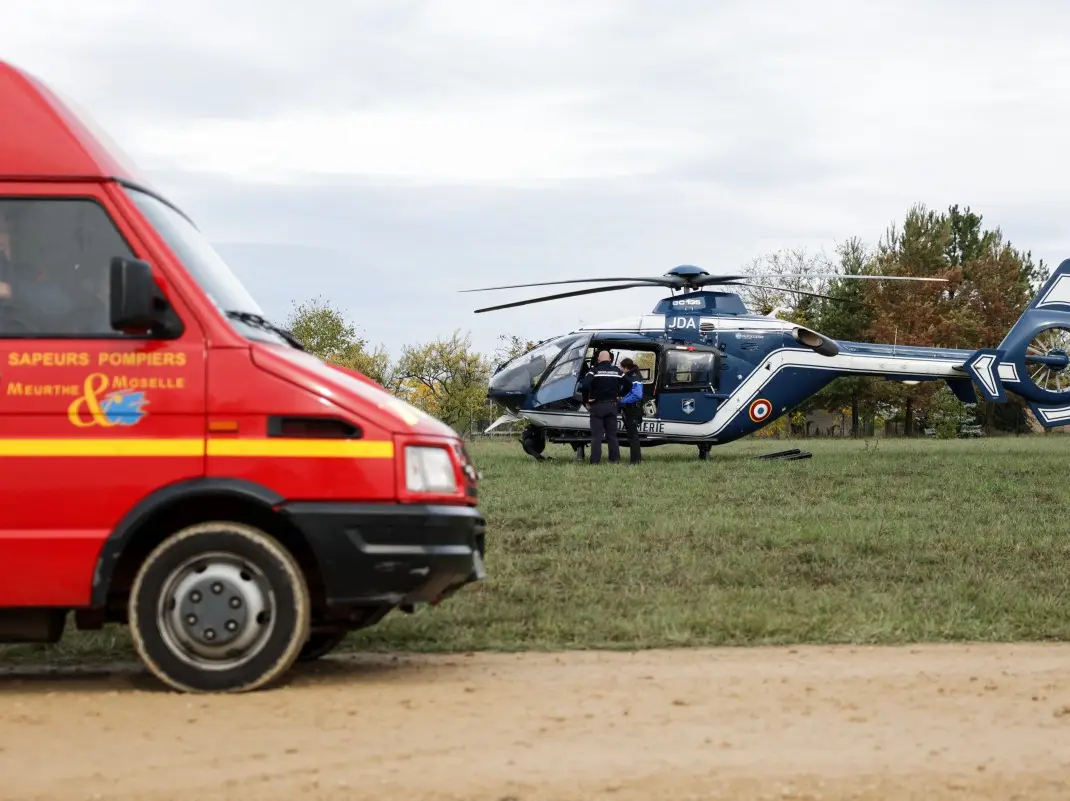
French military plane crashes in northeast France, one dead
&imwidth=180&imheight=135&format=webp&quality=medium)
Delhi HC agrees to hear Neha Bora's plea against 'maintain peace' directive on 'urgent basis'
Uttar Pradesh (Braj Region)
Lathmar Holi (Barsana & Nandgaon): Women playfully hit men with sticks (lathis) while men defend themselves with shields, recreating the playful teasing of Radha and Krishna.
Phoolon Ki Holi (Vrindavan): Celebrated at the Banke Bihari Temple using fragrant flower petals instead of artificial colours.
West Bengal & Odisha
Dol Jatra / Basant Utsav: Known as the "Swing Festival," idols of Krishna and Radha are placed on decorated palanquins and taken in processions. In Shantiniketan, the celebration (introduced by Rabindranath Tagore) involves students performing songs, dances, and poetry recitals.
Punjab
Hola Mohalla: Initiated by Guru Gobind Singh, this three-day event in Anandpur Sahib features displays of Sikh martial arts, mock battles, and wrestling.
Maharashtra
Rang Panchami: Celebrated five days after Holi, often involving "Dahi Handi" events where human pyramids break pots of buttermilk, similar to Janmashtami.
Goa
Shigmo: A massive spring festival lasting up to a month, featuring vibrant street parades, traditional folk dances (like Ghode Modni), and drum beats.
Manipur
Yaosang: A six-day festival combining Hindu and local traditions, highlighted by the Thabal Chongba folk dance performed under the moonlight.
Other Unique Traditions
Masaan Holi (Varanasi): Aghoris and devotees play with ashes from funeral pyres at the Manikarnika Ghat to honour Lord Shiva.
Kumaoni Holi (Uttarakhand): A musical celebration where people sing classical ragas themed around the festival for several weeks.
Manjal Kuli (Kerala): Celebrated primarily by the Konkani community using turmeric water as the main colour.
What is history?
The origins of Holi are linked to a Hindu mythological story in which the demon king Hiranyakashyap tried to kill his son, Prahlad. For this, the demon king sought help from his sister, Holika, who attempted to burn Prahlad alive. However, Prahlad survived the fire due to his devotion, while Holika was burnt to ashes. This story forms the spiritual basis of the festival and is remembered a day before Rangwali Holi.
The occasion is observed with the lighting of a bonfire called ‘Holika Dahan’, symbolising the victory of faith and righteousness over evil. Rangwali Holi celebrates the divine love of Radha and Krishna and also marks the arrival of spring and the end of winter in India.

