UPSC and Civil Engineering now useless? Google’s DeepMind now plans and designs city infrastructure

&imwidth=600&imheight=450&format=webp&quality=medium "UPSC and Civil Engineering now useless? Google’s DeepMind now plans and designs city infrastructure")
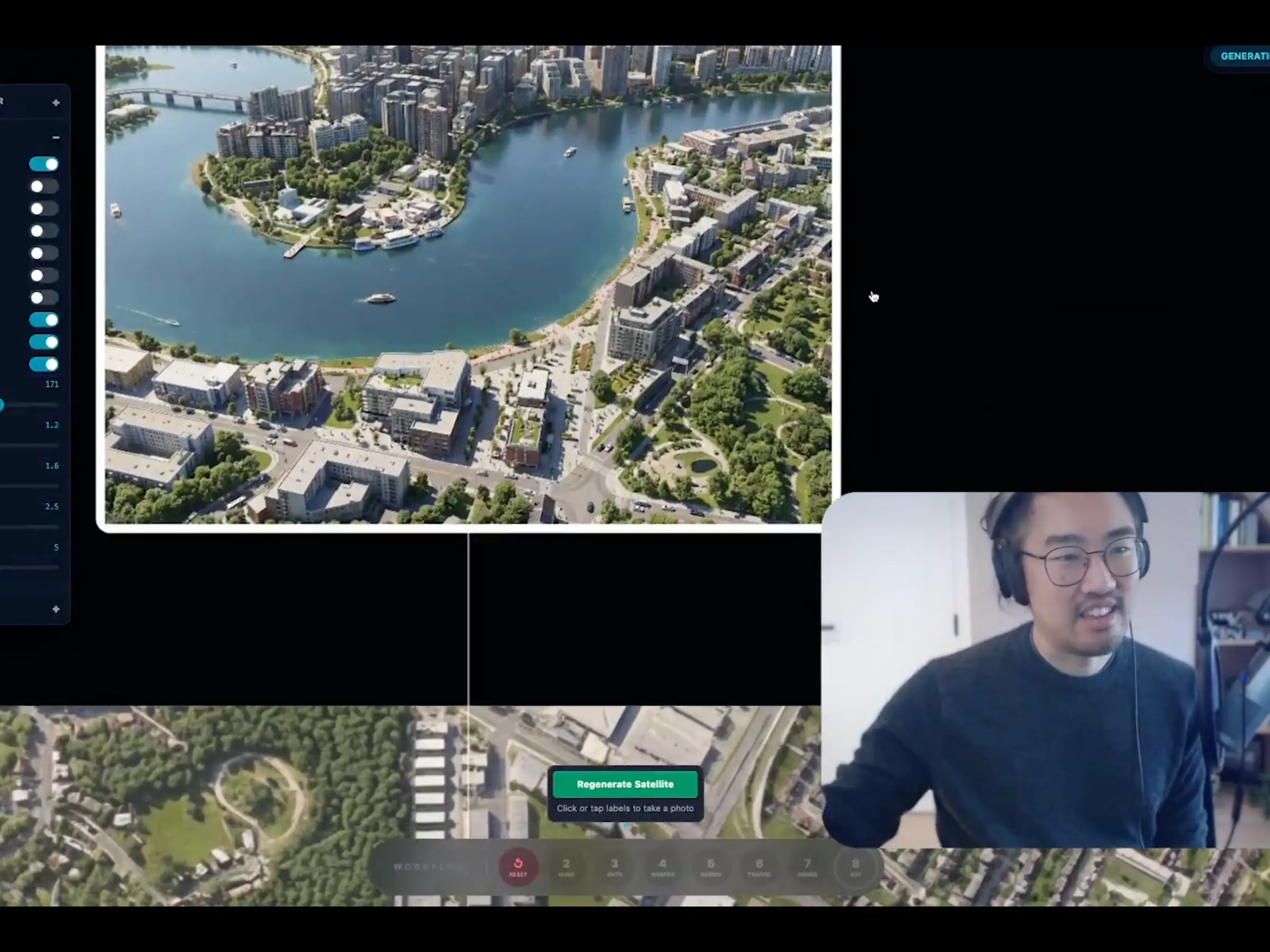
Gemini 3.1 Pro can help design unveils AI city planning Photograph: (Google DeepMind)
Google DeepMind has demonstrated Gemini 3.1 Pro, which can help simulate and optimise city infrastructure, including roads and traffic systems. While AI can analyse complex urban data and suggest improvements, it will support, not replace, civil engineers and administrators.
Artificial intelligence is slowly entering sectors once considered purely human-driven. The latest example comes from Google DeepMind, which has demonstrated an AI system capable of planning and designing parts of city infrastructure.
The development has triggered debate online, with some questioning whether careers such as civil engineering or urban planning could face disruption in the future.
However, experts say the reality is more complex.
What did Google DeepMind announce?
Google DeepMind shared a post on X, in which they demonstrated that Gemini 3.1 Pro can help design and optimise city infrastructure layouts.
The system can simulate urban environments and suggest improvements in road networks, traffic systems and infrastructure planning. The focus is on efficiency, sustainability and better use of land and resources.
DeepMind has been working on applying artificial intelligence to real-world challenges, including energy optimisation and traffic management. Earlier, DeepMind collaborated with Google to reduce data centre energy use by up to 40 per cent using AI-driven cooling systems.
Trending Stories
&im=FitAndFill=(700,400)&imwidth=280&imheight=210&format=webp&quality=medium)
&imwidth=280&imheight=210&format=webp&quality=medium)
&imwidth=280&imheight=210&format=webp&quality=medium)
&imwidth=280&imheight=210&format=webp&quality=medium)
&imwidth=280&imheight=210&format=webp&quality=medium)
&imwidth=280&imheight=210&format=webp&quality=medium)
&im=FitAndFill=(700,400)&imwidth=280&imheight=210&format=webp&quality=medium)
&imwidth=280&imheight=210&format=webp&quality=medium)
&imwidth=280&imheight=210&format=webp&quality=medium)
&imwidth=280&imheight=210&format=webp&quality=medium)
&imwidth=280&imheight=210&format=webp&quality=medium)
&imwidth=280&imheight=210&format=webp&quality=medium)
&imwidth=280&imheight=210&format=webp&quality=medium)
&imwidth=280&imheight=210&format=webp&quality=medium)
&imwidth=280&imheight=210&format=webp&quality=medium)
&imwidth=280&imheight=210&format=webp&quality=medium)
&imwidth=280&imheight=210&format=webp&quality=medium)
&imwidth=280&imheight=210&format=webp&quality=medium)
&imwidth=280&imheight=210&format=webp&quality=medium)
&imwidth=280&imheight=210&format=webp&quality=medium)
&imwidth=280&imheight=210&format=webp&quality=medium)
&imwidth=280&imheight=210&format=webp&quality=medium)
&imwidth=280&imheight=210&format=webp&quality=medium)
&imwidth=280&imheight=210&format=webp&quality=medium)
&imwidth=280&imheight=210&format=webp&quality=medium)
&imwidth=280&imheight=210&format=webp&quality=medium)
&imwidth=280&imheight=210&format=webp&quality=medium)
&imwidth=280&imheight=210&format=webp&quality=medium)
&imwidth=280&imheight=210&format=webp&quality=medium)
&imwidth=280&imheight=210&format=webp&quality=medium)
&imwidth=280&imheight=210&format=webp&quality=medium)
&imwidth=280&imheight=210&format=webp&quality=medium)
&imwidth=280&imheight=210&format=webp&quality=medium)
Now, it appears urban planning is also becoming an area of experimentation.
How does AI help in city planning?
Urban planning involves analysing large datasets traffic flow, population density, land use, energy demand and environmental impact. AI systems are particularly strong at handling complex data patterns.
Using machine learning models, AI can:
Simulate different infrastructure layouts
Predict traffic congestion
Suggest optimal road or building placements
Analyse environmental impact
Such tools do not replace engineers. Instead, they provide simulations and data-backed suggestions to support decision-making.
City infrastructure projects often cost billions of dollars and take years to complete. Even small efficiency improvements can reduce costs and improve sustainability.
Does this make civil engineering or UPSC roles useless?
The answer is no.
AI systems can generate models and suggestions, but final decisions still require human expertise, regulatory understanding and local governance knowledge.
Civil engineers deal with on-ground realities, safety standards, soil conditions, legal approvals and community concerns. Similarly, administrative officers under services like the UPSC manage policy execution, budgeting, public welfare and coordination between departments.
AI tools may assist in planning, but they cannot replace field inspections, public consultations or political accountability. Experts believe that the nature of these jobs may evolve rather than disappear.
AI in infrastructure: A growing trend
Globally, governments and technology firms are investing in “smart city” projects. AI is being used for:
Traffic signal optimisation
Water distribution monitoring
Predictive maintenance of bridges and roads
Urban heat mapping
According to industry reports, the global smart city market is expected to grow steadily over the next decade as cities adopt digital infrastructure.
Google DeepMind’s experiment fits into this broader shift, where AI becomes a tool for planning and analysis rather than direct replacement.
What this means for students and professionals
The rise of AI in urban planning suggests that future civil engineers and administrators may need new skills.
Data literacy, AI understanding and technology integration are becoming important alongside traditional engineering knowledge.
Instead of making degrees useless, AI may change what is expected from professionals.
The key question is not whether AI will replace infrastructure experts, but how professionals will work alongside AI systems.
