Samsung raises semiconductor prices by up to 15%: What’s driving the increase

&imwidth=600&imheight=450&format=webp&quality=medium "Samsung raises semiconductor prices by up to 15%: What’s driving the increase")
Samsung raises semiconductor prices by up to 15%: What’s driving the increase
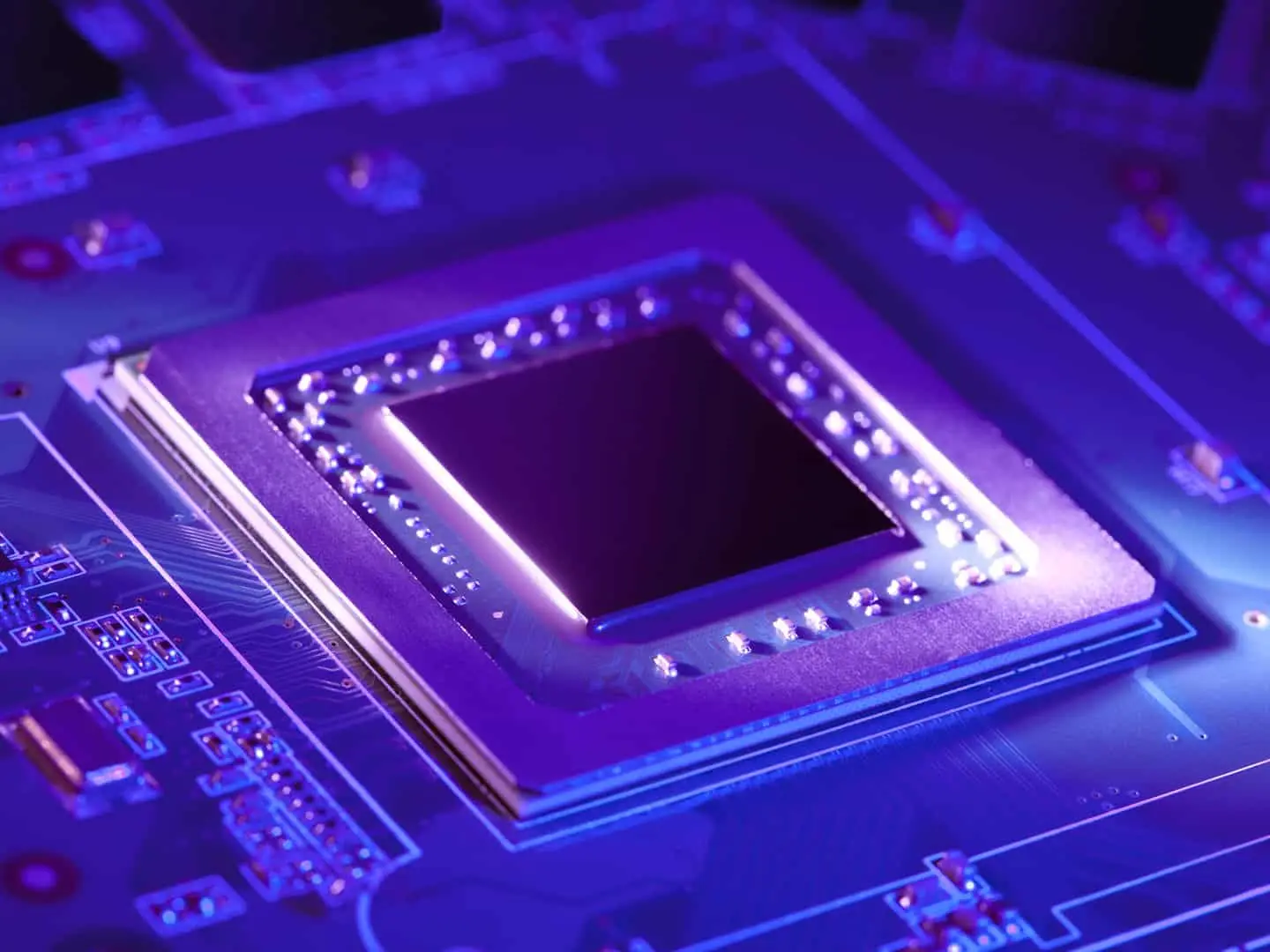
Samsung has reportedly raised prices for advanced foundry services by up to 15% as AI demand tightens chipmaking capacity. The move could strengthen Samsung's struggling foundry business, while customers face higher costs for advanced 4nm and 5nm chips.
Samsung Electronics has raised prices for some advanced chipmaking services by up to 15 per cent, according to people familiar with the matter, as the AI boom puts growing pressure on semiconductor manufacturing capacity.
The increase affects chips made using Samsung's 4nm, 5nm and 8nm processes. Customers in China and the US are facing the steepest increases, with some prices rising between 10% and 15%. The development is significant because Samsung's foundry business has struggled for years to compete with Taiwan Semiconductor Manufacturing Co, or TSMC.
Why are Samsung's chip prices rising?
The main reason is simple: AI companies need enormous amounts of advanced chips, but manufacturing capacity is limited.
TSMC remains the dominant player. Counterpoint estimates that it controlled about 73% of the pure-play foundry market in the first quarter of 2026, compared with 7% for Samsung Foundry. With TSMC's leading-edge capacity heavily booked, some customers are looking for alternatives. That gives Samsung more room to increase prices. Samsung's 4nm SF4 prices rose by 10% to 15% for customers in China and the US, according to Reuters' sources. Prices for Taiwan-based customers increased by 5% to 10%. Its 5nm SF5 wafers also became 10% to 15% more expensive, while 8nm prices rose by almost 10%. Samsung declined to comment on the reported changes.
China faces some of the biggest increases
Trending Stories
&imwidth=280&imheight=210&format=webp&quality=medium)
&imwidth=280&imheight=210&format=webp&quality=medium)
&imwidth=280&imheight=210&format=webp&quality=medium)
&imwidth=280&imheight=210&format=webp&quality=medium)
&imwidth=280&imheight=210&format=webp&quality=medium)
&imwidth=280&imheight=210&format=webp&quality=medium)
&im=FitAndFill=(700,400)&imwidth=280&imheight=210&format=webp&quality=medium)
&im=FitAndFill=(700,400)&imwidth=280&imheight=210&format=webp&quality=medium)
&imwidth=280&imheight=210&format=webp&quality=medium)
&imwidth=280&imheight=210&format=webp&quality=medium)
&imwidth=280&imheight=210&format=webp&quality=medium)
&imwidth=280&imheight=210&format=webp&quality=medium)
&imwidth=280&imheight=210&format=webp&quality=medium)
&imwidth=280&imheight=210&format=webp&quality=medium)
&imwidth=280&imheight=210&format=webp&quality=medium)
&imwidth=280&imheight=210&format=webp&quality=medium)
&imwidth=280&imheight=210&format=webp&quality=medium)
&imwidth=280&imheight=210&format=webp&quality=medium)
&imwidth=280&imheight=210&format=webp&quality=medium)
&imwidth=280&imheight=210&format=webp&quality=medium)
&imwidth=280&imheight=210&format=webp&quality=medium)
&imwidth=280&imheight=210&format=webp&quality=medium)
&imwidth=280&imheight=210&format=webp&quality=medium)
&imwidth=280&imheight=210&format=webp&quality=medium)
&imwidth=280&imheight=210&format=webp&quality=medium)
&imwidth=280&imheight=210&format=webp&quality=medium)
&imwidth=280&imheight=210&format=webp&quality=medium)
&imwidth=280&imheight=210&format=webp&quality=medium)
&im=FitAndFill=(700,400)&imwidth=280&imheight=210&format=webp&quality=medium)
&imwidth=280&imheight=210&format=webp&quality=medium)
&imwidth=280&imheight=210&format=webp&quality=medium)
&imwidth=280&imheight=210&format=webp&quality=medium)
&imwidth=280&imheight=210&format=webp&quality=medium)
&imwidth=280&imheight=210&format=webp&quality=medium)
&imwidth=280&imheight=210&format=webp&quality=medium)
&imwidth=280&imheight=210&format=webp&quality=medium)
Chinese customers are reportedly among those accepting the steepest price rises. US restrictions on advanced chipmaking equipment have made it harder for Chinese companies to access cutting-edge domestic manufacturing. That has increased their reliance on overseas foundries. At the same time, Samsung's own capacity is under pressure. Its SF4 line at the Pyeongtaek plant in South Korea has reportedly been running at full capacity since late 2025. The company is also reserving capacity for its own semiconductor products, including components used in high-bandwidth memory systems.
Samsung sees a chance to revive its foundry business
The price increase could be an important turning point for Samsung. Its foundry division has struggled with profitability since 2022, while its memory business has benefited enormously from AI demand. Samsung's overall semiconductor position has also strengthened through partnerships across the AI supply chain. Samsung and Broadcom recently announced a collaboration spanning memory, foundry and advanced packaging, with the companies expecting more than $200 billion of combined business through 2030. Samsung has also secured or pursued chipmaking relationships involving companies including Tesla, Apple, Nvidia and Google. Analysts now believe stronger demand, higher factory utilisation and better production yields could help Samsung's foundry business return to profitability sooner. The bigger picture is clear: the AI boom is no longer just increasing demand for powerful chips. It is also giving chipmakers more power to decide how much those chips cost.
