

&imwidth=800&imheight=600&format=webp&quality=medium "Apple Vision Pro and smarter Siri AI: How effective and futuristic will it really be to control everything with voice?")
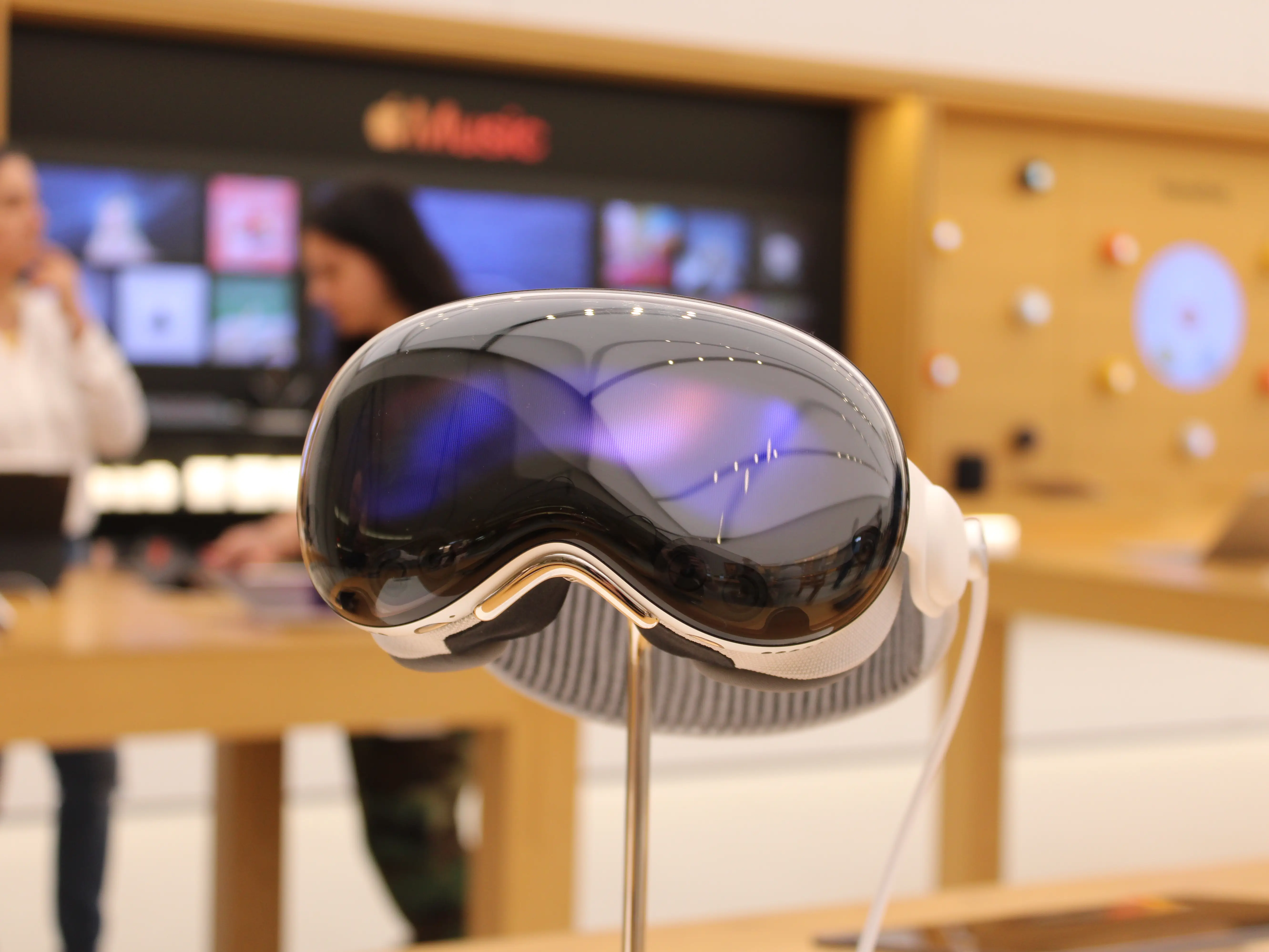
At WWDC 2026, Apple announced major upgrades to Siri AI and deeper integration of Apple Intelligence across its ecosystem, including Apple Vision Pro. Together, these updates suggest Apple is moving towards a future where users can interact with technology more naturally through voice, eye tracking and artificial intelligence.
The question, however, is whether voice control can truly replace traditional ways of using a computer.
Siri is becoming much more than a voice assistant
For years, Siri helped users perform simple tasks such as setting alarms, sending messages and checking the weather. The new Siri AI unveiled at WWDC 2026 is designed to do much more. According to Apple, Siri can now understand what is happening on a user's screen, remember context from previous conversations and perform actions across multiple applications. Instead of simply responding to commands, Siri is becoming an assistant capable of helping users complete complex tasks. For example, a Vision Pro user could ask Siri to find information from an email, create a calendar event, share a document and send a message without manually opening several apps. This is a significant shift from traditional computing, where users move between applications themselves.
Why Vision Pro is the perfect device for smarter Siri
While Siri upgrades will be available across Apple's ecosystem, Vision Pro may benefit more than any other device. That is because Vision Pro was designed around natural interaction from the beginning. Users already navigate visionOS through eye tracking, hand gestures and voice commands. The addition of a more intelligent Siri means many actions may require even less physical interaction. Imagine watching a presentation inside Vision Pro and asking Siri to summarise key points. Or looking at a restaurant recommendation and asking Siri to make a reservation. Users could potentially move between tasks through conversation rather than manually selecting menus and buttons. Apple's vision appears to be making technology feel less like operating a machine and more like interacting with an intelligent assistant.
Trending Stories
&im=FitAndFill=(700,400)&imwidth=180&imheight=135&format=webp&quality=medium)
What is the real meaning behind Pete Hegseth's tattoos?
&imwidth=180&imheight=135&format=webp&quality=medium)
Rising Asia Cup 2026 schedule announced, India-Pakistan clash set for Nov 22
&im=FitAndFill=(700,400)&imwidth=180&imheight=135&format=webp&quality=medium)
US midterm elections 2026: Minnesota heads to polls in the shadow of Minneapolis ICE shootings
&imwidth=180&imheight=135&format=webp&quality=medium)
Chemical warehouse explosion in Mexico: Several injured in multiple blasts, 1,000 evacuated in León
&imwidth=180&imheight=135&format=webp&quality=medium)
After France and Italy, protests erupt in Spain: What’s fueling the anger?
&imwidth=180&imheight=135&format=webp&quality=medium)
Saudi says debris fell in Mecca, Medina after missile interceptions; Houthis deny targeting holy cities
&imwidth=180&imheight=135&format=webp&quality=medium)
'My name has always been Ilhan Omar': Congresswoman hits back at Trump, calls him a 'creep'
&imwidth=180&imheight=135&format=webp&quality=medium)
AI slop or smart strategy? South African author Coral Hart defends Her 370 AI- assisted books in 20 months
&imwidth=180&imheight=135&format=webp&quality=medium)
French Open: PV Sindhu storms into final with win over Hina Akechi
&imwidth=180&imheight=135&format=webp&quality=medium)
Tu Hai Meri Kiran box office: Sonakshi Sinha and Zaheer Iqbal's film fails to take off, mints Rs 15 Lakh on day 1
&im=FitAndFill=(700,400)&imwidth=180&imheight=135&format=webp&quality=medium)
Watched Manoj Bajpayee’s Gajab Raat on Netflix? 5 movies and TV shows to watch next on OTT
&imwidth=180&imheight=135&format=webp&quality=medium)
Why Europe’s protests are about more than austerity and rising costs
&imwidth=180&imheight=135&format=webp&quality=medium)
Farooq Abdullah says Pakistan’s raising of Kashmir issue keeps pressure on Delhi
&imwidth=180&imheight=135&format=webp&quality=medium)
US Midterms 2026: Dead for years, paedophile Jeffrey Epstein finds mention in over 500 campaign ads; Texas alone spent $10 million
&imwidth=180&imheight=135&format=webp&quality=medium)
India-China face-off continues near Arunachal’s Taksing, reveals ITBP chief in first official confirmation of tensions
&imwidth=180&imheight=135&format=webp&quality=medium)
Chorbagan stampede: A week later, the strangest visarjan Kolkata has seen
&imwidth=180&imheight=135&format=webp&quality=medium)
Bodies of 2 missing Japanese climbers recovered from Himalayan peak
&imwidth=180&imheight=135&format=webp&quality=medium)
France protests: 135 arrested, weapons seized as fresh demonstrations erupt amid heavy security
&imwidth=180&imheight=135&format=webp&quality=medium)
'You’re a horrible little reporter, aren’t you?': Trump snaps at NBC reporter questioning his support for Ramaswamy's campaign ad
&imwidth=180&imheight=135&format=webp&quality=medium)
Tu Hai Meri Kiran film review: Sonakshi Sinha and Zaheer Iqbal's thriller gets tangled in its own twists
&imwidth=180&imheight=135&format=webp&quality=medium)
Horrific video shows the moment 18-year-old fell to her death from Mexico amusement park ride
&imwidth=180&imheight=135&format=webp&quality=medium)
AI just found a flaw in software running most of the web! One request hijacks the server
&imwidth=180&imheight=135&format=webp&quality=medium)
Albania protests enter 12th day as students clash with police, demand Rama's exit
&imwidth=180&imheight=135&format=webp&quality=medium)
Britain is building the world's first AI biosecurity lab, with OpenAI and Anthropic inside
&imwidth=180&imheight=135&format=webp&quality=medium)
Can Putin cheat death? All about his daughter’s billion-dollar quest for immortality
&imwidth=180&imheight=135&format=webp&quality=medium)
Pakistan airline PIA unveils new crew uniforms, faces online criticism
&imwidth=180&imheight=135&format=webp&quality=medium)
Pezeshkian says Iranians ‘struggling to put food on the table’ as war with US drags on
&im=FitAndFill=(700,400)&imwidth=180&imheight=135&format=webp&quality=medium)
New Friday OTT releases (October 23, 2026): Gajab Raat, Dorothy, Chaar Yaar- Watch these 6 new movies and TV shows on Netflix, Prime Video and more
&imwidth=180&imheight=135&format=webp&quality=medium)
UK Police confirm receiving letter containing number of claims about Meghan Markle's father in 2019, not 2018
&imwidth=180&imheight=135&format=webp&quality=medium)
Hitler’s ‘Eagle’s Nest’ mountain retreat wrecked by fire, suspect detained: What to know about the Nazi-era site
&imwidth=180&imheight=135&format=webp&quality=medium)
Trump invokes Operation Sindoor at US midterm rally, claims 250% tariffs stopped India-Pakistan war
&imwidth=180&imheight=135&format=webp&quality=medium)
Viral video shows cross falling on Colombia priest, no official confirmation | WATCH
&imwidth=180&imheight=135&format=webp&quality=medium)
France protests: Clashes erupt between police and protesters in Paris as nearly 410,000 take to streets across country
&imwidth=180&imheight=135&format=webp&quality=medium)
'Already tired of his 9-to-5': Baby born with a moustache becomes internet sensation, video goes viral | Watch
&imwidth=180&imheight=135&format=webp&quality=medium)
Could you survive 3 days without power? UK tells households to prepare now
Could voice become the next major computing interface?
The idea of controlling computers through voice has existed for decades. However, earlier voice assistants often struggled with context, complex requests and natural conversation. Recent advances in artificial intelligence are changing that. Large language models and AI systems can now understand intent much better than previous generations of software. Apple's new Siri AI benefits from these improvements while combining them with personal information stored across a user's devices. This allows Siri to understand requests in ways that were previously difficult. Instead of saying a specific command, users can speak naturally. Siri can interpret meaning, gather information from different apps and complete actions automatically. Industry experts increasingly believe that voice could become one of the primary ways people interact with technology in the future, especially when combined with AI.
But voice control still has limitations
Despite the progress, voice control is unlikely to replace traditional interfaces entirely. There are situations where speaking aloud is not practical. People often work in shared offices, public spaces or quiet environments where voice commands may be inconvenient. Complex tasks such as video editing, spreadsheet analysis or software development may also still require visual interfaces and precise controls.
Even Apple appears to recognise this reality.
Vision Pro continues to support eye tracking, gestures and traditional interaction methods alongside voice control. Rather than replacing existing interfaces, Siri AI is being positioned as an additional layer that makes technology easier to use. In other words, the future may not be voice-only but voice-first.
Apple is building an ecosystem that works together
Perhaps the most important aspect of Apple's announcements is not Siri itself but how Siri connects the entire ecosystem. Apple Intelligence now works across iPhone, iPad, Mac, Apple Watch and Vision Pro. A user could begin a task on an iPhone, continue it on a Mac and complete it inside Vision Pro while Siri maintains awareness of the context throughout the process. For example, travel plans discussed in Messages could automatically appear in Calendar. Documents viewed on a Mac could be accessed through Vision Pro. Siri can then help users find information or complete tasks regardless of which device they are using. This level of integration is one reason many analysts see Apple's AI strategy as different from standalone chatbot products.
Vision Pro offers a glimpse of Apple's long-term vision
The updates announced at WWDC 2026 suggest that Apple sees Vision Pro as more than a mixed-reality headset. It is becoming a testing ground for new ways of interacting with computers. By combining artificial intelligence, spatial computing, eye tracking, voice interaction and connected devices, Apple is gradually reducing the need for traditional interfaces. The company is not eliminating keyboards, touchscreens or gestures. Instead, it is making them less necessary in certain situations.
