'Something big is already happening': UCI Director General Amina Lanaya sees Pune as Asia’s cycling future

&imwidth=600&imheight=450&format=webp&quality=medium "'Something big is already happening': UCI Director General Amina Lanaya sees Pune as Asia’s cycling future")
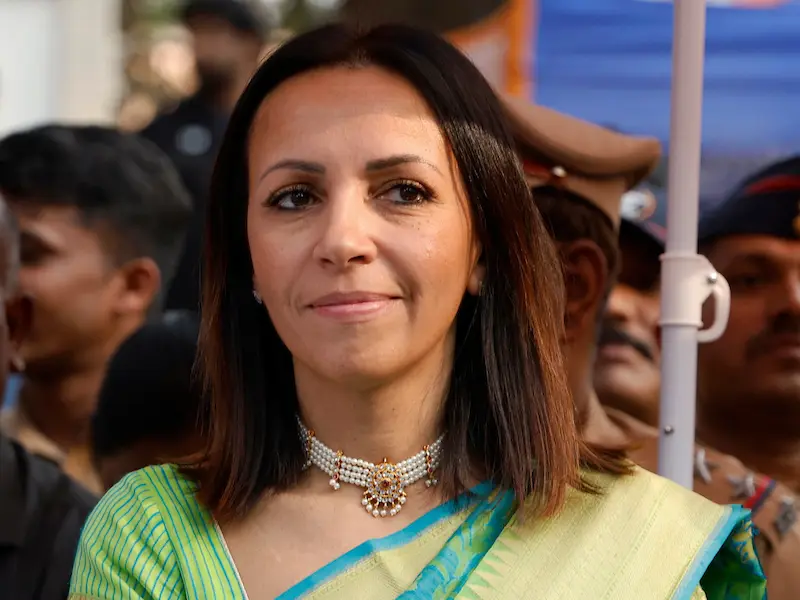
Amina Lanaya, Director General of the Union Cycliste Internationale (UCI) Photograph: (Pune Grand Tour)
UCI Director General Amina Lanaya says the Pune Grand Tour could become Asia’s cycling reference, praising India’s organisation, crowds, and long-term vision
When Amina Lanaya, Director General of the Union Cycliste Internationale (UCI), speaks about cycling, she doesn’t just talk about races; she talks about legacy, universality, and belief. Standing on Indian soil during the Pune Grand Tour 2026, her message was clear: something big is already happening, and something even bigger is coming. “Something big is already happening now with the Bajaj Pune Grand Tour 2026,” Lanaya said, hinting at ambitions to upgrade the race’s status as early as next year.
The vision, she explained, is not just to grow another event, but to build a reference point for Asia over the next five years, backed jointly by local authorities, the national federation, and the UCI itself. What impressed the UCI most was not just scale, but speed and quality. Organised in just six months, the Pune Grand Tour delivered a level of professionalism that Lanaya openly admired. “We are really impressed by the quality of this organisation,” she said, underlining that safety, rider participation, international representation, and logistics remain non-negotiable benchmarks for race upgradation. But beyond logistics and governance, it was the Indian public that left the strongest impression on her.
“The crowds along the roads, but not only the crowds, the smiling faces,” Lanaya noted. Cycling, she pointed out, is a rare elite sport that remains accessible to spectators, free of ticket barriers. That accessibility, combined with initiatives like the blue jersey for the top Indian rider, helps fans connect with heroes of their own. At the heart of UCI’s India push is inspiration. Lanaya wants cycling to move beyond being just a transport tool or niche pursuit. “I would like cycling to take the same place in the hearts of Indians as cricket does, or maybe more,” she said, only half-joking.
The conversation also touched on tougher global issues, including Olympic quota cuts to ensure gender parity. Lanaya acknowledged the difficulty of reducing rider slots for traditional powerhouses but stressed the importance of universality and equality. “We are here to globalize cycling and to give more opportunities to countries that need our help and support,” she explained. For India and Asia, that support won’t stop at hosting events. The UCI plans to actively develop riders through its World Cycling Centre in Switzerland and regional satellites across Asia. The goal: talent identification, structured development, and international race exposure, across road cycling, BMX, and other disciplines that offer easy entry points for young riders.
Importantly, Lanaya made it clear that success will depend on collaboration. National federations, local organisers, and governing bodies must work together to ensure talent doesn’t just emerge, it stays, grows, and wins. Her confidence comes from precedent. The UCI’s World Championships in Kigali, Rwanda, once viewed with hesitation, turned into a global success story. “Asia is capable,” she said firmly, “and has proven that it can do even more, and do better than any other country.”
Trending Stories
&imwidth=280&imheight=210&format=webp&quality=medium)
&imwidth=280&imheight=210&format=webp&quality=medium)
&imwidth=280&imheight=210&format=webp&quality=medium)
&imwidth=280&imheight=210&format=webp&quality=medium)
&imwidth=280&imheight=210&format=webp&quality=medium)
&imwidth=280&imheight=210&format=webp&quality=medium)
&imwidth=280&imheight=210&format=webp&quality=medium)
&imwidth=280&imheight=210&format=webp&quality=medium)
&imwidth=280&imheight=210&format=webp&quality=medium)
&imwidth=280&imheight=210&format=webp&quality=medium)
&imwidth=280&imheight=210&format=webp&quality=medium)
&imwidth=280&imheight=210&format=webp&quality=medium)
&imwidth=280&imheight=210&format=webp&quality=medium)
&imwidth=280&imheight=210&format=webp&quality=medium)
&imwidth=280&imheight=210&format=webp&quality=medium)
&imwidth=280&imheight=210&format=webp&quality=medium)
&imwidth=280&imheight=210&format=webp&quality=medium)
&imwidth=280&imheight=210&format=webp&quality=medium)
&imwidth=280&imheight=210&format=webp&quality=medium)
&imwidth=280&imheight=210&format=webp&quality=medium)
&imwidth=280&imheight=210&format=webp&quality=medium)
&imwidth=280&imheight=210&format=webp&quality=medium)
&imwidth=280&imheight=210&format=webp&quality=medium)
&imwidth=280&imheight=210&format=webp&quality=medium)
&imwidth=280&imheight=210&format=webp&quality=medium)
&imwidth=280&imheight=210&format=webp&quality=medium)
&im=FitAndFill=(700,400)&imwidth=280&imheight=210&format=webp&quality=medium)
&im=FitAndFill=(700,400)&imwidth=280&imheight=210&format=webp&quality=medium)
&imwidth=280&imheight=210&format=webp&quality=medium)
&imwidth=280&imheight=210&format=webp&quality=medium)
&imwidth=280&imheight=210&format=webp&quality=medium)
&imwidth=280&imheight=210&format=webp&quality=medium)
&imwidth=280&imheight=210&format=webp&quality=medium)
As for other Indian cities aspiring to host UCI-accredited races, her advice was refreshingly practical: learn from Pune. Work with district collectors, align with the national federation, and understand the broader impact, from tourism to economic growth to global visibility. The roadmap, Lanaya hinted, could one day lead India not just to bigger tours, but to hosting UCI World Championships themselves.

