Not just Khalistani terrorists, Canada is sheltering Bangladesh's founding father's alleged killer too

Noor Chowdhury
The heightened tensions between India and Canada, stemming from the killing of Khalistani terrorist Hardeep Singh Nijjar, have now prompted Bangladesh to point its fingers at Canada's extradition policies.
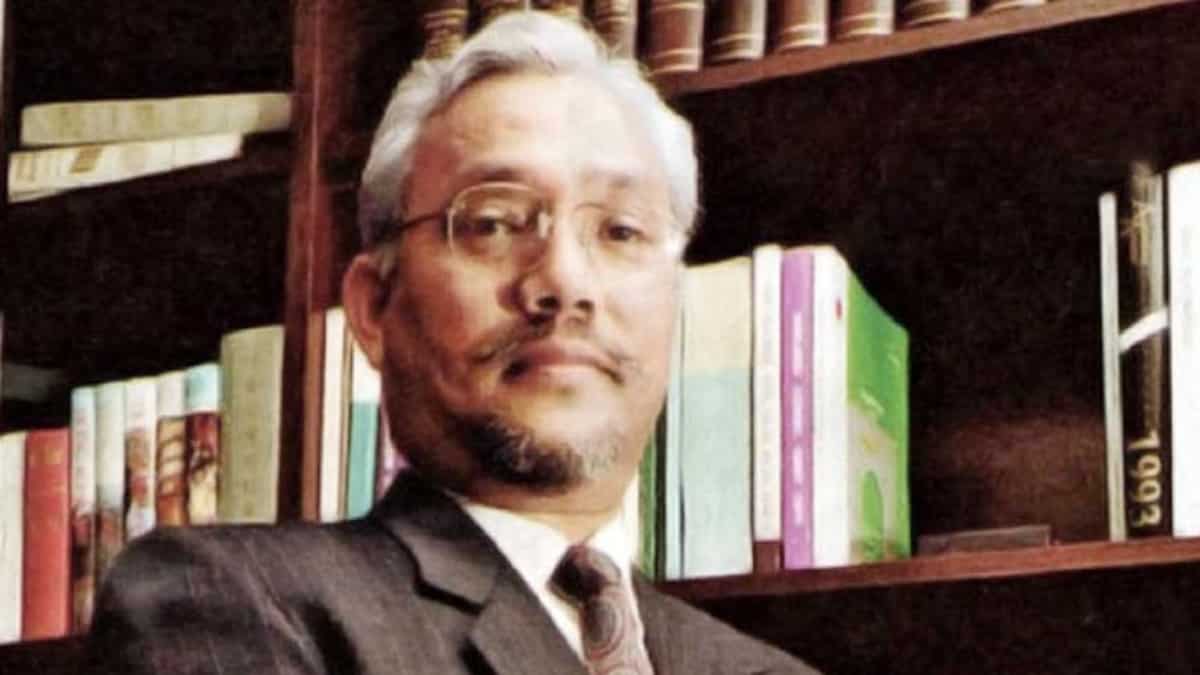
At the heart of this controversy lies Canada's refusal to extradite Noor Chowdhury, the confessed assassin of Bangladesh's founding father, Sheikh Mujibur Rahman. India's relentless flagging of the Canadian refuge to the Khalistani forces that call for secession and Bangladesh's bid to bring Mujibur Rahman's killer to justice, have coincided at this crucial geopolitical hour.
Also read |On row with Canada over Nijjar's murder, India's Jaishankar urges Ottawa to share specifics

In an interview with India Today, Bangladesh's Foreign Minister, AK Abdul Momen, made a strong and direct assertion: "Canada should not become a sanctuary for murderers. While killers find refuge in Canada and live comfortably, their victims' families continue to suffer."
What does it mean?
This criticism underscores a growing sentiment among nations that Canada's extradition stance, particularly its opposition to the death penalty, is increasingly seen as shielding criminals, terrorists and secessionists.
)
The Royals enter the Doctor Who universe: King Charles and Queen Camilla beam into Commonwealth Games in TARDIS
)
Woman used AI to tell court what happened the night her ex-boyfriend 'raped' her. It was a bad idea
)
'First dumb AI': Meta AI blocks Indian PM Modi's video in his own country, allows abuse ads and deletes livelihoods without explanation
)
India avoids higher US tariff, secures lower 10% rate. Here's how
)
He predicted COVID-19 and 2008 economic crisis, was labeled fearmonger. Now he has another dire warning
)
Sadie Sink's leaked Spider-Man: Brand New Day clip fuels fresh Jean Grey speculation
)
RSS backed Jantar Mantar student protest? Mohan Bhagwat's 'question authority' remark resurfaces
)
ChatGPT invoked God, told pastor not to worry about his symptoms. Then pulmonary embolism hit
)
Rahul Gandhi slams BJP for felicitating Dharmendra Pradhan in Parliament, accuses Modi government of 'celebrating ruined futures'
)
'Islamic Republic will never make a deal with the US': Iran deputy speaker echoes Araghchi’s remark
)
NEET Protests riddled with misinformation? Delhi Police blocks 480 Pakistan-based handles spreading 'fake news' since Operation Sindoor
)
'Spreading deepfakes, deleted PM Modi's video': Why Meta AI should be banned in India for interfering in Indian economy and democracy
)
You are a 'Naked Official' in China if you hold high posts and have children or spouse abroad. What about India?
)
'Very unimpactful': Trump downplays Russian support for Iran, promises to 'ask Putin' about Zelensky's claims
)
Delhi Police issues BIG statement on viral 'don't leave national capital without permission' notice | FACT CHECK
)
Over 70% of Indian suicides abroad occur in Gulf countries, MEA data shows
)
Earthquake of magnitude 7.1 strikes Japan's Kumamoto prefecture, tsunami warning issued
)
Trump says Iranian school bombing photos could be AI-generated - 'I don’t think...'
)
China deploying advanced fighter jets closer to India's northern frontier
)
Who will benefit from Kapil Sibal's ₹1 crore legal aid fund for NEET protesters? This is what we know
)
Giant iceberg flips violently near Greenland exposing its underside - 'I didn't know they could do that'
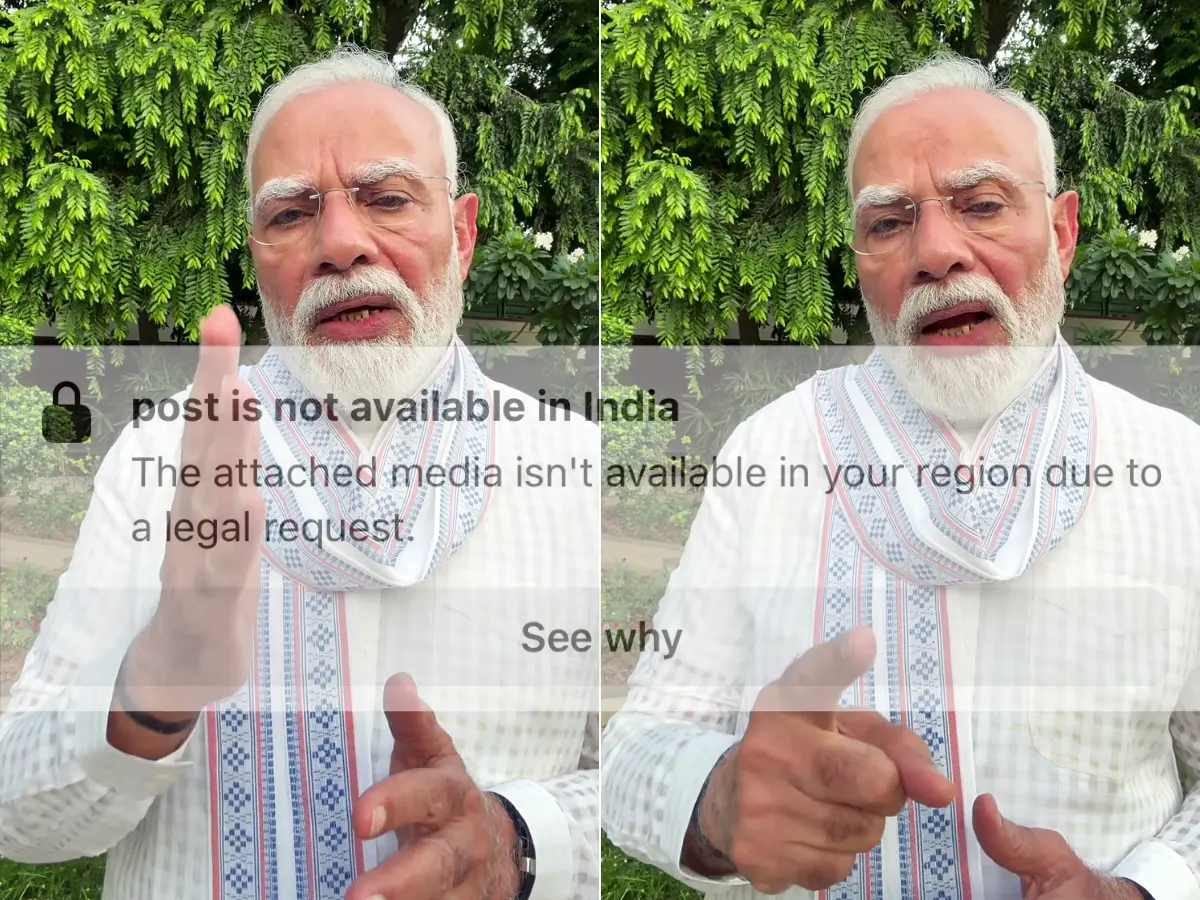)
Why did Meta remove PM Modi's Facebook video on paper leaks? Tech company blames 'technical error'
)
Asim Munir eyes defence deal with Qatar & Turkiye after Kuwait as Pakistan seeks investments | Gravitas
)
'Worst quality AI in market': Meta AI's moderation fail hits PM Modi and Indian Democracy
)
‘Kill Melania, Barron’: Why is IRGC-linked media outlet urging ‘freedom fighters’ to assassinate Trump’s family? WATCH
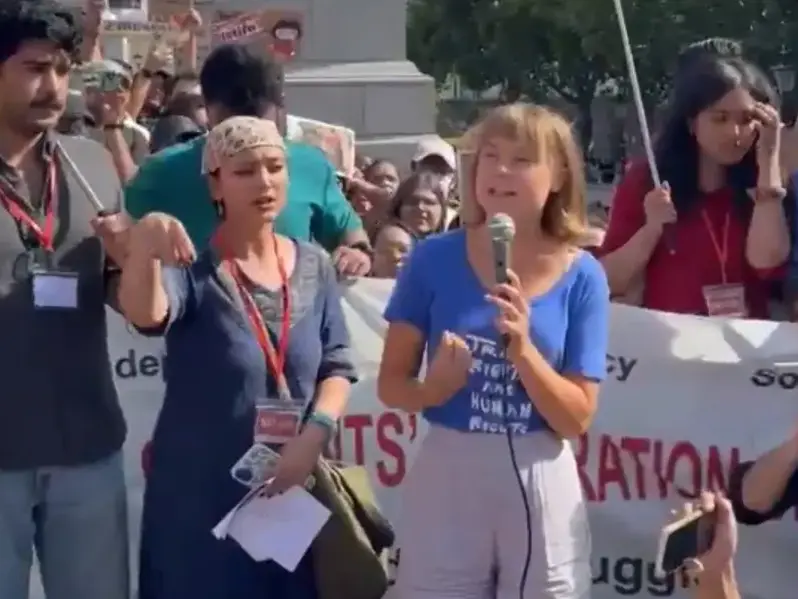)
'Broader struggle for democracy...': Greta Thunberg joins Indian students protest in London - What she said
)
Russia-Ukraine War: Russia drops 3-tonne Glide bombs on Ukraine
)
NEET aspirant ends her life in Maharashtra after falling 11 marks short of cut-off
)
3,000 years ago, humanity spoke thousands of languages — then fell silent. Where did they all go?
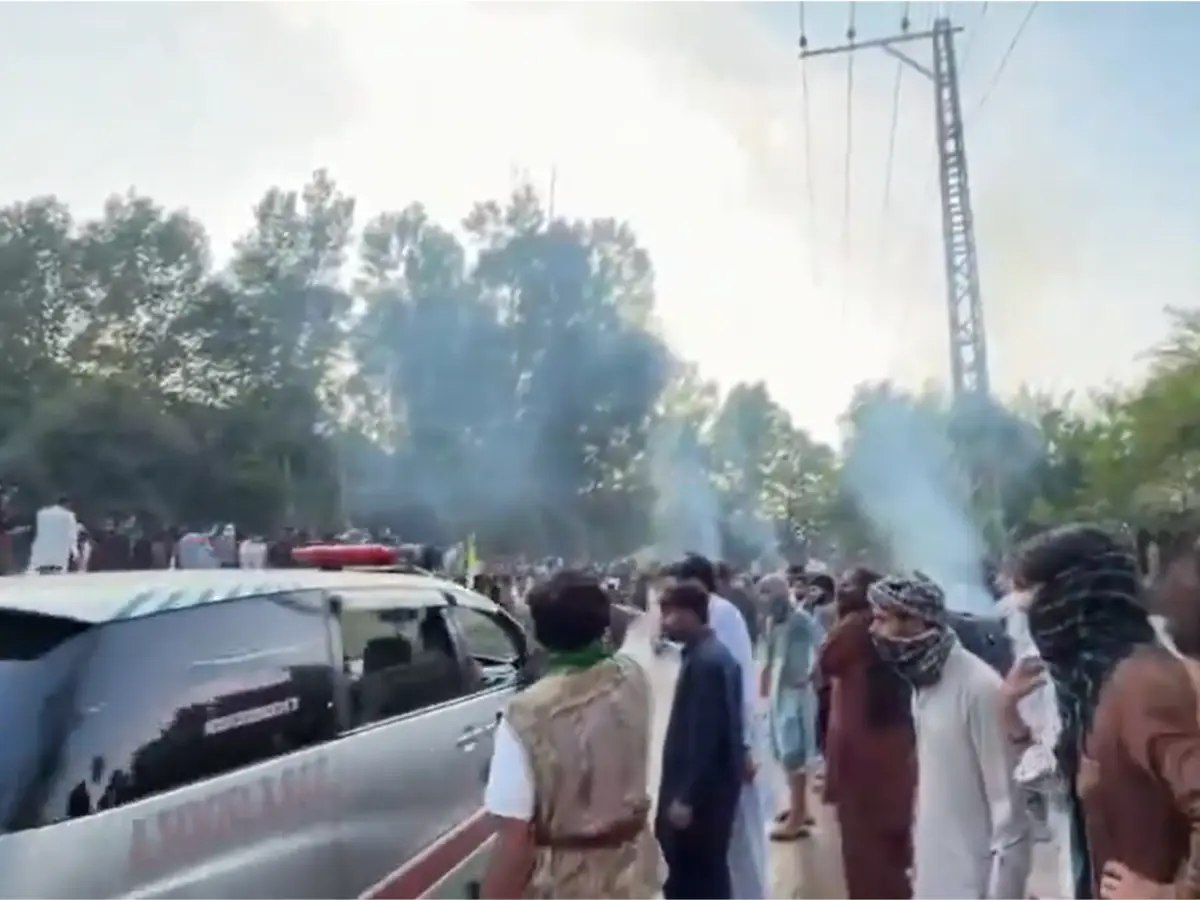)
Pakistan-occupied Kashmir election turns violent: 19 killed, protests intensify as rigging allegations fly
)
Tom Cruise's daughter Suri drops his surname; adopts Katie Holmes' middle name Noelle
)
Jennifer Lopez's ex-husband Ojani Noa claims he confronted Sean 'Diddy' Combs over alleged affair
Momen went on to discuss the issue of capital punishment, stating, "Our judiciary operates independently, and the government cannot interfere. However, [Noor Chowdhury] could receive a life sentence upon returning to Bangladesh. Both Noor Chowdhury and Rashid Chowdhury could appeal for a presidential mercy petition, which may commute their sentences from execution to life imprisonment."
Is Canada exploiting the concept of human rights to shield criminals?
The Bangladeshi foreign minister's remarks also touched on a broader global concern: the potential misuse of human rights. He said, "The concept of human rights is sometimes exploited, allowing individuals to shield killers, murderers, and terrorists. This is regrettable."
Also watch |India-Canada diplomatic row escalates: Wanted in India, living in Canada
"We are saying that Canada’s government is a government of the rule of law, they believe in the legal system. Canada must not be a hub of all the murderers. The murderers can go to Canada and take shelter, and they can have wonderful life while those he killed, their relatives are suffering. So, we have been asking the Canadian government to deport them. They know it, but unfortunately, currently they don't even talk to us on this issue."
Bangladesh comes in India's support over Delhi-Ottawa standoff: What does it mean?
Bangladesh's assertion has shifted the spotlight onto Canada's extradition policies.
The unfolding events will not only impact bilateral relations but also set a precedent for how nations navigate the complex issue of extradition in a globalisedworld.
WATCH WION LIVE HERE
You can now write for wionews.com and be a part of the community. Share your stories and opinions with us here.