India, Taliban hold talks in Kabul: Why Afghanistan might bear the brunt of worsening India-Pakistan relations

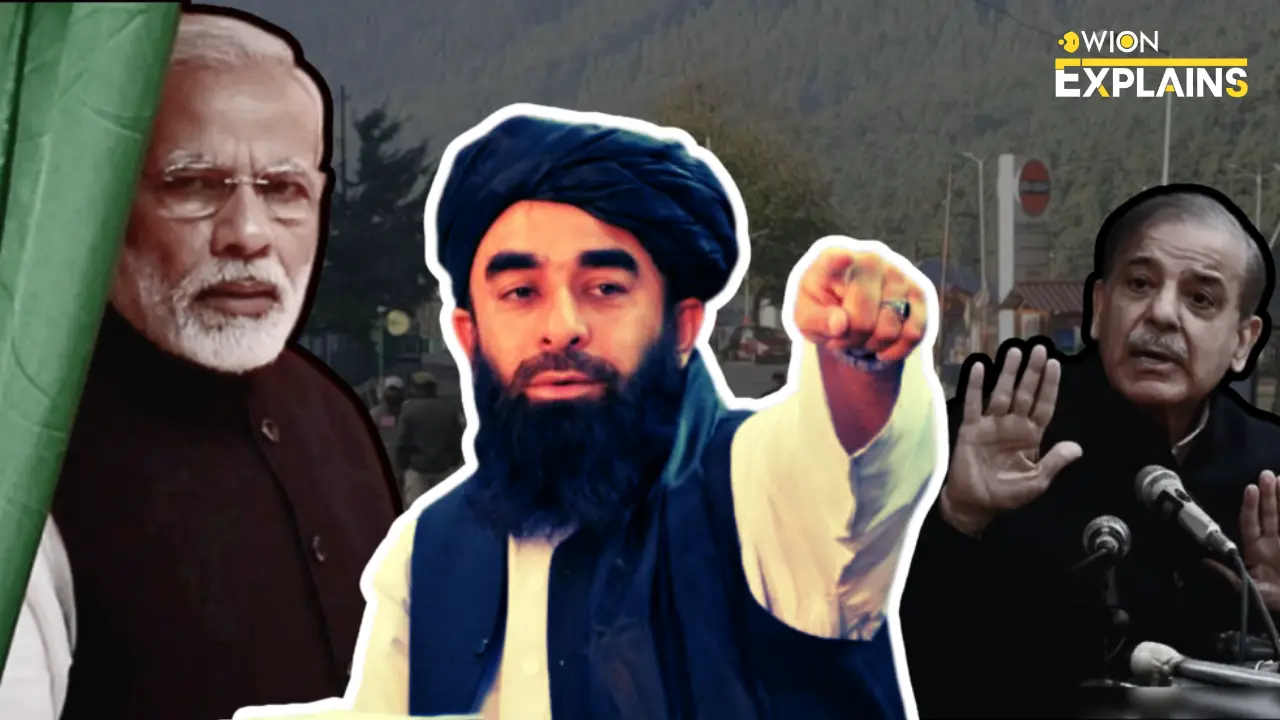
World | How the Taliban-led Afghanistan government balances the two nuclear-armed nations amid rising tensions between India and Pakistan after Pahalgam terror attack remains to be seen.
Amid ongoing tensions between India and Pakistan and both the country's actions against each other in the aftermath of the Pahalgam terror attack, New Delhi's point-person on Afghanistan Anand Prakash held talks with Taliban's acting Foreign Minister Amir Khan Muttaqi in Kabul. They discussed political and trade issues and the Afghanforeign minister emphasised the expansion of political and economic relations with India. Just a day after the meeting, the Taliban issued a statement saying that Afghanistan is “no threat to India.”
With India-Pakistan ties at the brink of collapsing, and trade routes shut, New Delhi and Kabul attempt to build trust in what could be an uncertain future for Afghanistan amid geopolitical rivalry between two nuclear armed-nations.
Why Afghanistan might bear the burnt of worsening Indo-Pak relations?
Afghanistan, in the past, has been caught in the crossfire between India and Pakistan. As per reports, during the Kargil war when the Taliban was close to Islamabad, India supported anti-Taliban forces (Northern Alliance), escalating proxy dynamics. After the Uri attack in 2016, India became more vocal about cross-border terrorism, including in Afghanistan. Similarly, after the 2019 Pulwama attack, India increased intelligence cooperation with Afghan authorities intending to keep an eye on the activities of Pakistan-based terror organisation, reports suggest.
With the fallout of India-Pakistan relations, Afghanistan fears regional polarisation as its soil can be used for proxy activities by Pakistan-based terrorist organisations like Jaish-e-Mohammed(JeM) or Lashkar-e-Taiba (LeT). It is a tricky situation in Afghanistan as it cannot take sides amid the big geopolitical rivalry, even as it might be the biggest loser with its stability at stake.
India has viewed the Taliban with scepticism due to its historical links with Pakistan’s ISI and past hostility. Scrutinising the Taliban and its activities will be among the top priorities for the intelligence agencies and Kabul is aware of this. It would not want its territory to be used as a base for anti-India groups inviting the ire of New Delhi. There's also a fear of American-made weapons making their way to J&K from Afghanistan. As per reports, these weapons were found in Pulwama in 2017-2018 and in areas of Kishtwar-Kathua in 2022-2024. Taking the cue, the Taliban was quick to condemn the Pahalgam terror attack, adding that "such incidents undermine efforts to ensure regional security and stability." India, meanwhile, is likely to take a dual-track approach in its ties with Kabul - New Delhi will engage selectively for strategic presence while preparing for increased security risks if Pakistan tries to exploit Afghan territory.
Trending Stories
&imwidth=280&imheight=210&format=webp&quality=medium)
&imwidth=280&imheight=210&format=webp&quality=medium)
&imwidth=280&imheight=210&format=webp&quality=medium)
&imwidth=280&imheight=210&format=webp&quality=medium)
&imwidth=280&imheight=210&format=webp&quality=medium)
&imwidth=280&imheight=210&format=webp&quality=medium)
&imwidth=280&imheight=210&format=webp&quality=medium)
&imwidth=280&imheight=210&format=webp&quality=medium)
&imwidth=280&imheight=210&format=webp&quality=medium)
&imwidth=280&imheight=210&format=webp&quality=medium)
&im=FitAndFill=(700,400)&imwidth=280&imheight=210&format=webp&quality=medium)
&imwidth=280&imheight=210&format=webp&quality=medium)
&imwidth=280&imheight=210&format=webp&quality=medium)
&imwidth=280&imheight=210&format=webp&quality=medium)
&imwidth=280&imheight=210&format=webp&quality=medium)
&imwidth=280&imheight=210&format=webp&quality=medium)
&imwidth=280&imheight=210&format=webp&quality=medium)
&imwidth=280&imheight=210&format=webp&quality=medium)
&imwidth=280&imheight=210&format=webp&quality=medium)
&imwidth=280&imheight=210&format=webp&quality=medium)
&imwidth=280&imheight=210&format=webp&quality=medium)
&imwidth=280&imheight=210&format=webp&quality=medium)
&imwidth=280&imheight=210&format=webp&quality=medium)
&imwidth=280&imheight=210&format=webp&quality=medium)
&imwidth=280&imheight=210&format=webp&quality=medium)
&imwidth=280&imheight=210&format=webp&quality=medium)
&imwidth=280&imheight=210&format=webp&quality=medium)
&imwidth=280&imheight=210&format=webp&quality=medium)
&imwidth=280&imheight=210&format=webp&quality=medium)
&imwidth=280&imheight=210&format=webp&quality=medium)
&imwidth=280&imheight=210&format=webp&quality=medium)
&imwidth=280&imheight=210&format=webp&quality=medium)
&imwidth=280&imheight=210&format=webp&quality=medium)
&imwidth=280&imheight=210&format=webp&quality=medium)
Read More | US Navy fighter jet worth $60 million lost at sea after it fell off aircraft carrier during Houthi attack
Afghan trade affected due to Indo-Pak fallout
The geographical dependence of Kabul on Pakistan for trade with India becomes another drawback amid the India-Pakistan fallout. India has shut the Attari border with Pakistan - it was used for a large portion of Afghan exports and imports to/from India. Now, Afghanistan has limited alternatives, such as the Chabahar Port in Iran, which India has helped develop to bypass Pakistan. However, Chabahar is still under-utilized and more expensive, making it a less viable full replacement in the short term. Additionally, India and Pakistan tensions will hamper regional cooperation through SAARC or other trade frameworks, isolating Afghanistan and reducing its access to broader South Asian markets. Thus, Afghanistan’s already fragile economy might be harmed further due to higher costs, delays and regional isolation. Apart from trade, Kabul would also not want the halting of humanitarian aid (food, medical supplies) by India.
Pressure on Taliban from Pakistan?
The Taliban will also face pressure from the Pakistani side as Pak-based terrorist groups might try to reconnect with Taliban factions. If Kabul aligns with New Delhi, Pakistan would resort to airstrikes similar to what they did in December 2024 in the name of targeting the Tehrik-i-Taliban Pakistan (TTP), which is ideologically aligned with the Afghan Taliban but is viewed as a direct threat by Islamabad. Kabul also fears that ISI's covert support to anti-Taliban elements will destabilise their government. Moreover, the future of millions of Afghan refugees in Pakistan also hangs by a thread in the current situation.
Nevertheless, for its quest to gain international legitimacy and to show itself as a party opposed to global terrorism, the Taliban has to avoid overt alignment with Pakistan’s anti-India agenda. How the Taliban-led Afghanistan government balances the two nuclear-armed nations in the midst of this geopolitical rivalry remains to be seen.
Afghanistan and Taliban relations
India has not yet recognised the Taliban regime in Afghanistan and has been pitching for the formation of a truly inclusive government in Kabul besides insisting that Afghan soil must not be used for any terrorist activities against any country. New Delhi had withdrawn its officials from the embassy after the Taliban seized power in August 2021 following concerns over their security. In June 2022, India re-established its diplomatic presence in Kabul by deploying a "technical team" to its embassy in the Afghan capital. Besides this, India has also been pitching for providing unimpeded humanitarian aid to Afghanistan to address the unfolding humanitarian crisis in the country.

