Resistance training: A promising measure to prevent, delay Alzheimer's


Isidora Tomaz, 82, is fed by her husband Amilcar Dos Santos, also 82, in their house in Lisbon
Regular physical exercise, particularly resistance training, can help prevent Alzheimer's disease or delay the onset of symptoms, a recent study suggests. The study wase published in Frontiers in Neuroscience by Brazilian researchers from the Federal University of Sao Paulo (UNIFESP) and the University of Sao Paulo (USP).
To understand the effects of resistance training, the researchers conducted experiments using transgenic mice that had a mutation leading to the accumulation of beta-amyloid plaques in the brain, a characteristic feature of Alzheimer's disease.
The buildup of these plaques impairs synaptic connections, damages neurons, and contributes to Alzheimer's symptoms.

The mice were trained to climb a ladder with weights attached to their tails, simulating resistance training similar to what humans do in fitness centres. As part of the research, the mice underwent a training regimen involving climbing a 110 cm ladder with an 80° slope and rungs spaced 2 cm apart.
Also Read | Discovery of cocaine in White House library prompts secret service investigation
To simulate resistance training commonly performed by humans in fitness centres, weights were attached to the mice's tails, representing 75%, 90%, and 100% of their body weight.
&imwidth=180&imheight=135&format=webp&quality=medium)
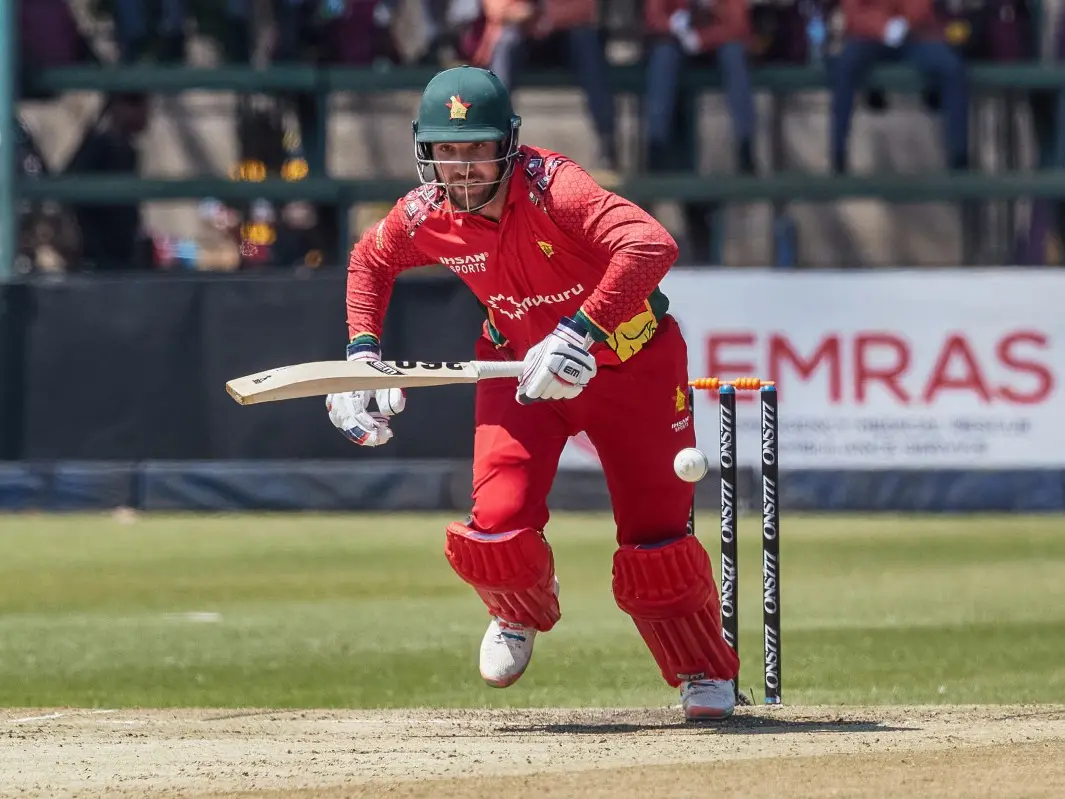
Brendan Taylor overtakes Andy Flower to become Zimbabwe’s leading ODI run-scorer
&imwidth=180&imheight=135&format=webp&quality=medium)
Researchers name newly discovered Andean plant after Argentina legend Lionel Messi
&imwidth=180&imheight=135&format=webp&quality=medium)
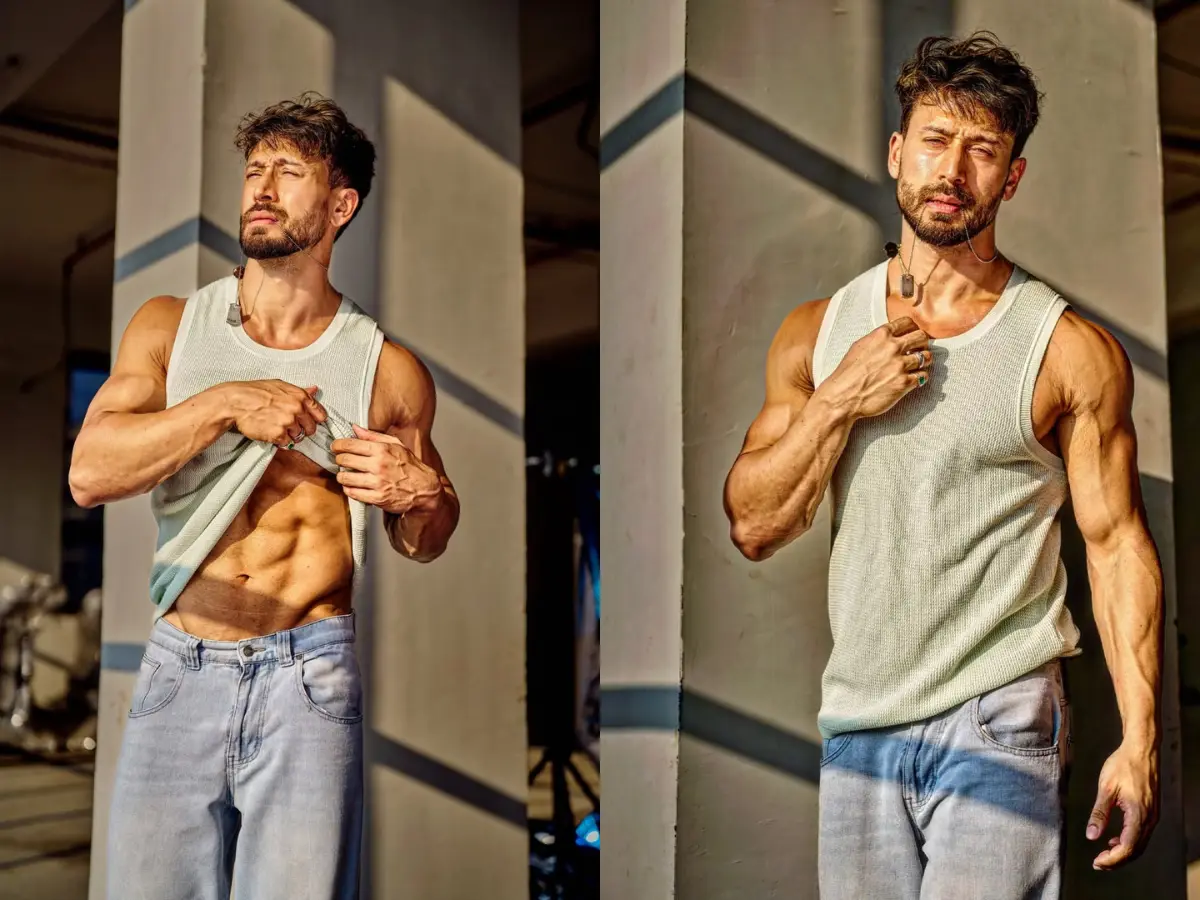
Lawrence Bishnoi gang claims responsibility for firing at Tiger Shroff over ties to Salman Khan
&imwidth=180&imheight=135&format=webp&quality=medium)
Flying car race: Alef Aeronautics welcomes Tesla Roadster '11 years' later, but are the two models the same?
&imwidth=180&imheight=135&format=webp&quality=medium)
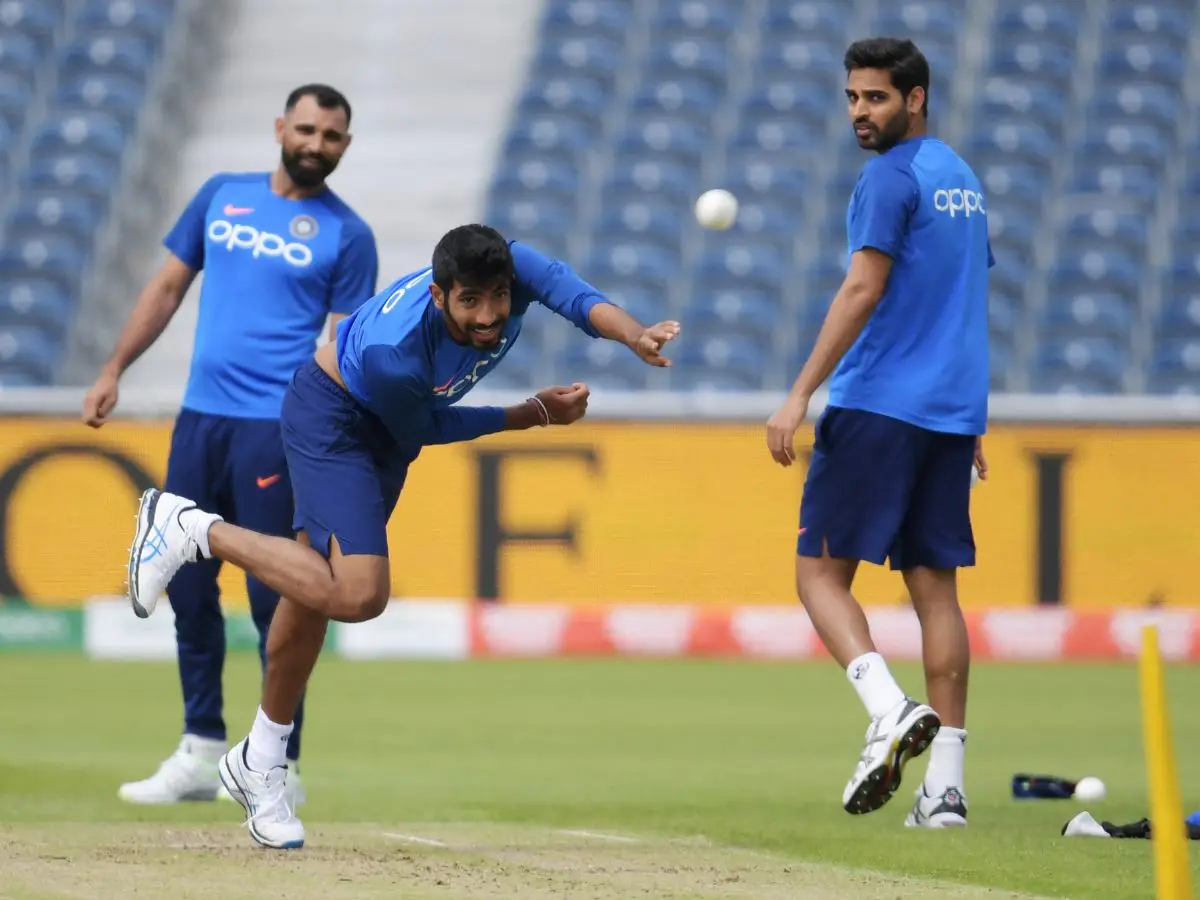
Shastri backs Shami comeback; lauds Bhuvi and warns Bumrah on format workload ahead of World Cup
&imwidth=180&imheight=135&format=webp&quality=medium)
Netanyahu rival Benny Gantz quits Israel election race, vows to push for unity government
&imwidth=180&imheight=135&format=webp&quality=medium)
Saudi Arabia asks skyscraper employees to work from home amid Houthi threats
&imwidth=180&imheight=135&format=webp&quality=medium)
NFl 2026/27 - Saints vs Steelers to go ahead in Paris next week despite protest
&imwidth=180&imheight=135&format=webp&quality=medium)
4 killed, 19 critically injured in grass fire at Canada's largest military base
&im=FitAndFill=(700,400)&imwidth=180&imheight=135&format=webp&quality=medium)
Ghaziabad is world's fastest-growing city; Surat, Patna, Rajkot also feature on list
&imwidth=180&imheight=135&format=webp&quality=medium)
Nobel laureate Machado, who dedicated prize to Trump, confirmed as Venezuela opposition leader
&imwidth=180&imheight=135&format=webp&quality=medium)
After Kennedy Center and reflecting pool disputes, Trump turns to Washington golf course plan amid legal battle
&imwidth=180&imheight=135&format=webp&quality=medium)
Why France looks the most fragile in the G7 amid protests and budget deadlock
&imwidth=180&imheight=135&format=webp&quality=medium)
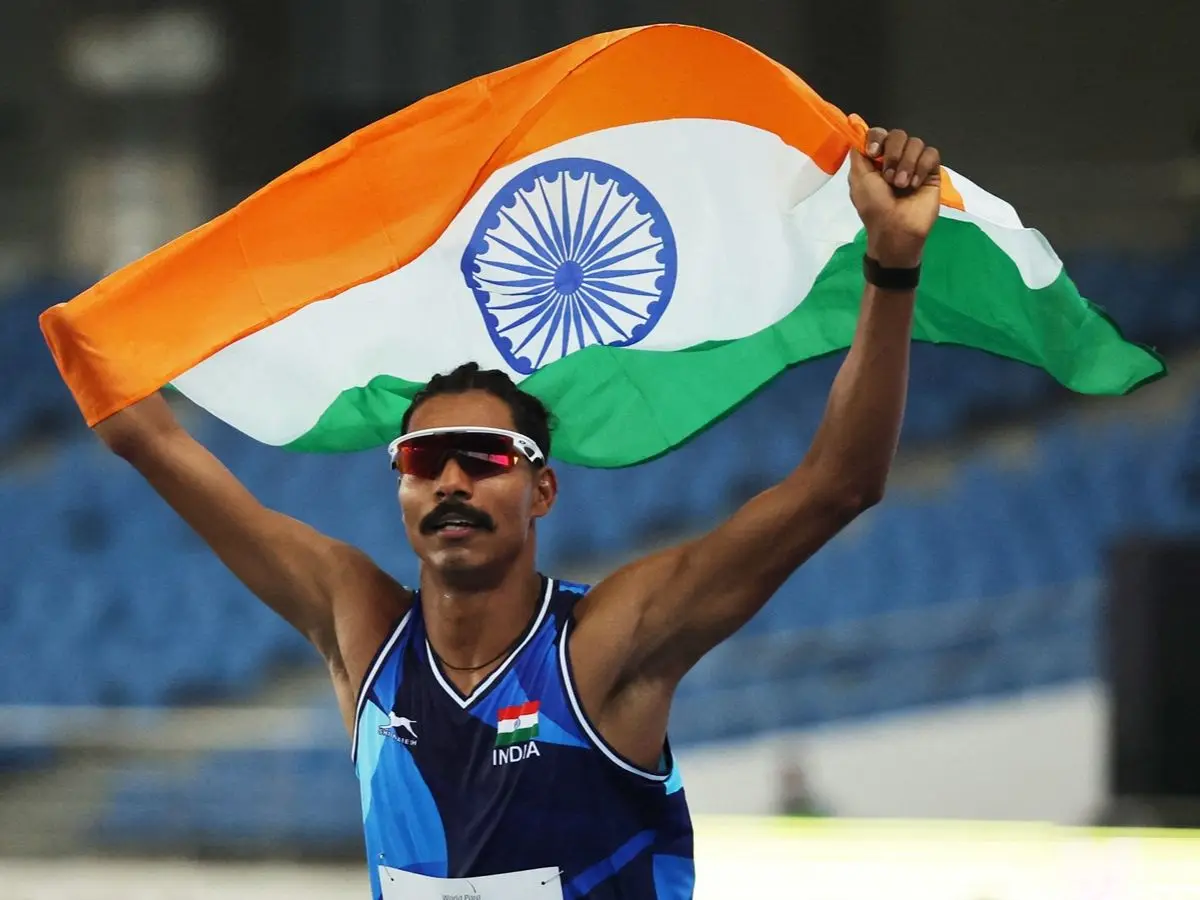
Asian Para Games: Nishad Kumar clinches T47 long jump gold; Ravi Budigina bags swimming silver
&imwidth=180&imheight=135&format=webp&quality=medium)
China responds to Trump's Press Secretary Katie Zacharia after toilet remark: 'Visit China more often'
&imwidth=180&imheight=135&format=webp&quality=medium)
PCB omits Atherton, Hussain from tri-series commentary panel over Imran Khan interview row
&imwidth=180&imheight=135&format=webp&quality=medium)
Anthropic’s public benefit plan: What its 5% share commitment means for AI’s future
&imwidth=180&imheight=135&format=webp&quality=medium)
Girl 'dead' for 8 hours wakes up at her own funeral, dad insists she wasn't breathing
&imwidth=180&imheight=135&format=webp&quality=medium)
MI5 is opening an AI threat centre, and OpenAI just told MPs the worst isn't over
&imwidth=180&imheight=135&format=webp&quality=medium)
Elon Musk features on Lucknow's 'anti-India' Ravan poster alongside Rahul Gandhi, Akhilesh
&im=FitAndFill=(700,400)&imwidth=180&imheight=135&format=webp&quality=medium)
New OTT releases this week (October 19-25, 2026): Gajab Raat to Chaar Yaar-8 titles to watch during Dussehra week on Netflix, Prime Video and more
&imwidth=180&imheight=135&format=webp&quality=medium)
Kylie Jenner makes Victoria’s Secret debut in $50 million diamond-encrusted design as Timothée Chalamet cheers
&imwidth=180&imheight=135&format=webp&quality=medium)
Putin wants joint meeting with Trump-Xi summit on Ukraine war, proposes talks alongside APEC: Report
&imwidth=180&imheight=135&format=webp&quality=medium)
No Ravindra Jadeja, Yashasvi Jaiswal in India’s 2027 ODI World Cup plans: Report
&imwidth=180&imheight=135&format=webp&quality=medium)
India moves to buy 10,000 more AI chips for a national compute pool open to startups
&imwidth=180&imheight=135&format=webp&quality=medium)
Anirudh Ravichander-Kavya Maran wedding: Telangana CM reveals Chennai reception date
&im=FitAndFill=(700,400)&imwidth=180&imheight=135&format=webp&quality=medium)
Tesla Roadster engineering: The hidden hardware behind its flying demonstration
&imwidth=180&imheight=135&format=webp&quality=medium)
Karan Johar reimagines Student Of The Year with thriller series After Dark, Shanaya Kapoor to debut on OTT
&imwidth=180&imheight=135&format=webp&quality=medium)
US to review Russia sanctions waiver within 60 days as Rubio cites India’s ‘substantial’ Russian energy imports
&imwidth=180&imheight=135&format=webp&quality=medium)
'Grassroots leagues help bridge the gap': India's ODI WC winner Suresh Raina lauds ISCL ahead of Season 2
&imwidth=180&imheight=135&format=webp&quality=medium)
'We feel like Mr India': Gujarat’s undercover SHE team guard garba nights at Navratri
&imwidth=180&imheight=135&format=webp&quality=medium)
Cattle-feed bran in biscuits, detergent in milk: FSSAI acts against 3 companies
&imwidth=180&imheight=135&format=webp&quality=medium)
'It's a joy to see the makers bring it on such a grand scale': SS Rajamouli on Ramayana
&imwidth=180&imheight=135&format=webp&quality=medium)
Priest dies after crucifix falls on his head during livestreamed Mass in Ecuador | VIDEO
Positive results
After a four-week period of training, blood samples were taken from the mice to measure plasma levels of corticosterone, the hormone equivalent to cortisol in humans.
Elevated levels of this hormone are associated with increased Alzheimer's risk. The exercise-trained mice showed normal hormone levels.
Also Read | Israeli military is ‘completing mission’ in West Bank, says PM Netanyahu; death toll in Jenin rises to 11
Furthermore, analysis of their brain tissue revealed a decrease in the formation of beta-amyloid plaques.
These findings indicate that physical activity can reverse the neuropathological changes that lead to clinical symptoms of Alzheimer's.
Behavioral benefits, reduction of anxiety
The researchers also assessed the animals' behaviour, particularly their anxiety levels in an open field test. Alzheimer's and other dementia types often manifest symptoms such as agitation and restlessness.
The mice that underwent resistance exercise exhibited reduced hyperlocomotion. This suggests that resistance exercise may help alleviate these early symptoms associated with Alzheimer's disease.
“The main possible reason for this effectiveness is the anti-inflammatory action of resistance exercise,” said Beatriz Monteiro Longo, last author of the article and a professor of neurophysiology at UNIFESP.
WATCH | Gravitas: Russia says Ukraine attacked Moscow with 5 drones
The World Health Organization (WHO) recommends resistance exercise as an ideal option for improving balance, posture, and preventing falls.
This form of exercise involves contracting specific muscles against external resistance and offers various benefits such as increasing muscle mass, strength and functional capacity.
Resistance exercise also plays a role in preventing or mitigating sarcopenia (muscle atrophy), which can make everyday tasks easier to perform.
WATCH WION LIVE HERE You can now write for wionews.com and be a part of the community. Share your stories and opinions with us here.