New research suggests your Chihuahua or other toy breed dog may have 'shark teeth'. Here's what it means


Shark teeth
Small "toy" breeds, as per new research, often have doubled-up teeth similar to sharks' mouths. New research published in the journal 'Research in Veterinary Science' shows that seven per cent of pet dogs, mostly smaller breeds, exhibit the condition known as persistent deciduous teeth.
Shark teeth
This occurs when a dog's baby teeth remain in the jaw, close to the adult teeth, instead of falling out, creating rows of teeth resembling those of sharks.

To explore this weird phenomenon, Corrin Wallis and her team at the Waltham Petcare Science Institute in Leicestershire, UK, analysed records from 2.8 million pure-bred dogs in the US from veterinary visits between January 2010 and December 2014.
Upon categorising 60 breeds into six size groups, ranging from extra-small (less than 6.5 kg) to extra-large (over 40 kg), they found that around 15 per cent of extra-small dogs had shark teeth, compared to less than one per cent of dogs in categories heavier than 15 kg.
)
Did India risk its US trade deal despite softer stance at BRICS?
&im=FitAndFill=(700,400))
How 2nm technology improves iPhone performance
&im=FitAndFill=(700,400))
Shahid Kapoor to Rajkummar Rao: Actors who rule both theatres and OTT
)
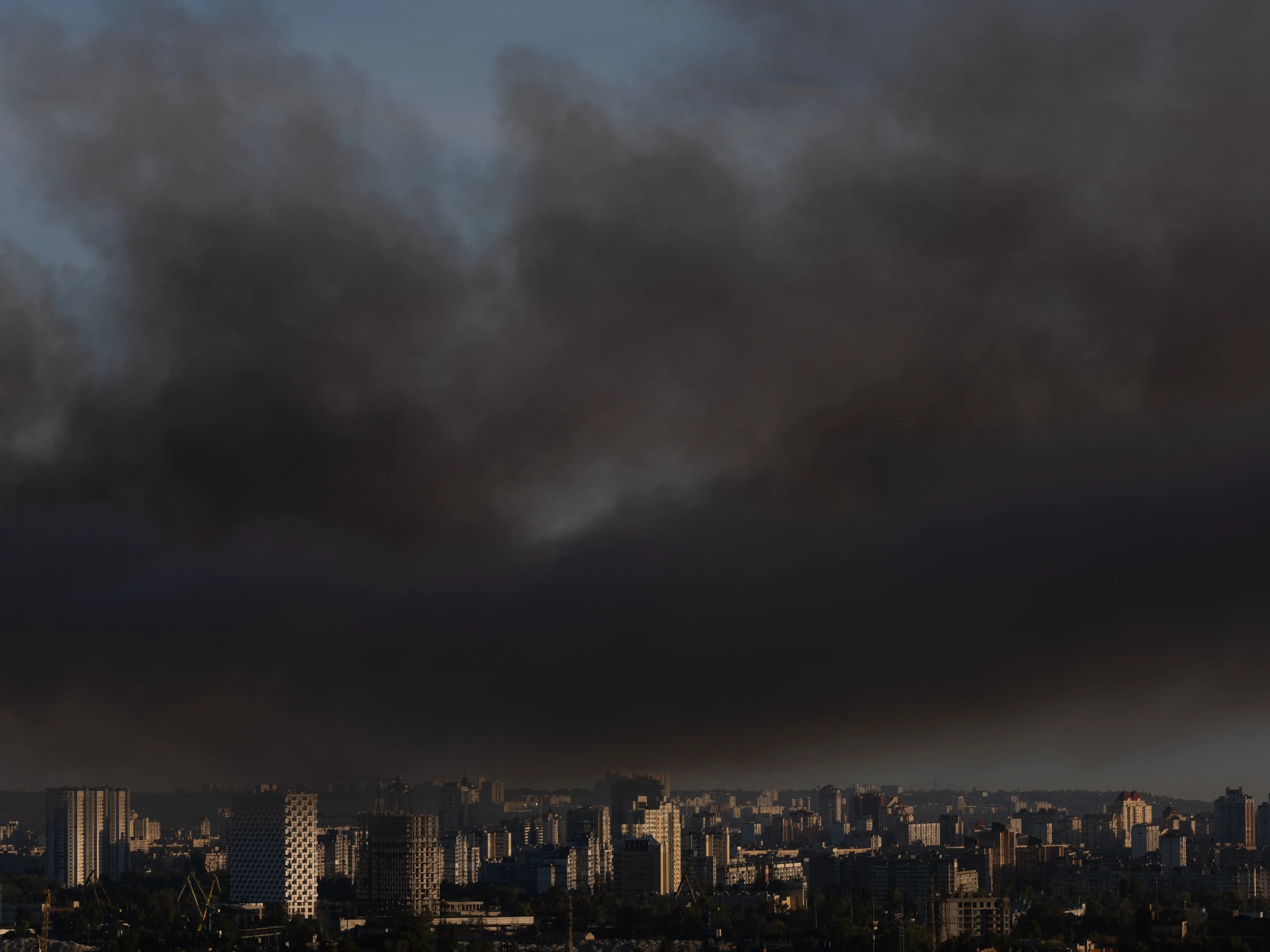
First naval drone battle? Ukraine says Sargan 3000 sank Russian unmanned boat
)
BRICS Summit 2026: Trump wants to weaken BRICS, but maybe doing the opposite
&im=FitAndFill=(700,400))
Meet top 5 batters fastest to 3000 runs in T20Is
)
Did BRICS Summit 2026 prove that an 11-member bloc with India and China in it can still agree on key issues?
)
Top 5 places to visit in Goa beyond its famous beaches
)
Delhi’s balancing act: BRICS serves as a stage for West Asia diplomacy
&im=FitAndFill=(700,400))
Why European Meteor missiles use ramjet engines compared to standard US solid rockets
)
'He is popular...': Malaysian PM Anwar Ibrahim's praise for PM Modi during bilateral meeting | WATCH
)
Iran, India agree to deepen humanitarian and political ties, President Pezeshkian says
)
‘Want to reset ties with India, have engagement based on mutual interests,’ says Bangladesh minister
)
BRICS Summit 2026: PM Modi, Xi reach key consensus on ties, China to assume BRICS chairmanship in 2027
)
UK breakup on the cards? Scotland, Wales and Northern Ireland push for independence
)
Russia-Ukraine-US talks in October? Kremlin says not ruling out possibility of trilateral
)
Trump says Canada eager to reach a deal, it could come ‘fairly soon’ if Ottawa treats US farmers better
)
The Verdict | Africa is too big to remain a guest at the BRICS table
)
‘Partners, not rivals’: Xi outlines four point plan for stronger India-China ties
&im=FitAndFill=(700,400))
Why Chinese PL-15 air-to-air missiles use dual-pulse motors compared to European interceptors
)
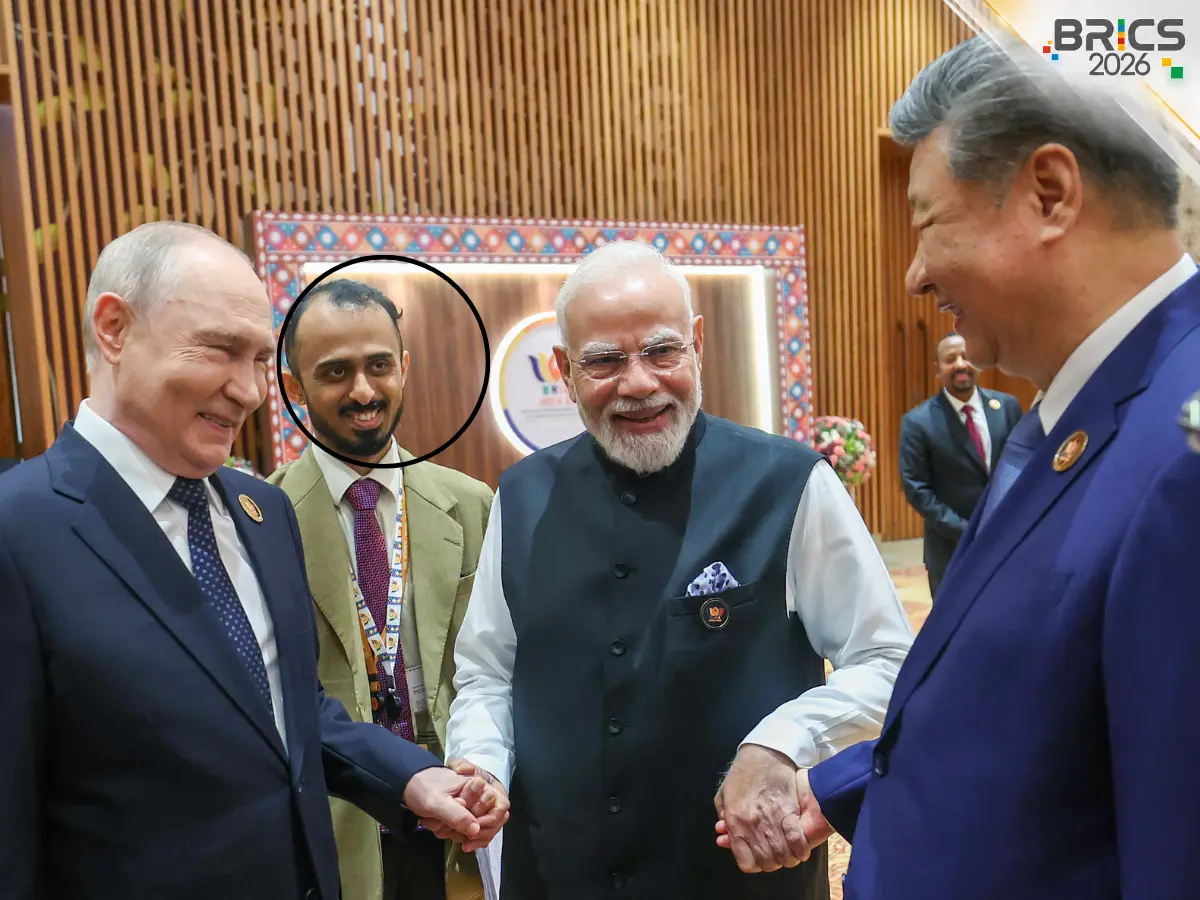
NATO under Russian threat? Drone strikes just 2 km from Poland, narrow escape for former UK PM, CIA chief
)
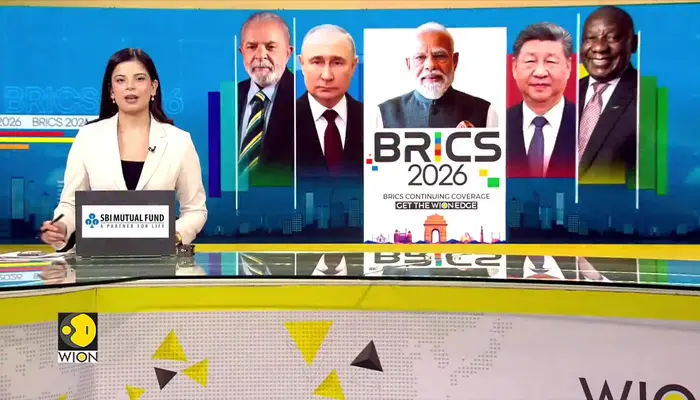
Who is the smiling man beside Modi, Putin and Xi at BRICS Summit 2026?
)
BRICS Summit: New Delhi declaration adopted with full consensus, big diplomatic win for India
)
800 million years old - Scientists discover 'fingerprints' of supercontinent Gondwana in ancient rocks
)
Russian drone hits Warsaw-bound train near Polish border, Zelensky accuses Moscow of ‘deliberate’ targeting
)
War is making Russia stronger? How Ukraine is shaping Moscow’s next generation of weapons
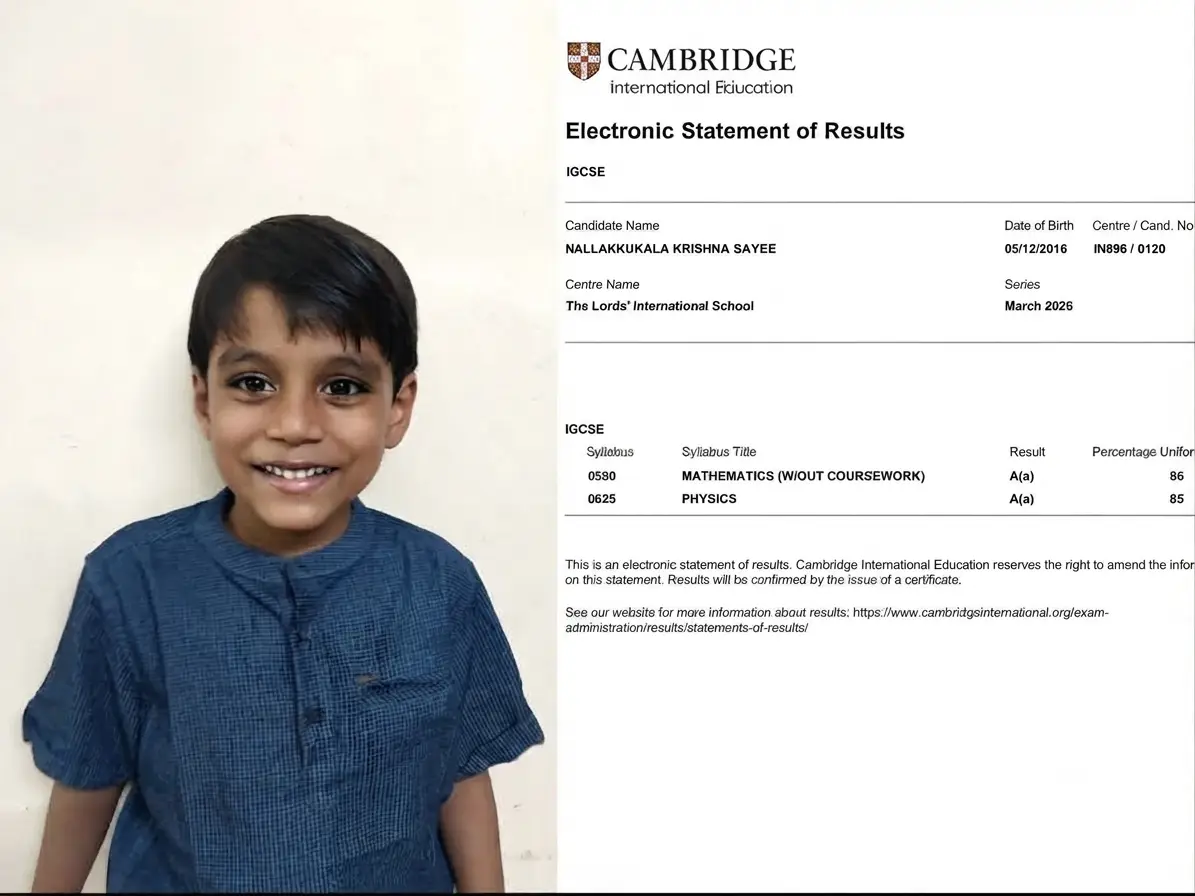)
9-year-old Chennai prodigy clears Cambridge IGCSE grade 10 exams
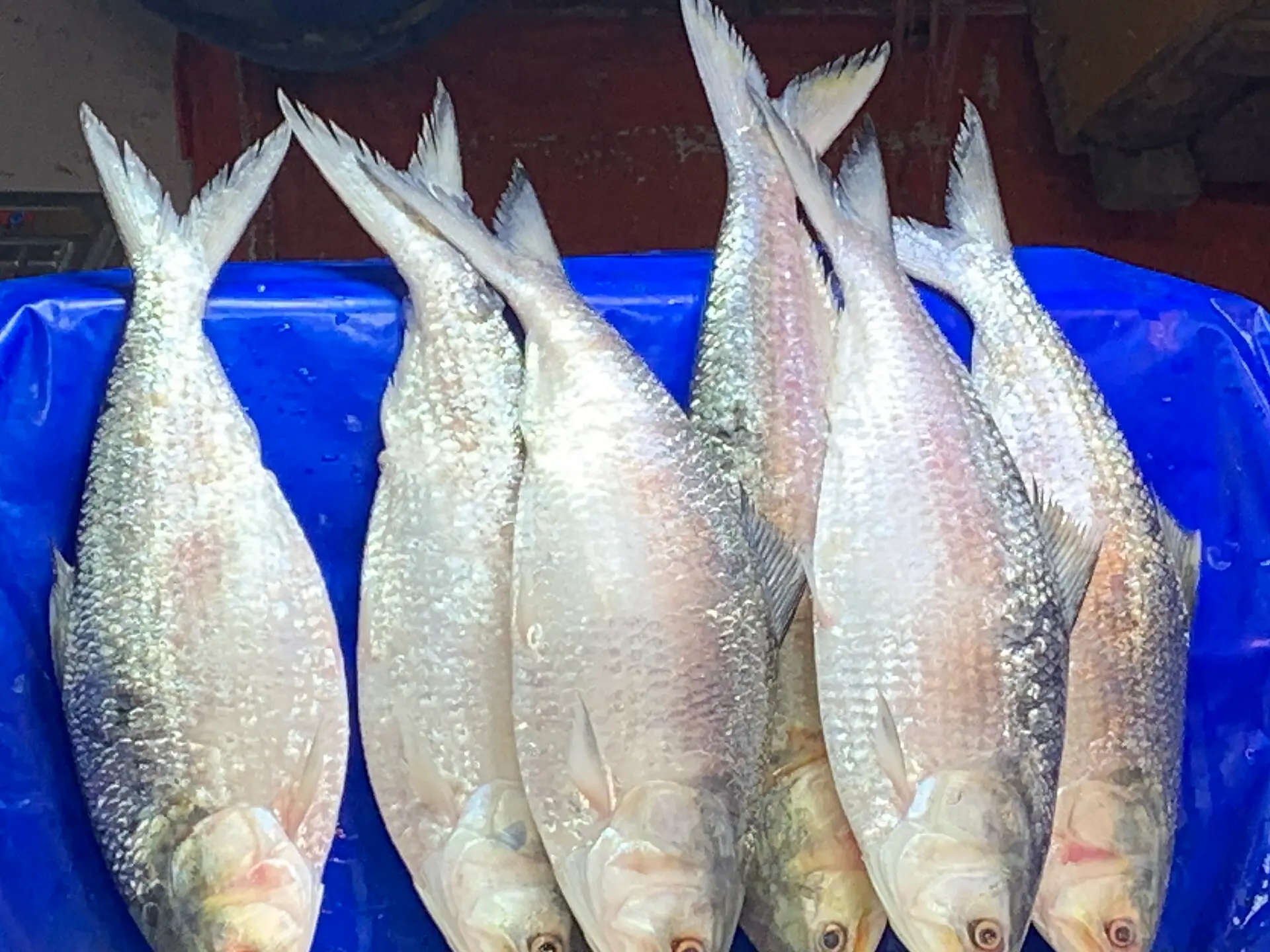)
Indian importers urge Bangladesh to lift export ban on 'Hilsa' fish ahead of Durga Puja
)
Humans may lose control of AI: Anthropic CEO calls for slowdown, Altman, Musk back him
)
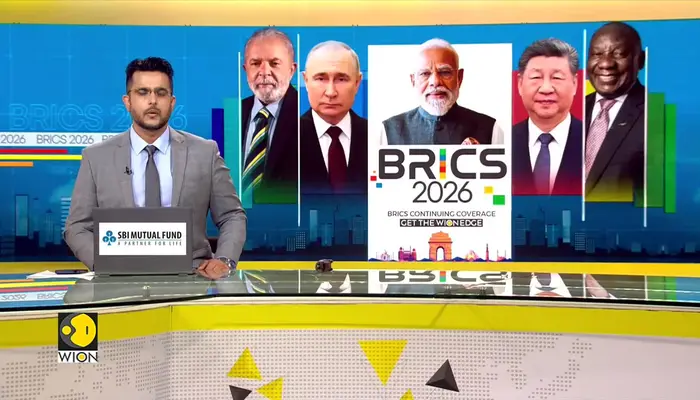
US diplomat accused of possessing child abuse images secretly flown out of UK by US Marines
)
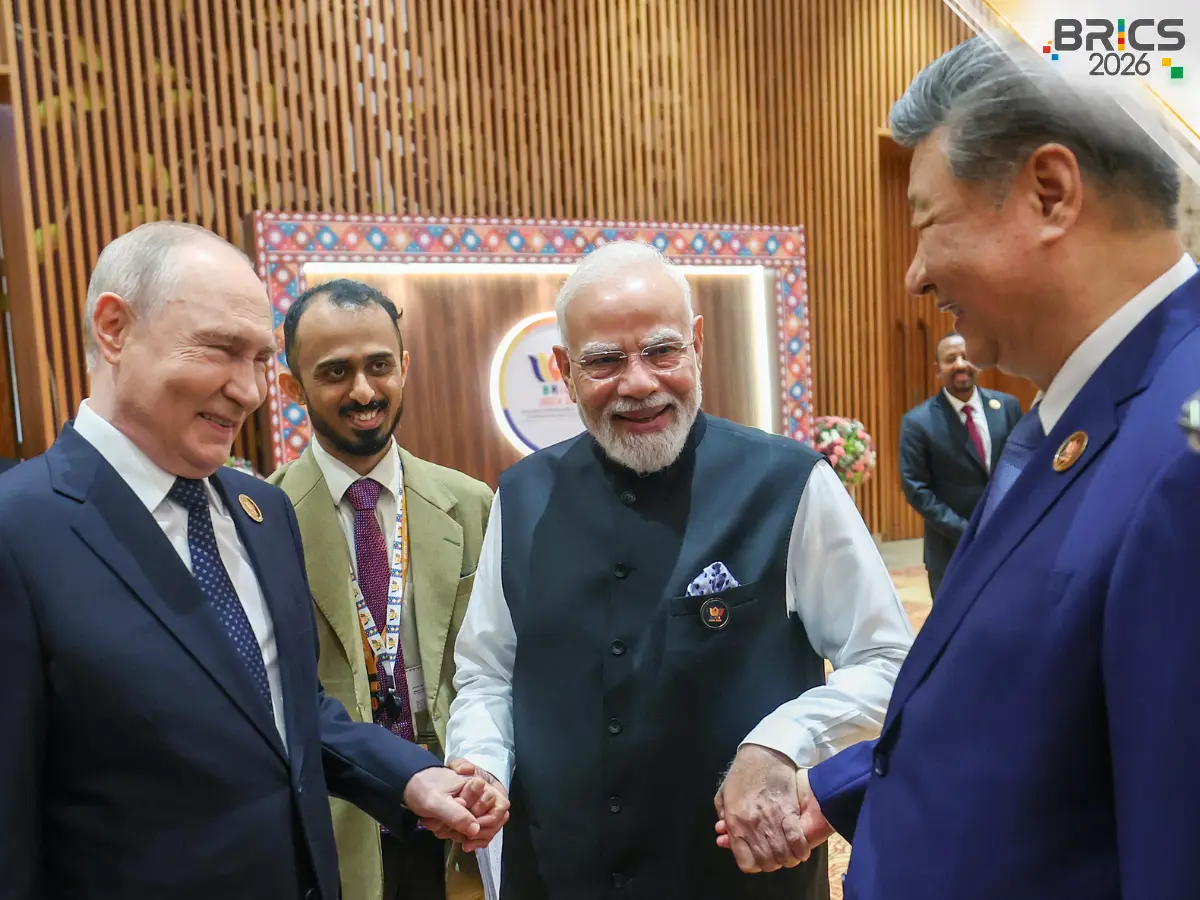
BRICS Summit 2026: Modi-Xi moment highlights India-China thaw at BRICS
&im=FitAndFill=(700,400))
From Rinku Singh to Mayank Yadav, 5 players dropped from India’s squad for Afghanistan T20Is
)
PM Modi and China's Xi offered to help resolve Russia-Ukraine war: Kremlin
)
Akram, Afridi, Mushtaq tear into PCB after Pakistan’s Test series collapse in UK
Among toy breeds, Yorkshire terriers, toy poodles, Malteses, and chihuahuas showed the highest prevalence of these "shark teeth" — Yorkshire terriers had the highest at 25 per cent.
In comparison, Greyhounds had the lowest incidence across all breeds at just 0.1 per cent.
Why do dogs have 'shark teeth'?
According to the team of researchers, the higher prevalence of shark teeth in smaller breeds could be due to their smaller mouths.
Dan O'Neill at the Royal Veterinary College in London suggested that very short-nosed dogs were nearly three times as likely to have shark teeth as those with average nose lengths.
Deciduous teeth "is a disorder that's heavily related to breed, and that's key, because that means we can change that if we wish," he said.
Wallis and her team also found a connection between obesity and shark teeth, which were 11 per cent more common in overweight dogs. However, as per O'Neill, the reason for this link is unclear.
Further research in dogs is necessary to understand this new finding. Wallis and her colleagues, as per New Scientist, stress that it is important to get your petregular veterinary care to check for persistent deciduous teeth. They recommend the removal of "shark teeth" to prevent complications.
(With inputs from agencies)

