
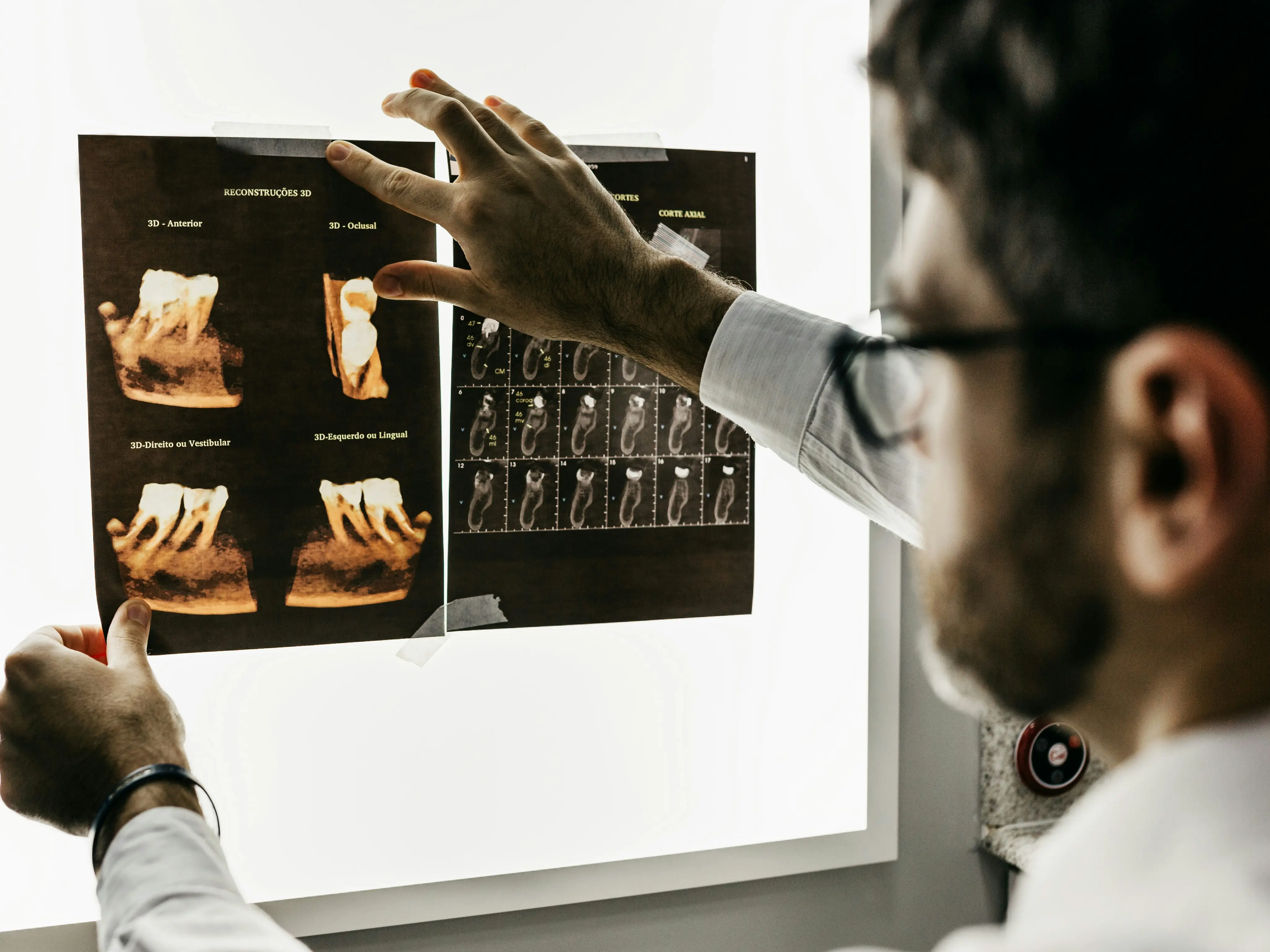
&imwidth=800&imheight=600&format=webp&quality=medium "Doctors and NHS could be sued for AI-driven diagnosis errors in UK? Here's what report warns")
Ministers in the UK have been warned that doctors and the NHS could be sued for medical negligence over errors made by artificial intelligence tools used in diagnosing patients and recommending treatment. Under current laws, medics and the health service may still be held liable for patients suffering harm or dying as a result of mistakes made by AI tools.
In a report, the Medical Protection Society (MPS), which supports doctors facing professional complaints and legal claims, warned that clinicians risk becoming a “liability sink” for AI-related errors unless legal frameworks are updated. The warning comes as the NHS increasingly adopts AI technologies for tasks such as interpreting scans and X-rays, producing summaries of doctor-patient consultations, and drafting correspondence for patients.
“The law has always struggled to keep up with technological change. But with AI, the pace of change is so rapid that this gap feels less like a step and more like a widening gulf,” said Dr Sarah Townley, the MPS’s deputy medical director.

Citing an example of a possible error made by AI tools, the MPS stated that this technology could miss a tumour in a patient’s lung while reading an X-ray of their chest. As a result, this mistake could lead to the death of the patient, as the false reassurance from the AI would mean no treatment would be given, resulting in the spread of cancer.
Serious consequences of AI
Trending Stories
)
Lady Gaga is a mom! Oscar-winning singer welcomes first child with fiance Michael Polansky
)
BRICS Summit 2026: Iran's Pezeshkian praises PM Modi at BRICS
)
Karthik Subbaraj’s Dorothy gets a standing ovation at TIFF world premiere
)
North Korea fires missiles after US, South Korea and Japan military drills but America says 'does not pose immediate threat'
)
Delhi's top luxury hotels turn into high-security fortress hubs for BRICS 2026 delegations
)
BRICS Summit 2026: 30+ countries seek BRICS membership
)
Frustrated man demolishes his kitchen after thousands flock to see Mother Mary his wife spotted on the wall
)
BRICS summit: India faces delicate Iran-UAE diplomatic test
)
After praising Modi, Pezeshkian meets Indian religious leaders, Hurriyat's Mirwaiz Umar Farooq
)
Houthis vs Saudi Arabia: East-west oil pipeline shut after drone attacks from Iraq
)
South Africa batter Jordan Hermann hits highest individual score on ODI debut
)
800 million years old - Scientists discover 'fingerprints' of supercontinent Gondwana in ancient rocks
)
Vladimir Putin in New Delhi for BRICS Summit: Russia-India defence, energy and nuclear ties in focus ahead of meeting with PM Modi
)
Osama Bin Laden's son ALIVE? Al-Qaeda releases video 7 years after US declared him dead
)
BRICS Summit 2026: South Africa says it will use the summit to advance its economic priorities
)
Gravitas | Iran hammers US air power in West Asia after Navy badly hit
)
Israel spent nearly $470,000 on PM's hair, makeup since 2019, data shows
)
Did you know THIS actor narrowly escaped the 9/11 terror attacks due to a last-minute change of travel plans?
)
BRICS Summit 2026: Rivals in West Asia, partners in BRICS, UAE, Iran, and Saudi delegations in Delhi
)
BRICS Summit 2026: PM Modi meets Malaysia, Ethiopia leaders; defence ties, trade in focus
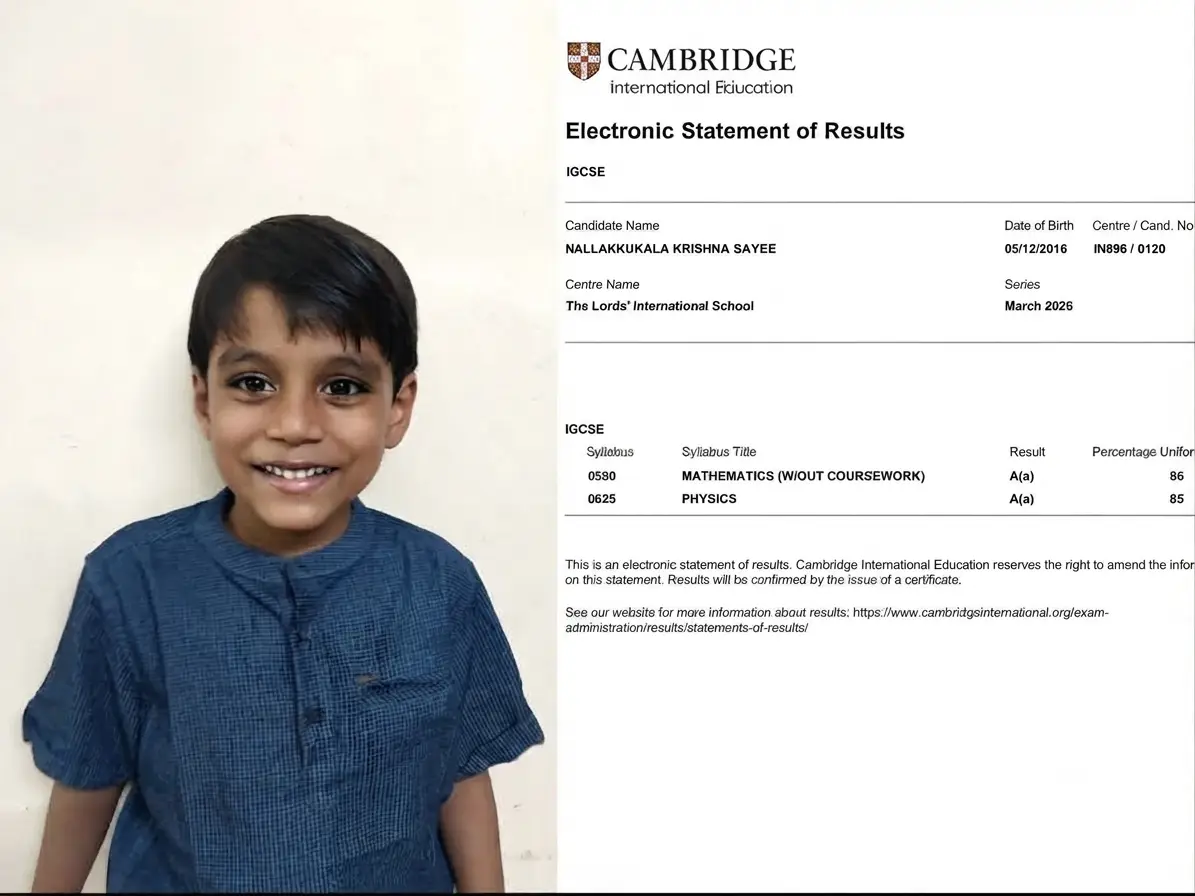)
9-year-old Chennai prodigy clears Cambridge IGCSE grade 10 exams
)
BRICS Summit: China resumes Guangzhou-New Delhi flight, issues 'good-neighbourliness' remark ahead of Xi-Modi meet
)
Satya Niketan horror: Who is responsible?
)
BRICS Summit 2026: Top world leaders in New Delhi; West Asia war casts shadow on BRICS Summit
&im=FitAndFill=(700,400))
New Friday OTT releases (September 11, 2026): The Revolutionaries, Vishwanath & Sons, Ghamasaan- 6 new titles coming on Netflix, Prime Video and more
)
Years before 9/11, CIA warned Clinton, Bush of 'explosive-packed airplane attack': What newly released files reveal
)
In first of its kind, Trump admin deports Afghan woman via Alien Terrorist Court
)
Baba Vanga's first prophecy for 2027 is out, and straight out of science fiction
)
Saudi Arabia shuts East-West oil pipeline, key Hormuz bypass, after attacks
)
IND vs AFG, 1st T20I: When and where to watch live streaming in India?
)
WION Expertspeak: Understanding India's BRICS presidency amid wars, trade tensions and global turmoil
)
Satellite images show construction surge at Iran’s Pickaxe nuclear site amid US war
MPS also highlighted that patients could face serious consequences if AI systems make incorrect treatment recommendations. For example, a patient might require surgery and intensive care for severe bleeding if an AI tool mistakenly advised increasing the dosage of warfarin, a blood-thinning medication commonly prescribed for atrial fibrillation.
According to the MPS, such cases present a genuine risk of legal action being taken against doctors who rely on AI-assisted tools in clinical decision-making. “Under the current product liability framework in the UK, there is a risk that clinical negligence claims could be brought against the clinicians in these cases and that they would be held wholly liable,” it warns.
To address these concerns, the organisation has urged the government to classify AI systems as products under the Consumer Protection Act 1987. It argues that such a move would shift responsibility for AI-related errors towards developers and manufacturers, reducing the legal burden on doctors and the NHS. The MPS also warned that growing concerns among healthcare professionals about being held accountable for AI mistakes could undermine public confidence in the medical profession unless clearer liability rules are introduced.
“Innovation and patient safety should move forward together. If AI is advancing at Formula One speed, then legislation, regulation and governance cannot be left sitting in the pit lane,” said Dr Ragit Varia, the president-elect of the Society for Acute Medicine. “Clinicians should not find themselves holding a liability hot potato when decisions have been influenced by AI systems developed, supplied and implemented by others without the appropriate structure. We must avoid creating an accountability vacuum where responsibility for harm is unclear.”
Meanwhile, the Department of Health and Social Care said that NHS Resolution, the body responsible for handling negligence claims against NHS trusts in England, is drafting guidelines related to AI liability. “We welcome the MPS’s report and will review its recommendations to ensure patients continue receiving the benefits of AI in healthcare safely and quickly,” a DHSC spokesperson said.

