Bypassing the 14-day rule: China’s ‘artificial embryos’ exploit a double loophole in orbit

&imwidth=600&imheight=450&format=webp&quality=medium "Bypassing the 14-day rule: China’s ‘artificial embryos’ exploit a double loophole in orbit")
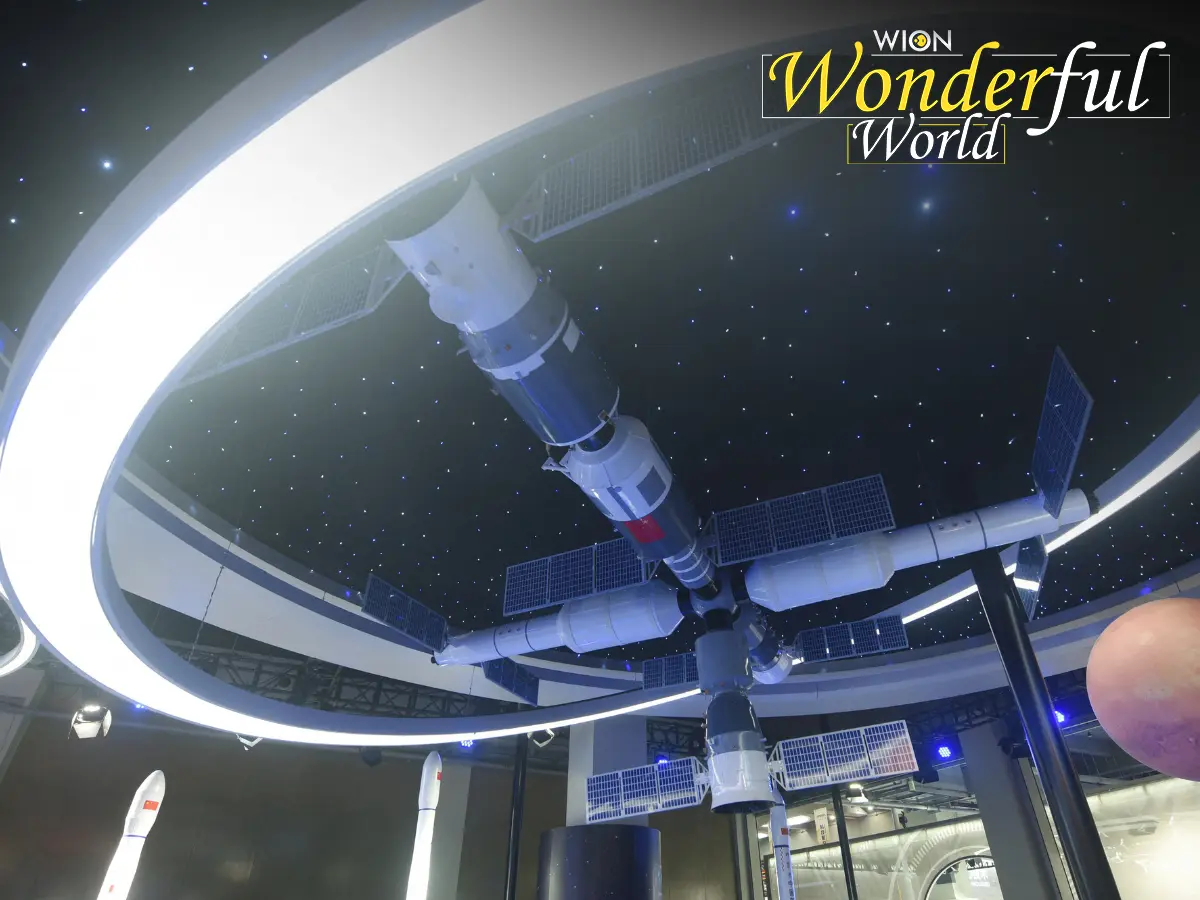
China has sent artificial embryos made from living human stem cells to space. Photograph: (AFP)
China sent artificial embryos in space aboard the Tianzhou-10 spacecraft, where they will undergo a 5-day experiment at the Tiangong space station. The purpose is to know the effects of space environment on their development, and reveal defects that would not be visible on Earth.
China sent embryo-like structures into space aboard the Tianzhou-10 cargo craft on May 10. They are made from living human stem cells and spent five days at the Tiangong space station in an experiment aimed at understanding how microgravity could affect the early development of human embryos. Also known as blastoids or embryoids, scientists stressed that they are not real embryos but created in a laboratory to mimic key stages of growth. China has previously sent embryos of the aquarium fish zebrafish (Danio rerio) and mice as part of a broader programme of biological research. The embryos are in the stage between the 14th and 21st day after fertilisation, a period which can reveal congenital defects and diseases. However, testing the same on real human embryos on Earth is not possible since guidelines restrict researchers from growing human embryos in a lab past two weeks.
In a way, China is breaking a rule and utilising a powerful double loophole, but for a good cause. First, these models aren't legally "human embryos," so they can surpass the critical 14-to-21-day developmental window without violating international bioethics laws. Second, it has taken this research into off-world laboratories that are not governed by terrestrial guidelines.
About the experiment
Two types of models of artificial embryos with different phases of embryonic development were made. The first set of samples recreates the critical stage of when an embryo attaches itself to the uterine wall. The other samples placed inside a microfluidic chip were at the stage where a single layer of cells reorganises to form tissues and organs. “This is not a real human embryo and cannot develop into an individual. However, it can serve as a model for studying early human development," Yu Leqian, the project leader, said.
Trending Stories
&imwidth=280&imheight=210&format=webp&quality=medium)
&imwidth=280&imheight=210&format=webp&quality=medium)
&imwidth=280&imheight=210&format=webp&quality=medium)
&imwidth=280&imheight=210&format=webp&quality=medium)
&imwidth=280&imheight=210&format=webp&quality=medium)
&imwidth=280&imheight=210&format=webp&quality=medium)
&imwidth=280&imheight=210&format=webp&quality=medium)
&imwidth=280&imheight=210&format=webp&quality=medium)
&imwidth=280&imheight=210&format=webp&quality=medium)
&imwidth=280&imheight=210&format=webp&quality=medium)
&imwidth=280&imheight=210&format=webp&quality=medium)
&imwidth=280&imheight=210&format=webp&quality=medium)
&imwidth=280&imheight=210&format=webp&quality=medium)
&imwidth=280&imheight=210&format=webp&quality=medium)
&imwidth=280&imheight=210&format=webp&quality=medium)
&imwidth=280&imheight=210&format=webp&quality=medium)
&imwidth=280&imheight=210&format=webp&quality=medium)
&imwidth=280&imheight=210&format=webp&quality=medium)
&imwidth=280&imheight=210&format=webp&quality=medium)
&im=FitAndFill=(700,400)&imwidth=280&imheight=210&format=webp&quality=medium)
&imwidth=280&imheight=210&format=webp&quality=medium)
&imwidth=280&imheight=210&format=webp&quality=medium)
&imwidth=280&imheight=210&format=webp&quality=medium)
&imwidth=280&imheight=210&format=webp&quality=medium)
&imwidth=280&imheight=210&format=webp&quality=medium)
&imwidth=280&imheight=210&format=webp&quality=medium)
&imwidth=280&imheight=210&format=webp&quality=medium)
&imwidth=280&imheight=210&format=webp&quality=medium)
The 14th and 21st day critical window
Leqian said that the models are between the 14th and 21st day stage after fertilisation. This is when the body’s basic structure begins to form. The positioning of body parts is determined at this time, and organs also begin to form. Any problems at this time can subsequently lead to congenital defects and diseases. Such experiments are already being carried out on Earth with artificial embryos since they are not governed by the 14-day rule. But the latest experiment takes it up a notch and into space, where biological defects that are not presenting themselves in the lab could reveal themselves in microgravity and cosmic radiation.
Aim of the experiment
The main purpose of this first-of-its-kind experiment is to understand whether space has a direct influence on early biological organisation and how they organised themselves into complex structures of the body. Identifying potential risks associated with development in space is another aim of the experiment. The artificial embryos are being monitored by taikonauts with nutrient solutions that are changed daily, helping maintain stable conditions for their growth. The samples will then be frozen in orbit and later brought back to Earth for analysis.