Boeing Starliner suffered helium leaks before historic space station docking


Boeing's Starliner crew ship approaches the space station.
Boeing's Starliner capsule suffered from persistent helium leaks as it approached the International Space Station on Thursday (June 6). But the capsule, pioneering in its own right, docked with the space station nonetheless.
Boeing Starliner docking issues: What were they?
First of all, NASA engineers detected a problem with reaction control thrusters essential to the high-precision docking maneuver.

Also read |Starliner lifts off! Spacecraft with Sunita Williams on board flies to space after multiple delays
This was overcome by a "hotfire" test following which at least four of the thrusters were reactivated and Starliner made an autonomous docking with the International Space Station.
Boeing Starliner at International Space Station: Why is it historic?
)
Nigeria: Protesters take to the streets, police fire shots
)
US-Iran war: Tehran draws red lines — seven demands before any peace talks
&im=FitAndFill=(700,400))
‘Not the US or China’: These are the countries leading the world in arable land
)
Mark Carney mimics Trump in hilarious moment over C$70 billion clean-energy investment; room erupts in laughter
)
Pentagon revives mandatory testosterone testing for male troops aged 30 and above
)
Iran rebuilding nuclear facilities? New satellite images show Tehran may be rapidly restoring bombed Parchin base
)
FACT CHECK: Why did PM Modi ask Xi ‘is it okay’ at BRICS Summit? New video reveals...
)
China may have gained access to US's classified F-35 jets; parts meant for repairs diverted to Hong Kong, sparking Pentagon inquiry
)
Trump announces ‘AI Force’ as debate grows over AI risks and regulation
)
Iran sets 7 conditions to end war with US: What are Tehran’s demands?
)
Trump defends AI amid growing alarm, announces new 'AI force' and promises an 'AI czar'
)
Gaza under attack: Health chief's son killed in IDF strikes
)
Arvind Kejriwal, family members, Delhi CM Rekha Gupta get SIR notices
)
Cochin shipyard starts building Indian Navy's next-gen missile vessels
)
Russia extends ban on Western food imports for two more years in extended sanctions countermeasure
)
Brigitte Bardot’s private collection set for Paris auction; key items and prices revealed
)
How did an Australian river with 500 crocodiles pass the Olympic test? Here's how
)
‘Will go to any extent’: Pakistan vows to defend Saudi Arabia amid Houthi attacks
&im=FitAndFill=(700,400))
Ananya Panday to Sharvari: 5 actresses serving major princess vibes
66 years of the Indus Waters Treaty: How India and Pakistan settled a bitter river dispute
)
The Verdict | When precision fails: US commits war crime in Minab school strike, UN finds
)
Trump signs Russia sanctions bill into law, targets Moscow’s energy sector
)
Pak: A series of counter terrorism operations in Khyber Pakhtunkhwa
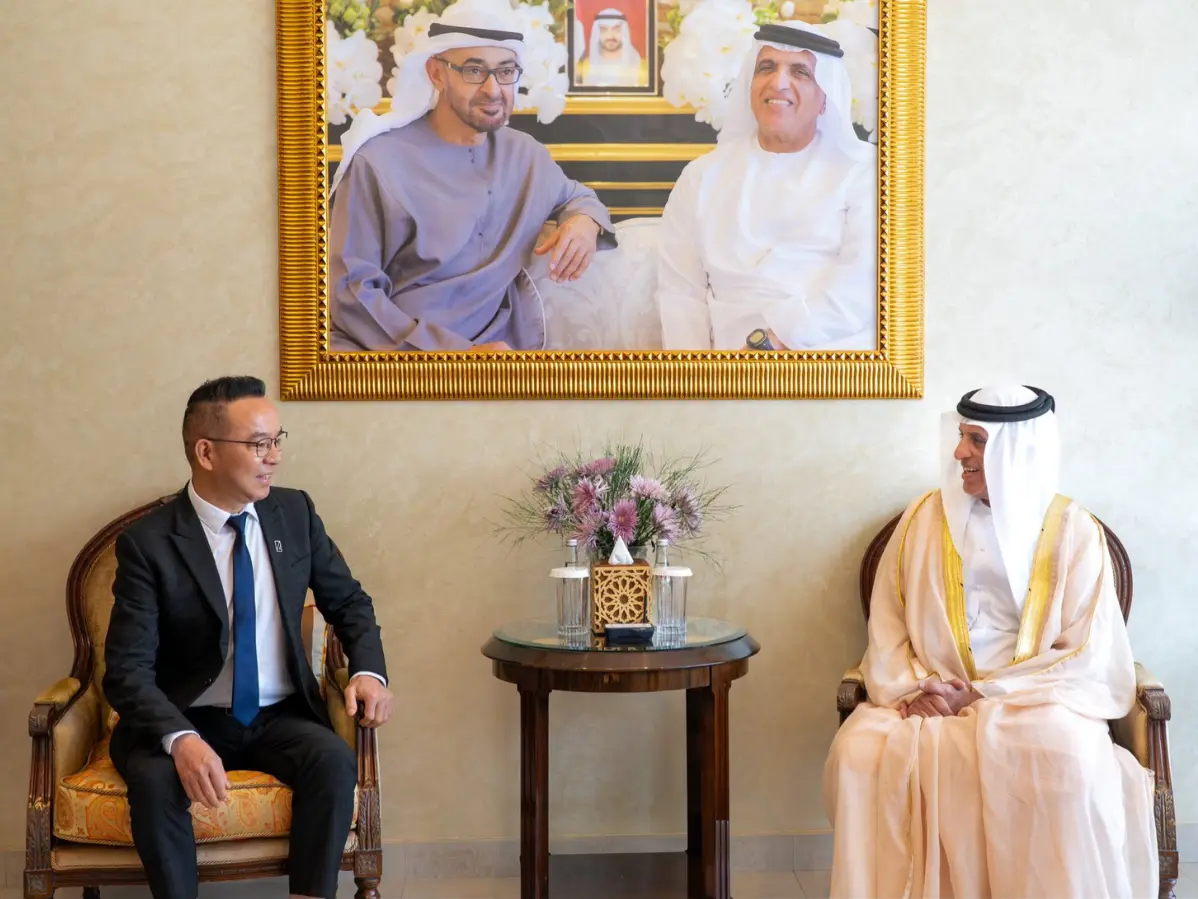)
Flying cars in UAE: Ras Al Khaimah signs deal with Chinese company to test new transport
)
Reacher star Alan Ritchson opens up about alleged blackmail, suicide attempt during difficult period
)
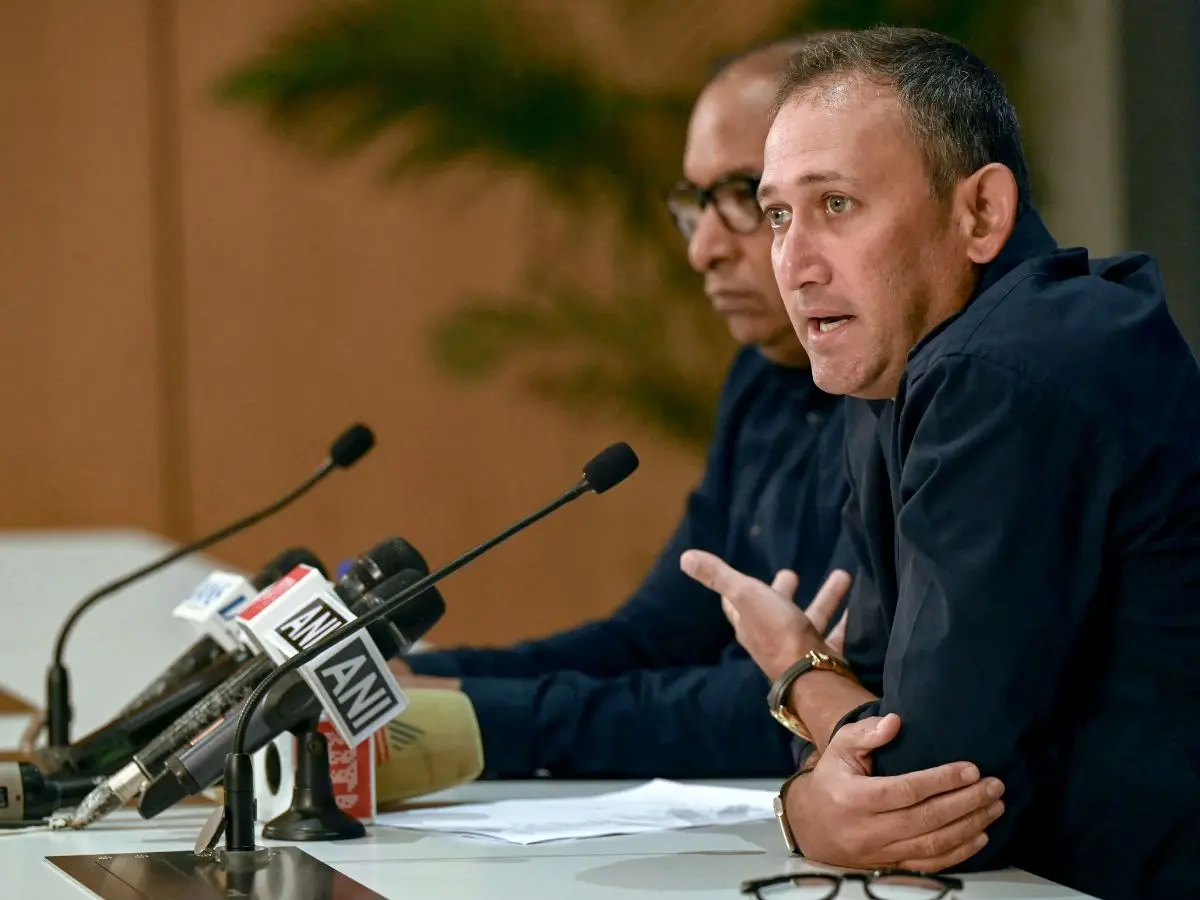
Africa is splitting, and a lot sooner than estimated, giving way to a new ocean
)
Ajit Agarkar’s future as chief selector to be decided at right time, says BCCI secretary
)
Trump bans CNN, MS NOW and Politico from White House over ‘FAKE NEWS’
)
Trump 2.0: Dark days ahead for America’s ‘imperial presidency’
&im=FitAndFill=(700,400))
How many F-35s does Britain, Japan and Israel have?
)
Harry Brook targets long reign at top of T20I rankings after Sri Lanka sweep
)
Tirupati Laddu ghee adulterated with chemicals, says ED, supplier arrested
)
Russia holds first parliamentary elections since the beginning of the Ukraine war
&im=FitAndFill=(700,400))
Meet top 5 Indian batters with fastest T20I centuries
)
‘System run by six individuals’: Rahul Gandhi targets PM Modi, Amit Shah, NSA Doval
)
This isthe first time that two US-built crewed spacecraft were simultaneously anchored to the International Space Station. Starliner capsule had SpaceX's Dragon capsule attached to a port on the opposite side.
The Starliner mission is the first time the spacecraft has carried a crew to space. The two crew members, Butch Wilmore and Sunita Williams, are expected to spend eight days with the seven astronauts and cosmonauts already on boardthe ISS.
Also watch |Gravitas: Boeing's new whistleblowers reveal scary secrets
The current mission, a crew flight test, is the product of a joint venture between Boeing and Lockheed Martin to rival Elon Musk’s SpaceX Dragon capsule and is operating under NASA's commercial crew programme.
Helium's role in spacecraft routes
Helium is an inert gas. That is, it does not react with other elements in and beyond our atmosphere. The inert gas is used to power thrusters in the capsule that was carried over a United Launch Alliance Atlas V rocket that blasted off on Wednesday (June 5).
Boeing Starliner helium leak
Even before the launch, engineers had discovered a small but continuous helium leak that was deemed acceptable.
Later, NASA said that two latest helium leaks were discovered after the spacecraft arrived in orbit.
“Two of the affected helium valves have been closed and the spacecraft remains stable”, the agency said in a post on X.
The development related to helium leaks first emerged whenastronauts Butch Wilmore and Sunita Williams were about to sleep and mission control on Earth informed them that they needed to shut down two valves.
"Looks like we picked up a couple more helium leaks," mission control said. Wilmore responded: "We are ready to … find out exactly what you mean by picked up another helium leak, so give it to us."
"Butch, I’m sorry. We’re still getting the story together," mission control replied.
"We have some issues to watch overnight when in regards to the helium leaks that was just brought up, and we have a lot of smart people down here on the ground that are going to take a look at this stuff and keep an eye on it, but the vehicle is in a configuration right now where they’re safe to fly," the Boeing aerospace engineer Brandon Burroughs said on the NASA broadcast, CBS News reported.
(With inputs from agencies)