Extensive contact tracing, isolation key to control COVID-19 spread, says study

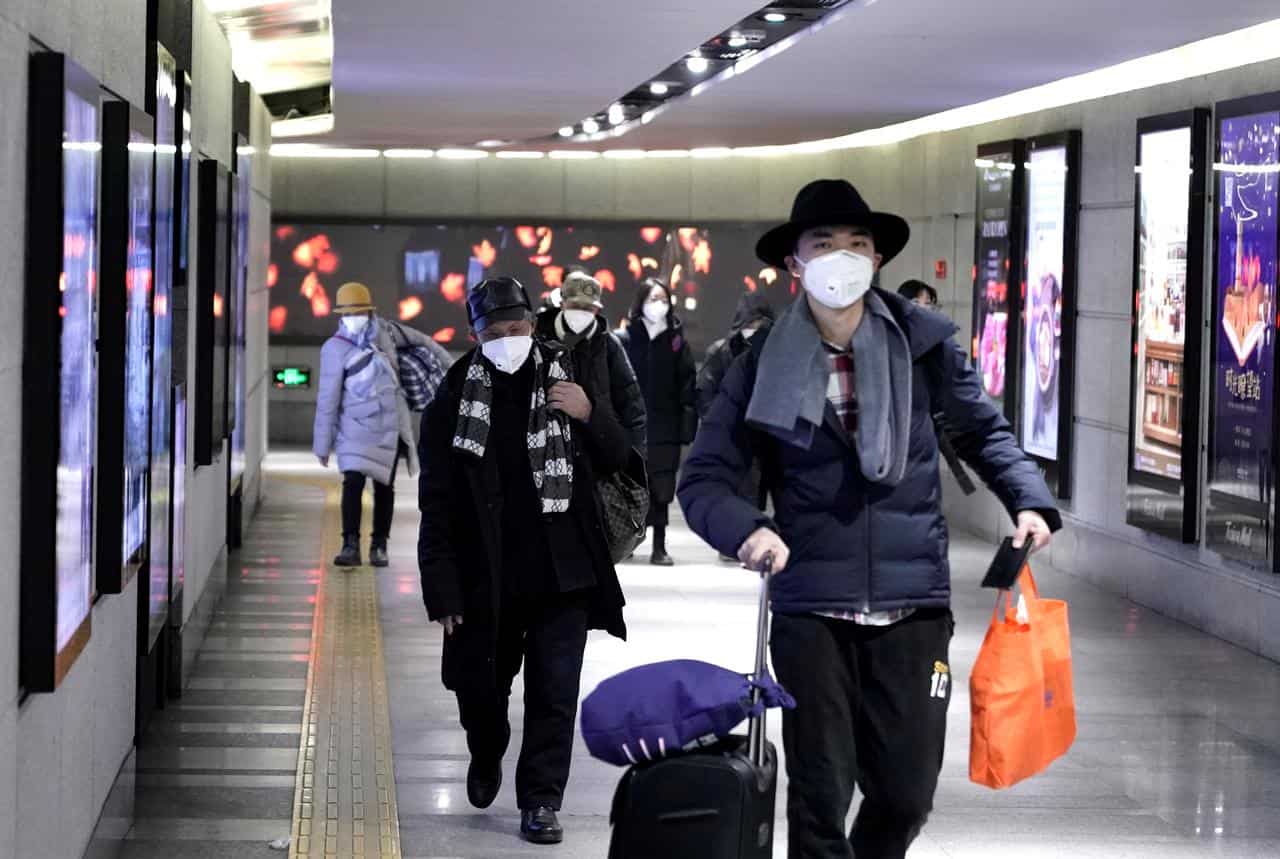
Coronavirus in China
Extensive contract tracing, isolating cases, and testing may reduce the spread of the novel coronavirus, a study carried out in China has suggested.
The impact of contact tracing, however, depends on identifying asymptomatic cases.
The new study, published in The Lancet Infectious Diseases journal, found that contact tracing increased the speed at which new cases were confirmed by two days -- an average of 5.5 days initially, reduced to 3.2 with contact tracing. It also reduced the amount of time it took to isolate infected people by two days -- from an average of 4.6 days down to 2.7.

The length of time for which a person remains infectious is not yet known, but reducing the amount of time that infected people interacted with others appears to have helped reduce the virus spreading, the researchers said.
For the current study, the researchers analysed data from 391 people diagnosed with COVID-19 after they showed symptoms, and 1,286 of their close contacts. The contacts were tested irrespective of whether they had symptoms in order to identify infected people who were asymptomatic.
The study found that contact tracing reduced the length of time people were infectious in the community over 4 weeks in Shenzhen, China.
)
Who is Devendra Nath Mahto, Jharkhand’s 'Sonam Wangchuk' fasting for protesting students?
)
Ghajini villain Pradeep Rawat passes away at 74 after battle with cancer
&im=FitAndFill=(700,400))
Pradeep Rawat died at 74: Revisit the unforgettable roles that defined his career
)
'Can't rip open my chest but...': On Day 11 of student protest, Jharkhand CM Hemant Soren breaks silence
)
‘India’s FCRA bill an attack on Christians, could hit bilateral ties,’ says US lawmaker
)
Did military GPS jamming cause a plane to crash in New Mexico? Here's what a report says
)
WMO warns Super El Niño is set to become monstrous between Aug-Oct - This was 'only a warm-up act'
&im=FitAndFill=(700,400))
Who is Sujatha Vijayakumar? The producer defending daughter Aarti in Ravi Mohan divorce battle
)
Why did FSSAI ban the sale of Old Monk, Antiquity Blue and other liquor brands?
)
Trump says Iranian school bombing photos could be AI-generated - 'I don’t think...'
)
'World's most beautiful village' with only 627 people generated Rs 58 lakh in traffic fines in 2025
&im=FitAndFill=(700,400))
Why Russian tanks are much lighter compared to US tanks
&im=FitAndFill=(700,400))
7 longest flights in the world - Singapore, Qantas, Qatar and others
&im=FitAndFill=(700,400))
New OTT releases this week (August 3-9, 2026): Main Vaapas Aaunga, Uyir, Operation Safed Sagar- 6 titles coming on Netflix, Prime Video and more
)
'Should not be bullied': CJP says movement will expand beyond protests. Politics, or something bigger?
)
American blogger Perez Hilton, covered in blood, cuts himself during livestream, hospitalized after distressing incident
)
'I believe in freedom of expression...': Shashi Tharoor clarifies on attending event where RSS chief Mohan Bhagwat will address Gen Zs
)
What’s happening in Nepal? How did a local clash turn into communal violence? WION Decodes
)
India avoids higher US tariff, secures lower 10% rate. Here's how
)
Munir-protege Mohsin Naqvi’s claim of unearthing huge scam triggers tremors in Pakistan’s power corridors
&im=FitAndFill=(700,400))
Why are iPhones so expensive compared to Android phones?
)
Trump goes 'bing bing bing' 11 times within 5 seconds at Iran war briefing
)
Another assassination attempt? Armed man arrested at Trump's golf course ahead of presidential visit to LA
&im=FitAndFill=(700,400))
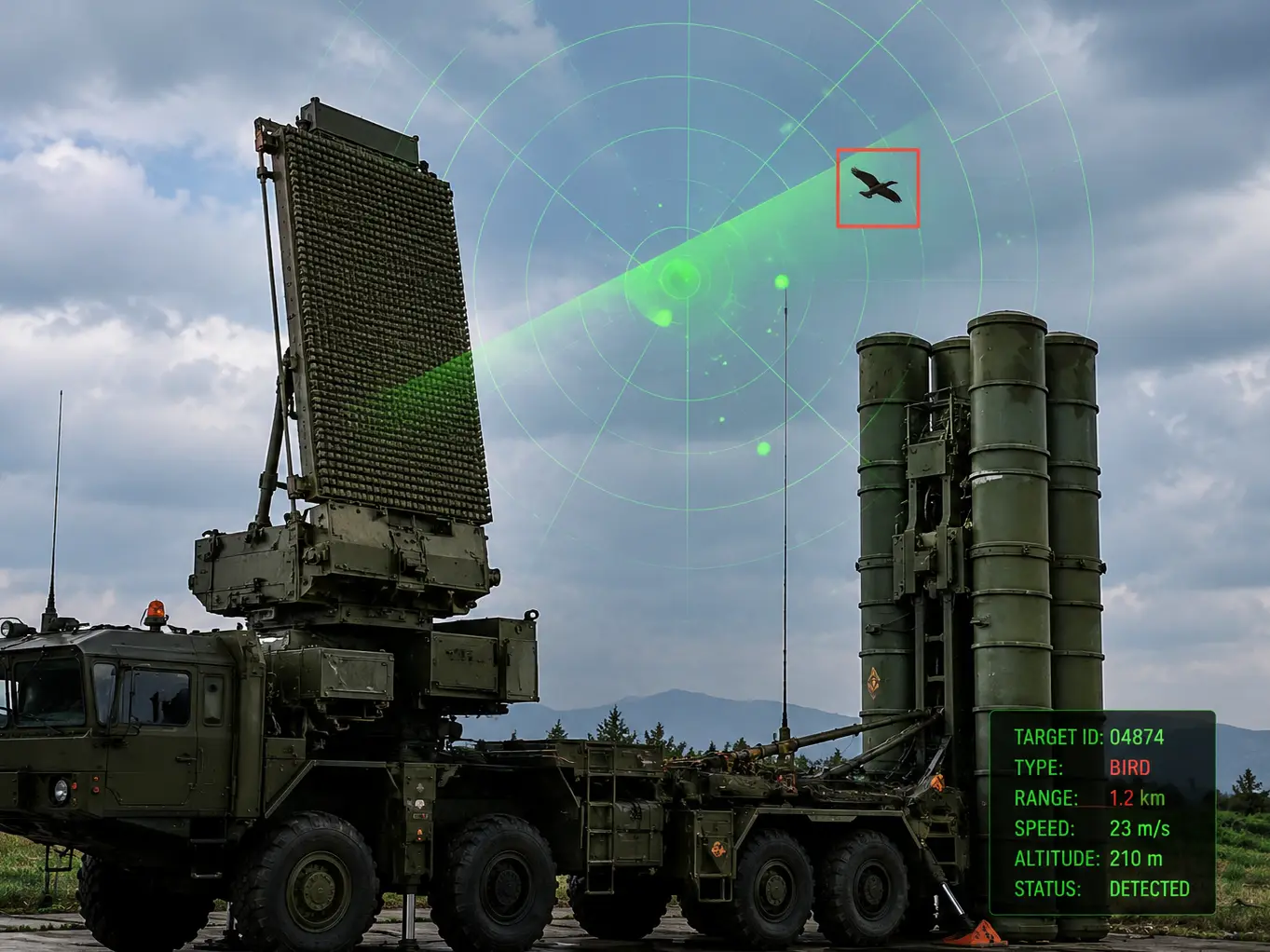
Can an S-400 detect a bird?
)
Punjab Assembly passes resolution against Centre's mandatory E20 petrol rollout
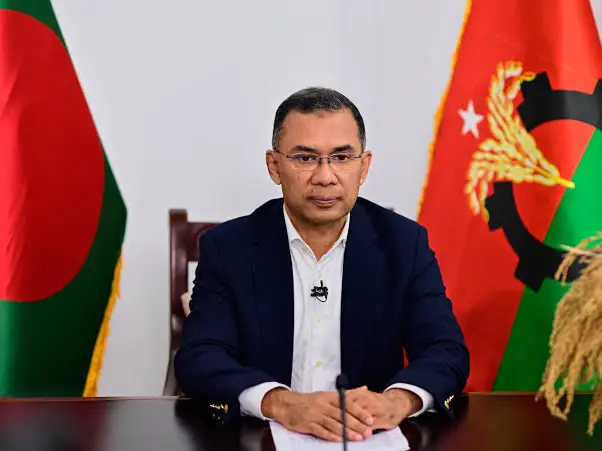)
‘Disputes could help ousted forces make comeback’: Bangladesh PM warns ahead of Sheikh Hasina’s Delhi PC
)
The Royals enter the Doctor Who universe: King Charles and Queen Camilla beam into Commonwealth Games in TARDIS
)
Influencer killed on livestream: Mexican cartel boss' son asked dad to kill woman who broke up with him
)
Indian vessel sinks after Red Sea attack off Yemen; all crew rescued
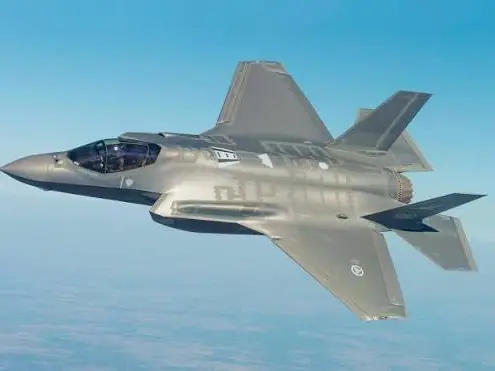)
Why did India turn down the US offer for F-35 fighter jets? EXPLAINED
)
WI vs PAK, 2nd Test: Spinner Sajid Khan helps Pakistan turn screw for series-levelling win against hosts
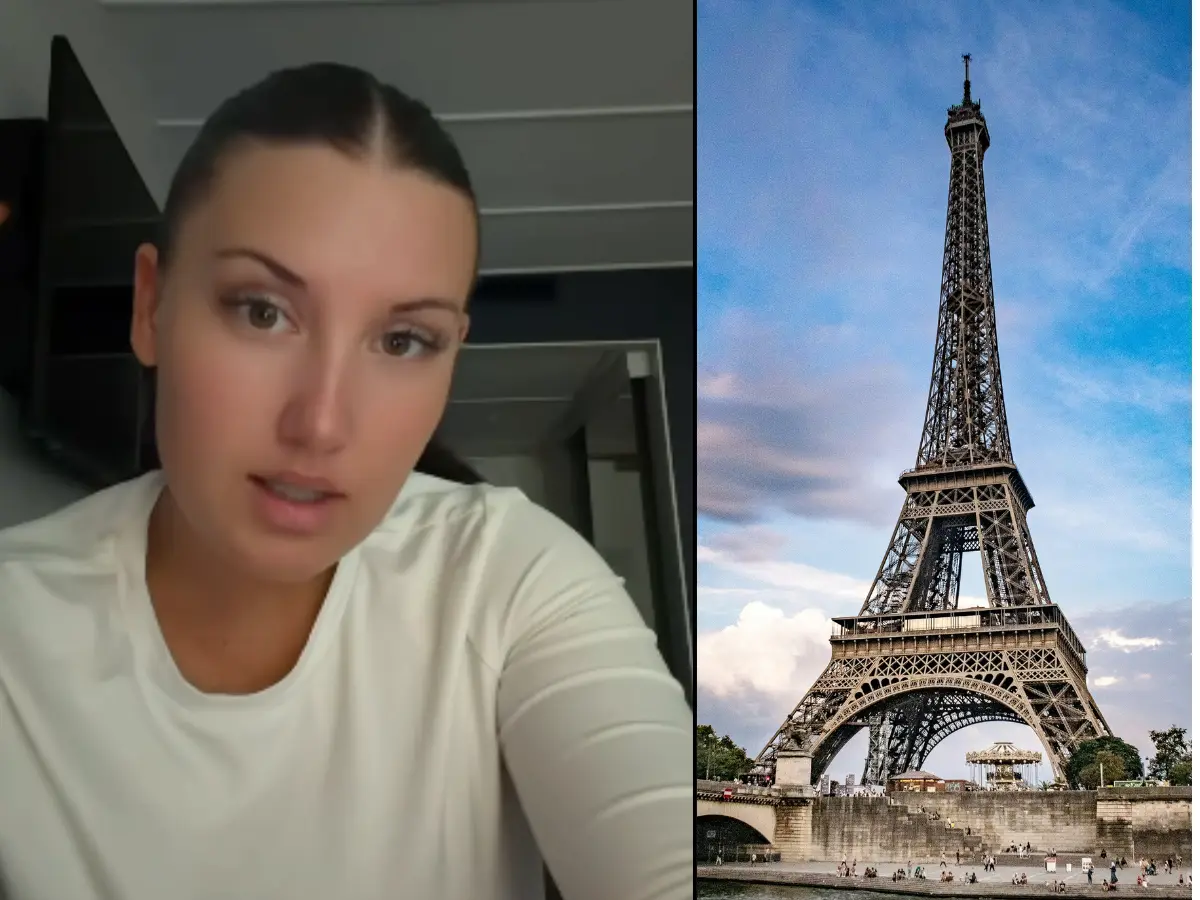)
'I was almost trafficked in Paris,' says Australian woman, shares terrifying ordeal - 'I am on the black market'
According to results from In Shenzhen, authorities identified whom to isolate based on their contact with confirmed cases, as well as isolating people who already had symptoms.
There were only three deaths in the study group during the study period, the researchers said.
To achieve similar results, the researchers noted that other countries might be able to combine near-universal testing and intensive contact tracing with social distancing and partial lockdowns.
Although no lockdown measures were introduced in Shenzhen until the end of the study period, Wuhan's lockdown could have significantly restricted the spread of coronavirus to Shenzhen.
Close contacts were defined as people who shared a household with infected patients up to 2 days before they started showing symptoms, or interacted with them socially by travelling or eating together.
For people who were isolated because they showed symptoms of COVID-19, it took an average of 4.6 days for them to be isolated following the first signs of infection. Contact tracing reduced this to an average of 2.7 days.
For people diagnosed with COVID-19 after being contact traced and tested (87 people), a fifth (17 out of 87 people) had not yet developed any symptoms, and 30 per cent (25 out of 87) did not have a fever.
Their contacts might, however, have been missed if they were asymptomatic, because the PCR test is not sensitive enough to pick up every case, according to the researchers.