
&imwidth=800&imheight=600&format=webp&quality=medium "The dangerous virality: How social media fuels misinformation in times of war")
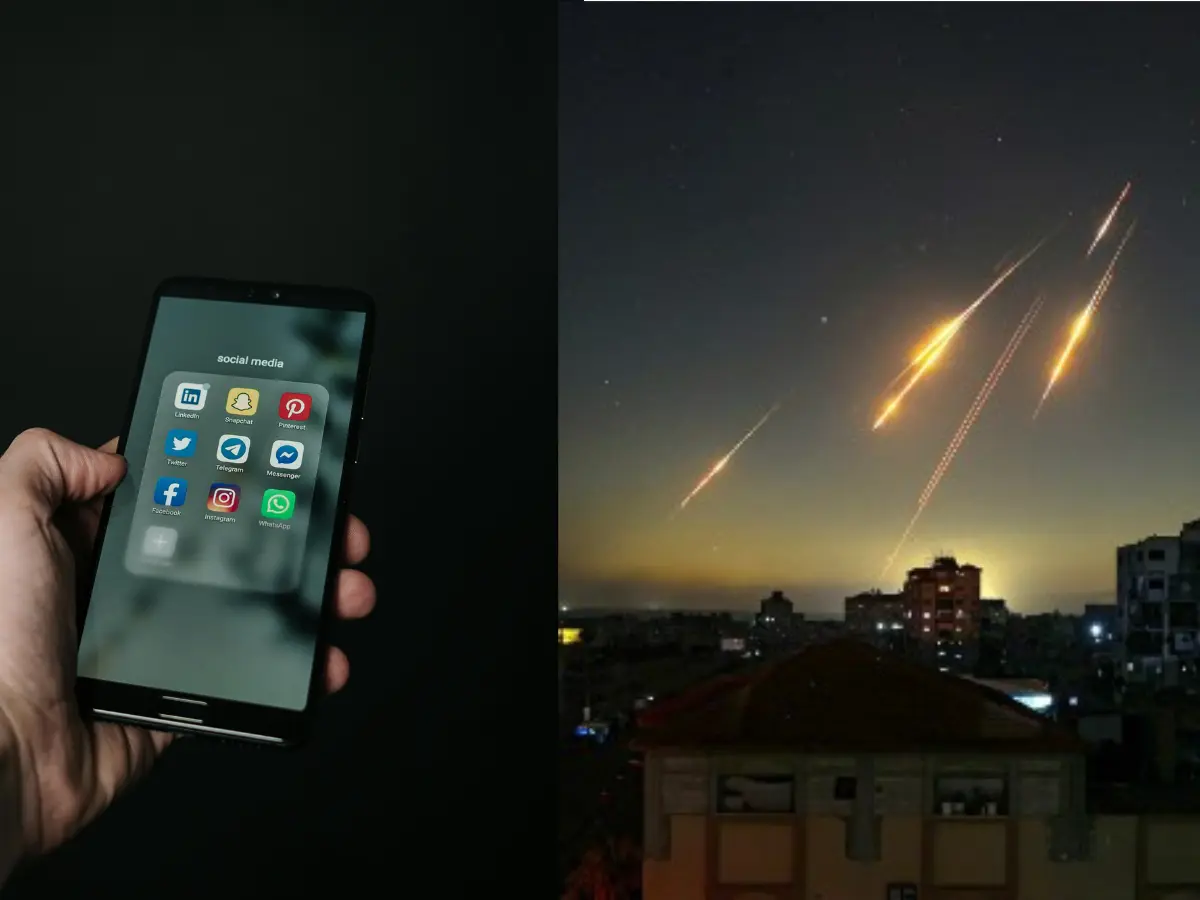
In the age of hyper-connectivity, truth moves swiftly — but lies move swifter. A tweet, a doctored photo, or even a single misleading statement can cascade on social media, stir emotions, and create narratives ahead of the facts catching up. Geopolitical crises and wars have never not been information wars, but now, with Twitter, Instagram, Facebook, Telegram, and TikTok, speed, reach, and impact of disinformation have never been higher.
We are an age where a tweet can either destroy or make a career. The stakes are enormous — not only for public individuals, but for regular folks whose lives can be irreparably altered by a viral lie. And the conflicts of our times — India–Pakistan tensions, the Iran–Israel conflict, the Russia–Ukraine war — have demonstrated just how perilous this online wildfire can be.
Why social media is a misinformation machine?

The design of social media itself is based on virality, not verification. Instant reach, no vetting: Anybody can share anything, and it could be seen by millions in minutes — without being checked. Algorithms amplify outrage: Material that evokes high emotions gets promoted to the top of a feed. Sadly, false or misleading information tends to be more emotive than accurate news. Echo chambers make the belief stronger: Individuals often follow those who share their view, and this makes misinformation "common knowledge" in those circles.
This is fatal during times of war or crisis, when emotions are already high and people are eager to get updates.
Case Studies: Misinformation in contemporary conflicts
Trending Stories
)
Justice eludes Air India 1985 bombing victims as Canada probe goes 'inactive' | Gravitas
)
Trump revives India-Middle East-Europe economic corridor as India emerges central to West Asia’s future: What is it?
)
Erdogan again raises Kashmir issue at UNGA, calls for dialogue under UN Charter
)
The Verdict | Moral policing isn’t culture or discipline, it’s crime
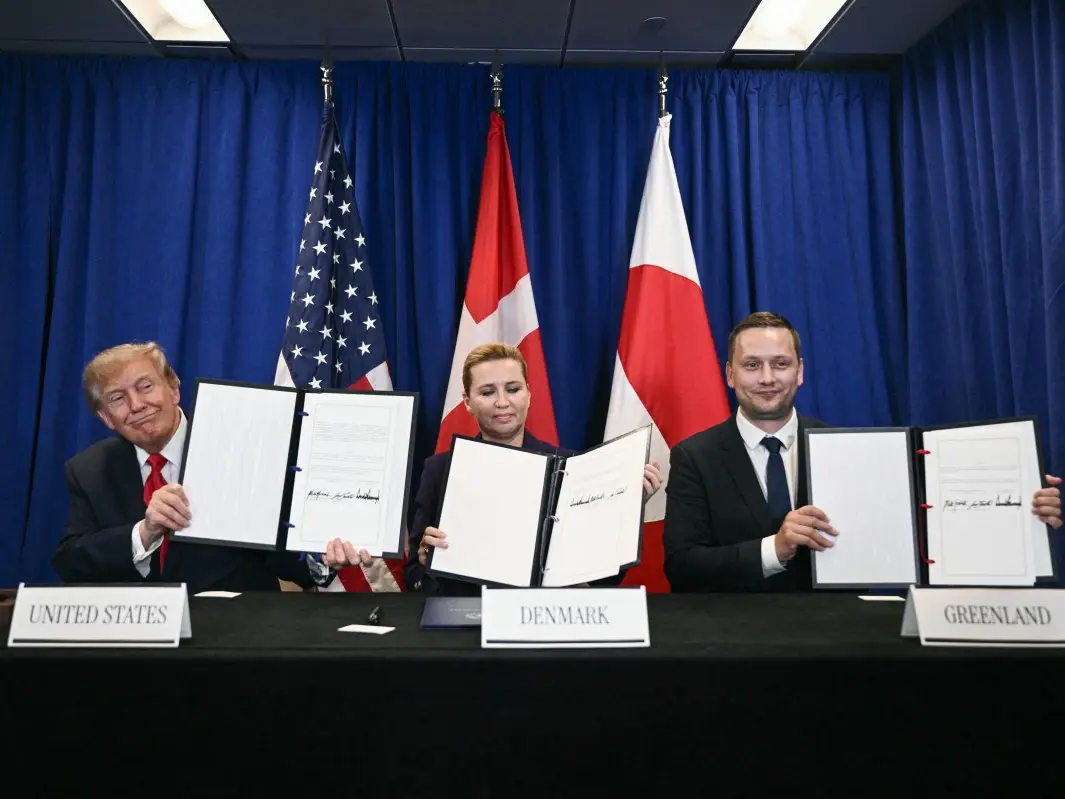)
Trump signs Greenland security deal with Denmark, paving way for two new US military bases
)
Major League Soccer referee sacked for sexist comment about female match referee
)
IND vs JPN T20I: How an overturned wide became point of difference between India's win and a tie
)
Trump-Xi summit: From trade to Taiwan, what will the US and Chinese presidents discuss in Washington?
)
Cyclone Arnab: Landfall expected before midnight tomorrow as IMD issues orange alerts across six states
)
ICC plans T20I expansion and fewer ODIs in 2027–2031 FTP cycle: Report
)
'Mumma’s boy from Gwalior who dared to dream': Kartik Aaryan pens long note after first National Award win
)
Gravitas | Boosting NHS productivity could save 20,600 lives in UK annually: Report
)
US and China vie for AI dominance as calls grow for regulation | Gravitas
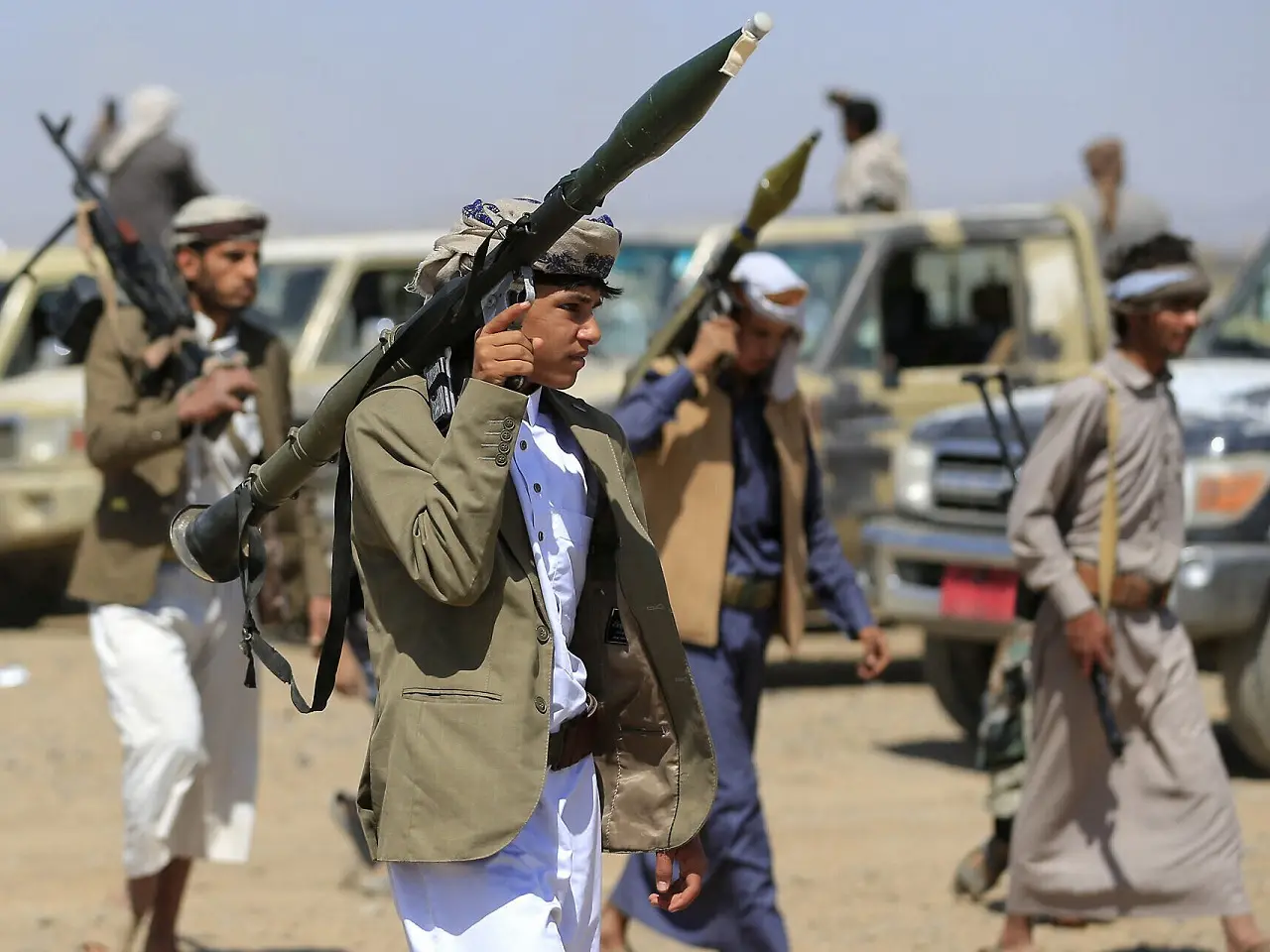)
Yemen clashes kill 154 people in two days as cornered Saudi battles Houthi offensive | Gravitas
)
Bomb scare in New York amid UNGA: Suspicious suitcase found near UN headquarters
)
IND vs JPN, one-off T20I: Japan captain Kendel on pushing India to the brink - ‘It was special’
)
Raaka creates history! Allu Arjun’s film secures Guinness World Record ahead of release
)
Saudi Arabia exits China-led mBridge digital currency platform amid Saudi-Houthi conflict
)
WION Iconic Tourism Summit and Awards 2026: Key voices to discuss India’s tourism future
)
WION Iconic Tourism Summit and Iconic Awards 2026: India's travel economy leaders gather in Delhi
)
American manufacturing is reshoring faster than its factory floors can absorb
&im=FitAndFill=(700,400))
New OTT releases this week (September 21-27, 2026): Shaque: Trust No One, Hunkkaar, Don’t Be Shy- 5 new titles coming to Netflix, Prime Video and more
)
81st UN General Assembly: Burnham announces UK-US AI defence tie-up
)
Trump calls on nations to quit ‘rogue’ and ‘out-of-control’ International Criminal Court, rips UN
)
Who is Clavicular? The 20-year-old controversial 'Looksmaxxing' influencer charged with rape allegations
)
'What kind of confession is this?': Pakistan PM Shehbaz Sharif’s 'terrorists would be roaming New York' remark goes viral, raises alarm online. Watch
)
IIT Bombay professor Suryanarayana Doolla sent on leave amid Sahil Wakode death probe
)
'This is normally what toddlers do': Why a psychiatrist is raising fresh questions about Trump’s recent behaviour
&im=FitAndFill=(700,400))
National Film Awards 2026: Kartik Aaryan, Mammootty, Yami Gautam, Randeep Hooda and other key winners
)
‘Strike a deal or drive Iran into hell’: Trump issues fresh warning to Tehran at UNGA
)
Anne Hathaway to run in supporting race for Nolan's epic
)
Over 4,200 books withdrawn from circulation in J&K colleges, 94% from Kashmir
)
From Gaddafi tearing up UN Charter to Trump’s ‘escalatorgate’: Most unforgettable UNGA moments
)
Explainer: Why rare-earth export licences and Board of Trade are US priorities ahead of Trump-Xi summit
)
Asia prepares for record El Nino, food shock
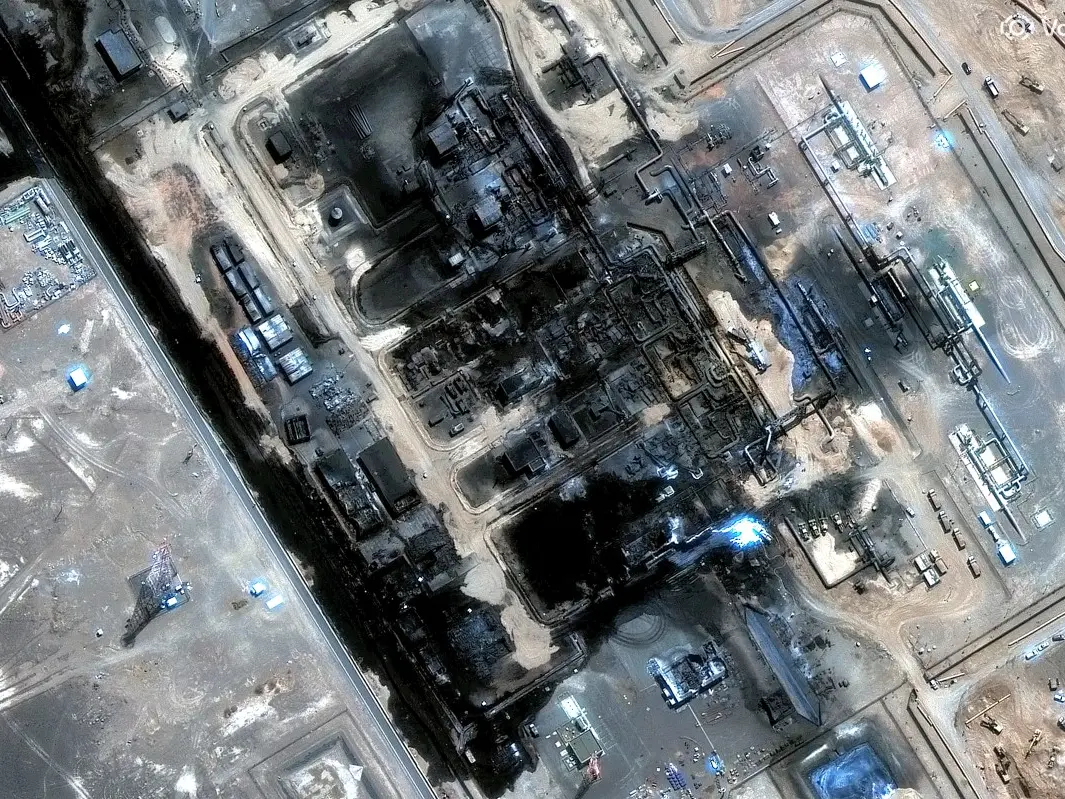)
Oil slips to $98 as Saudi Arabia restarts East-West oil pipeline
)
Four female students raped during 'Red Zone' at California university. What we know
India–Pakistan: At the time of high-tension Indian–Pakistani military confrontations, manipulated videos and Photoshopped images have consistently gone viral. In 2019, during the Balakot airstrikes incident, random footage of old military operations was shared as "breaking news." Memes, fabricated quotes, and attributed statements fueled public opinion on both sides and added to the hostilities.
Iran–Israel: When the tensions between Iran and Israel escalated, social media overflowed with mistranslations, doctored photographs, and even AI-composed "battlefield" pictures. Some of them were tweeted by popular handles and even caught by minor news websites before being corrected. When the misinformation propagated, the retractions hardly reached a quarter of the initial crowd.
Russia–Ukraine: Few, if any, wars in the modern era have witnessed the weaponisation of disinformation as extensively as the conflict between Russia and Ukraine. Political figures were duped with deepfake videos, footage of past combat being recycled as "current" incidents, and made-up casualty figures were circulated extensively. These were intentionally designed by state or state-sponsored actors to manipulate narratives and shape global opinion.
The reputation impact
It's not only governments and militaries that are impacted. One post here can ruin a reputation in a night. Reporters have been trolled, threatened, and discredited from out-of-context screenshots or doctored quotes. Celebrities and public figures have been hammered for comments they never made — simply because someone uploaded a realistic fake. Average citizens have been "doxxed" or hassled after being mistakenly identified in viral war videos. In such a weather, silence is sometimes more secure than voice — but even silence may be seen as taking sides.
The bottom line
Social media is not evil by nature — but it is by nature susceptible to being manipulated. In times of war, the truth tends to get destroyed first, and algorithms that prioritise speed over accuracy only make that poorer. The world we now inhabit requires a new type of literacy: the capacity to filter fact from fiction at the pace of a scroll. Whether you are a reporter, an elected official, or simply a regular user, one post can destroy or solidify your credibility. Caveat emptor — because in this digital space, the ill-advised line at the wrong time can alter everything.
Disclaimer: The views of the writer do not represent the views of WION or ZMCL. Nor does WION or ZMCL endorse the views of the writer.

