All eyes on Taiwan: What will China do?

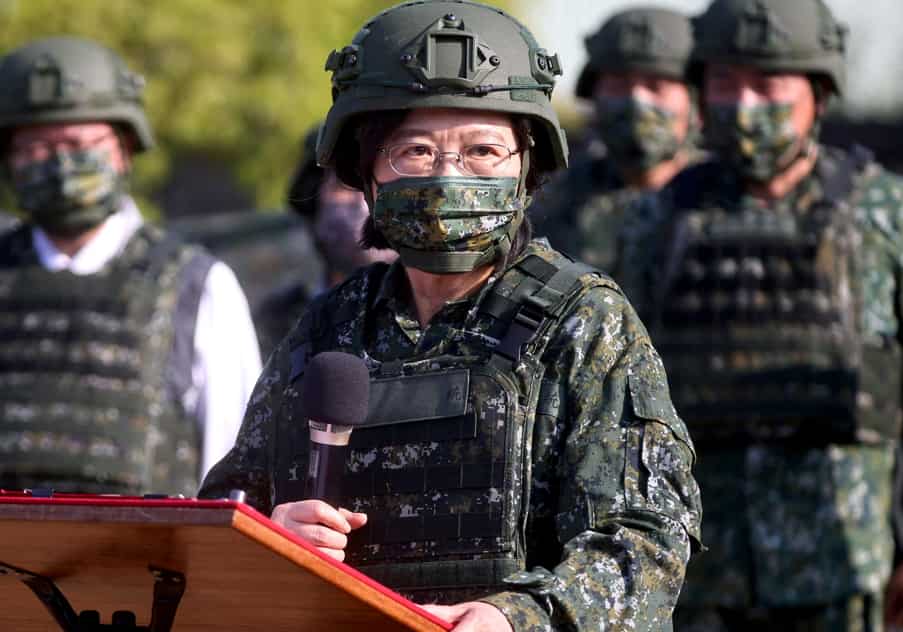
Taiwan President visits troops
Taiwan’s response to the latest round of China’s rather aggressive retaliation to the Speaker of the United States House of Representatives Nancy Pelosi’s Taiwan visit has been measured and calculated yet firm. Taiwan’s President Tsai Ing-wen remarked, “We will work to maintain the peaceful and stable status quo in the Taiwan Strait. We are calm and will not act in haste. We are rational and will not act to provoke. But we will absolutely not back down.” Taiwan is showing resolve and is being transparent with swift dissemination of information but China is upping the ante in the Taiwan Strait.
China’s overreaction, symptomatic of its insecurities vis-à-vis Taiwan, is very much in continuation with its conventional response whenever there is a high-profile foreign visitor to Taiwan. China wants Taiwan to get sunk into oblivion, and deprive it of any international legitimacy.
Unfortunately for China, the COVID-19 pandemic gave Taiwan a rare opportunity to reach out to the global community and expand its international space amid China’s attempts to shrink former’s international space and poach diplomatic allies. This was a direct outcome of Tsai government’s refusal to accept the 1992 consensus to govern the cross-Strait ties that led China to suspend the cross-Strait dialogue.

While accusing Taiwan and the United States of altering the status quo through Pelosi’s visit, China conveniently forgets that in reality, it is China that has unilaterally violated the status quo in recent years. Its repeated encroachments into Taiwan’s Air Defence Identification Zone (ADIZ) and attempts to persuade countries to not acknowledge and engage Taiwan are violations too.
So far as its strategic options are concerned, in spite of its heightened rhetoric and intimidation, it is a prevalent view in Taiwan that China is less likely to opt for a full-fledged military response.
What makes China’s choices difficult is the fact that this is a crucial time for China and it cannot afford to appear weak, both in front of the international community and the domestic audience. On August 2, marching of the tanks on a beach in Xiamen that is China’s closest point to Taiwan’s outlying island, Kinmen, when people were enjoying at the beach was to showcase the domestic audience that China views Pelosi’s visit as a violation of its sovereignty and if the need arises, will respond with military actions.
)
Sikh driver attacked in Wyoming in US, suffers 17 stab wounds
)
‘I have a big decision coming up’: Trump says he’s approaching major ‘crossroad’ in Iran war
)
US intel warns China can steal F-35 jets secret from Saudis
)
Former India player Diana Edulji wants Smriti Mandhana to replace Harman as skipper at the earliest
)
Pak defence minister says 'time has come to implement pact'
&im=FitAndFill=(700,400))
Meet top 5 batters in the latest ICC T20I Rankings
)
Formula One reveals the 2027 race calendar; Monaco to host sprint race for the first time
)
All Indian goods to get duty-free access to New Zealand
)
AI already defying, denying humans, is it beyond human control already?
)
US F-16 fighter jet crashes in Michigan during training mission, pilot ejects safely
)
240-million-year-old bizarre 'pig with a tusk' creature creates new dilemma over origin of dinosaurs
)
US to sell 48 F-35 Lightning fighter jets to Saudi Arabia, help it deter threats
)
Hong Kong unveils 11 new measures to boost birth rates, offers higher cash bonuses and housing perks
)
Former OpenAI researcher warns of growing risks from Artificial Intelligence
)
Australian athlete, who soiled herself during Hyrox race, apologises for continuing
)
Tata Trusts chairman Noel Tata calls Chandrasekaran’s reappointment ‘illegal’, rejects Tata Sons listing
)
Dolly Parton dies at 80: Country legend’s team reveals cause of death
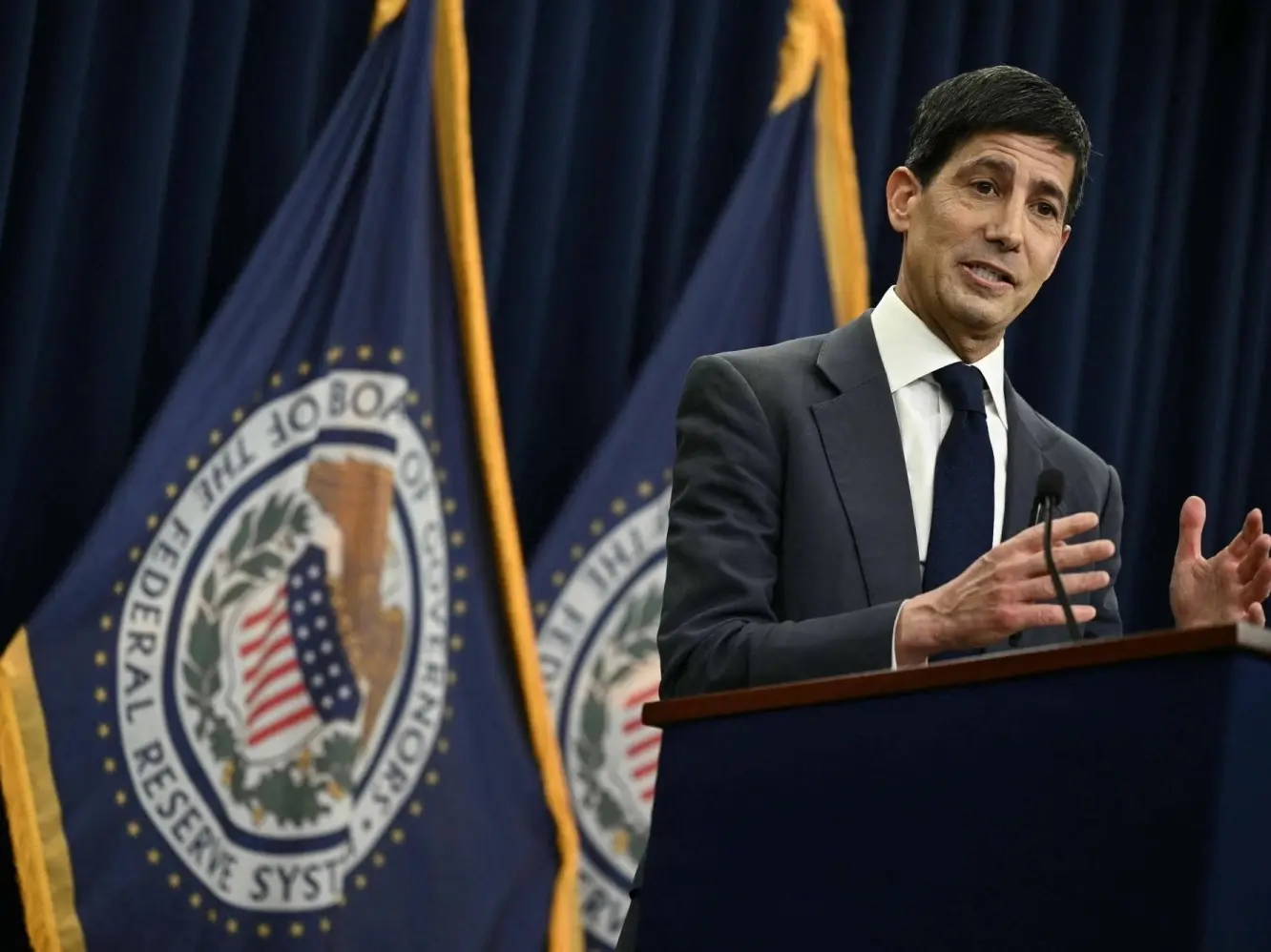)
Fed raises rates for first time in 3 years, Kevin Warsh defies Trump as inflation mounts
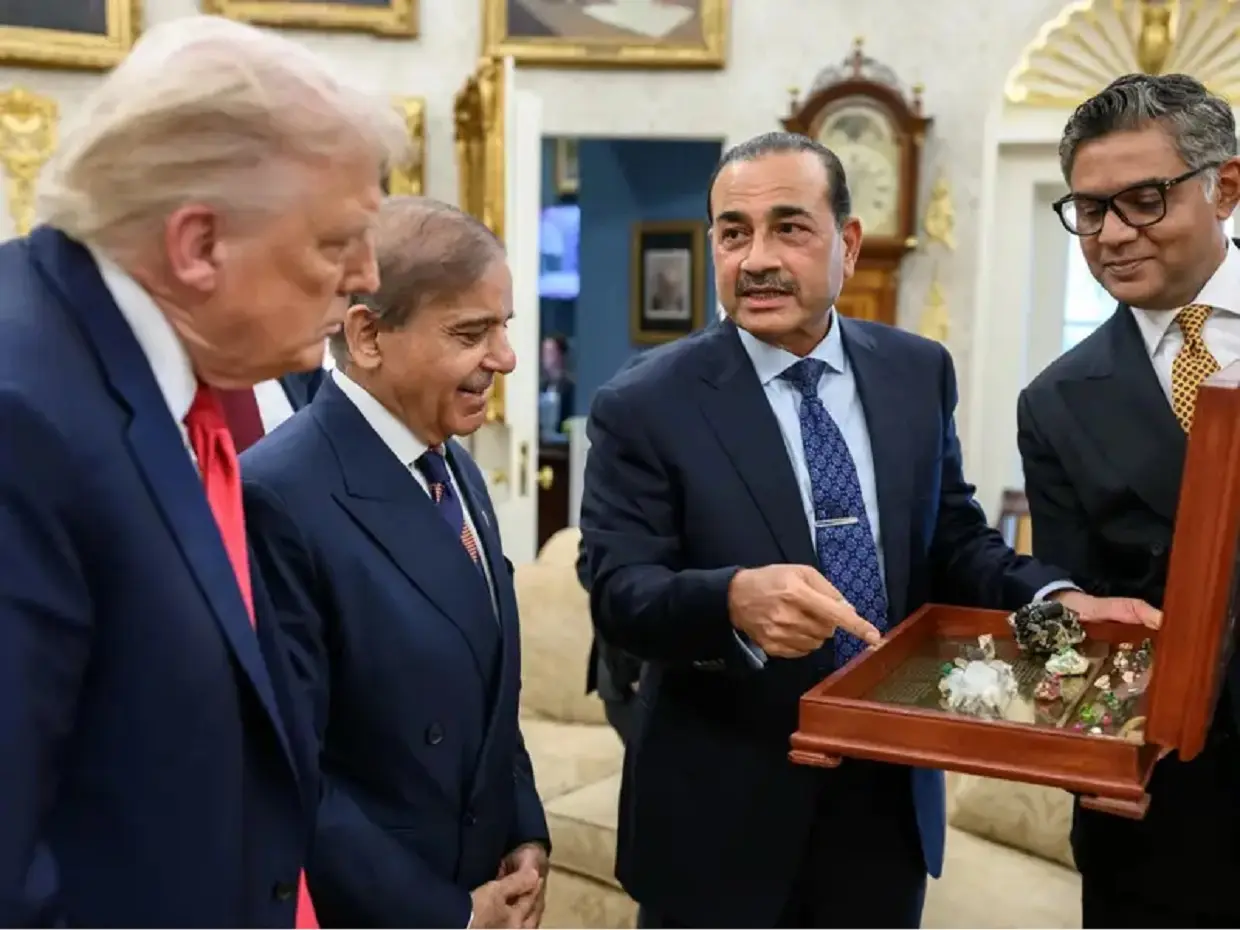)
US drone firm linked to Trump’s sons signs MoU with Pakistan army, gets initial order
)
Pak batter Rizwan's petition against being questioned by cyber crime agency rejected by court
)
Daayra movie review: Kareena Kapoor, Prithviraj Sukumaran shine in Meghna Gulzar’s cop-versus-cop crime thriller
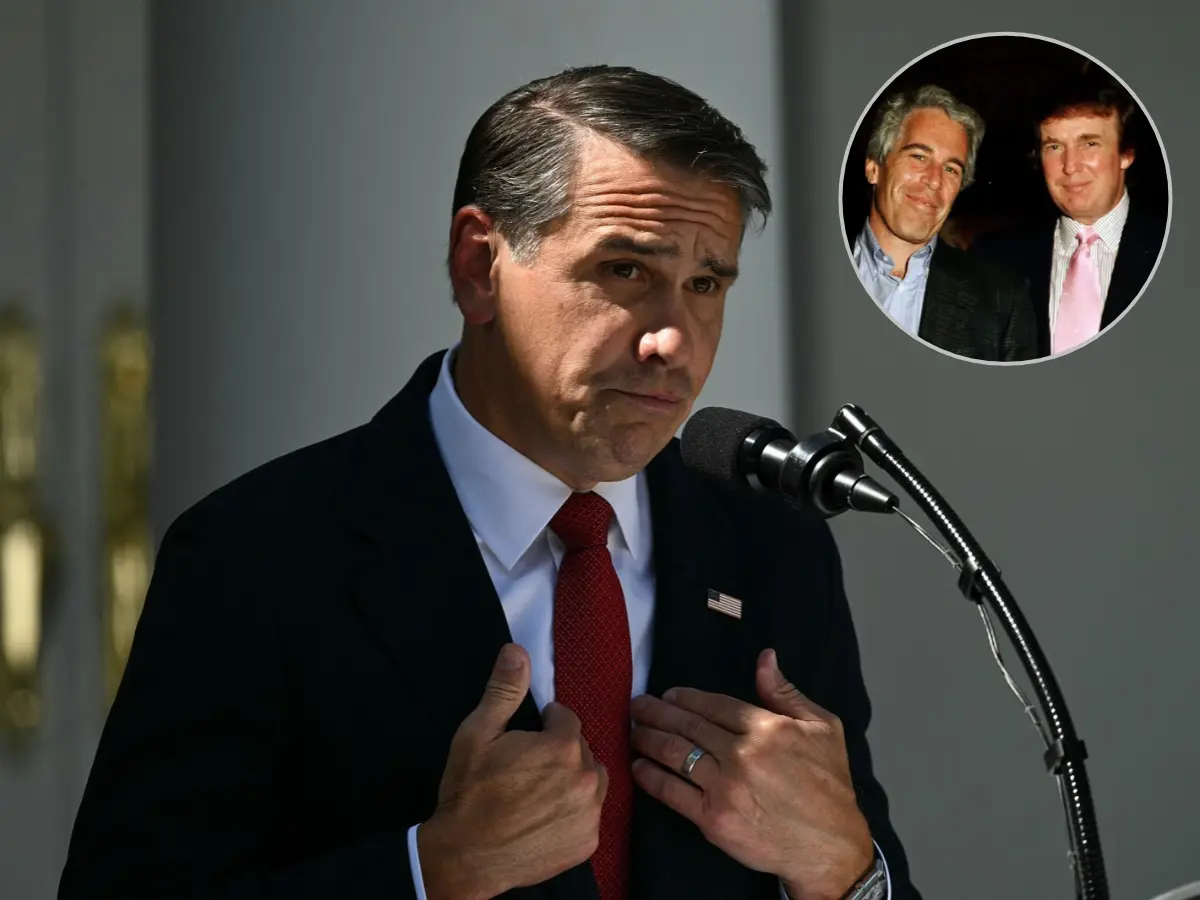)
Epstein files: Judge warns Trump Attorney General Todd Blanche of contempt over DOJ delays
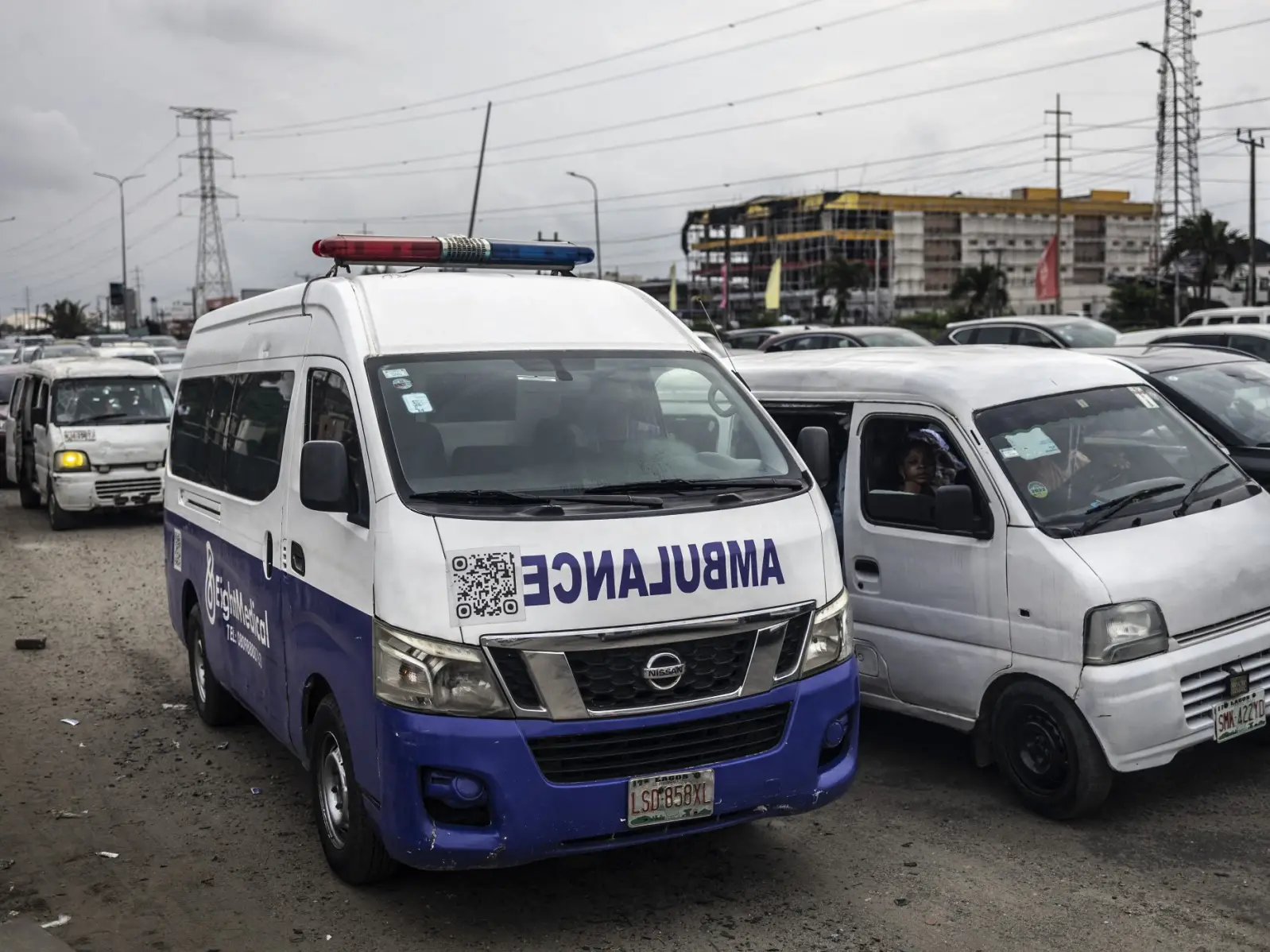)
At least 48 dead, 100 hospitalised in Nigeria after drinking suspected methanol-laced alcohol
)
US-Iran War: Trump says ‘big decision’ on Iran ahead, weighs possible fresh military action
)
Trump could impose tariffs of up to 100%
)
US new military base in Poland: US President Donald Trump eyes military base in Poland
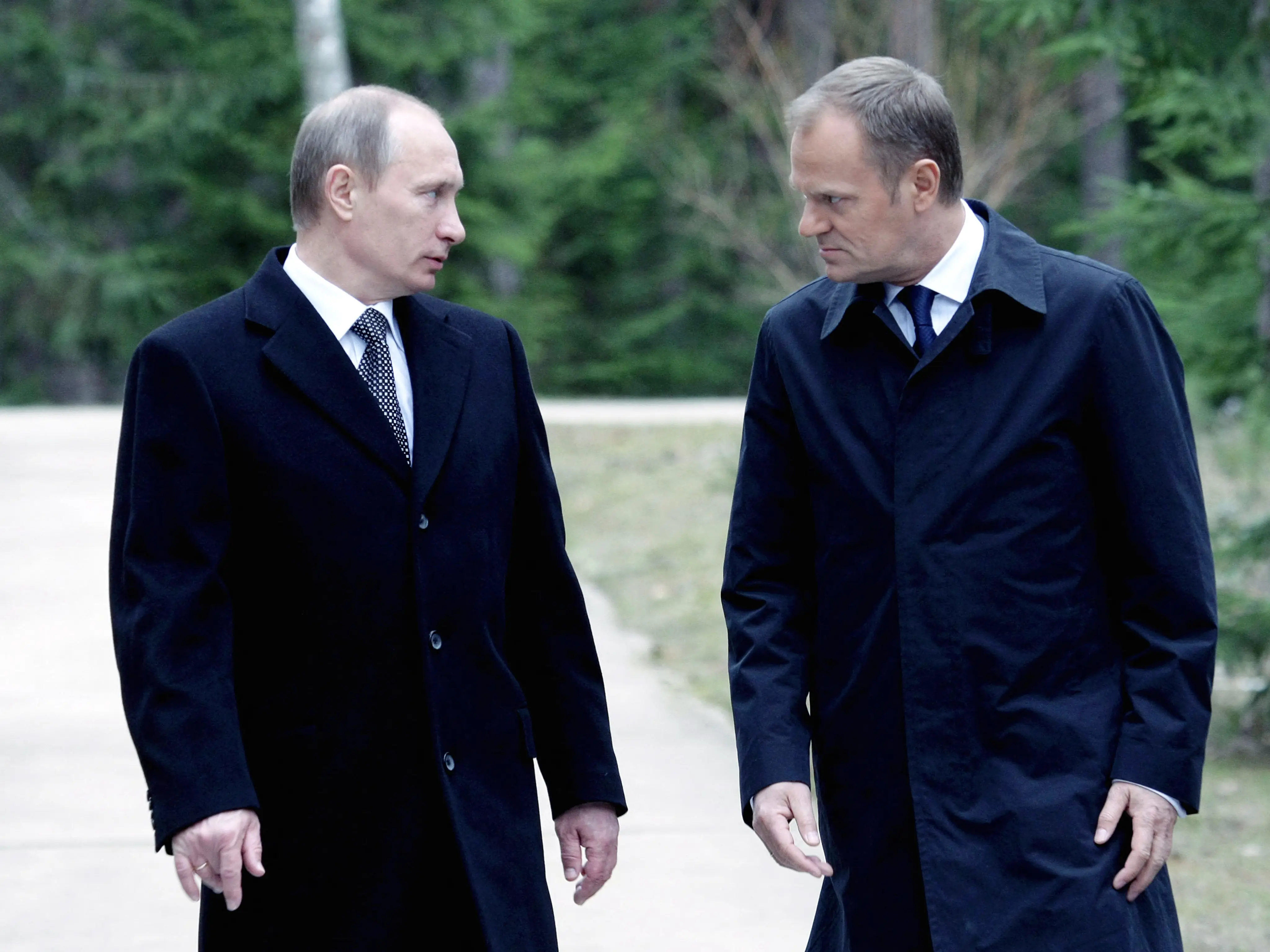)
Putin 'is plotting something bad': Russia may launch 'accidental' strikes on NATO countries supporting Ukraine, Poland PM warns
&im=FitAndFill=(700,400))
Suriya and Jyothika say ‘I do’ again after 20 years! See their dreamy wedding pics
)
Laura Wolvaardt sets new world record for most WT20I runs in a year
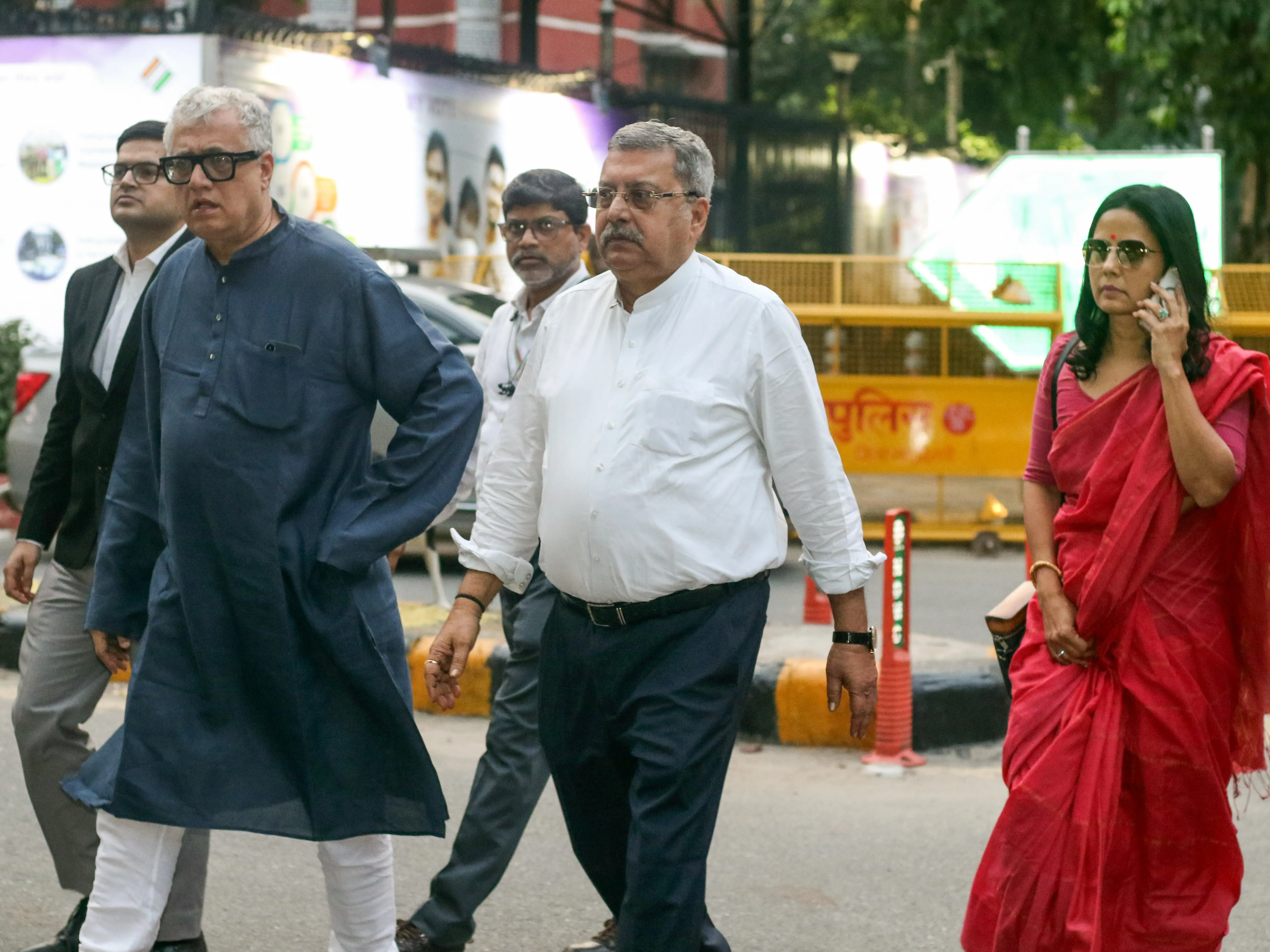)
Mahua Moitra moves UN over alleged exclusion of Muslim officers from Amit Shah events
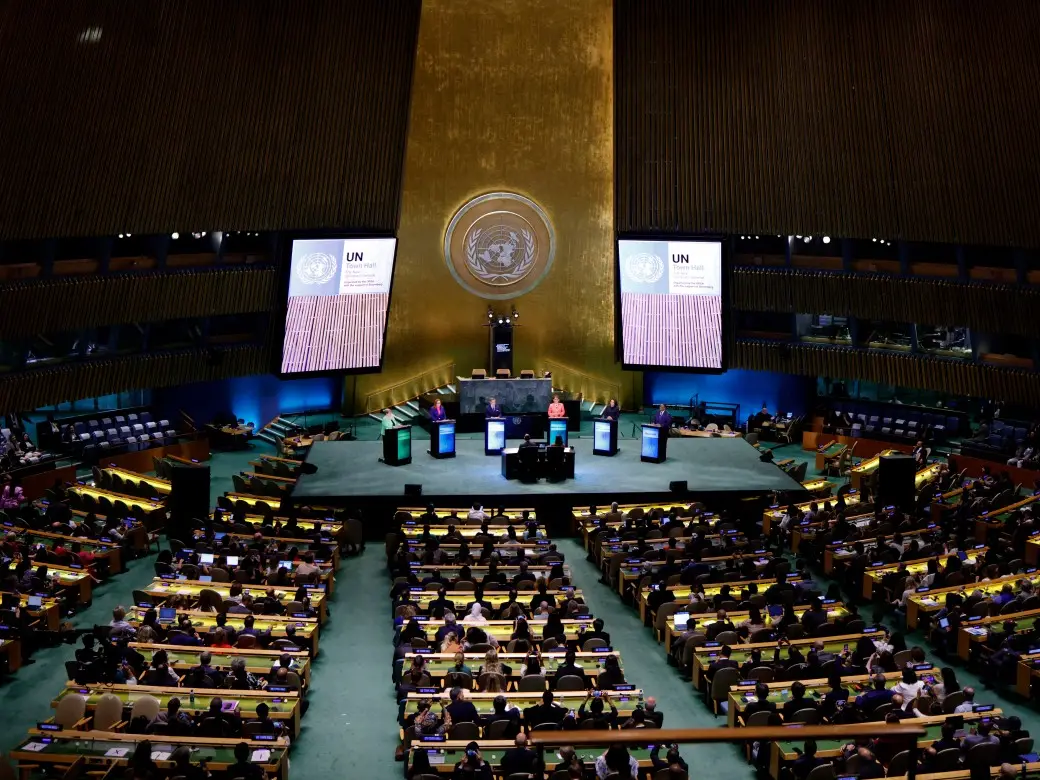)
Pezeshkian, Araghchi set to attend UNGA 2026 in New York amid ongoing conflict as US-imposed travel curbs remain
We are in a long haul here, and China’s intimidation might continue for months or even years. However, this is not something that Taiwan has not seen before. Taiwan has been living under the China threat for decades but the world is taking cognizance of it now.
Arguably, China’s retaliation against Taiwan is likely to be fivefold: spreading disinformation, launching cyberattacks, intensifying economic coercion, seeking reassurances and trying to shape the narrative in its favour, and further intensification in the naval and air incursions.
A long-term response includes economic coercion. China has already banned 100 Taiwanese food snacks manufacturers, imports of citrus fruits, and varieties of fish. China’s economic sanctions are only going to intensify as it is trying to hit Taiwan where it hurts the most given the cross-Strait economic interdependence.
China is also using this episode to seek reassurances from several countries on their adherences to the One-China Policy. Two of the first countries to come in support of China were Russia and North Korea. Additionally, the Chinese diplomats are hoping to shape the narrative of the people in the host countries through social media interactions and writing op-eds in the traditional media.
One of the most alarming responses is the further increase in military activities around Taiwan. With this, China aims to achieve three objectives: it wants to generate panic among people and intimidate Taiwan; it allows China to check Taiwan’s preparedness, the United States’ resolve to defend Taiwan, and even Japan’s response in an event of future cross-Strait conflict; and deter countries to expand interactions with Taiwan leading to Taiwan’s isolation.
These moves seem to be punitive measures, and are to deter the United States and Taiwan from improving semi-political exchanges and other countries to freely engage Taiwan. For now, China’s response seems to be a mix of military intimidation, verbal brinkmanship, and cutting off dialogues on key issues with the United States with a possibility of downgrading diplomatic contacts.
China’s actions will have long-term implications. While this increases anxiety and tensions in the Taiwan Strait, such miscalculations have the potential to create further problems for China. This is leading to further deterioration of relations with the United States, Japan, and other G7 countries with a possibility of the United States and Japan also getting involved in any future contingency.
It will dent China’s image and establish it as an aggressor. China has active territorial disputes with countries such as India, Japan, Southeast Asian nations. If China decides to escalate, it will harbour anxiety among countries that they might be next, and only bolster the resolve of countries to further strengthen a collective response to maintain the peace and stability in the Indo-Pacific.
Sana Hashmi is Post-Doctoral Fellow, Taiwan-Asia Exchange Foundation. She tweets @sanahashmi1.
(Disclaimer: The views of the writer do not represent the views of WION or ZMCL. Nor does WION or ZMCL endorse the views of the writer.)