
&imwidth=800&imheight=600&format=webp&quality=medium "Why you shouldn't judge yourself for not having a best friend as an adult")
Are you an adult who doesn't have a close friend? Why do you think that is? After being around people for several years of your life, if you still don’t have close friends, someone you can open your heart to, are you the problem? This is not a question you can ask everyone, so we start doing a self-analysis. We begin to wonder whether our attitude or personality isn’t typical of what people are looking for in a friend. You begin to spiral, feel anxious about your future and start pointing out the flaws in yourself. However, while your emotions might be getting the better of you in this scenario, science says otherwise. You are not the problem. Here is why. According to a famous study by Dr Jeffrey Hall at the University of Kansas, friendship isn’t just about chemistry; it actually has a quantifiable aspect. Dr Hall says that as adults, we hit an invisible psychological barrier - The 200-Hour Rule.
You definitely know people at your workplace, at the gym, in your neighbourhood, your yoga class, and the person you keep seeing at the supermarket, yet none of them has moved from being an acquaintance to a friend. This is because, to move from "casual acquaintance" to a "close friend," you need to spend roughly 200 hours together. The paradox - for almost every modern adult today, 200 hours is a luxury. Hall’s research broke down the "cost of connection" into three distinct tiers, and once you cross each tier, you enter a new level of relationship.

Going from acquaintance to best friend, and where you get stuck
1. The Casual Tier (40–60 hours): Your “work buddy” or your gym partner fits into this category. You know the basics about them - like their dog’s name, whether they are single or not, name, etc., but you haven't shared your deepest fears.
2. The Friend Tier (80–100 hours): You don’t need to engage in small talk with this person. This is your typical friend - you have gone on trips together, had dinner and by this time, have a shared history. However, this person is not your “best friend.”
Trending Stories
)
From drones to KAAN fighters: Turkey outlines 229% surge in defence spending amid regional shifts
)
Frustrated man demolishes his kitchen after thousands flock to see Mother Mary his wife spotted on the wall
)
BRICS Summit 2026: Special BRICS session on 'inclusive global governance'
)
Israel spent nearly $470,000 on PM's hair, makeup since 2019, data shows
)
Satya Niketan horror: Who is responsible?
)
Osama Bin Laden's son ALIVE? Al-Qaeda releases video 7 years after US declared him dead
)
BRICS Summit 2026: PM Modi meets Malaysia, Ethiopia leaders; defence ties, trade in focus
)
Lady Gaga is a mom! Oscar-winning singer welcomes first child with fiance Michael Polansky
)
BRICS Summit 2026: South Africa says it will use the summit to advance its economic priorities
)
From India, Putin warns Europe against sending troops to Ukraine, Zelensky expresses willingness to meet him at G20 Summit
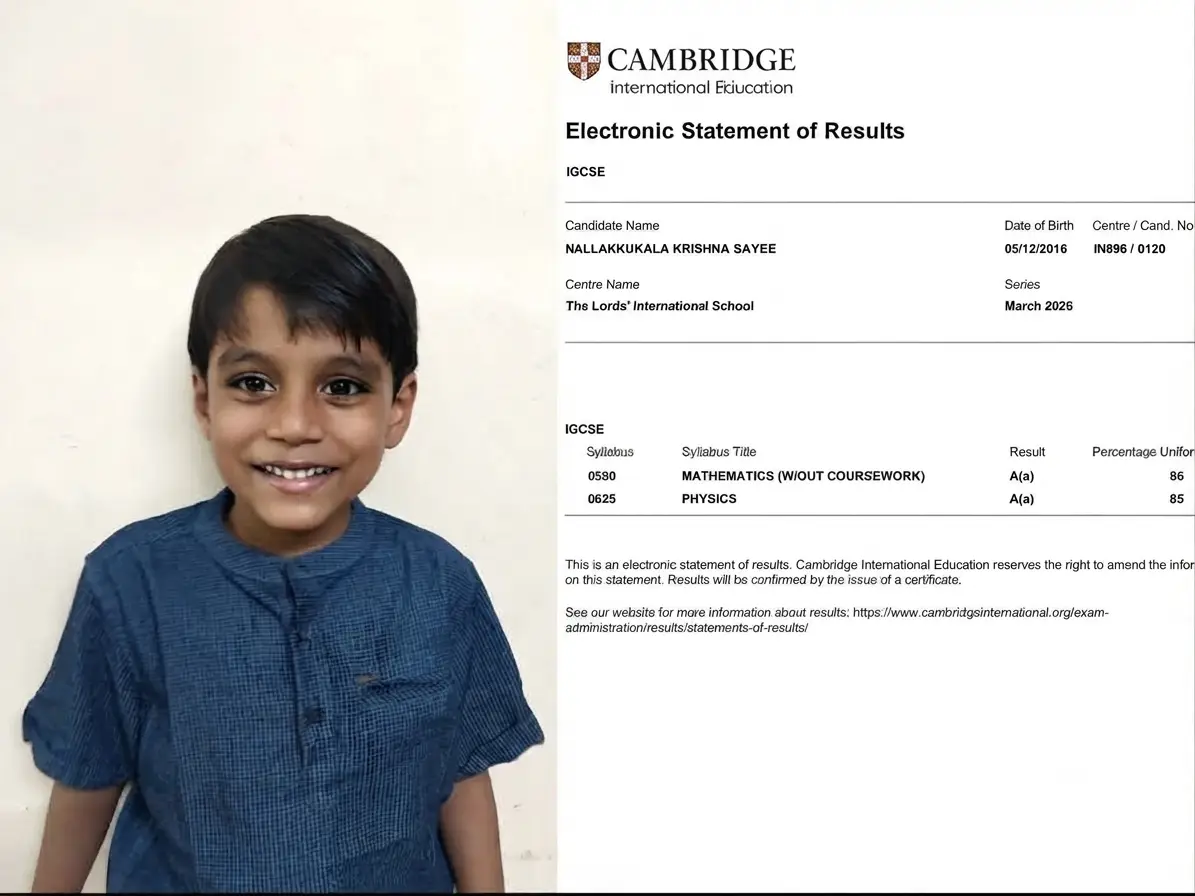)
9-year-old Chennai prodigy clears Cambridge IGCSE grade 10 exams
)
South Africa batter Jordan Hermann hits highest individual score on ODI debut
)
BRICS Summit 2026: Rivals in West Asia, partners in BRICS, UAE, Iran, and Saudi delegations in Delhi
)
Houthis vs Saudi Arabia: East-west oil pipeline shut after drone attacks from Iraq
)
BRICS Summit: China resumes Guangzhou-New Delhi flight, issues 'good-neighbourliness' remark ahead of Xi-Modi meet
)
Karthik Subbaraj’s Dorothy gets a standing ovation at TIFF world premiere
)
BRICS summit: India faces delicate Iran-UAE diplomatic test
&im=FitAndFill=(700,400))
New Friday OTT releases (September 11, 2026): The Revolutionaries, Vishwanath & Sons, Ghamasaan- 6 new titles coming on Netflix, Prime Video and more
)
BRICS Summit 2026: Iran's Pezeshkian praises PM Modi at BRICS
)
800 million years old - Scientists discover 'fingerprints' of supercontinent Gondwana in ancient rocks
)
IND vs AFG, 1st T20I: When and where to watch live streaming in India?
)
9/11 attack anniversary: The day that changed America forever
)
Odisha gets investment proposals worth Rs 2.42 trillion from UAE with 6.18 lakh potential jobs
)
BRICS Summit 2026: 30+ countries seek BRICS membership
)
In first of its kind, Trump admin deports Afghan woman via Alien Terrorist Court
)
After praising Modi, Pezeshkian meets Indian religious leaders, Hurriyat's Mirwaiz Umar Farooq
)
North Korea fires missiles after US, South Korea and Japan military drills but America says 'does not pose immediate threat'
)
Saudi Arabia shuts East-West oil pipeline, key Hormuz bypass, after attacks
)
BRICS Summit 2026: Top world leaders in New Delhi; West Asia war casts shadow on BRICS Summit
)
Years before 9/11, CIA warned Clinton, Bush of 'explosive-packed airplane attack': What newly released files reveal
)
Harry Potter TV show vs films: Gary Oldman explains why HBO’s reboot could be better
)
Satellite images show construction surge at Iran’s Pickaxe nuclear site amid US war
)
Delhi's top luxury hotels turn into high-security fortress hubs for BRICS 2026 delegations
)
WION Expertspeak: Understanding India's BRICS presidency amid wars, trade tensions and global turmoil
3. The "Best Friend" Tier (200+ hours): Here is where it gets tricky. After having spent over 200 hours with this person, you both finally break ground and are now in each other’s "inner circle." This is the person you can depend on for anything.
However, Dr Hall’s study found that reaching this milestone requires unstructured time, that is, the time you don’t need to schedule to be with this person. According to the research, it translates into spending at least three hours together at a stretch. Is this something you can do as an adult, assuming the other person also has the same type of time? If you do, well then, congratulations, you can have a best friend. But unfortunately, for a majority of adults, it is just impossible.
The vanishing 3-hour rules
I say “vanishing” here because there was once a time in your life when you did have hours to spend with other people without any planning. Sociologists say that building deep intimacy requires "the 3-hour window." This happened when you were in school. As a student, you are forced to be in a classroom for 6-7 hours with the same people. You end up spending all that time with a certain group of people. We easily crossed the 3-hour rule during this age. In fact, looking back, we must have easily spent 200 hours with the same people. The result: People still have school friendships they cherish long after they have moved into other areas of life. This is proof that the 3-hour rule works. And consequently, we know why it is hard to make best friends as an adult.
Scientifically speaking, the first hour is just to "decompress" from the stress of the day. The real emotional disclosure happens in the second and third hours, when you have nothing to talk about, and this is only if the silence becomes comfortable. However, spending an average of 40-50 hours at work, 10 hours commuting and the remaining at home with kids and chores, and getting some rest, no one has three hours to just sit around with a friend.
You are not less likeable, you are time-poor
Since the 1990s, the number of people who say they do not have any close friends has skyrocketed, and your personality and likeability have nothing to do with it. It is because in this world of constant rush, we have become time-poor.
Your work friends are mostly linked to professional utility. And even if that is not the case, once you leave the job, you will have to go back to scheduling them on your to-do list. When spontaneity disappears, it turns into a task. Besides, between work, commute and family, the first thing you strike off your list is the 3-hour window.
How to build strong friendships as an adult?
It is quite simple - If you want a best friend, you should be willing to give your time. If not separately, then by mixing it with your current schedule. This is known as "multiplexing"— folding friendship into the existing structures of our lives. Talk to your friend on the phone while travelling to work, and carpool with them if possible. Call them over or visit their house and chat along while finishing chores. Join a club or a gathering where you automatically stack up more hours. Building friendships is a slow process that requires work just like any other relationship.

