Why Russia’s Su-57E could be the stealth fighter India desperately needs right now

&imwidth=600&imheight=450&format=webp&quality=medium "Why Russia’s Su-57E could be the stealth fighter India desperately needs right now")
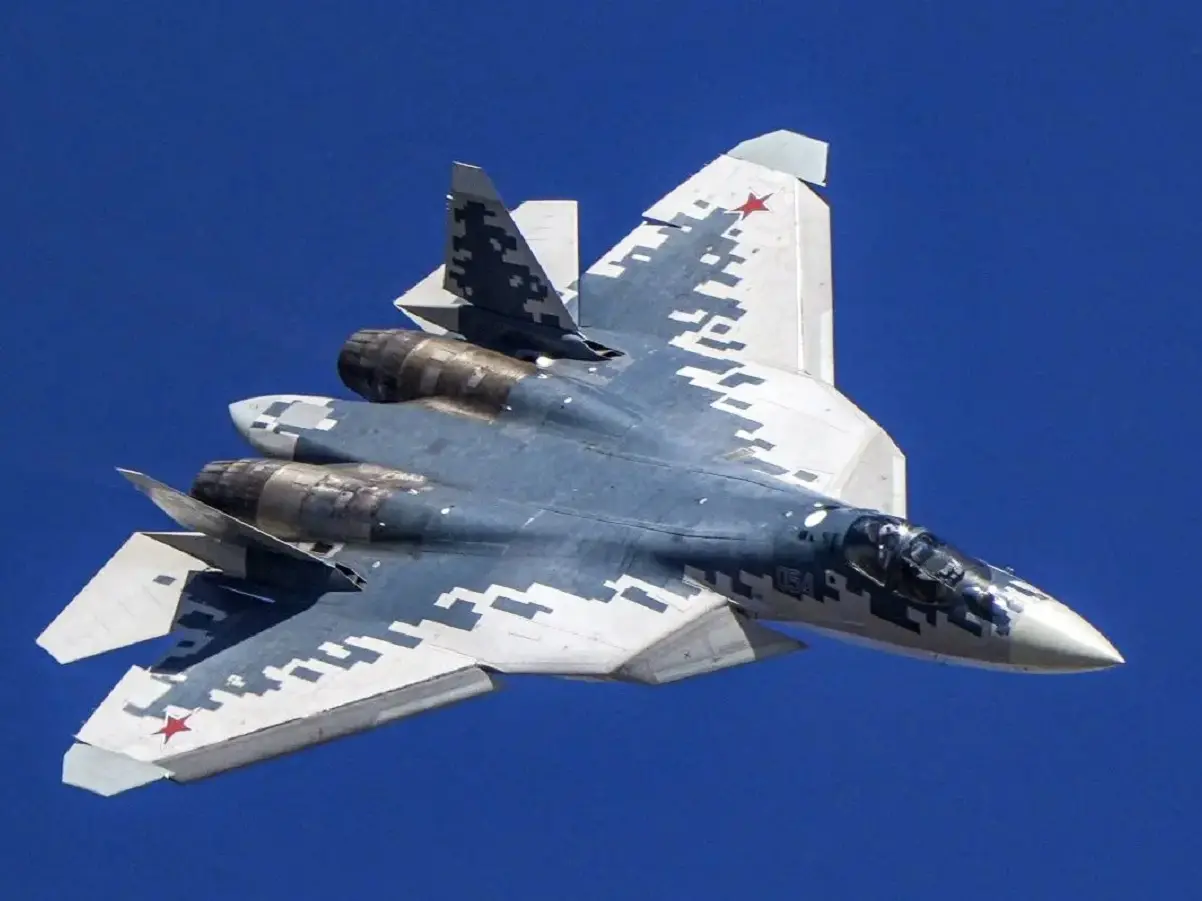
Russia’s Su-57E fifth-generation stealth fighter jet
Hindustan Aeronautics Limited (HAL) will play a crucial role in this programme through the planned “Super Felon” upgrade initiative. Just like HAL transformed the basic Su-30 into the superior Su-30MKI Super-30 with Indian systems and weapons, the same approach will be used for the Su-57E.
The Indian Air Force is seriously looking at buying Russia’s Su-57E fifth-generation stealth fighter jets in what could be a game-changing move to strengthen India’s air power. According to Defence.in reports, this fresh interest comes at a time when Pakistan is eyeing China’s J-35A stealth jet, and India’s own Advanced Medium Combat Aircraft (AMCA) is still years away from becoming a reality.
The IAF currently operates only 31 fighter squadrons against an approved strength of 42 squadrons. This shortage of 11 squadrons—roughly 200 fighter jets—is a serious concern for national security. The proposed purchase of 40 to 60 Su-57E jets could help fill this critical gap much faster than waiting for indigenous solutions or lengthy procurement processes.
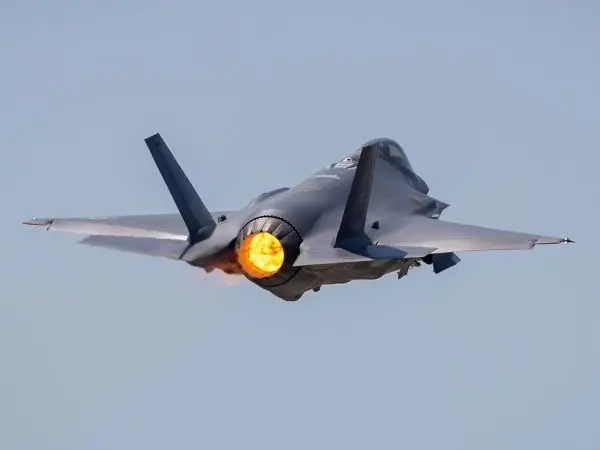
The Su-57E, known by its NATO codename “Felon”, represents a completely different capability compared to what the Rafale brings to the table. While the Rafale is an excellent 4.5-generation multirole fighter with proven combat performance, it is not a true stealth aircraft. The Su-57E, on the other hand, is designed from the ground up as a fifth-generation stealth fighter with radar-evading technology that makes it nearly invisible to enemy air defence systems.
This is where the strategic logic becomes clear. Even if India eventually finalizes the 114 Rafale purchase under the MRFA programme, these jets cannot match the stealth capabilities needed to penetrate heavily defended airspace. China already operates the J-20 stealth fighter in significant numbers, and Pakistan may soon get the J-35A. Without a stealth fighter of its own, the IAF would be at a serious disadvantage in any future conflict.
The Su-57E brings several unique advantages to India’s defence arsenal. It can fly at supersonic speeds without using afterburners—a capability called supercruise—which saves fuel and extends its combat range. Its design makes it perfect for high-altitude operations over the Himalayas, exactly where India faces its most serious threats. The jet can also carry hypersonic weapons like the Kinzhal missile, giving India a powerful strike capability that no other aircraft in the region can match.
Another exciting feature is the Su-57E’s ability to act as a “drone mothership”. It can control unmanned combat aircraft like the S-70 Okhotnik-B, sending them ahead into dangerous missions while the pilot stays safely behind. This kind of manned-unmanned teaming represents the future of air warfare and would give the IAF a significant technological edge.
Trending Stories
)
)
&im=FitAndFill=(700,400))
)
)
)
)
&im=FitAndFill=(700,400))
)
)
)
)
)
)
)
)
)
)
)
)
)
)
)
&im=FitAndFill=(700,400))
)
)
&im=FitAndFill=(700,400))
)
)
)
)
)
)
)
)
)
The plan is practical and cost-effective. The first batch of jets would be bought directly from Russia with deliveries starting around 2028. The estimated cost of $80-100 million (₹7,040-8,800 crore) per aircraft means the total programme would cost between $3.2 billion and $6 billion (₹28,160-52,800 crore)—a reasonable investment considering the capabilities these jets bring. More importantly, this direct purchase approach means India can start getting these fighters quickly without waiting to set up complex manufacturing facilities.
Hindustan Aeronautics Limited (HAL) will play a crucial role in this programme through the planned “Super Felon” upgrade initiative. Just like HAL transformed the basic Su-30 into the superior Su-30MKI Super-30 with Indian systems and weapons, the same approach will be used for the Su-57E. HAL’s Nashik facility has been offered full technology transfer for manufacturing these jets if India orders more than 100 aircraft. But even with a smaller order, HAL will handle major upgrades including fitting Indian-made weapons, installing the indigenous Uttam AESA radar, and integrating locally developed mission computers and electronic warfare systems. This will not only make the jets more suitable for India’s specific needs but also give HAL valuable experience in working with fifth-generation fighter technology—knowledge that will directly benefit the AMCA programme.
Some critics ask: why buy Russian jets when there’s a plan for French Rafales? The answer is simple—these are complementary, not competing purchases. The Rafale is perfect for precision strikes, air superiority, and nuclear delivery missions. The Su-57E is specifically meant to counter enemy stealth fighters and penetrate advanced air defence networks. Think of it like having both a scalpel and a sledgehammer—you need different tools for different jobs.
The IAF’s strategy is clear-headed and realistic. The Su-57E is not meant to be a mass-production aircraft for India. Instead, two or three squadrons of these stealth fighters would serve as specialized units to deter aggression and maintain technological parity with China and Pakistan. They would act as a crucial bridge until India’s indigenous AMCA enters service in the mid-2030s.
The talks on the Su-57E have restarted after the earlier FGFA (Fifth Generation Fighter Aircraft) joint development project with Russia collapsed in 2018 over disagreements on costs, technology sharing, and performance standards. This time, the approach is different—a straightforward purchase of proven aircraft rather than a complicated joint development programme. This reduces risks and speeds up delivery.
If the deal goes through, these advanced stealth fighters could be deployed at strategic airbases like Ambala in Haryana or Hasimara in West Bengal by the early 2030s. These locations would allow the Su-57E to quickly respond to threats on both the western and eastern borders.
The bottom line is this: India faces two nuclear-armed neighbours who are rapidly modernising their air forces with stealth technology. Waiting another decade for the AMCA while relying only on non-stealth fighters would be a dangerous gamble. The Su-57E purchase, alongside the Rafale programme, would give India the complete air power package it needs—fourth-generation numbers, 4.5-generation versatility, and fifth-generation stealth capability.
In the high-stakes game of regional air superiority, India cannot afford to show up without the right cards. The Su-57E might just be the ace the IAF needs to keep its edge in South Asian skies.
(Girish Linganna is an award-winning science communicator and a Defence, Aerospace & Geopolitical Analyst. He is the Managing Director of ADD Engineering Components India Pvt. Ltd., a subsidiary of ADD Engineering GmbH, Germany.)