Why is APAAR sparking a privacy debate among parents and students? WION Decodes

&imwidth=600&imheight=450&format=webp&quality=medium "Why is APAAR sparking a privacy debate among parents and students? WION Decodes")
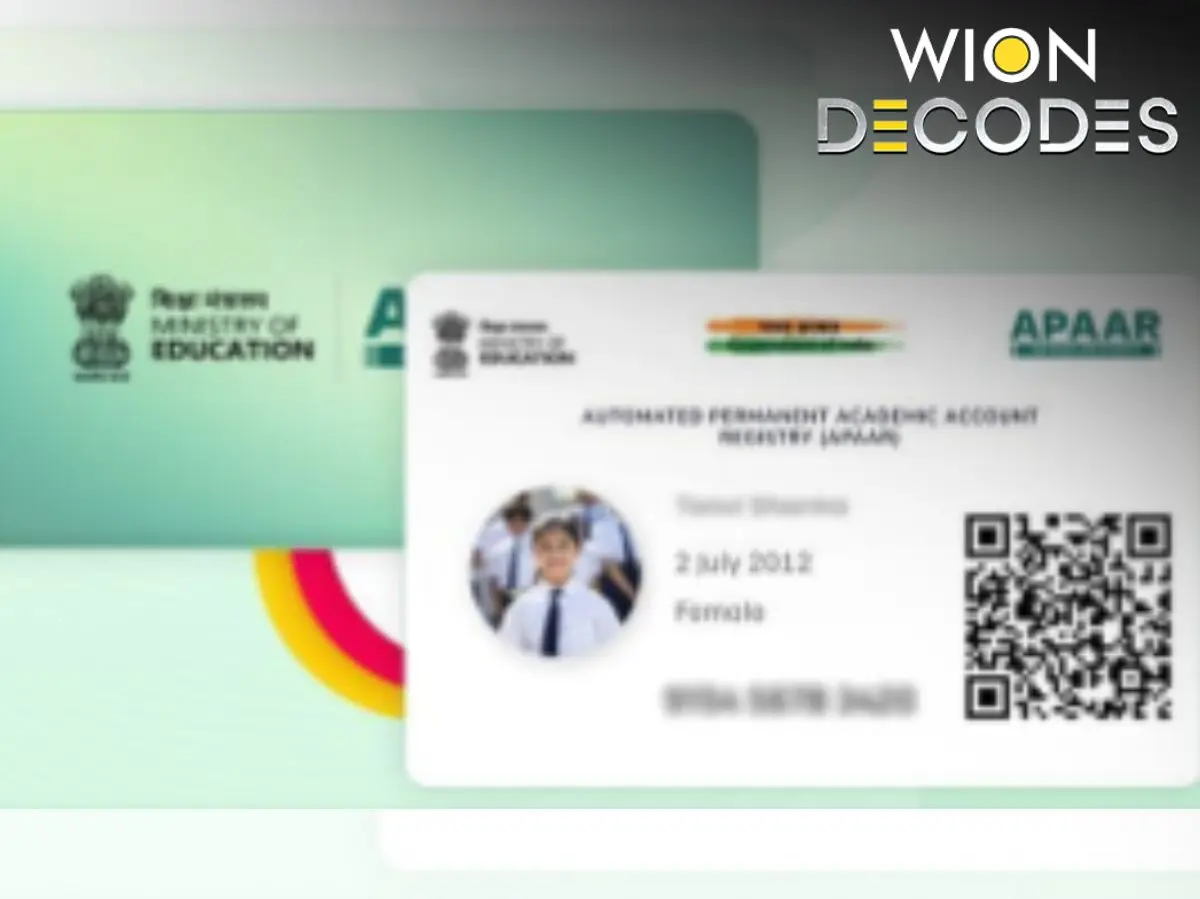
Why is APAAR sparking a privacy debate among parents and students? WION Decodes Photograph: (India.gov.in)
APAAR aims to create a lifelong digital academic identity for students, but concerns over Aadhaar linkage, data privacy and alleged pressure to enrol have led the Supreme Court to seek clearer opt-out safeguards.
The Supreme Court has raised concerns over the consent process for the government’s Automated Permanent Academic Account Registry (APAAR) initiative, after parents and petitioners alleged that students were being pushed into enrolling despite the scheme being officially voluntary. The court has indicated that the Central Board of Secondary Education (CBSE) should provide an explicit opt-out option for parents nationwide and address concerns over student data protection.
What is APAAR?
APAAR, or Automated Permanent Academic Account Registry, is a government initiative introduced under the National Education Policy (NEP) 2020 as part of the “One Nation, One Student ID” programme. It aims to provide every student with a lifelong digital academic identity where educational records, including marksheets, certificates, degrees, credits and other achievements, can be stored digitally.
The system creates a unique 12-digit APAAR ID for students and is designed to integrate with platforms such as DigiLocker and the Academic Bank of Credits (ABC), allowing students to access and transfer their academic records more easily across institutions.
For school students, the creation of an APAAR ID requires verification of details and parental consent in case of minors. The process involves authentication through Aadhaar-linked information to establish a unique academic identity and prevent duplication of records.
Trending Stories
&imwidth=280&imheight=210&format=webp&quality=medium)
&imwidth=280&imheight=210&format=webp&quality=medium)
&imwidth=280&imheight=210&format=webp&quality=medium)
&imwidth=280&imheight=210&format=webp&quality=medium)
&imwidth=280&imheight=210&format=webp&quality=medium)
&imwidth=280&imheight=210&format=webp&quality=medium)
&imwidth=280&imheight=210&format=webp&quality=medium)
&imwidth=280&imheight=210&format=webp&quality=medium)
&imwidth=280&imheight=210&format=webp&quality=medium)
&imwidth=280&imheight=210&format=webp&quality=medium)
&imwidth=280&imheight=210&format=webp&quality=medium)
&imwidth=280&imheight=210&format=webp&quality=medium)
&imwidth=280&imheight=210&format=webp&quality=medium)
&im=FitAndFill=(700,400)&imwidth=280&imheight=210&format=webp&quality=medium)
&imwidth=280&imheight=210&format=webp&quality=medium)
&imwidth=280&imheight=210&format=webp&quality=medium)
&imwidth=280&imheight=210&format=webp&quality=medium)
&imwidth=280&imheight=210&format=webp&quality=medium)
&imwidth=280&imheight=210&format=webp&quality=medium)
&imwidth=280&imheight=210&format=webp&quality=medium)
&imwidth=280&imheight=210&format=webp&quality=medium)
&imwidth=280&imheight=210&format=webp&quality=medium)
&imwidth=280&imheight=210&format=webp&quality=medium)
&imwidth=280&imheight=210&format=webp&quality=medium)
&imwidth=280&imheight=210&format=webp&quality=medium)
&imwidth=280&imheight=210&format=webp&quality=medium)
&imwidth=280&imheight=210&format=webp&quality=medium)
&imwidth=280&imheight=210&format=webp&quality=medium)
&imwidth=280&imheight=210&format=webp&quality=medium)
&im=FitAndFill=(700,400)&imwidth=280&imheight=210&format=webp&quality=medium)
&imwidth=280&imheight=210&format=webp&quality=medium)
&imwidth=280&imheight=210&format=webp&quality=medium)
&imwidth=280&imheight=210&format=webp&quality=medium)
&imwidth=280&imheight=210&format=webp&quality=medium)
&imwidth=280&imheight=210&format=webp&quality=medium)
Why are parents and petitioners objecting?
The main concern raised before the Supreme Court is whether the consent taken from parents is genuinely voluntary and informed. Petitioners have argued that although APAAR is described as an optional initiative, the manner in which schools have implemented the system has created an impression that enrolment is compulsory.
Parents have alleged that some students were encouraged to obtain APAAR IDs without being given a clear choice to refuse participation. They argued that the absence of a specific “opt-out” option in consent forms could pressure families into sharing Aadhaar-related details and personal information.
Another major concern is the collection and long-term storage of students’ personal and academic data. Since APAAR involves Aadhaar-based authentication and stores educational records throughout a student’s academic journey, petitioners have questioned how this information will be protected, who will have access to it and how misuse of sensitive data will be prevented.
What has the Supreme Court said?
The Supreme Court has indicated that CBSE should follow safeguards suggested by the Orissa High Court, including modifying consent forms to clearly allow parents to refuse APAAR enrolment. The court has also highlighted the need for stronger protections regarding the collection, storage and processing of students’ personal information.
The issue before the court is not only about digital education records but also about ensuring that participation in government technology initiatives remains based on free and informed consent, especially when minors’ data is involved.
While the government maintains that APAAR is meant to simplify academic record management and improve access to educational credentials, the legal challenge has brought attention to the balance between digital innovation, privacy rights and parental choice.

