What's behind rising sugar prices in India? Government breaks silence, says 'ethanol...'

&imwidth=600&imheight=450&format=webp&quality=medium "What's behind rising sugar prices in India? Government breaks silence, says 'ethanol...'")
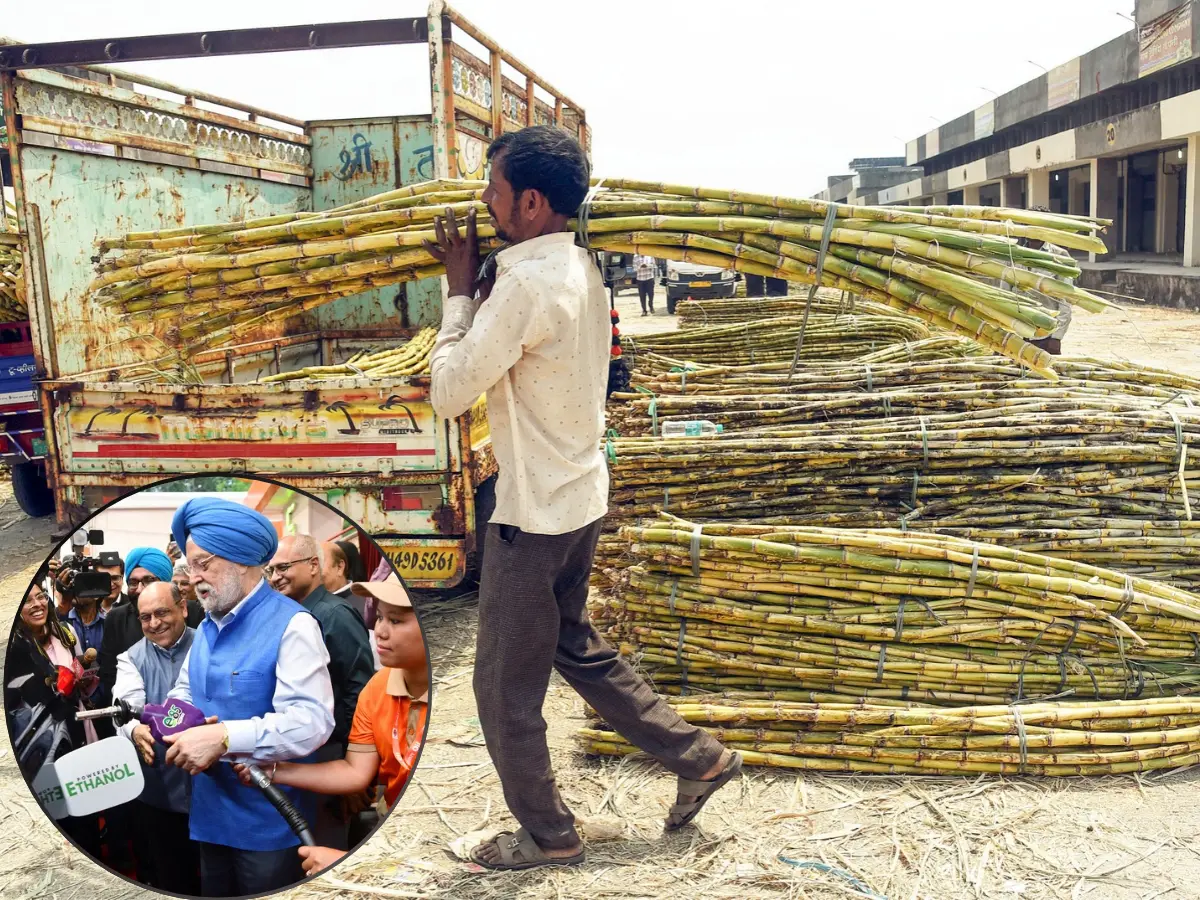
Sugar prices soar ahead of festive season: Is ethanol really to blame? Govt responds Photograph: (Combination created using images from ANI)
Sugar prices have jumped sharply ahead of the festive season, triggering a political row over ethanol. Now the Centre has rejected the E20 link and pointed to a mix of domestic crop losses, global shortages and possible hoarding.
India has witnessed a dramatic increase in sugar prices over the past month. Amid uproar that the increasing cost during festival time was due to the Modi government's E20 (ethanol) push, the Centre has finally broken its silence. In a statement on Friday (Aug 21), the Ministry of Consumer Affairs, Food & Public Distribution rejected the claim that the increase is mainly linked to the diversion of sugar for ethanol production.
The Ministry said a combination of domestic and global factors was behind the recent rise, while stressing that sufficient stocks are available to meet demand until the next crushing season.
Notably, retail sugar prices rose from Rs 48.18 per kg on July 20 to Rs 55.70 per kg on August 20, according to the ministry.
Now, the government has introduced measures to curb hoarding. Here's all you need to know.
Why are sugar prices rising?
The government attributed the increase to several factors, including lower-than-expected domestic sugar production, stronger demand ahead of the festive season, weather-related crop damage, tighter global supplies and speculation or hoarding by some sections of the industry.
Trending Stories
&imwidth=280&imheight=210&format=webp&quality=medium)
&imwidth=280&imheight=210&format=webp&quality=medium)
&imwidth=280&imheight=210&format=webp&quality=medium)
&imwidth=280&imheight=210&format=webp&quality=medium)
&imwidth=280&imheight=210&format=webp&quality=medium)
&imwidth=280&imheight=210&format=webp&quality=medium)
&imwidth=280&imheight=210&format=webp&quality=medium)
&im=FitAndFill=(700,400)&imwidth=280&imheight=210&format=webp&quality=medium)
&imwidth=280&imheight=210&format=webp&quality=medium)
&imwidth=280&imheight=210&format=webp&quality=medium)
&imwidth=280&imheight=210&format=webp&quality=medium)
&imwidth=280&imheight=210&format=webp&quality=medium)
&imwidth=280&imheight=210&format=webp&quality=medium)
&imwidth=280&imheight=210&format=webp&quality=medium)
&imwidth=280&imheight=210&format=webp&quality=medium)
&imwidth=280&imheight=210&format=webp&quality=medium)
&imwidth=280&imheight=210&format=webp&quality=medium)
&imwidth=280&imheight=210&format=webp&quality=medium)
&imwidth=280&imheight=210&format=webp&quality=medium)
&imwidth=280&imheight=210&format=webp&quality=medium)
&imwidth=280&imheight=210&format=webp&quality=medium)
&im=FitAndFill=(700,400)&imwidth=280&imheight=210&format=webp&quality=medium)
&imwidth=280&imheight=210&format=webp&quality=medium)
&imwidth=280&imheight=210&format=webp&quality=medium)
&imwidth=280&imheight=210&format=webp&quality=medium)
&imwidth=280&imheight=210&format=webp&quality=medium)
&imwidth=280&imheight=210&format=webp&quality=medium)
&imwidth=280&imheight=210&format=webp&quality=medium)
&imwidth=280&imheight=210&format=webp&quality=medium)
&imwidth=280&imheight=210&format=webp&quality=medium)
&imwidth=280&imheight=210&format=webp&quality=medium)
&im=FitAndFill=(700,400)&imwidth=280&imheight=210&format=webp&quality=medium)
&imwidth=280&imheight=210&format=webp&quality=medium)
&imwidth=280&imheight=210&format=webp&quality=medium)
&imwidth=280&imheight=210&format=webp&quality=medium)
&imwidth=280&imheight=210&format=webp&quality=medium)
&imwidth=280&imheight=210&format=webp&quality=medium)
India's sugar production for the current season is now estimated at 306 lakh metric tonnes (LMT), down from an initial projection of 343 LMT. The ministry attributed the shortfall to crop problems, including Red Rot, Top Borer disease, and waterlogging caused by excessive rainfall.
Is ethanol really behind the price rise?
The government says no. "It is incorrect to attribute the recent increase in sugar prices to the diversion of sugar for ethanol production," the ministry said.
It pointed out that the share of sugar diverted towards ethanol production has actually declined, from around 12 per cent in 2022-23 to around 9 per cent in 2025-26.
At the same time, nearly three-fourths of India's ethanol production now comes from grains, particularly maize, it said.
The ministry also argued that the ethanol policy has improved the financial position of sugar mills, helping them clear payments to farmers. By August 20, mills had cleared 97 per cent of cane dues for the 2025-26 season, according to the government.
Global sugar shortage adds pressure
India's domestic market is also being affected by international trends. The government estimates a 33 LMT global sugar deficit for 2026-27, with adverse weather affecting production in major markets.
Global sugar prices rose from $474 per tonne on June 30 to $552 per tonne on August 20, an increase of more than 16 per cent in less than two months.
What is the government doing?
The Centre has introduced several measures to prevent further price escalation and ensure supplies during the festive season.
A 400-tonne stock limit for dealers will remain in place until November 30, while bulk consumers will face a 15-day holding limit from September 1. Central and state teams are also conducting physical stock checks at sugar mills to detect hoarding and artificial scarcity.
The government has additionally allowed duty-free imports of 10 LMT of raw sugar. Sugar mills have also been advised to begin crushing earlier, from October 15. The ministry expects this could push October production above 10 LMT, compared with the usual 3-4 LMT.
The Centre said it would continue monitoring sugar stocks and market practices while balancing the interests of consumers and sugarcane farmers.

