
&imwidth=800&imheight=600&format=webp&quality=medium "RSI-India 2026: Cultivating a culture of curiosity")
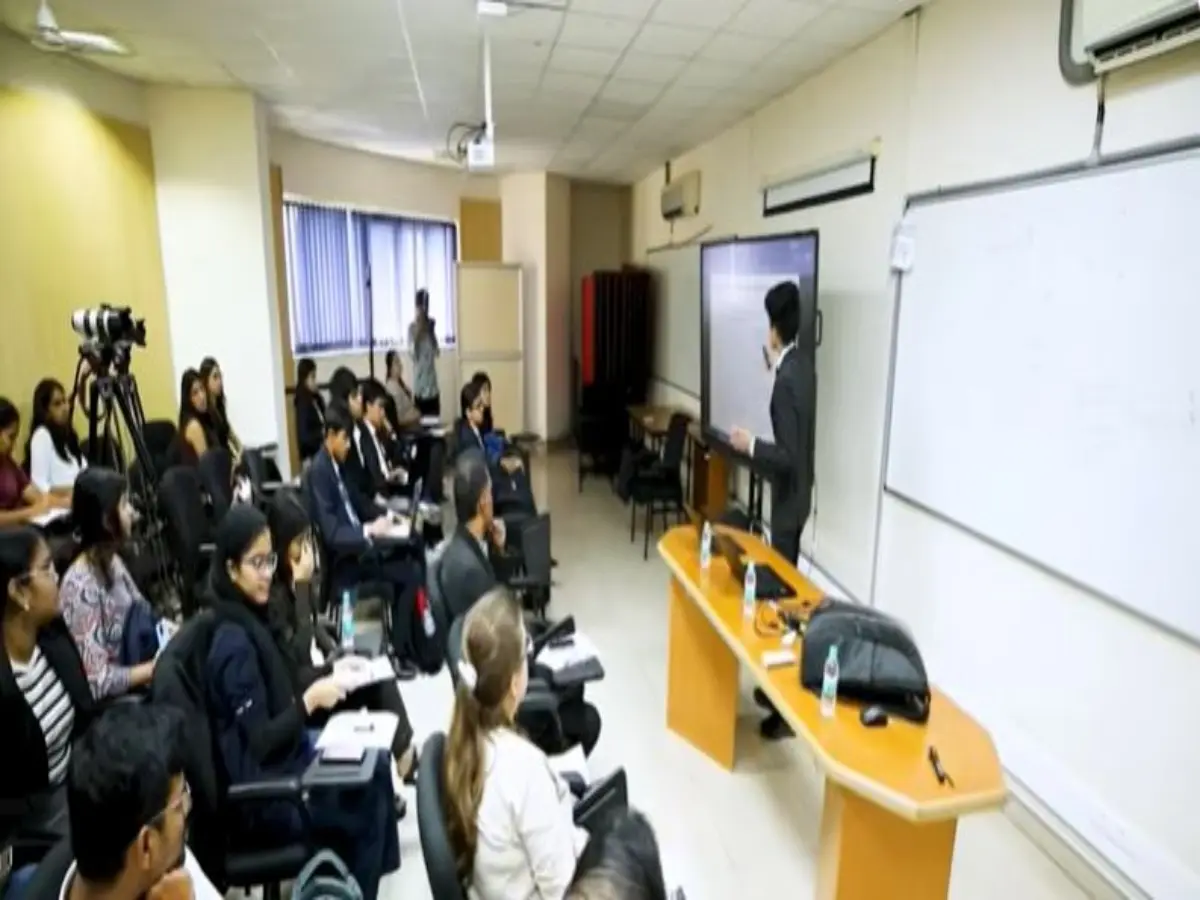
The room hums with a quiet kind of anticipation. Slides are flipped through one last time. A student rehearses the opening lines of a presentation under their breath. Across the aisle, another exchanges an anxious smile with a peer before both return to making final edits. In a few moments, each of them will stand before an audience of researchers, professors, mentors and peers to defend six weeks of scientific research– a prospect daunting even for seasoned academics, let alone teenagers.
Yet beneath the measured questions from faculty and the carefully considered answers from students, another conversation is unfolding. It is one about possibility. Its language is still evolving, spoken in equal parts curiosity and conviction. It is, perhaps, what the future of India’s scientific inquiry sounds like before it acquires certainty.
On stage, a 16-year-old explains the findings of a neuroscience project with remarkable composure. Another confidently responds to probing questions about computational models. What is striking is not simply the sophistication of the research, but the ease with which these students inhabit a space usually reserved for experienced researchers.

Just six weeks earlier, they had arrived at the Indian Institute of Science (IISc), Bengaluru, having traded their summer vacations for scientific inquiry. They leave having experienced something few students their age ever do: the excitement of research, its discipline, and its intellectual rigour. It is a rare glimpse into a world that, until recently, many aspiring Indian scientists believed they had to leave the country to experience.
Conducted at IISc in collaboration with the Centre for Excellence in Education (CEE), RSI-India draws inspiration from the internationally renowned Research Science Institute at MIT. Over six intensive weeks, a select cohort of exceptionally talented Class XI students exchanged the certainty of classrooms for the ambiguity and possibility of the laboratory.
Their work spanned disciplines ranging from neuroscience and computational sciences to engineering and biology, not as theoretical classroom exercises but as genuine research guided by leading researchers. There were no model answers waiting at the back of a textbook. Instead, students learnt to formulate research questions, navigate failed experiments, defend their conclusions and become comfortable with uncertainty.
That shift reflects a broader evolution in India’s approach to scientific talent. For decades, conversations around gifted students were dominated by the language of brain drain, of the country’s brightest minds leaving in search of opportunity elsewhere. Increasingly, however, the focus is shifting towards building ecosystems capable of nurturing excellence within India itself.
Supporting that vision is the Palsamudram Family Trust, co-founded by Sanjay and Sangna Palsamudram, whose philanthropic work spans the educational continuum– from strengthening foundational literacy through Step Up for India to supporting high-school research through RSI-India, IRIS and initiatives expanding opportunities for girls in STEM. Beyond their individual research projects, the participants attended the Palsamudram Distinguished Lecture Series, which brought together 15–20 eminent professors, researchers, industry experts and thought leaders over four weeks.
The underlying philosophy is quite fundamental and straightforward: scientific excellence is rarely the result of a single opportunity. It is cultivated over years through sustained investment in curiosity, confidence and, more importantly, access.
Yet the programme’s most enduring outcomes are unlikely to appear in research papers or award citations. They reveal themselves in quieter moments: a student discovering that failure is not the opposite of success but an essential part of the scientific process; an unexpected friendship forged over late-night discussions in the hostel; a mentor encouraging an idea that initially seemed improbable. By the closing ceremony, the research projects had reached their conclusion, but something more enduring had begun. Confidence had replaced hesitation. Questions had grown more sophisticated. For many, science had evolved from a school subject into a way of thinking.
India often speaks of its demographic dividend as though numbers alone guarantee progress. They do not. A young population becomes an advantage only when potential is recognised early and given the opportunity to flourish. The laboratories at IISc this summer offered a glimpse of what that investment can look like, not simply teaching students how to conduct research, but inviting them into the culture of discovery itself. As the applause fades and the presentations come to an end, the experiments may be over, but the questions have only just begun.
Trending Stories
)
Samsung raises Galaxy S26 prices by Rs 20,000: Here’s what each model now costs
)
Fleming's aspirations as England Test coach include WTC, top ranking and Ashes
)
S Jaishankar, former Army chief among high-profile names issued Delhi SIR notices
)
Several petrol pumps, other businesses to refuse UPI payments above Rs 2,000 from Oct 16: Is it legal?
)
Italy moves to ban face veils in schools as Meloni pushes new integration measures
)
Saudi Arabia exits China-led mBridge digital currency platform amid Saudi-Houthi conflict
)
J&K Assembly Session begins amid chaos: BJP, ruling alliance clash as statehood demand dominates
)
40-foot waves crash into cruise ship in dangerous stretch near Antarctica. Watch
)
Mahabharat actor Saurav Gurjar arrested in Hyderabad, sent to 14-day judicial custody in sexual exploitation case
)
US ships in Indian Ocean ‘will be attacked’ if war resumes, warns Iran
)
CDU suffers historic defeat in eastern Germany as AfD surges, Merz vows to stay on
)
AI kill switch explained: Why shutting down a dangerous AI may not be as simple as pressing a button
)
Taylor Swift has a 'proud wife' moment as Travis Kelce scores first touchdown of season: 'That’s my husband!'
)
‘0% chance’: Nvidia CEO Jensen Huang dismisses AI extinction fears by 2030
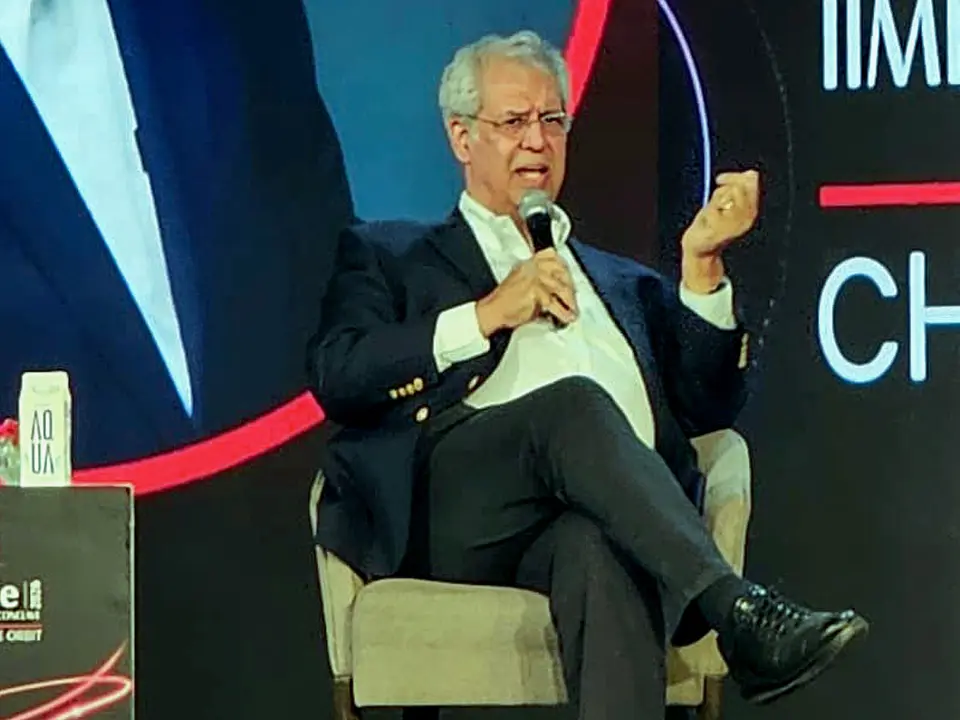)
Noel Tata challenges Chandrasekaran’s reappointment as Tata Sons chairman. What happened at the board meeting
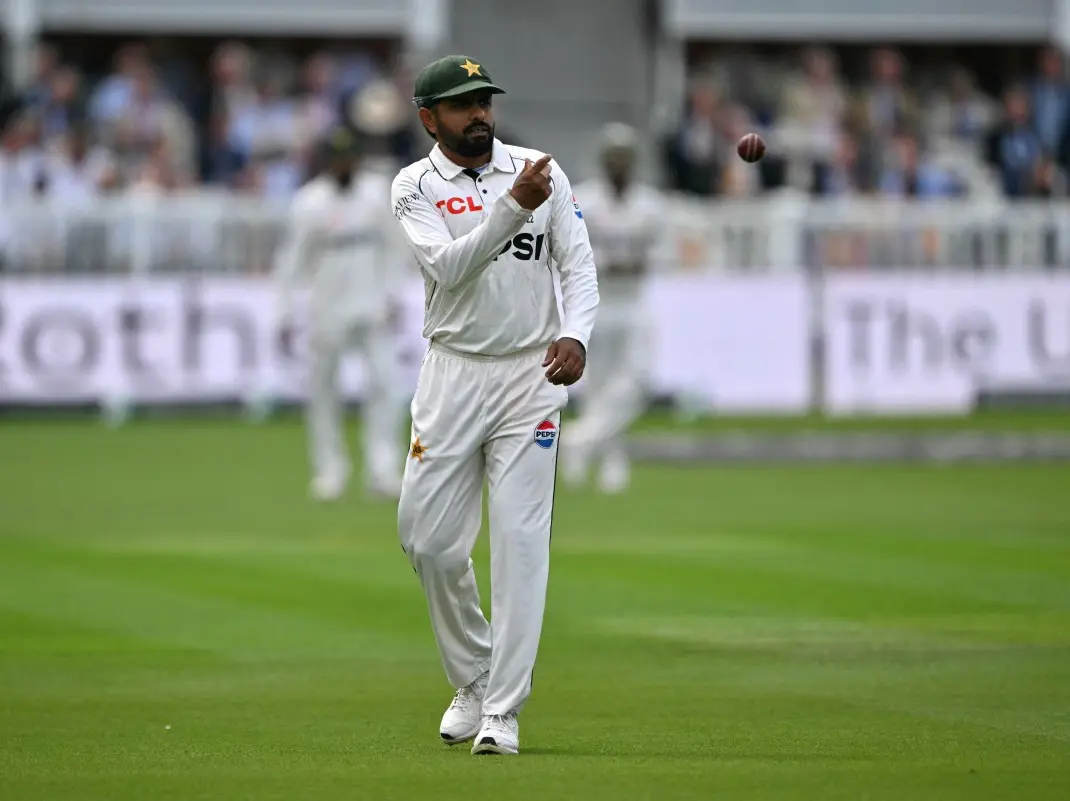)
'Were you here to sell chickpeas?': Wasim Akram criticises Babar Azam's captaincy
)
Microsoft executive called AI training the ‘largest theft of labour in human history’
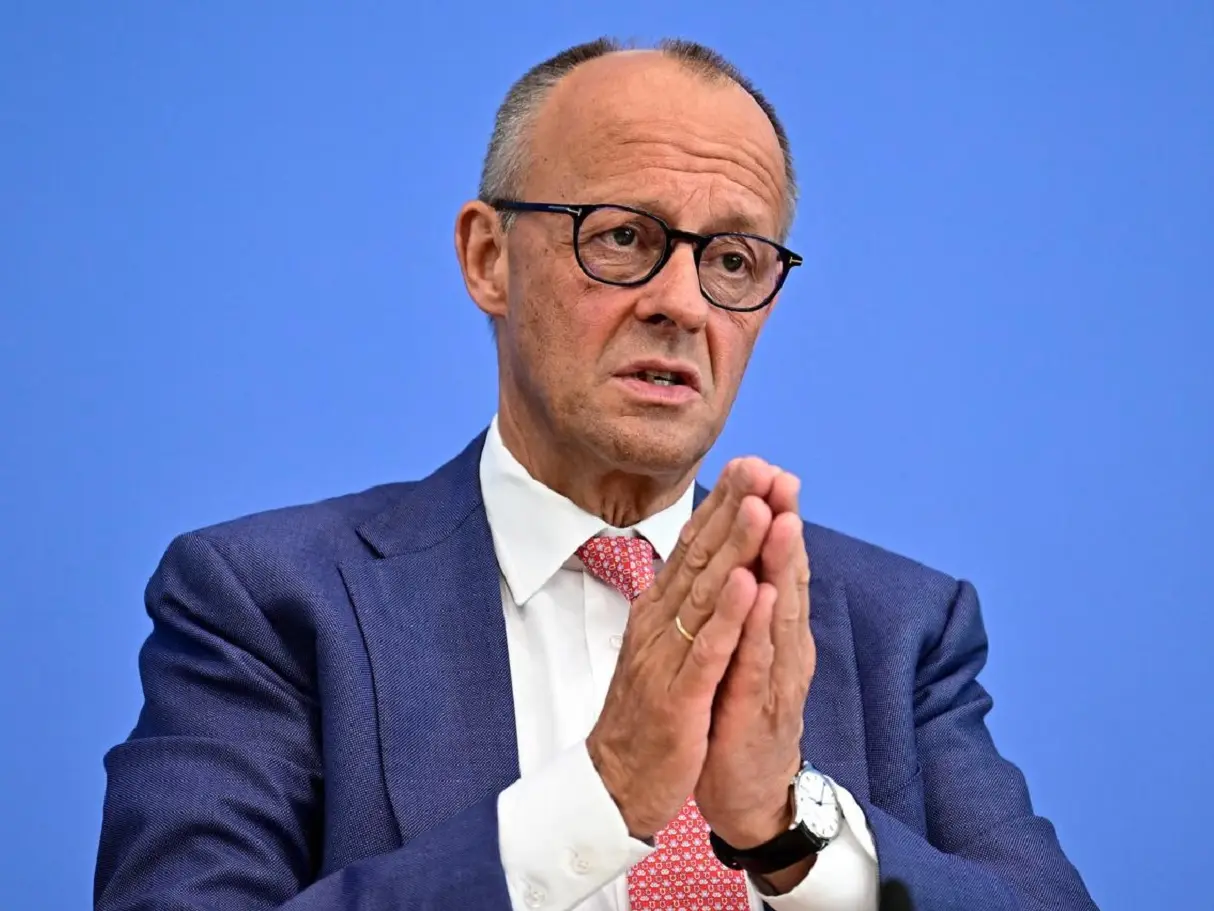)
Chancellor Friedrich Merz vows to stay on as exit polls signal major poll setback
)
AI actress Tilly Norwood glitches mid-interview, switches from English to Chinese | Watch
&im=FitAndFill=(700,400))
What TSMC's 2nm technology means for Apple
)
WATCH | Mysterious lights over Tehran caught on video. Drone, aircraft or something else?
)
Trump says he'll build an 'AI Force' and appoint a czar, for 'high IQ' people only
)
Punjab man consumes poison outside DC office; Congress, BJP target AAP government
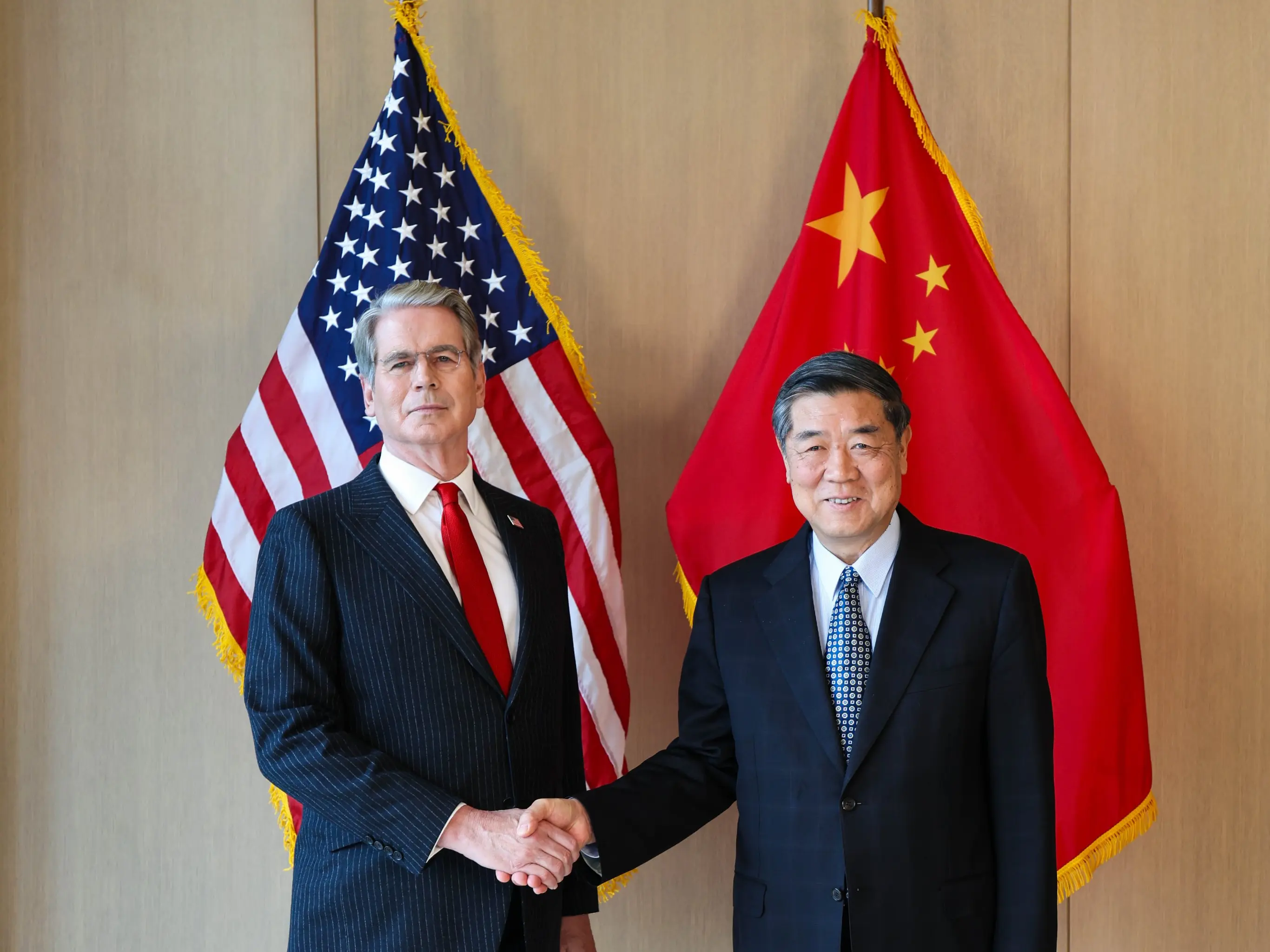)
Bessent meets China’s He Lifeng to prepare for Trump-Xi summit
)
Apple reportedly building AI server with M8 Ultra chips, may use Nvidia technology
)
Delhi Air pollution: Strict crackdown on waste burning
)
Jailer 2: Vidya Balan joins Rajinikanth's upcoming film as Kantha | Watch
)
Iran sets 7 conditions to end war with US: What are Tehran’s demands?
&im=FitAndFill=(700,400))
New OTT releases this week (September 21-27, 2026): Shaque: Trust No One, Hunkkaar, Don’t Be Shy- 5 new titles coming to Netflix, Prime Video and more
&im=FitAndFill=(700,400))
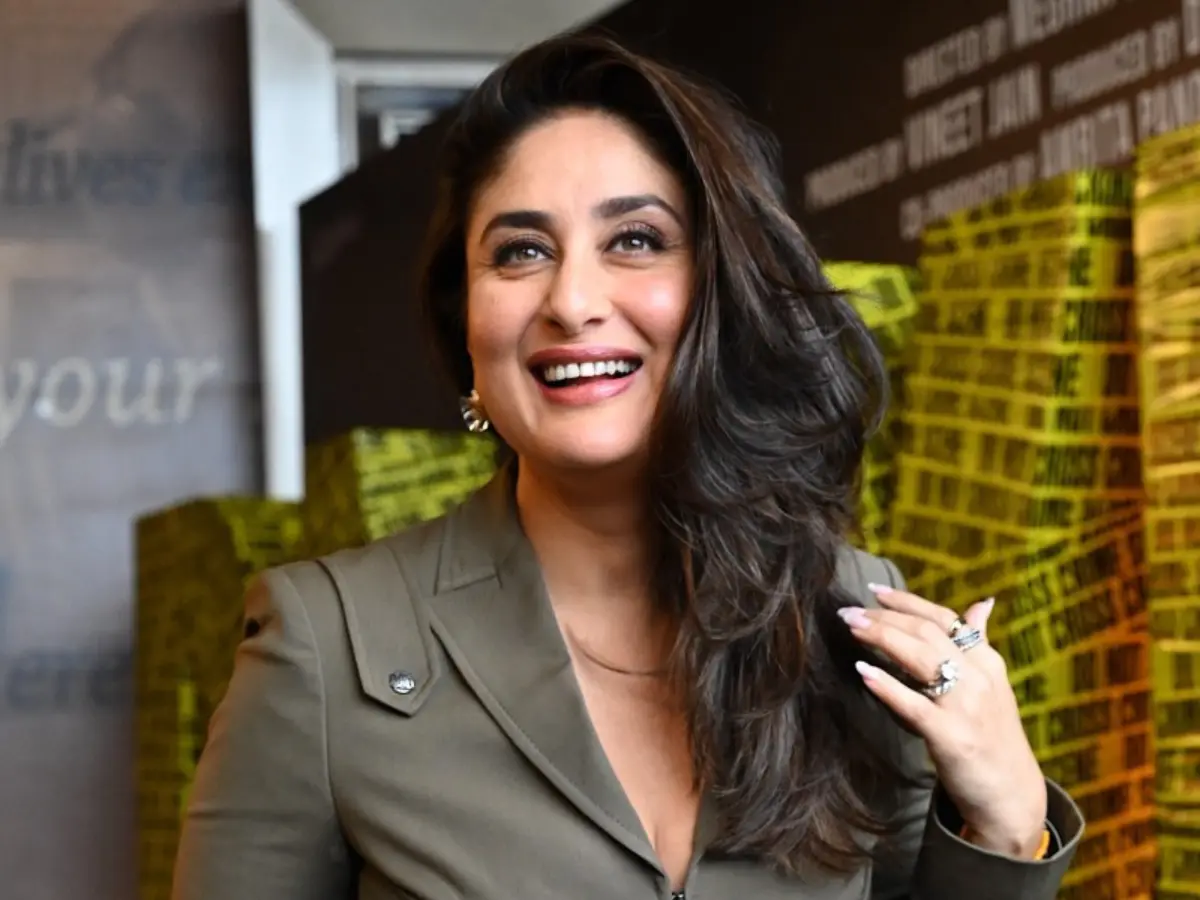
Kareena Kapoor birthday special: Inside her net worth, best movies, luxurious lifestyle and love story with Saif Ali Khan
)
Trump-Xi summit: US Treasury Secretary holds meeting with Chinese Vice Premier
)
Samay Raina-Mukesh Chhabra controversy explained: What happened over girlfriend joke on India's Got Latent?
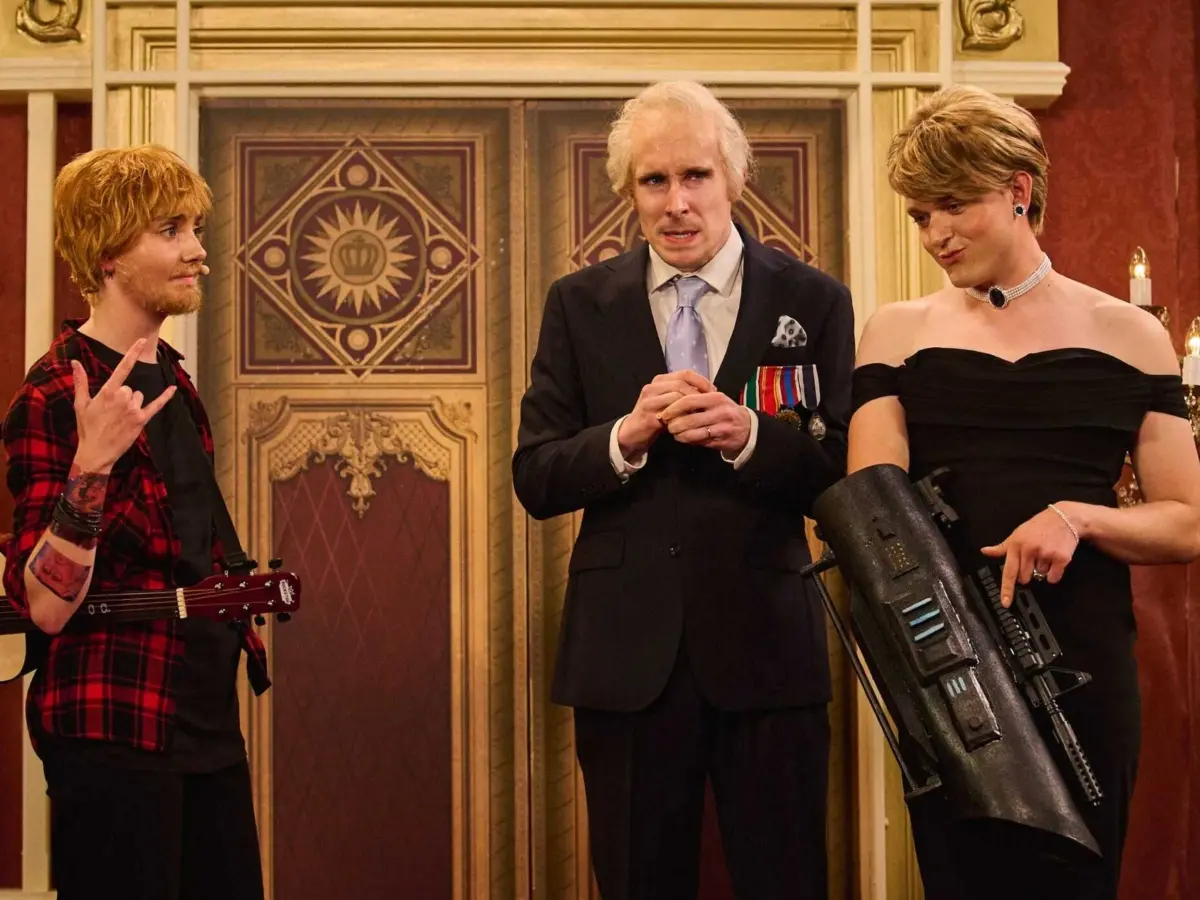)
SNL UK takes aim at Ed Sheeran with AI Princess Diana sketch
)
Putin's United Russia party wins 355 seats in Duma election; 4 other parties cross threshold to enter parliament
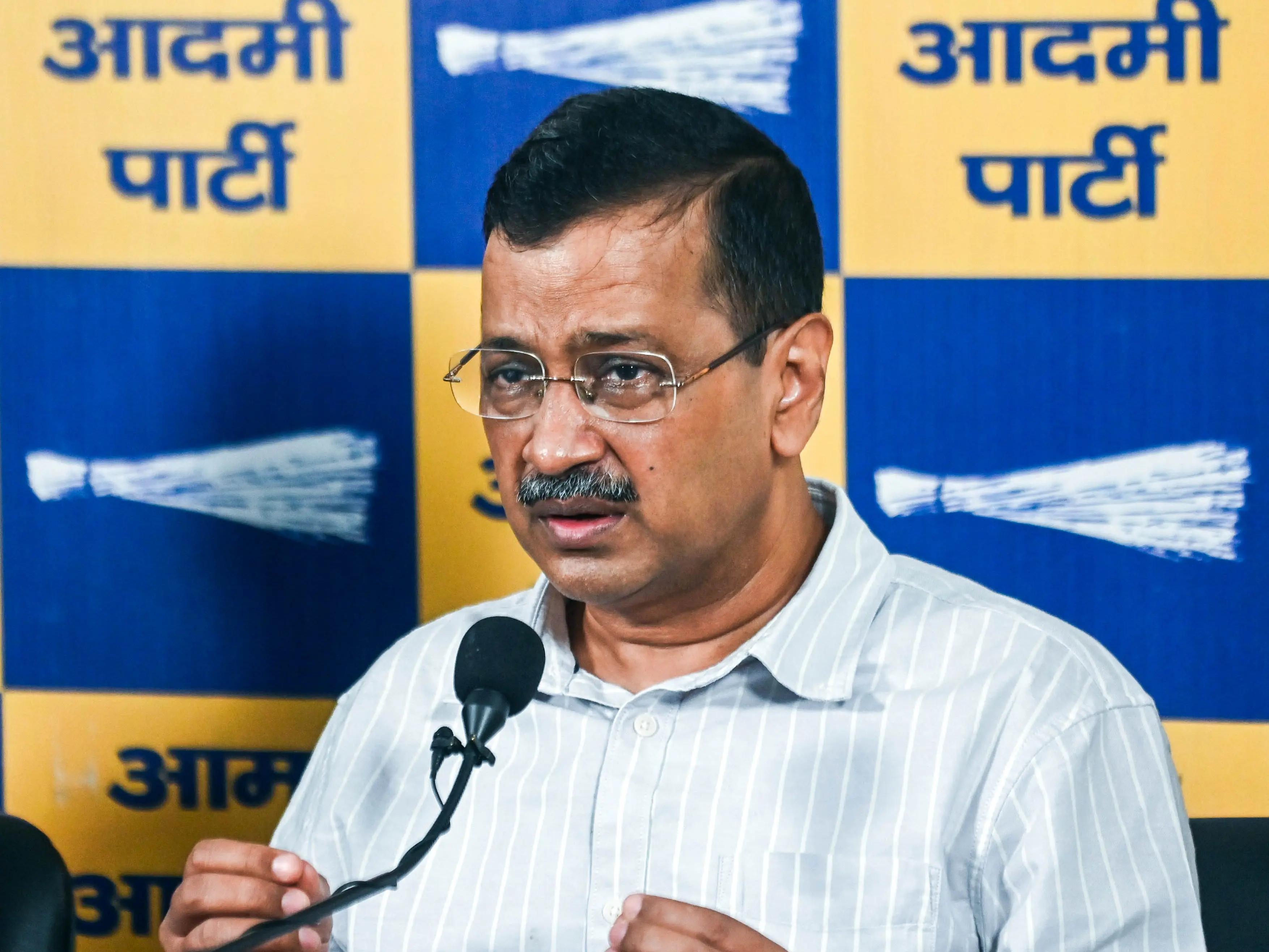)
Arvind Kejriwal, family members, Delhi CM Rekha Gupta get SIR notices
)
Delhi: Flagged voters remain on the draft roll but face hearings
)
China now makes advanced memory chips without the machines it was banned from buying
)
Glitch in the matrix caught on camera: Woman vanishes after talking to reporter
)
Pilot recreates Mona Lisa in sky over Oklahoma and Arkansas in four-hour flight: VIDEO
)
'Lot of things to learn from experienced players': Jayasuriya backs Rohit, Virat for 2027 ODI World Cup
)
Saudi vs Houthis: Houthis claim missiles & drones used in attack on key Saudi sites
)
Maharashtra TET paper leak: All 18 accused arrested. How alleged Agra-to-Maharashtra racket unfolded

