How linking BRICS digital currencies could change global payments?

&imwidth=600&imheight=450&format=webp&quality=medium "How linking BRICS digital currencies could change global payments?")
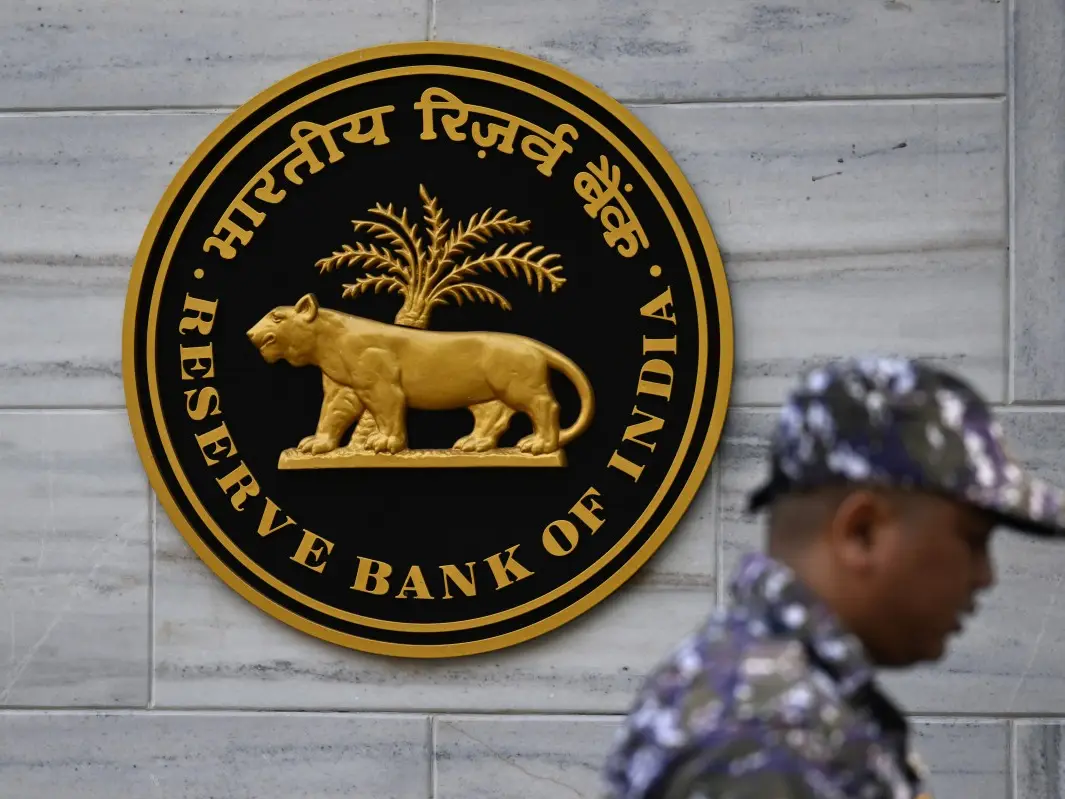
A man walks past the Reserve Bank of India (RBI) headquarters in Mumbai on December 5, 2025. Photograph: (AFP)
RBI has proposed linking BRICS digital currencies to cut cross-border payment costs and boost efficiency. Here’s how it could impact developing economies.
Reserve Bank of India has recommended to the Indian government a proposal linking BRICS central bank digital currencies (CBDCs), which could change the payment infrastructure, by making them faster, cheaper and more efficient while reducing reliance on dollar centric structure like SWIFT. The apex bank has urged the government to include it in its BRICS agenda.
The move would further agitate the United States which is already facing a dollar which is in decline.
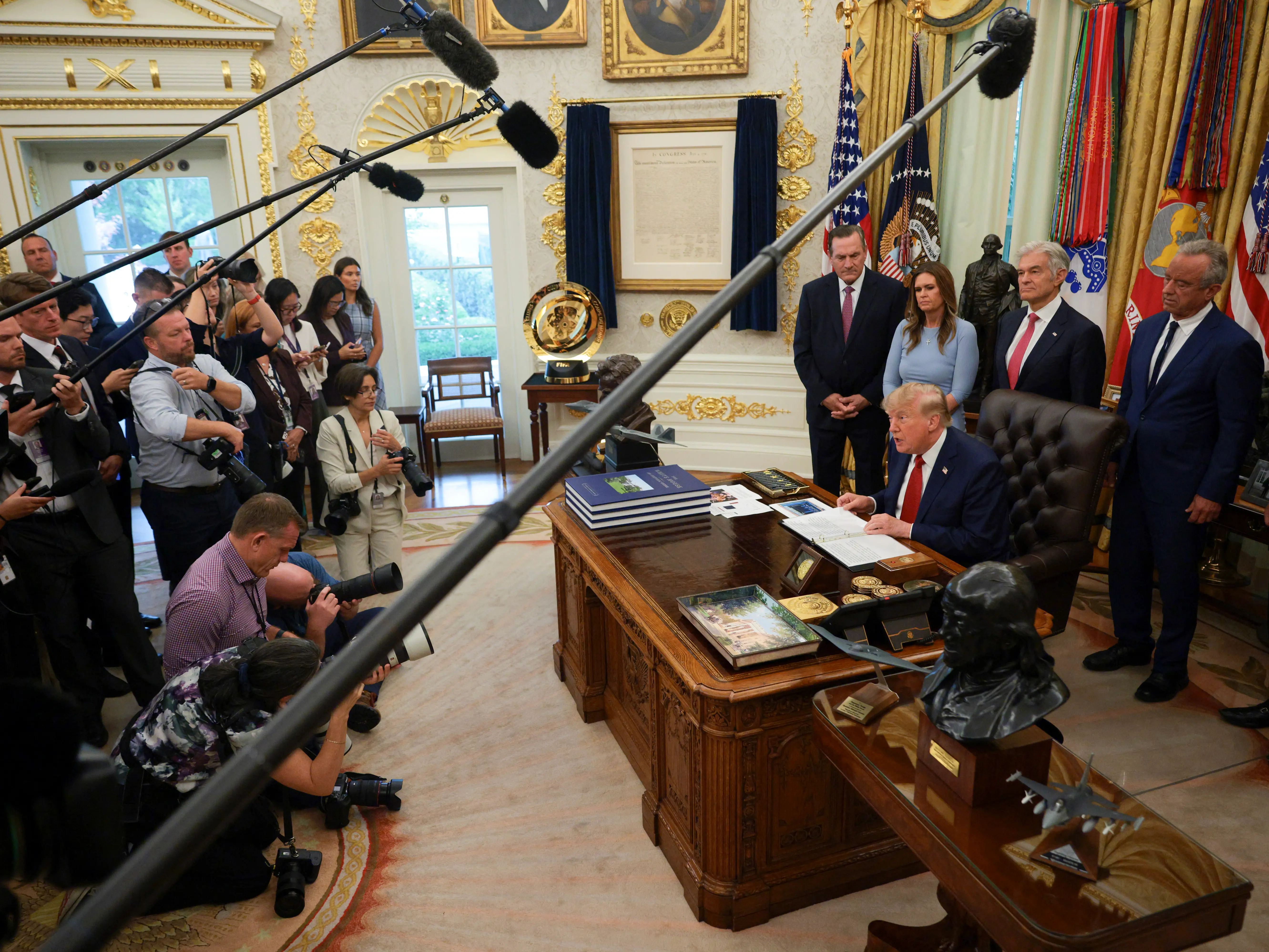
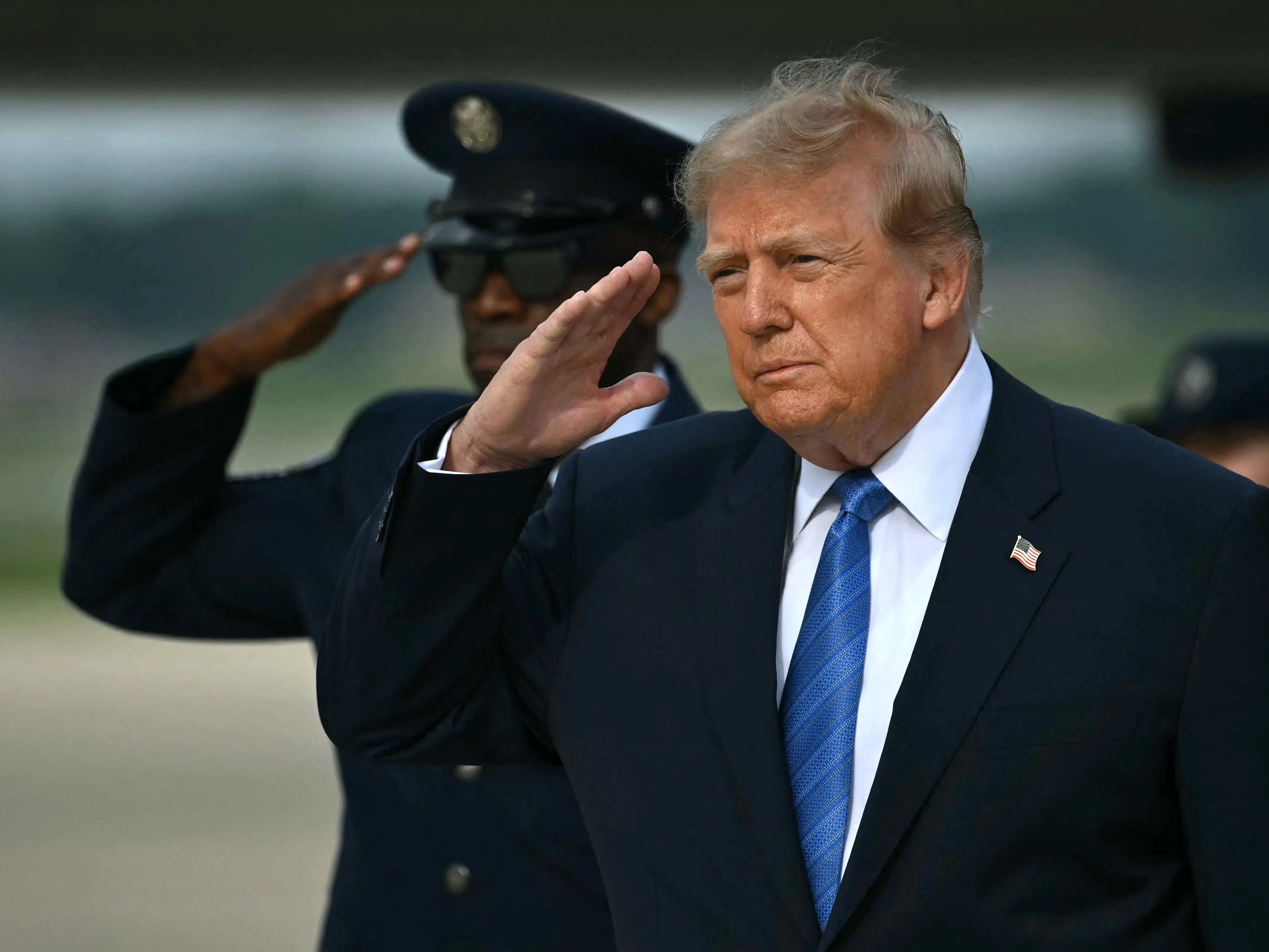
RBI has built on the promises of the BRICS 2025, which called for interoperability between national payment systems to make cross border transaction more efficient. It has, however, maintained that its motive is not de-dollarisation. All the BRICS economies are working on the current digital payment systems. However, most of them are in pilot phases. The Indian e-Rupee, released in 2022, has around 7 million retail users. China is also planning to boost the use of digital yuan. US President Donald Trump has previously said the BRICS alliance is “anti-American” and he threatened to impose tariffs on its members.
How could it impact developing economies?
The developing economies pay 6-7 per cent of each transaction in cross-border payments. The majority of these, because of the intermediary "middleman" fees, each transaction could cost upto $15 to $50. It also relies on legacy payment methods from the 1970s, like standard SWIFT messaging, which uses batch processing rather than real-time settlement. A new payment method based on blockchain could potentially allow real-time payment and further reduce the cost of the middleman. BRICS countries could facilitate trade settlements in local currencies. However, it does not immediately reduce reliance on dollar-based payment infrastructure. For it to be succesful elements like interoperable technology, governance rules, and ways to settle imbalanced trade volumes would have to be discussed and agreed upon.
)
)
)
)
&im=FitAndFill=(700,400))
)
)
)
)
)
)
)
)
)
)
)
)
)
)
&im=FitAndFill=(700,400))
)
)
)
)
)
)
)
)
)
&im=FitAndFill=(700,400))
)
)
)
&im=FitAndFill=(700,400))