Opinion: Indian Army's out of the box thinking won 1971 war

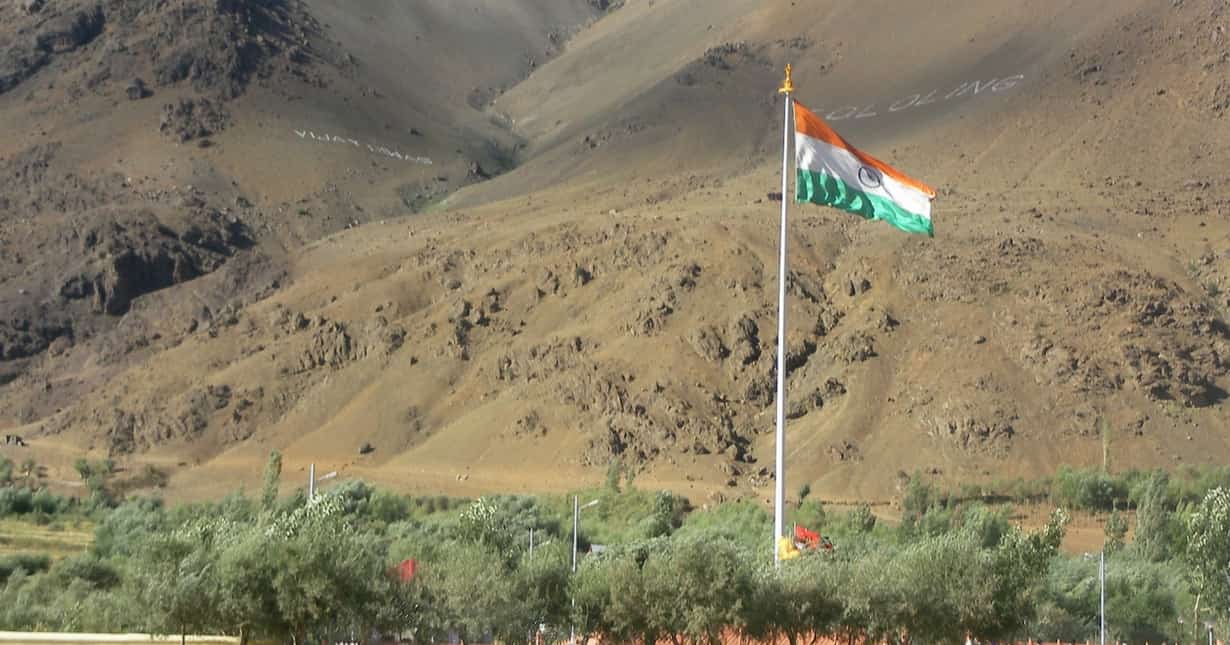
Vijay Diwas
Lt General Sagat Singh's decision of using the airforce to uplift the Indian Army rather than trying to cross the mighty Meghana river proved to be the most decisive factor of the 1971 War.
The history of Bangladesh's liberation from Pakistan is inextricably entwined with outstanding acts of bravery committed by Indian soldiers. Artificially separated by the British during the Partition, the brave warriors of India and Bangladeshfought shoulder to shoulder to wrest independence from an oppressive regime. The anecdotes of gallantry are endless. But, perhaps, some acts of heroism were more decisive than the others. For instance, without the out of box thinking ofLt Gen Sagat Singh that expedited the capture of Dacca, the capital of erstwhile East Pakistan, Lt General AAK Niazi would have held back surrendering to India.Lt Gen Sagat Singh's decisive action saved lives of many soldiers and made the birth of Bangladesh possible.
Lt Gen Sagat Singh was a paratrooper and General Officer Commanding of IV Corps of Indian Army. He also has the distinction to command the coveted 50 (independent) Parachute Brigade of Indian Army and liberate Goa in 1961.
When the war broke out, IV corps went into action in the Agartala sector. In the initial advances, Indian Army and Muktibahini secured all the routes to Meghna River. The only way across the river was over the Ashuganj Bridge.

Ashuganj Bridge was the only bridge that spanned the huge Meghna River which at its narrowest point was more than 4000 yards wide. With his troops at Ashuganj, Singh, however, realised his formation would be joining the race to Dacca. Due to the resistance offered by the Pakistani army, 2 Corps which was supposed to reach and isolate Dacca was held up at Kushtia and did not make it to Dacca. So, General Sagat Singh decided that his forces should move to Dacca.
)
Putin's United Russia party wins 355 seats in Duma election; 4 other parties cross threshold to enter parliament
)
Delhi Air pollution: Strict crackdown on waste burning
)
‘0% chance’: Nvidia CEO Jensen Huang dismisses AI extinction fears by 2030
)
Samay Raina-Mukesh Chhabra controversy explained: What happened over girlfriend joke on India's Got Latent?
)
Trump's helipad event overshadowed by audio failure as major TV networks suspend pool coverage
)
Russia-Ukraine war: Russian strikes knock out three of Ukraine's largest steel plants
)
'Needs time away from the international scene': England white-ball captain Brook on pacer Brydon Carse's future
)
Glitch in the matrix caught on camera: Woman vanishes after talking to reporter
)
Anti-AI activists storm summit, say 'incompetent' leaders are leading us into a disaster - 'We need a vote'
)
Samsung raises Galaxy S26 prices by Rs 20,000: Here’s what each model now costs
)
IIT Bombay tensions ease after three-hour open house; director’s assurances pacify students
)
J&K Assembly Session begins amid chaos: BJP, ruling alliance clash as statehood demand dominates
)
Bessent meets China’s He Lifeng to prepare for Trump-Xi summit
)
US and China vie for AI dominance as calls grow for regulation | Gravitas
)
FIFA chief Infantino wants to reform governing body with consultation from federations
)
The Verdict | The Mecca Agreement is under scrutiny as Houthis attack Saudis
)
India at UNGA81: Jaishankar warns global order under 'growing stress', pushes for ‘reformed multilateralism’
)
Saudi Arabia exits China-led mBridge digital currency platform amid Saudi-Houthi conflict
)
'Lot of things to learn from experienced players': Jayasuriya backs Rohit, Virat for 2027 ODI World Cup
)
$110 billion Warner Bros merger: Paramount reaches settlement with 12 US states
)
Mahabharat actor Saurav Gurjar arrested in Hyderabad, sent to 14-day judicial custody in sexual exploitation case
&im=FitAndFill=(700,400))
New OTT releases this week (September 21-27, 2026): Shaque: Trust No One, Hunkkaar, Don’t Be Shy- 5 new titles coming to Netflix, Prime Video and more
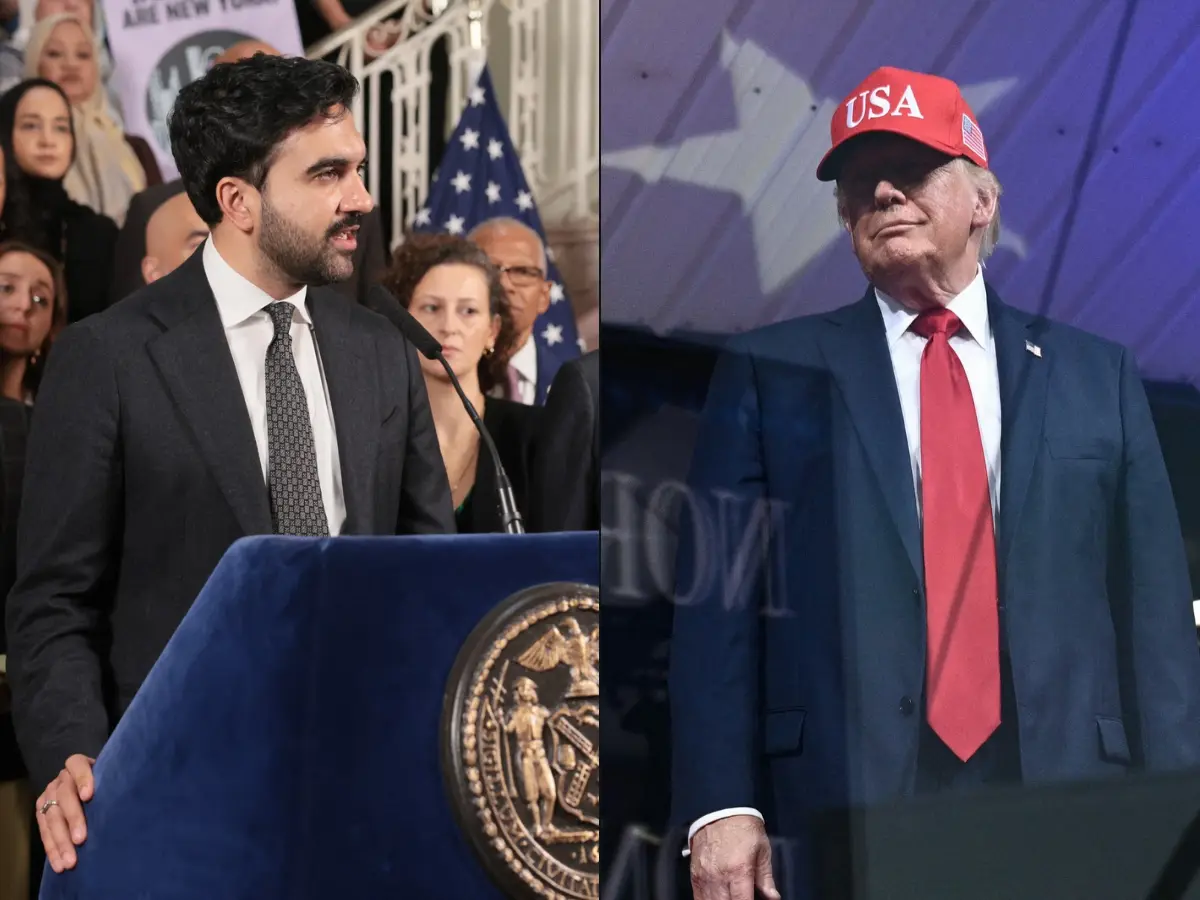)
From ‘communist’ to ‘great mayor’: Trump praises Mamdani after New York meeting, discusses immigration and housing
)
Report: Zelensky meets CIA chief Ratcliffe at Shannon airport, weeks after his secret Moscow trip
)
WATCH | Mysterious lights over Tehran caught on video. Drone, aircraft or something else?
)
How Zaheer Khan came to be CSK's head coach of IPL 2027
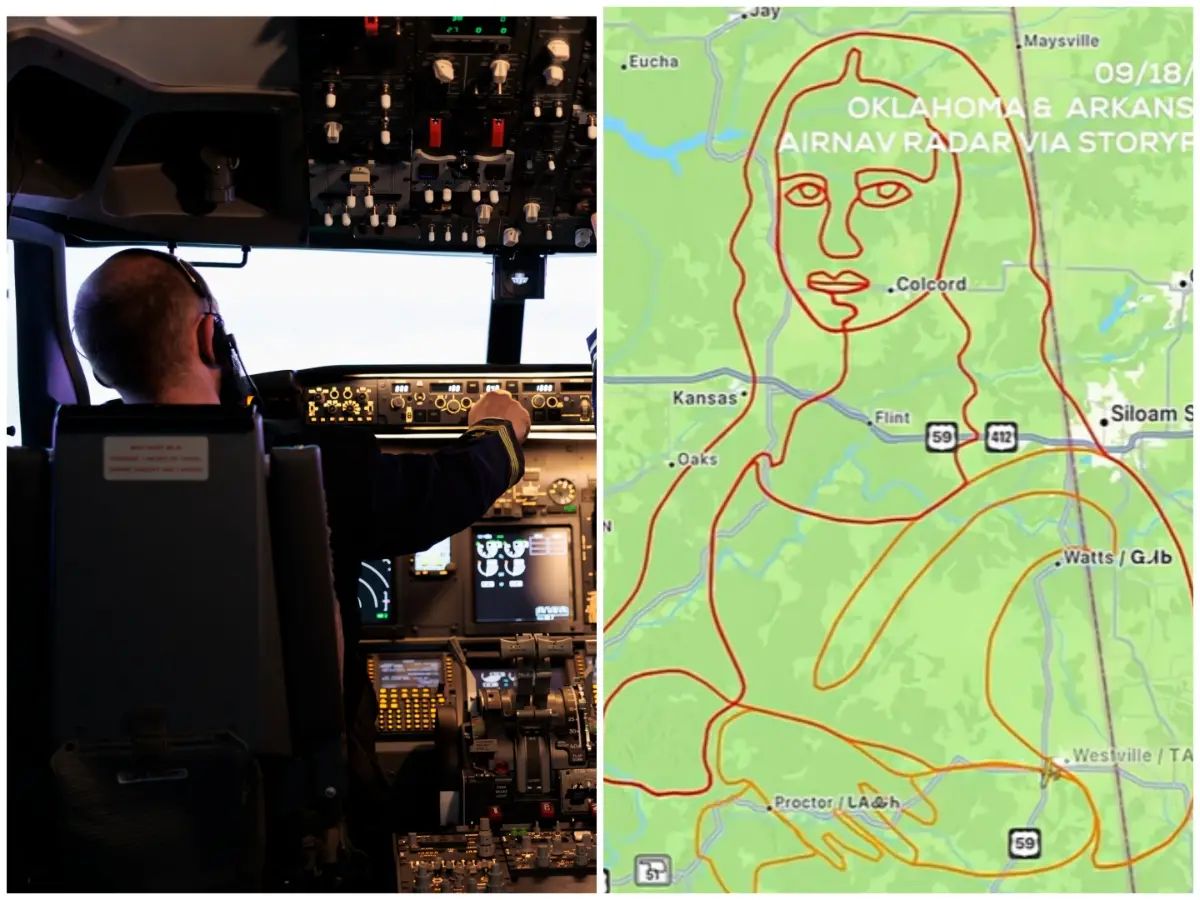)
Pilot recreates Mona Lisa in sky over Oklahoma and Arkansas in four-hour flight: VIDEO
)
UK PM Burnham agrees to 'defensive' military support for Saudi Arabia against Houthis
)
Jailer 2: Vidya Balan joins Rajinikanth's upcoming film as Kantha | Watch
)
Microsoft executive called AI training the ‘largest theft of labour in human history’
)
IIT Bombay student death: CCTV footage becomes key evidence as police reconstruct Sahil Wakode's final hours
)
40-foot waves crash into cruise ship in dangerous stretch near Antarctica. Watch
)
US-Iran war, peace deals and more: What to expect from Trump's UNGA 2026 speech
)
Explainer: Why rare-earth export licences and Board of Trade are US priorities ahead of Trump-Xi summit
)
BTS fans mock iHeartRadio’s day 2 turnout after short set controversy
)
Two infants die after fire breaks out at RIMS newborn care unit in Telangana's Adilabad
)
The Scandal: Why so scandalous? Ji Chang Wook leaves you gasping for air
However, the Pakistan Army had destroyed the entire bridge and it would require a significant amount of time for Army Engineers to build a new bridge. General Singh got this unique idea of airlifting his troops over Meghna River which proved to be a turning point in the liberation of Bangladesh.
Indian Air Force came into the action under the leadership of Group Captain Chandan Singh, using the Soviet-made Mi-4 helicopters to airlift troops in many waves. Through the night of 9 December, the IAF air-lifted the entire 311 Brigade. The first troops, numbering around six hundred were landed through the night of the 9th, immediately contacting Pakistani troops north of Raipura.
 Captain Chandan Singh used MI-4 Helicopters to airlift Indian troops in many waves. (Others)
They, however, held their positions, with the IAF flying in reinforcements. Over the next 36 hours, over 110 sorties were flown. The Mi-4, which normally carried 14 troops, carried as many as 23 on board. Simultaneous to this operation, 73rd Brigade moved across Meghna on boats and riverine crafts.
After the first consolidation in Raipura, the forces were lifted again to Narshingdi, and after Capturing Narshingdi, brave Indian forces occupied towns of Daudkandi and Baider Bazar on 14th and 15th December 1971 respectively. It was an idea full of risks which paid rich dividends and by 15th of December, 1971 the entire garrison town of Dacca was surrounded by Indian Forces which compelled Lt General AAK Niazi to accept the surrender request.
It is this out of box thinking - the decision of using the airforce to uplift the Indian Army rather than trying to cross the mighty Meghana river proved to be the most decisive factor of the 1971 War.
(Disclaimer: The opinions expressed above are the personal views of the author and do not reflect the views of ZMCL).