New UNSC President Estonia calls for transparency on COVID-19 crisis

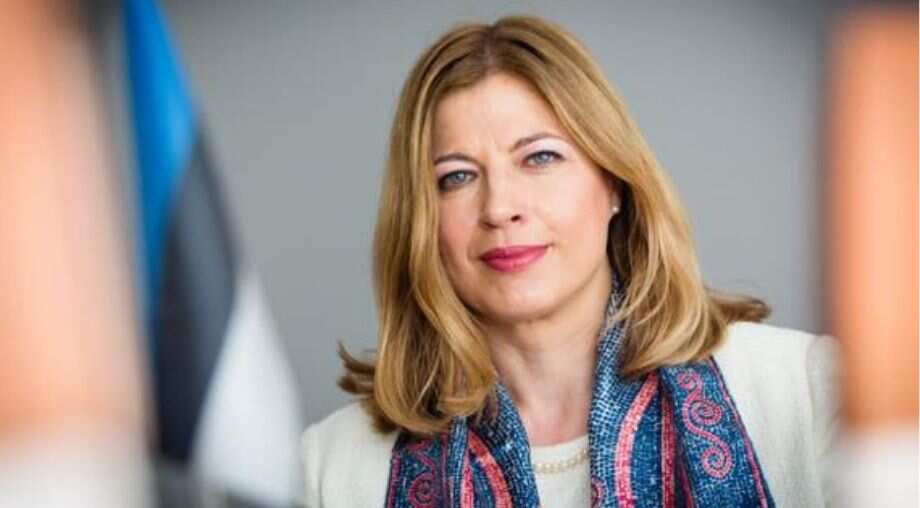
Estonia's envoy to India, Katrin Kivi
The new president of the United Nations Security Council Estonia has called for more transparency and information on COVID crisis even as the country has sought cooperation among members of the core UN body. Speaking exclusively to WION's diplomatic correspondent Sidhant Sibal Estonia's envoy to India Katrin Kivi this kind of threats can't stop on the state border. Estonia had presented COVID draft in March but due to lack of consensus among permanent UNSC members, it was not adopted. The country has also invited India to join in open meetings during their presidency. On Kashmir, she said, UNSC should be seized of other mater and no one should bring the bilateral issue on the table of the body.
WION: Key focus areas for Estonia as the President of UNSC?
Ambassador Katrin Kivi: Thank you for inviting me, it a pleasure to share some insights about the Estonian Presidency at UNSC. We have a number of priorities, starting with the ongoing COVID-19 crisis. Estonia will push to address the issue because the ongoing pandemic can have a huge impact on global peace and security and many humanitarian issues.

We will also look at many cybersecurity-related issues because in recent times, cybercrime, cybersecurity incidents have significantly grown and we must contribute to making our society more resilient to that.
Furthermore, we will also address the issue of climate change and security because there as well a clear security link. Changes going on a global level, and they may one day have a very dramatic impact to our security.
Of course, there are many global conflicts and wars, like the conflict in Syria, conflict in Ukraine. Estonia pays attention, also, rule of law--both offline and online should be applicable.
)
Woman removes all her clothes on American Airlines flight, performs 'indecent acts'; arrested
)
Turkish Airlines plane flies through a storm three times, triggering severe turbulence
)
'Huge destructive power': North Korea calls its latest missile launches 'live-fire drill' even as US dismisses 'immediate threat'
)
‘Let’s go’: Newly declassified videos show dramatic rescue of US Air Force officers downed in Iran
)
Natural caffeine sources gain popularity; matcha & botanicals offer calm energy
)
Veteran Bollywood actress Nafisa Ali shares health update as Stage 4 cancer progresses, starts targeted therapy
&im=FitAndFill=(700,400))
New OTT releases this week (September 14-20, 2026): Lust Stories 3, Waiting Hai, Irumudi- 5 new titles coming on Netflix, Prime Video and more
)
NEET-UG to move to computer-based test soon, NTA DG says ‘CBT is the future’
)
Did India risk its US trade deal despite softer stance at BRICS?
)
Ganesh Chaturthi 2026: Devotees throng the iconic Lalbaugcha Raja pandal in Mumbai
)
Practical Magic 2 breaks Spidey spell over North American box office
)
Did China give Iran intel before US base strike that killed 3 troops? Trump says, 'You’re right...'
)
China discovers vast gold and silver 'mine' in the Pacific with unheard-of deposits
)
Plane carrying prominent figure crashes at Libya’s Misrata airport: Report
)
'Nobody knows if it can be in control': ‘Godfather’ of AI, China spy chief back AI slowdown calls, flags political threat
)
800 million years old - Scientists discover 'fingerprints' of supercontinent Gondwana in ancient rocks
)
Orlando Bloom addresses Pirates of the Caribbean comeback and reunion with Johnny Depp
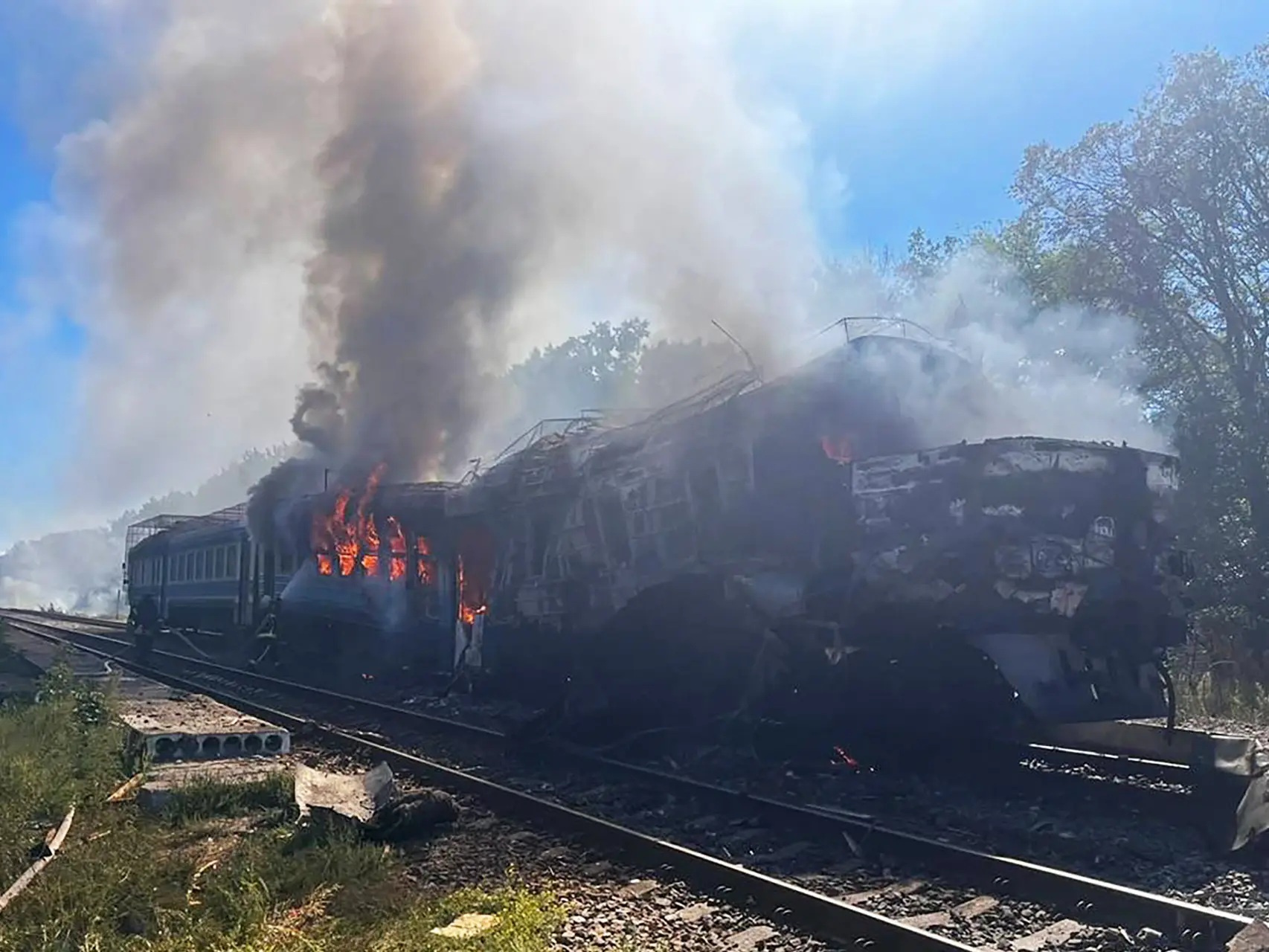)
Russian drone hits Warsaw-bound train near Polish border, Zelensky accuses Moscow of ‘deliberate’ targeting
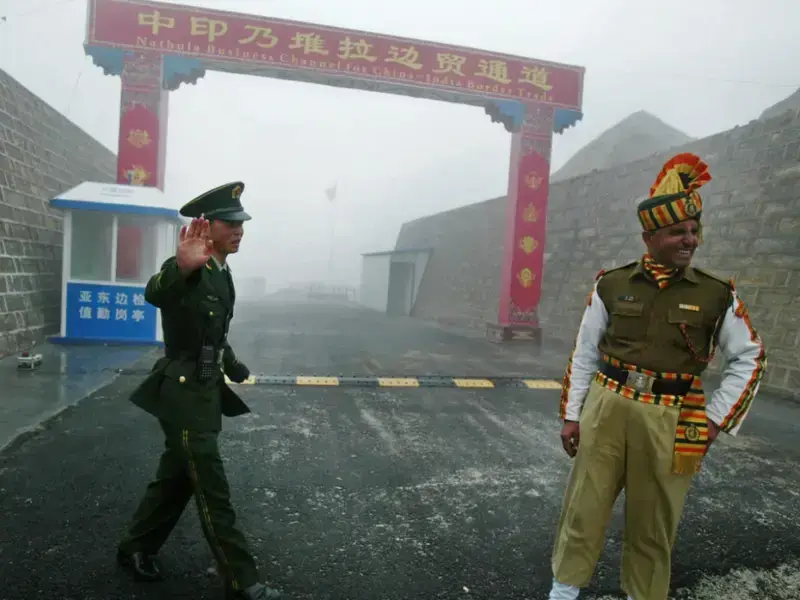)
China thinned Himalayan troop presence in 2025, India defence report says; terms border situation 'stable'
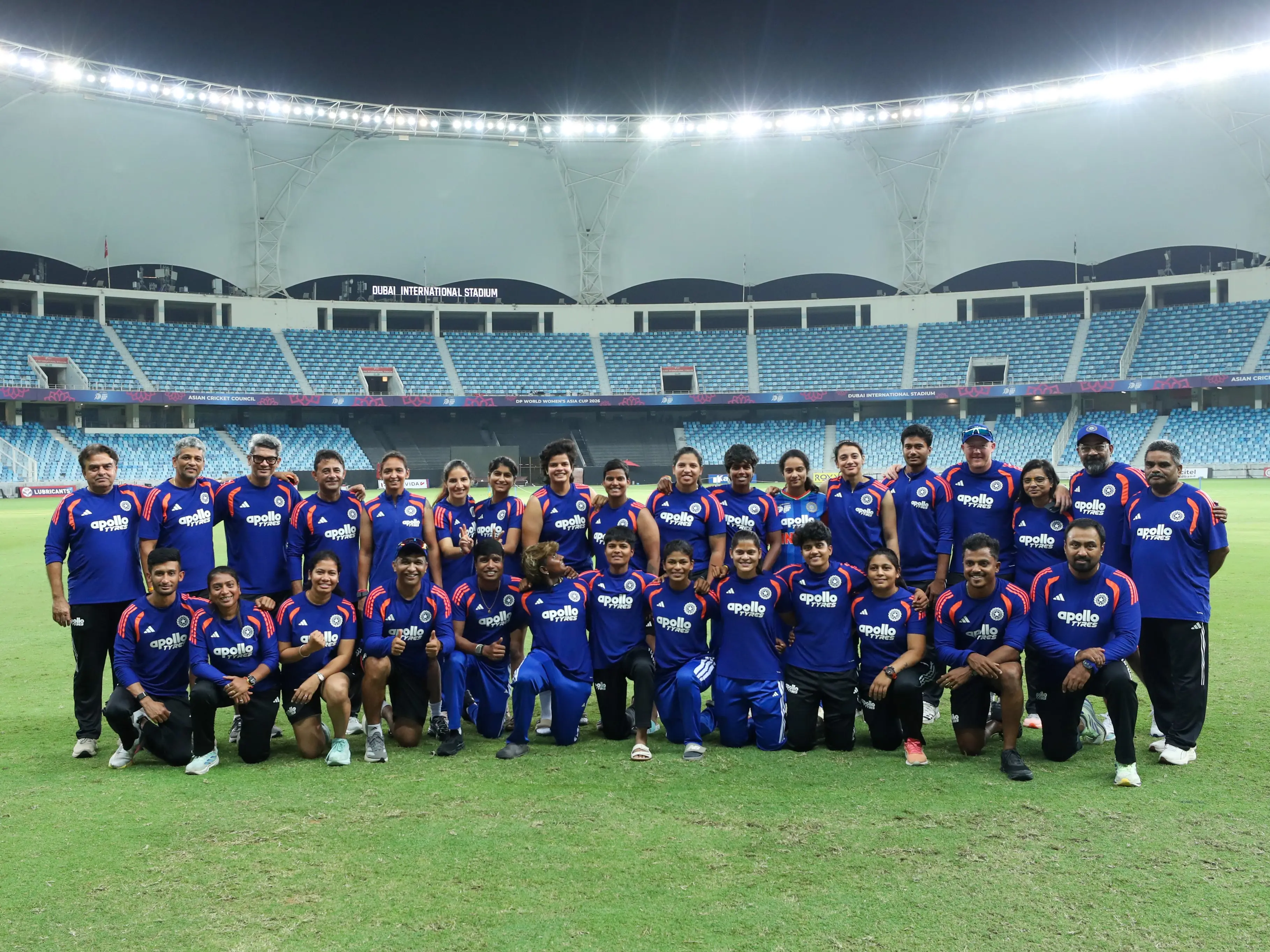)
Women's Asia Cup 2026: India denied trophy once again despite winning the title
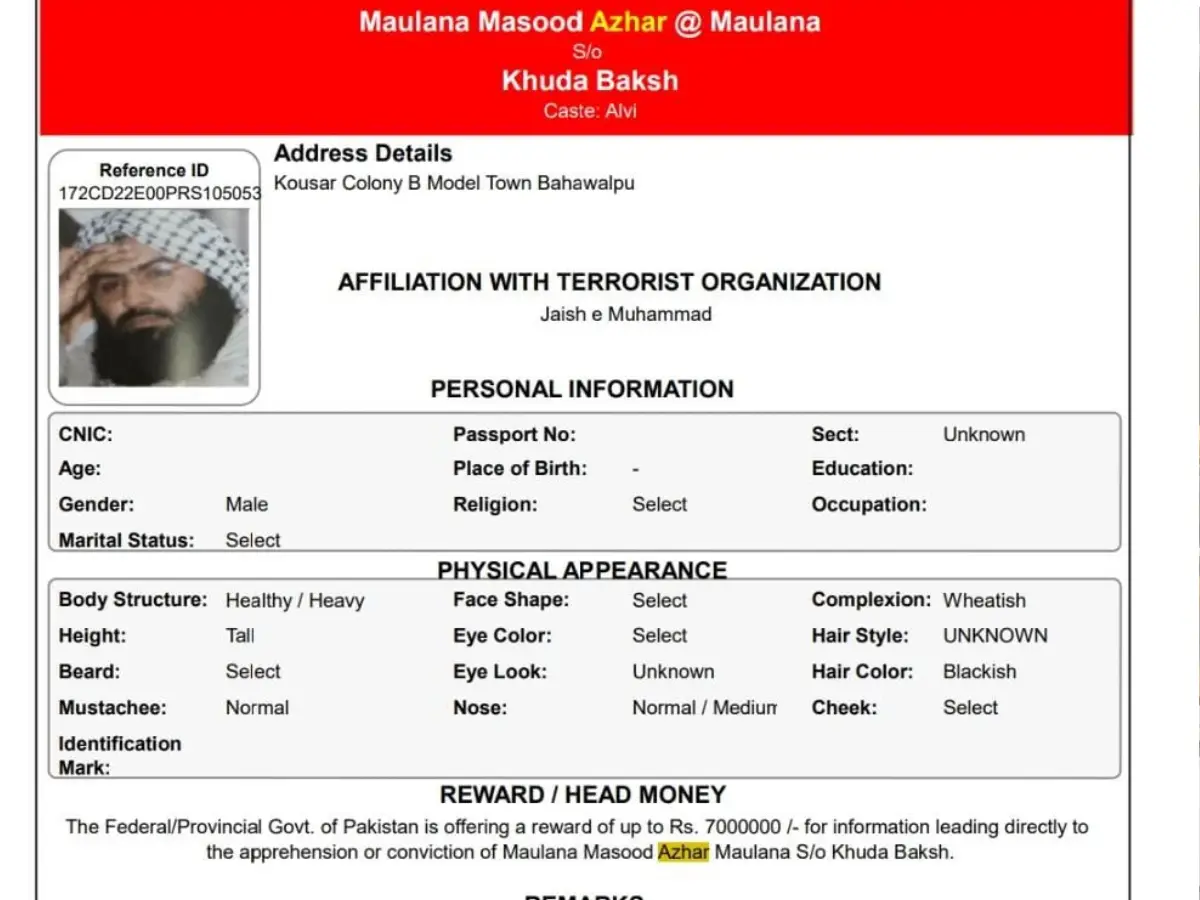)
Pakistan puts Pak Rs 70 lakh bounty on UN terrorist Masood Azhar; move draws skepticism in Delhi
)
Israeli minister calls to strip Gaza film directors of citizenship
)
Liam Neeson sparks romance rumours after holding hands with Stella Stocker at TIFF 2026
&im=FitAndFill=(700,400))
Why European Meteor missiles use ramjet engines compared to standard US solid rockets
)
‘Want to reset ties with India, have engagement based on mutual interests,’ says Bangladesh minister
)
Trump says Canada eager to reach a deal, it could come ‘fairly soon’ if Ottawa treats US farmers better
)
Indian importers urge Bangladesh to lift export ban on 'Hilsa' fish ahead of Durga Puja
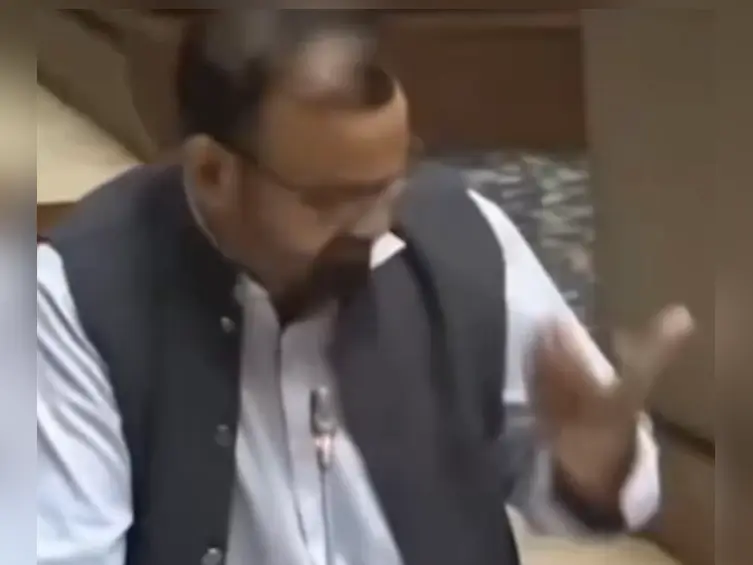)
Video of Pakistani lawmaker struggling to read English tribute to Jinnah goes viral - WATCH
&im=FitAndFill=(700,400))
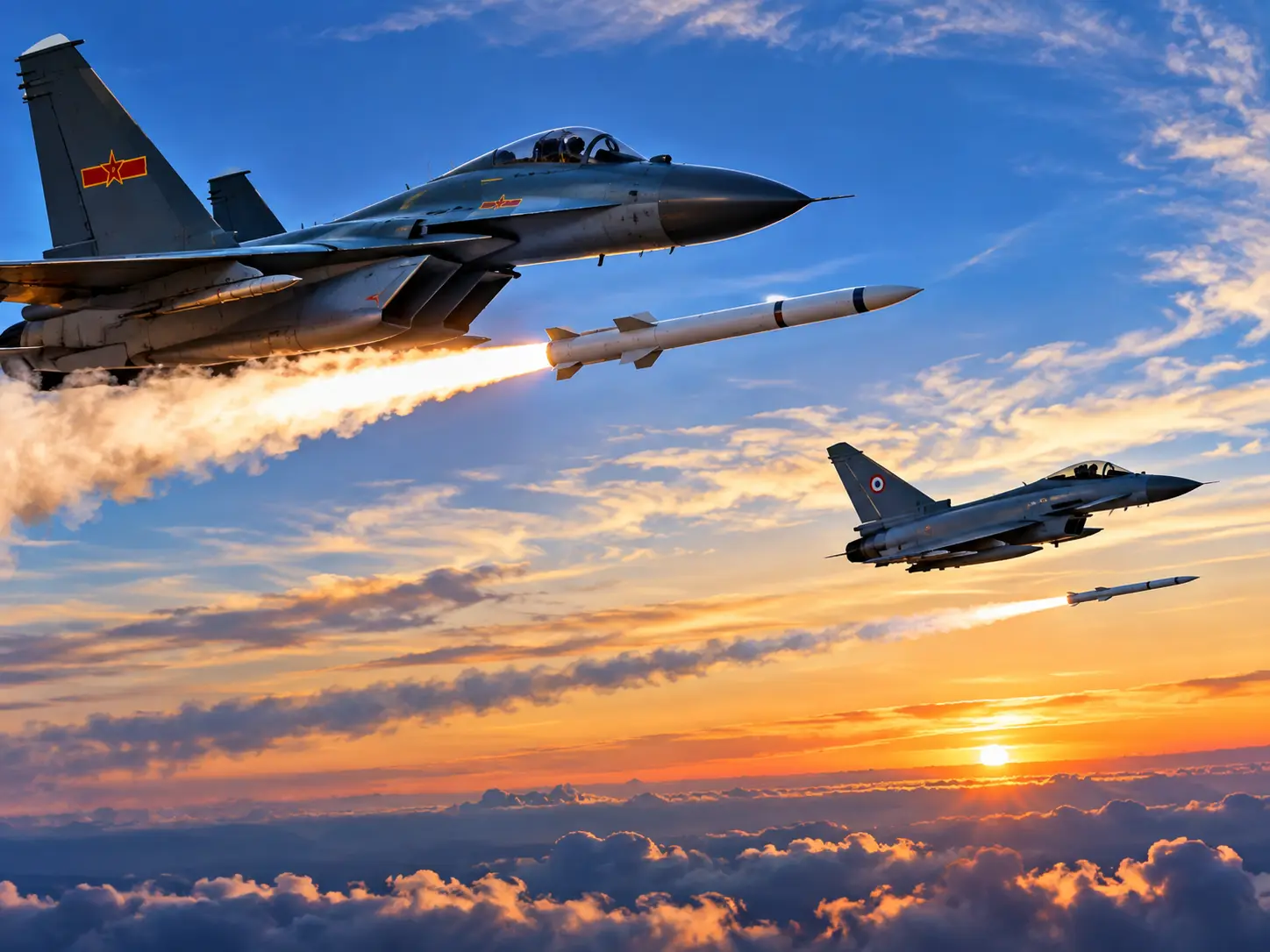
Why Chinese PL-15 air-to-air missiles use dual-pulse motors compared to European interceptors
)
Russia proposes to build 360 kmph Ivolga FG trains in India: What happened on sidelines of BRICS
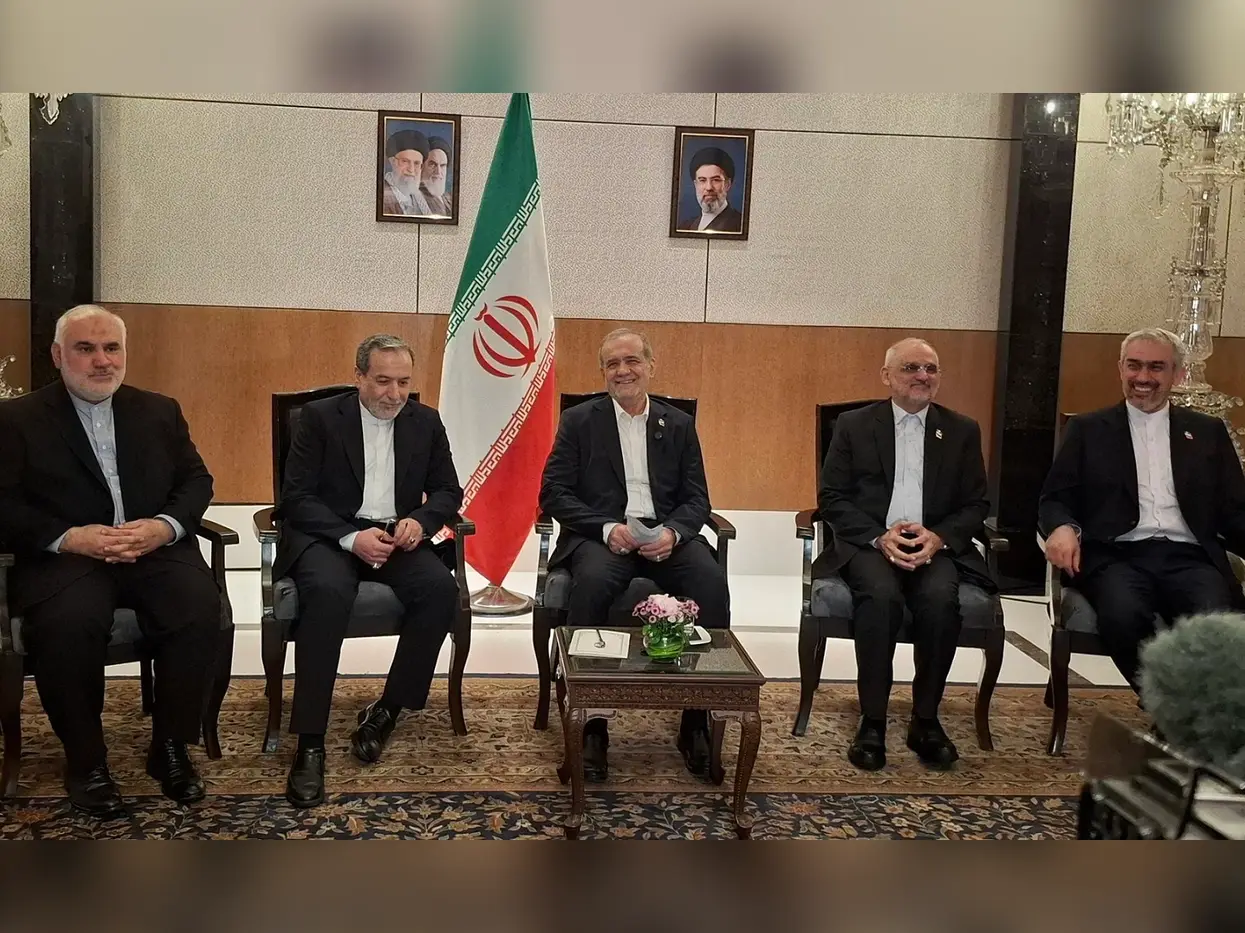)
Iran, India agree to deepen humanitarian and political ties, President Pezeshkian says
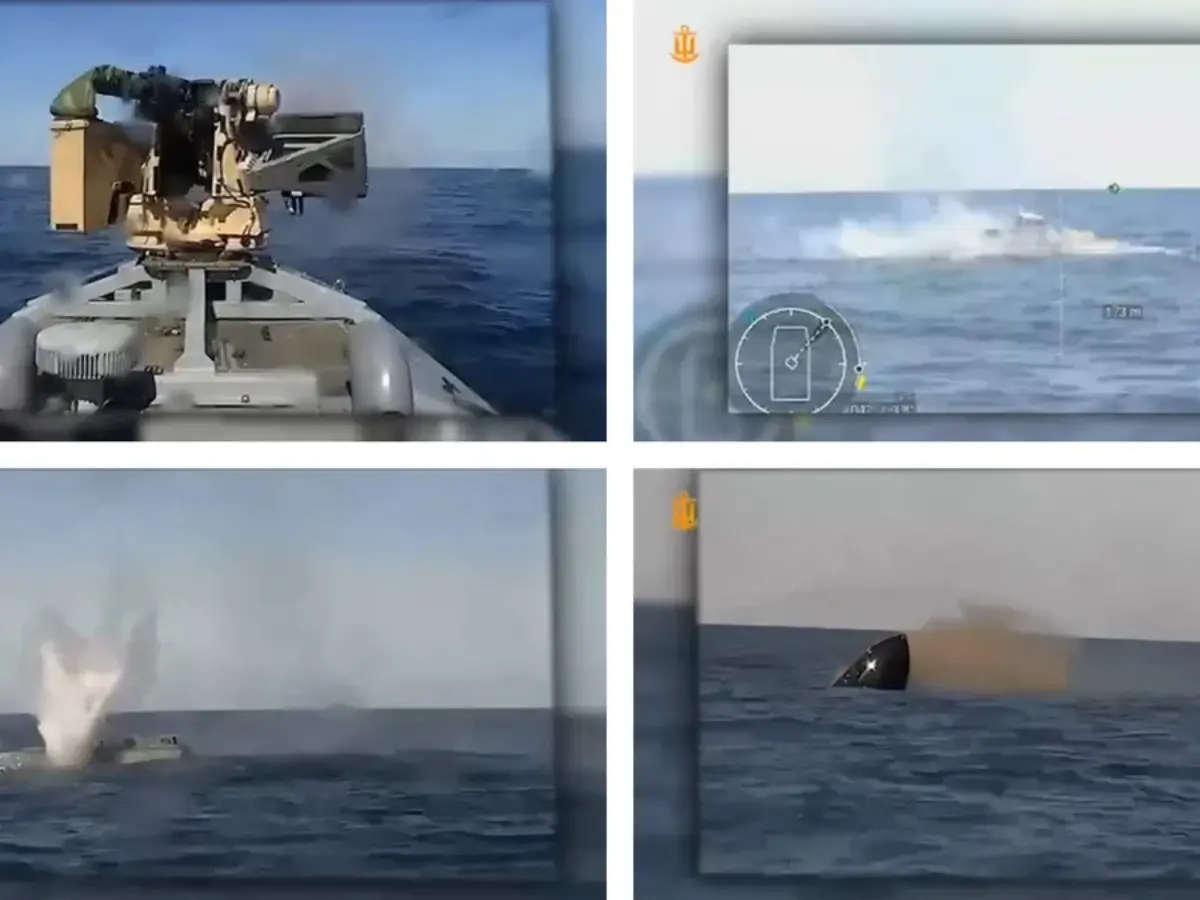)
First naval drone battle? Ukraine says Sargan 3000 sank Russian unmanned boat
)
Humans may lose control of AI: Anthropic CEO calls for slowdown, Altman, Musk back him
)
Delhi’s balancing act: BRICS serves as a stage for West Asia diplomacy
As you all know we have to work now remotely, the same goes for UNSC, that remains working from home offices, at least for the month of May and the role of presidency remains that these meetings remain substantial, transparent and natural one, that looks like the normal meetings.
WION: UNSC has been found missing on COVID crisis..how hopeful you are that your presidency will see an action?Ambassador
Ambassador Katrin Kivi: Yes, Estonia was pushing since the month of March to put the COVID crisis on the Agenda of the UNSC. It took for a while because we could not get consensus immediately among some permanent members of the council but of 9th April, the issue was on the agenda and was discussed and we could make some press conclusions from that.
Of course, we will continue to address the issue because we need more information. We have to be transparent and continue cooperation because only this way we could solve the issue.
WION: More information, you talked about, the world has been asking for transparency on the COVID-19 crisis?
Ambassador Katrin Kivi: I think it is time for multilateral efforts also in the framework of WHO. It is not yet time to concentrate on who is guilty or who was not able to do this or that.
We need to cooperate because this kind of threat can't stop on the state border and we need, also all security council members on board while discussing and addressing the issue.
Once we have some solution, then it is time to make to take lessons learnt, conclusions on how to better react in the future. Only in that way we can assure an adequate and kind of reaction that makes a difference.
WION: Your FM spoke to EAM earlier this week, what was the focus of the talks?
Ambassador Katrin Kivi: My FM called his counterpart EAM Jaishankar on Monday, and they mainly had twoissues to discuss, one was the upcoming chairmanship or presidency of Estonia at the security council and my FM invited EAM to take part in some of the council meetings in May.
Some of them are open to all member states, some of them are informal. For example on cyber stability, conflict prevention, and starting from May 8 we will mark 75th year of the end of World War-II.
This is also an occasion to address the security situation, security architecture in Europe or globally in order to avoid a similar kind of atrocities like we have been witnessing during the second world war.
The second was the digitalization. DIgital cooperation and our two countries are very advance and it is most natural that Estonia and India cooperate on cybersecurity, on e-governance and also we have MoUs with Indian computing emergency response team and Estonian information authorities.
Our respective companies and state actors are working together because of digitalisation offerers many answers to the current crisis, how to better and safely work from home.
It is time for working from home or home office, and security setting there maybe not best updated to the current challenges as to working normally from home. Estonian cybersecurity companies have made many mobile applications and digital platforms accessible free of charge as our contribution to the current crisis.
WION: Technology is something Estonia is master of, how much will that be the focus of your presidency?
Ambassador Katrin Kivi: In the UNSC and at the UN, there is a group of friends of cybersecurity and e-governance and Estonia and Singapore are co-chairs of these groups and we will raise the issue of how also other states could give the best digital solution available on the same platform to the rest of the world.
We will for sure address the issue in the month of May and we are very happy about the cooperation with India, especially since you are joining the UNSC as of next year and we will be working together--not only this year in May but we will continue our cooperation.
WION: Kashmir is something one country in the region is keen to talk about...under your presidency, will it be raked?
Ambassador Katrin Kivi: Our view about addressing the issue at the UNSC has not changed. We think it is a bilateral issue that should be resolved through direct contact and dialogue.
We would encourage both parties to further work on it. But UNSC should really be seized for a very, very serious global conflict like chemical weapons use in Syria or similar magnitude.
We encourage further India and Pakistan if necessary take direct contact and resolve it bilaterally and not raise the issue at UNSC.