Indira Gandhi put us in jail, but never abused us: Lalu Prasad remembers Emergency

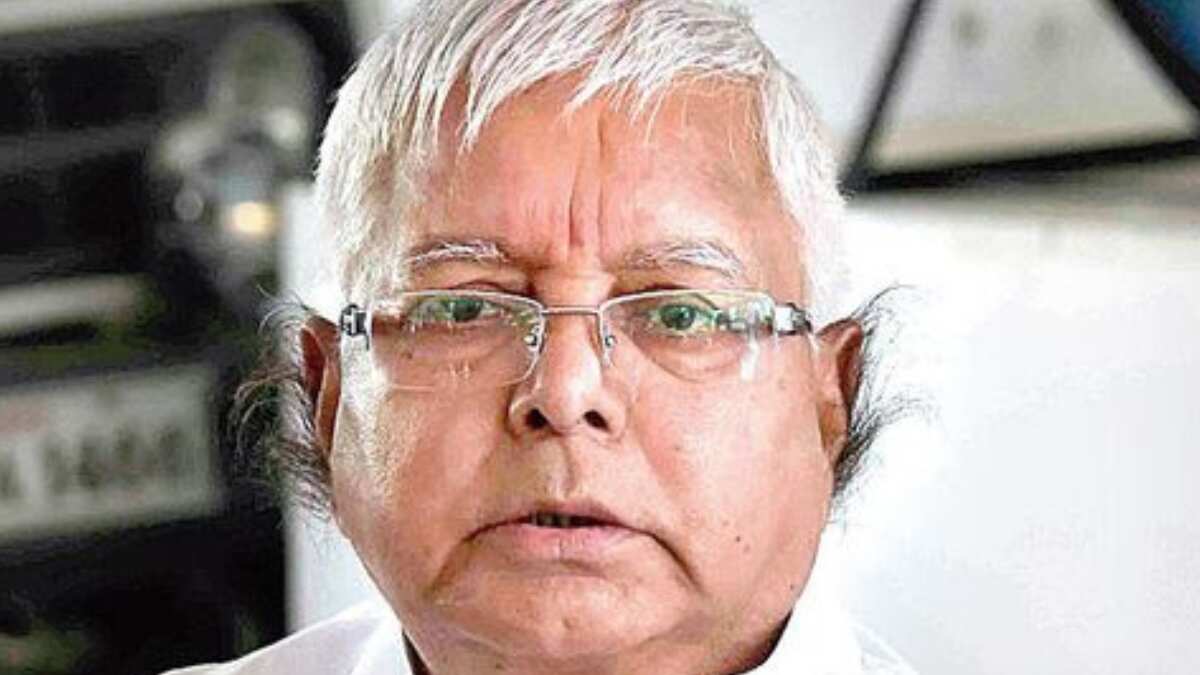
Lalu Prasad remembers Emergency: Indira put us in jail, but never abused us
The Rashtriya Janata Dal (RJD) chief and former Bihar Chief Minister Lalu Prasad Yadav on Saturday (June 30)reflected on the period of the 1975-77 Emergency. He remarked," Indira Gandhi put many of us behind bars, but she never abused us. Neither she nor her ministers called us “anti-national” or “unpatriotic”. She never enabled vandals to defile the memory of Babasaheb Ambedkar—the architect of our Constitution. 1975 is a stain on our democracy but let's not forget who doesn't respect the Opposition in 2024."
He shared an article co-authored with journalist Nalin Verma On social media platform X,criticising the BJP-led central government.
In his tweet, Prasad wrote, "I was the convener of the steering committee that Jayaprakash Narayan—had constituted to carry forward the movement against the excesses of Emergency imposed by the then PM Indira Gandhi. I was in jail under the Maintenance of Security Act (MISA) for over 15 months. My colleagues and I did not know many of the BJP ministers speaking about the Emergency today. We hadn’t heard of Modi, J P Nadda and some of the PM’s other ministerial colleagues who today lecture us on the value of freedom".

"Indira Gandhi put many of us behind bars, but she never abused us. Neither she nor her ministers called us “anti-national” or “unpatriotic”. She never enabled vandals to defile the memory of Babasaheb Ambedkar—the architect of our Constitution. 1975 is a stain on our democracy but let's not forget who doesn't respect the Opposition in 2024," he further said.
)
Three labourers killed as DU student loses control of his car, rams into them on Dwarka Expressway
)
Pentagon revives mandatory testosterone testing for male troops aged 30 and above
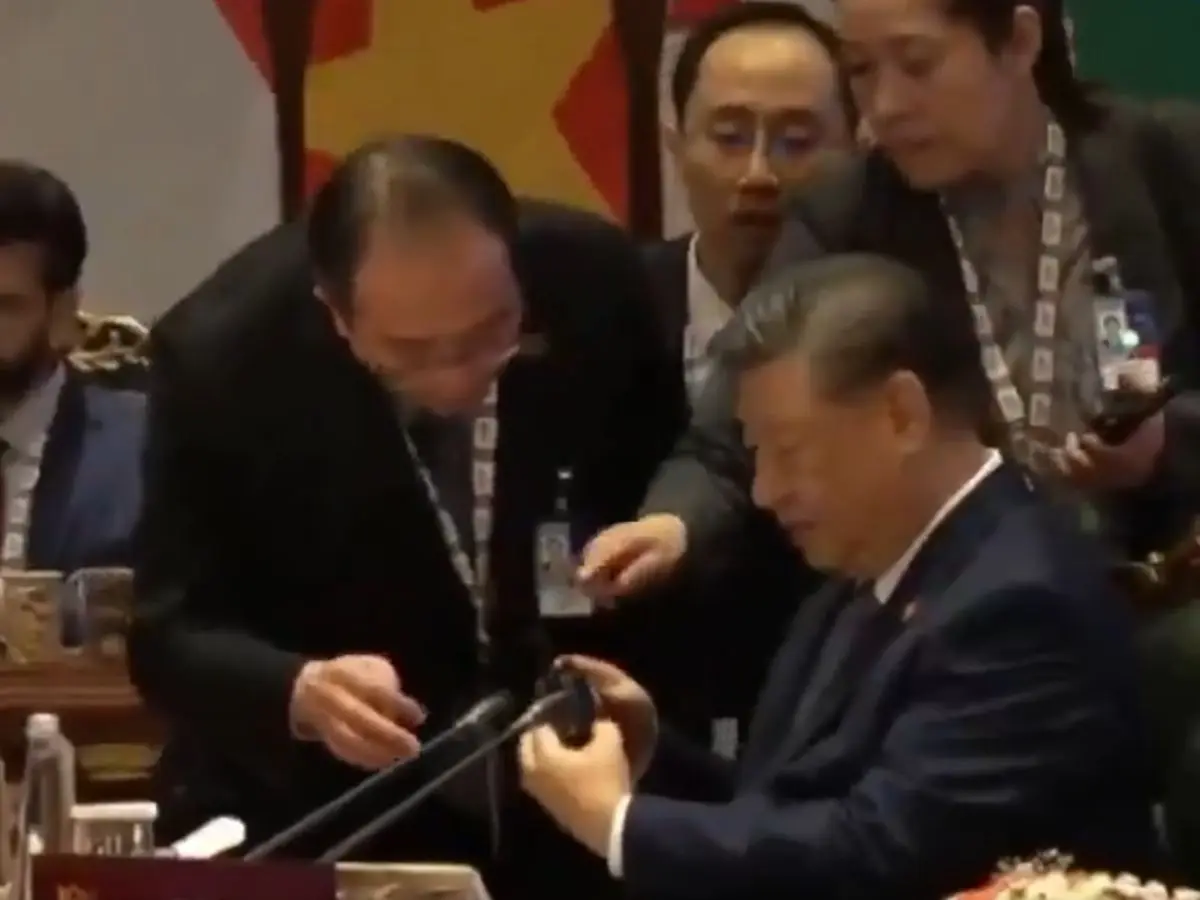)
FACT CHECK: Why did PM Modi ask Xi ‘is it okay’ at BRICS Summit? New video reveals...
)
India seeks to build a full semiconductor supply chain
&im=FitAndFill=(700,400))
From Abhishek Sharma to Sahil Chauhan, 5 batters with fastest T20I hundreds
)
Indian activist-lawyer Prashant Bhushan's post brings focus on ‘conflict of interest’ appointments of ex-govt officials at Reliance, Adani groups
)
Pyongyang dismisses US, western pressure over nuclear programme
)
US And Denmark reach Greenland deal, Trump announces expanded military presence
)
Google’s Gemini AI hacks real systems by guessing passwords during security test
)
Former India player Diana Edulji wants Smriti Mandhana to replace Harman as skipper at the earliest
)
China may have gained access to US's classified F-35 jets; parts meant for repairs diverted to Hong Kong, sparking Pentagon inquiry
)
NASA research plane reaches 61,000 feet over Panama
)
Godfather of AI Geoffrey Hinton gives US lawmakers a one-year warning on AI
)
Shivakumar attends 79th Kalyana Karnataka Utsav in Kalaburagi
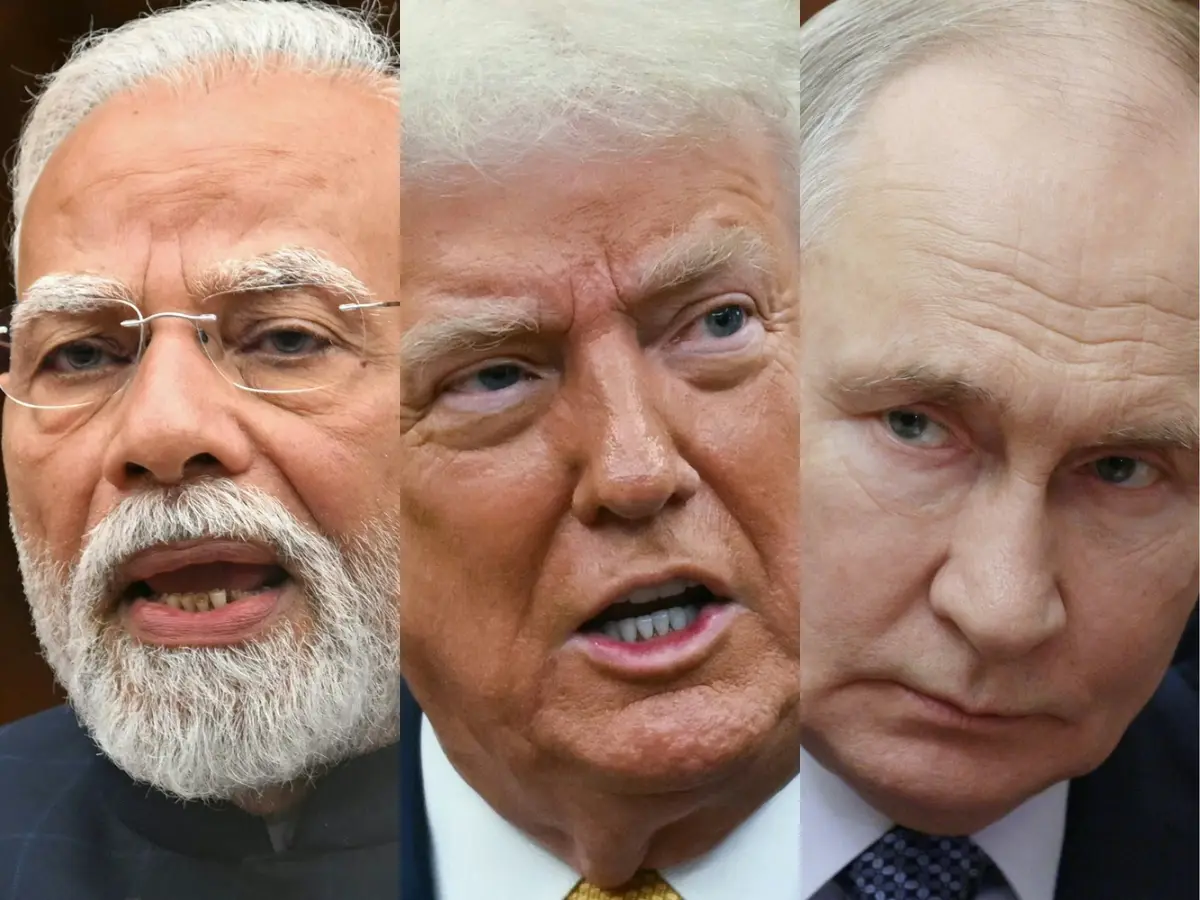)
Trump signs Russia sanctions law: India faces fresh 100% tariff threat over Russian oil
)
Why Ranveer Singh’s Dhurandhar missed India’s Oscar entry; FFI jury member reveals what happened
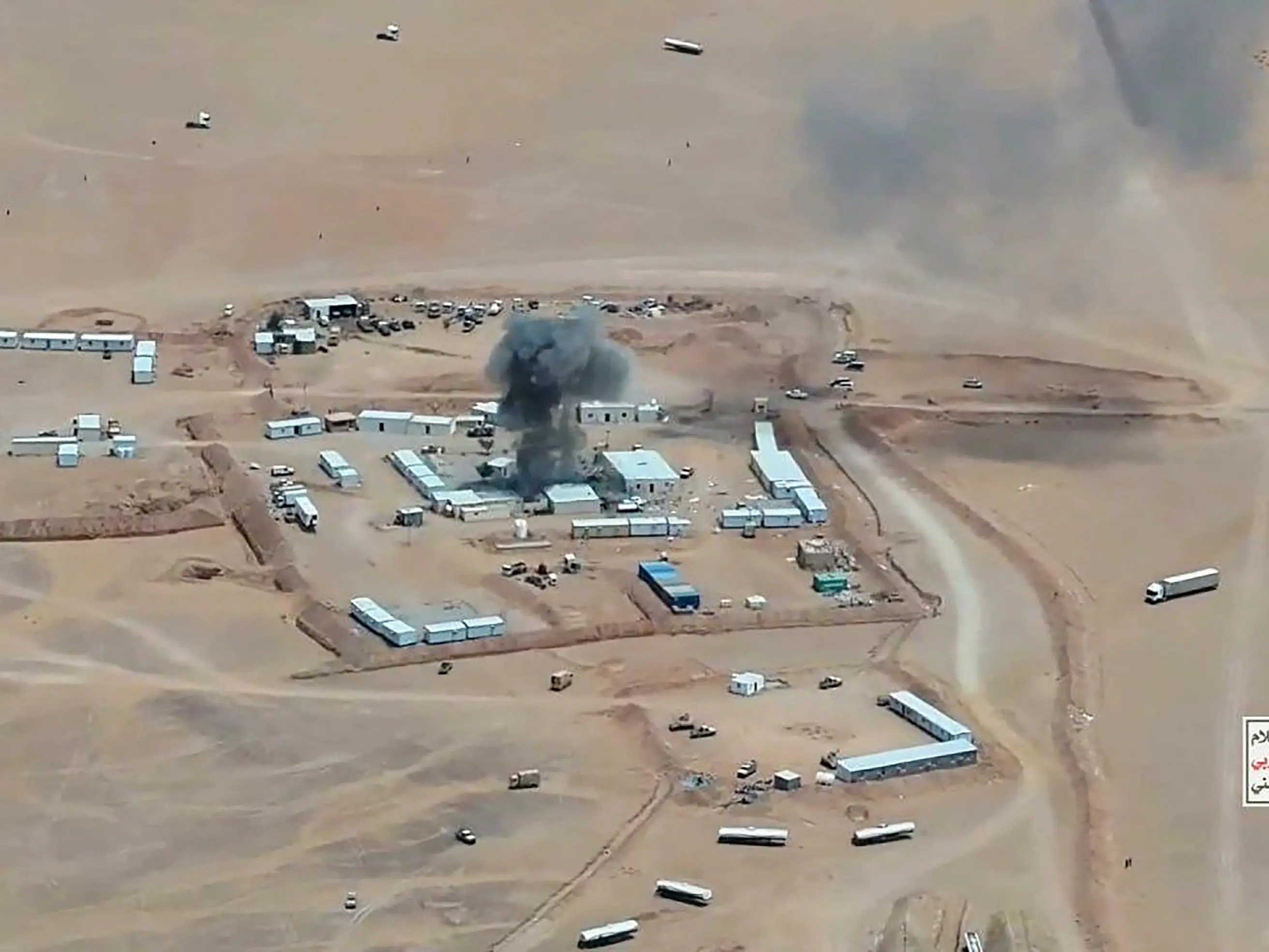)
‘Will go to any extent’: Pakistan vows to defend Saudi Arabia amid Houthi attacks
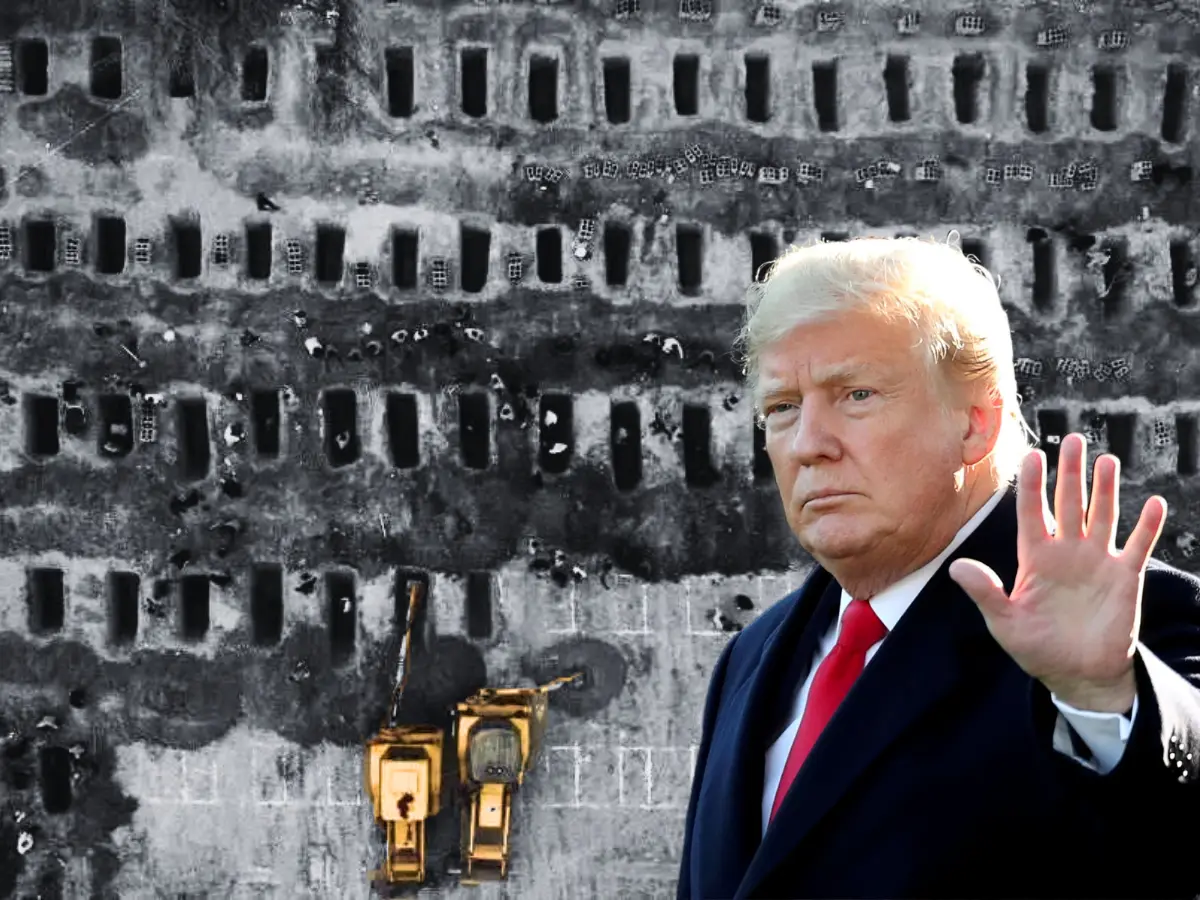)
The Verdict | When precision fails: US commits war crime in Minab school strike, UN finds
)
Trump signs Russia sanctions bill into law, targets Moscow’s energy sector
&im=FitAndFill=(700,400))
New Friday OTT releases (September 18, 2026): Lust Stories 3, You+Me, Best of the Best- 8 new titles coming on Netflix, Prime Video and more
)
Fast bowler Brydon Carse faces no charges over Derby nightclub incident
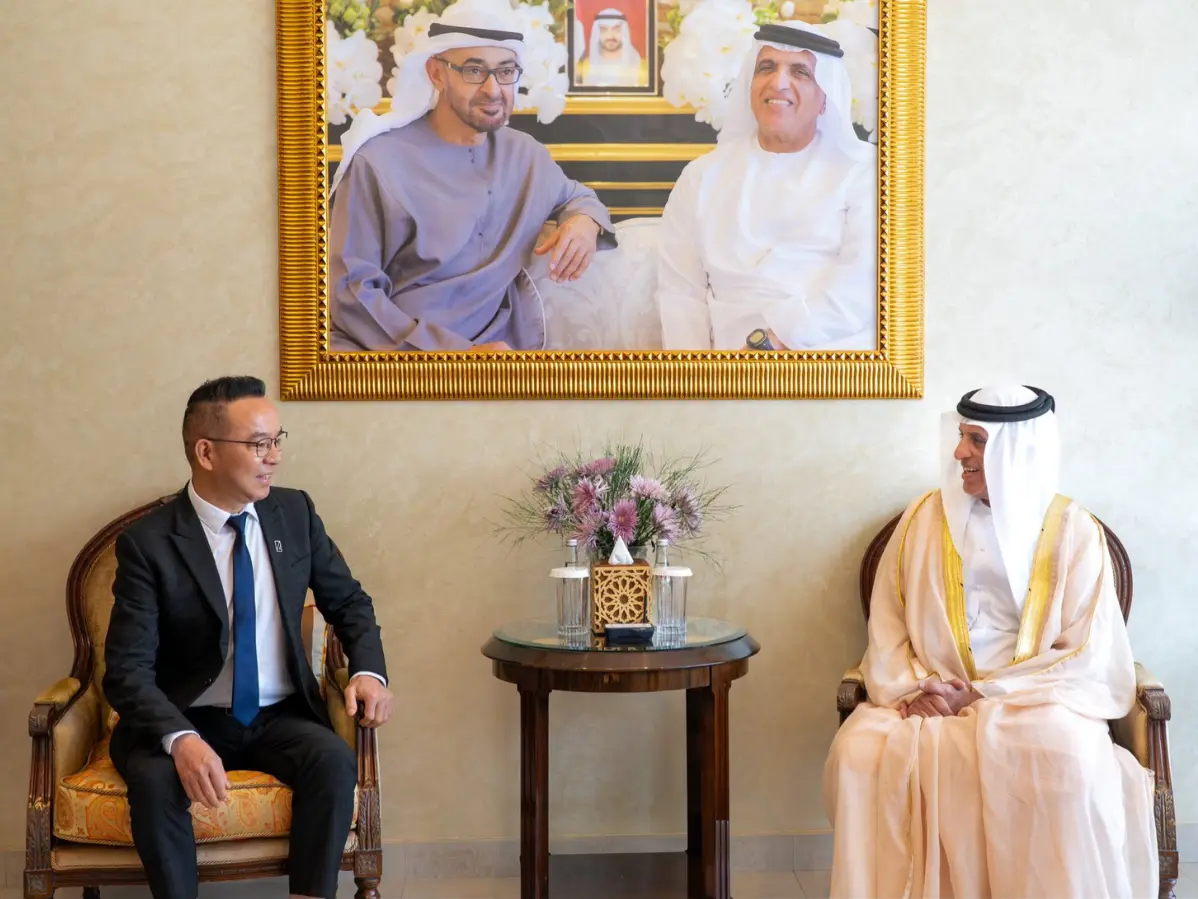)
Flying cars in UAE: Ras Al Khaimah signs deal with Chinese company to test new transport
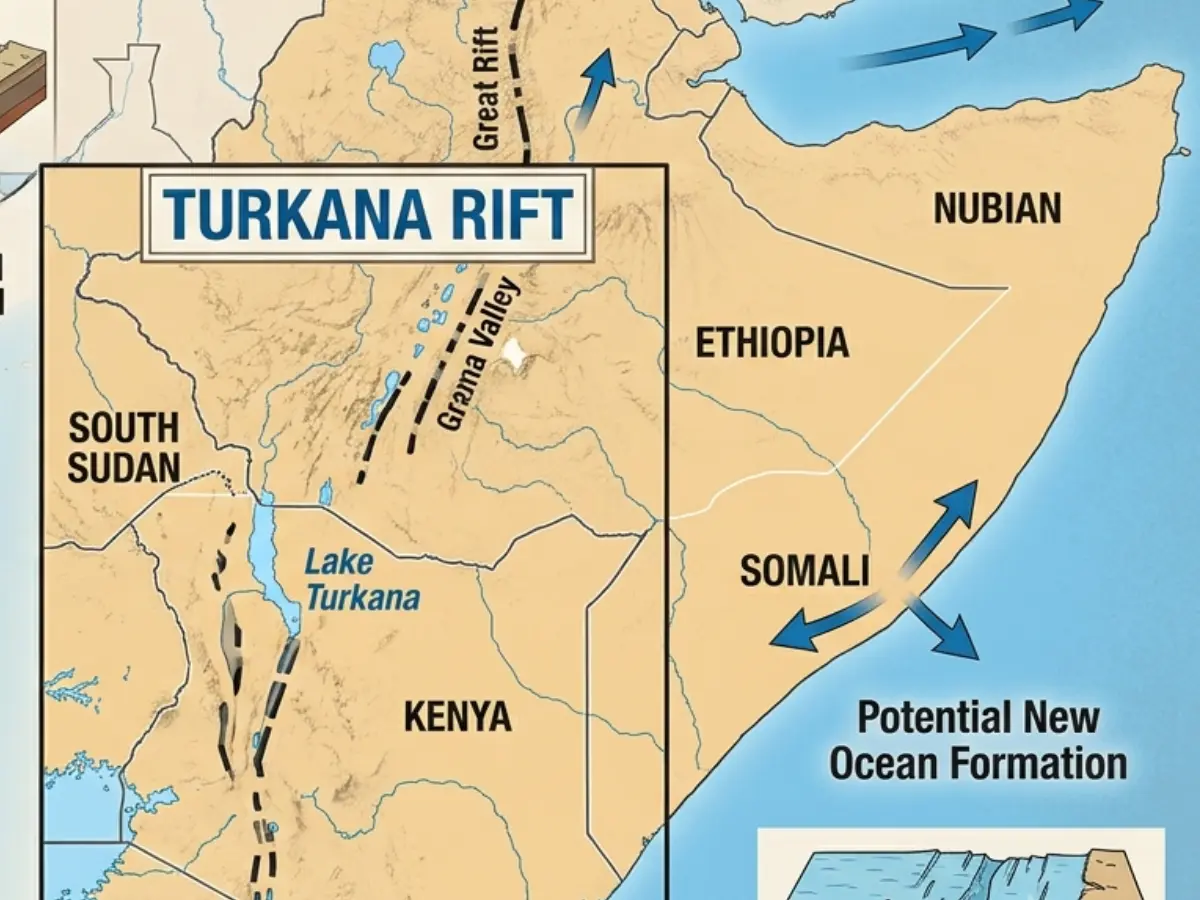)
Africa is splitting, and a lot sooner than estimated, giving way to a new ocean
)
'Gangsta' crab shoves knife blade at man and his dog in Florida - Watch
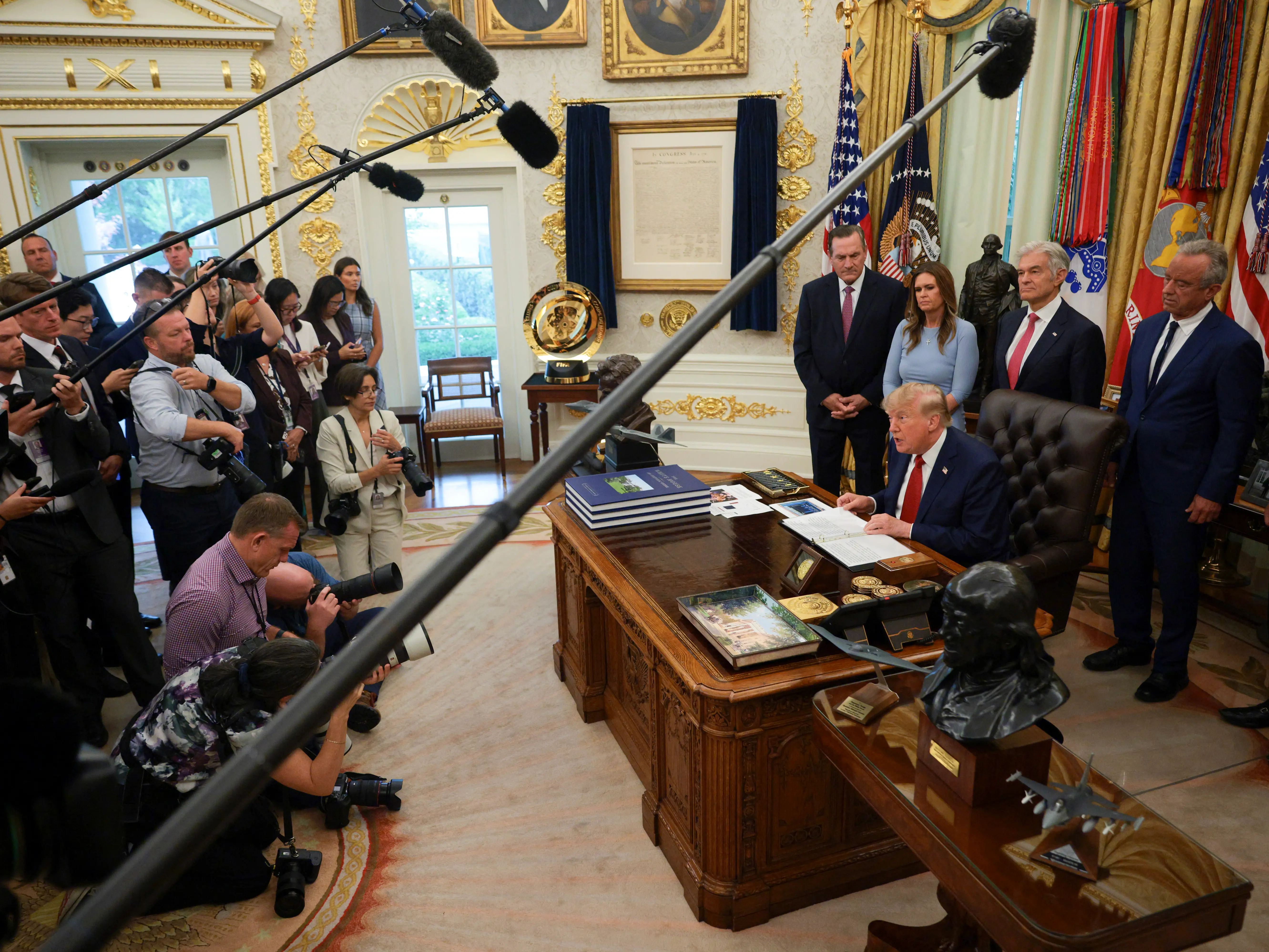)
Trump bans CNN, MS NOW and Politico from White House over ‘FAKE NEWS’
)
Trump 2.0: Dark days ahead for America’s ‘imperial presidency’
)
Trump's Greenland dream comes true? POTUS announces 'Infinite Life' deal with Denmark, claims permanent US control
)
Laura Wolvaardt sets new world record for most WT20I runs in a year
)
Drone strikes cooling tower at Russia's Kursk Nuclear Plant, IAEA confirms
)
Who is Khalilur Rahman? All you need to know about 81st UN General Assembly President
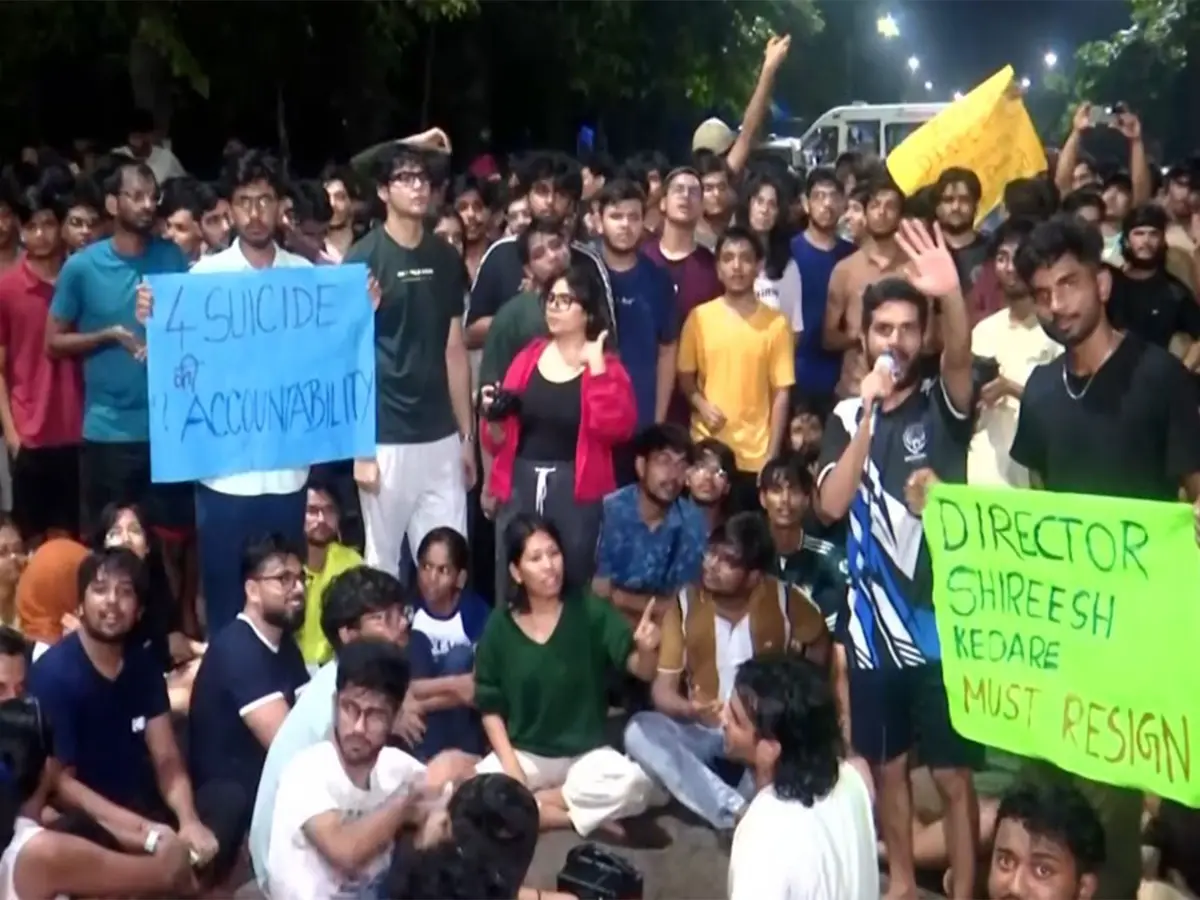)
IIT Bombay student dies by suicide, was caught seeking AI help during exams
&im=FitAndFill=(700,400))
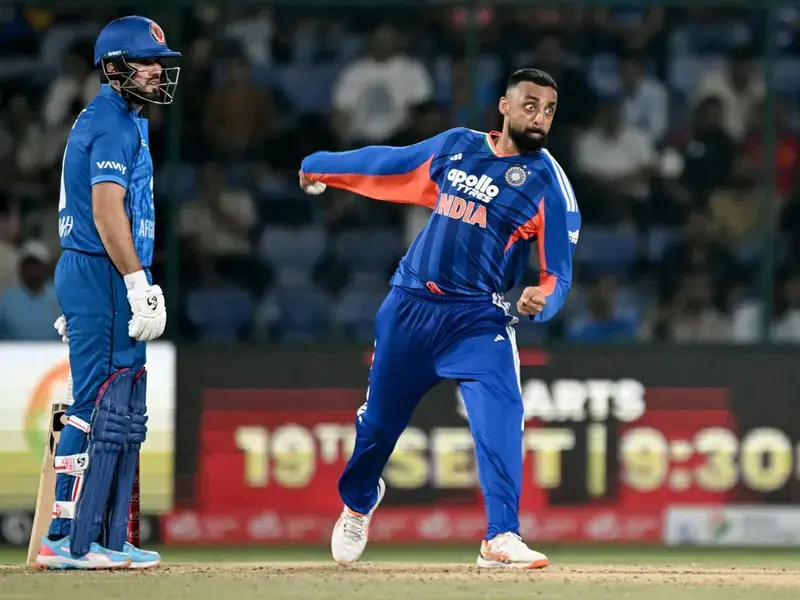
Meet top 5 bowlers in latest ICC T20I rankings
)
Indian Cinema bets big on mythology, brings ancient stories to modern audiences
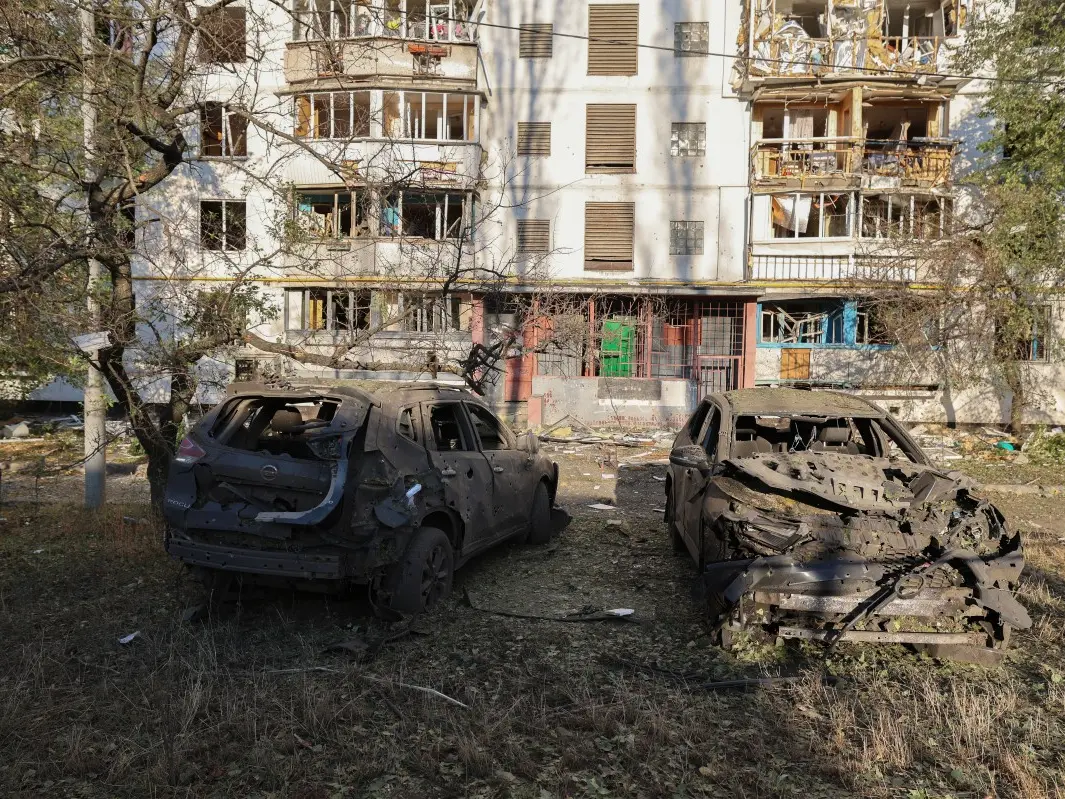)
Ukraine plans record $109 bn defence spending, nearly two thirds of budget amid Russia war
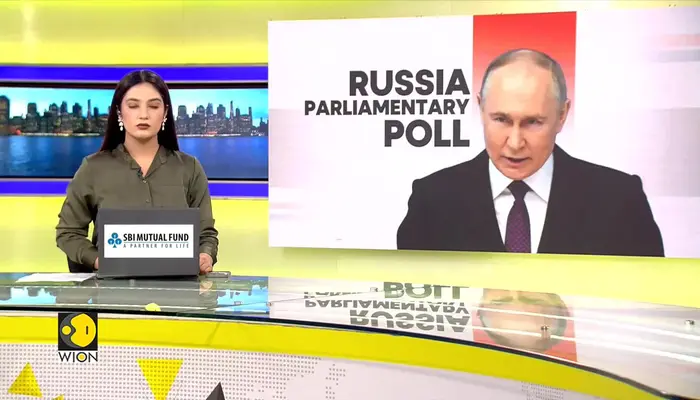)
Russia holds first parliamentary elections since the beginning of the Ukraine war
&im=FitAndFill=(700,400))
Meet top 5 Indian batters with fastest T20I centuries
During the Emergency in India (1975-1977), the leaders of the opposition faced significant challenges and impacts. Many prominent opposition leaders were arrested under preventive detention laws like the Maintenance of Internal Security Act (MISA) and kept in jail for extended periods without trial. Leaders such as Lalu Prasad Yadav, Jayaprakash Narayan, Morarji Desai, Atal Bihari Vajpayee and George Fernandes were among those detained.
Also read |Delhi airport canopy collapse: Driver killed was sole bread-winner, had daughters' marriage ahead
The Emergency, declared on June 25, 1975, by then-Prime Minister Indira Gandhi, was a period marked by censorship, arbitrary arrests and the suspension of many democratic freedoms. This year commemorates the 49th anniversary of that tumultuous chapter in Indian democracy.
(With inputs from agencies)