India orders e-commerce websites to remove Bournvita from 'health drink' category

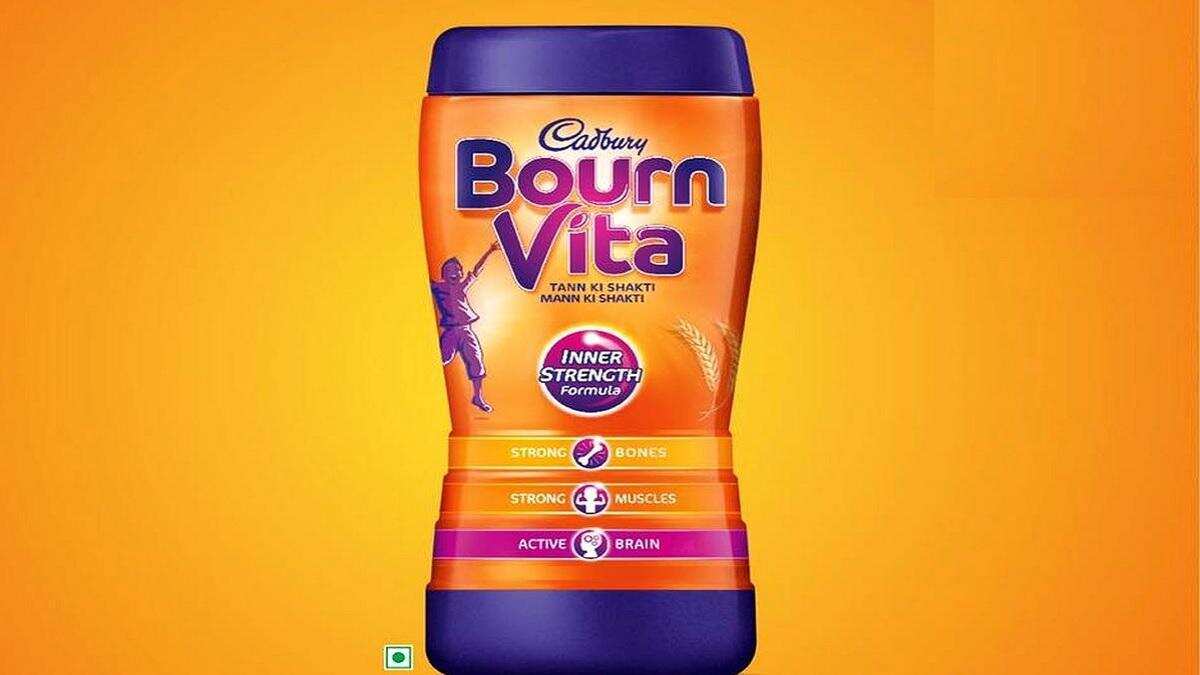
NCPCR had aksed Bournvita to withdraw all "misleading" advertisements, packaging and labels
The Indian government has ordered e-commerce websites to remove Bournvita and other beverages from the 'health drink' category. In an advisory, the Ministry of Commerce and Industry clarified that the term 'health drink' is not defined under the Food Safety and Standards (FSS) Act 2006 or its rules. This comes a year after the National Commission for Protection of Child Rights (NCPCR) directed Bournvita to withdraw all "misleading" advertisements, packaging and labels following a bombshell video by influencer Revant Himatsingka. The influencer, who goes by the name FoodPharmer, had highlighted the high sugar content in the drink, sparking criticism of the brand and a widespread debate.
"National Commission for Protection of Child Rights, a statutory body constituted under section (3) of the Commission for Protection of Child Rights (CPCR) Act, 2005 after its inquiry under Section 14 of CPCR Act, 2005, concluded that there is no "Health Drink defined under FSS Act 2006, Rules and regulations as submitted by FSSAI and Mondelez India Food Pvt Ltd," the commerce ministry said the notification.
FSSAI’s direction on proper categorisation

India's Food Safety and Standards Authority (FSSAI) on April 2 asked all e-commerce websites to ensure proper categorisation of products on their websites.
This direction came after it observed instances of certain cold drinks and beverages, such as dairy-based beverage mixes, cereal-based beverage mixes, and malt-based beverages, being sold on these websites under the category of 'health drink' or 'energy drink'.
"Therefore, FSSAI has advised all e-commerce companies to promptly rectify this misclassification by removing or de-linking such drinks or beverages from the category of ‘health drinks/energy drinks’ on their websites and placing such products in the appropriate category as provided under the extant law," the notification said.
)
The Early Spring is proof not everyone can talk about their real feelings, and it is perfectly OK
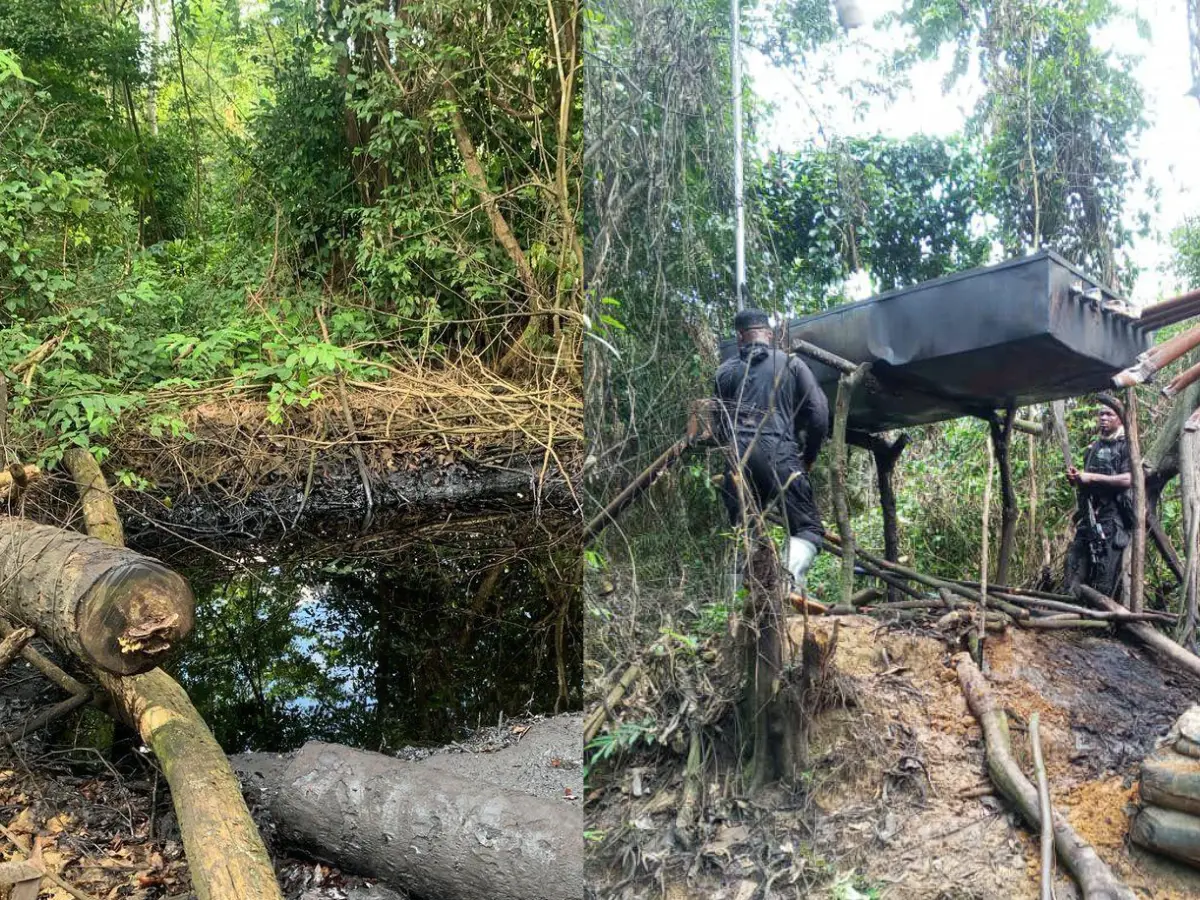)
Nigerian Navy discovers 99,000 litres of suspected stolen, illegally refined products as it intensifies anti-crude oil theft operations
)
Who is Aditi Paudel? 17-year-old becomes Japan's first literacy ambassador
)
Bengaluru: Officials find 40 kg expired chilli at chairman's club
)
What are the challenges Congo is facing in containing Ebola outbreak?
&im=FitAndFill=(700,400))
Why US tanks can spin their heavy turrets much faster than Russian tanks
)
‘Major escalation’: Zelensky accuses Russia of targeting SBU chief’s office
)
Israeli strikes on Lebanon kill three, injure 23 despite truce
)
South Korea mulls deploying military assets to Strait of Hormuz
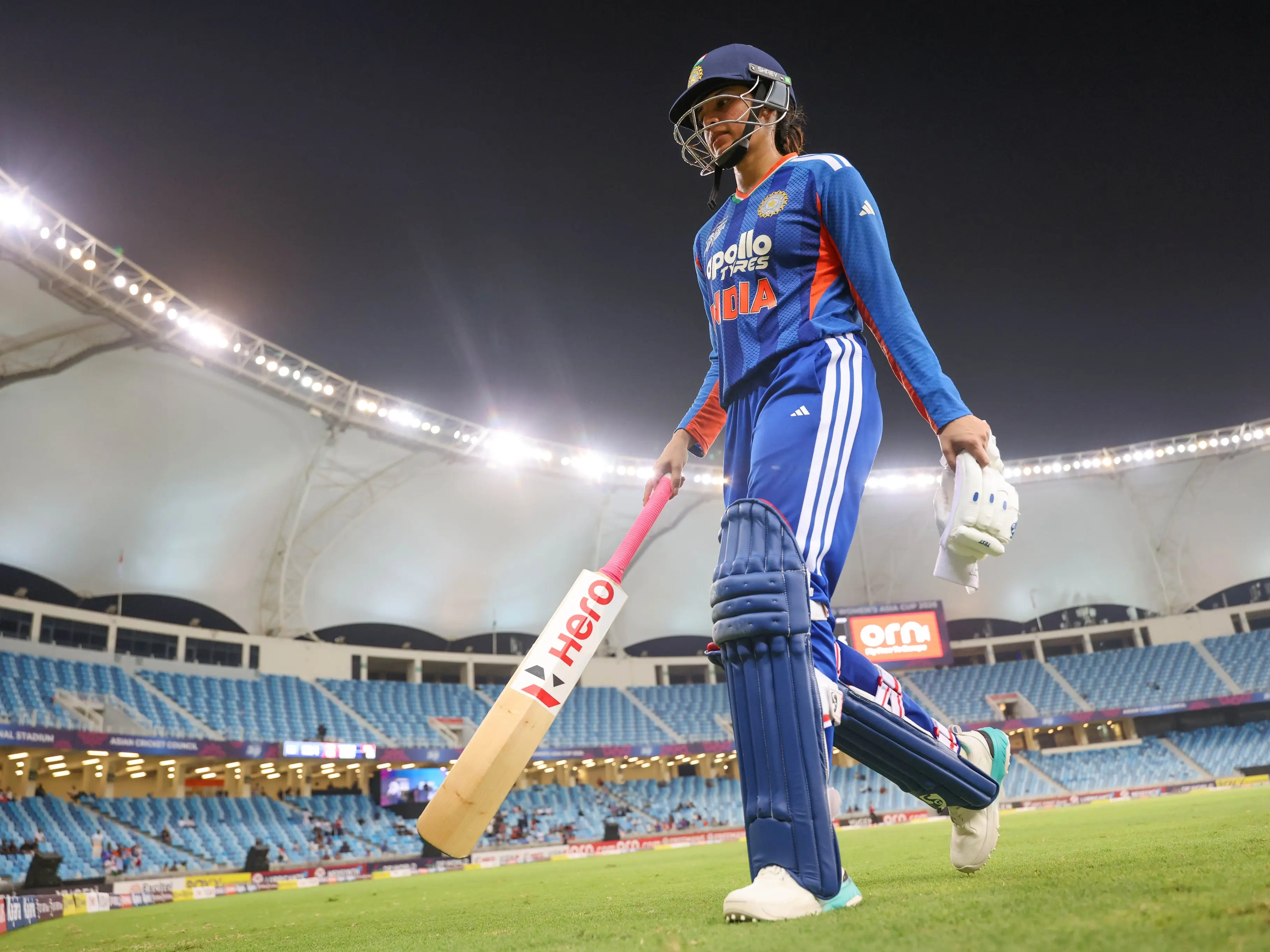)
Women's Asia Cup 2026: India's Smriti Mandhana is now best batter ever in women's cricket
)
World's fifth-largest economy, British army can't afford to train
)
Breaking | Vance takes the podium: First White House briefing since Leavitt's exit
)
Taiwan raises 'concerns' over China's missile test
)
BRICS 2026: $1 trillion sovereign capital set to converge in Delhi for first iBRICS Summit
)
At least 10 killed in explosion at Bolivia military base, several injured
)
Bangladesh batter Towhid Hridoy creates history with 350 not out in South Africa
)
Brendan Fraser’s transformation fuels The Mummy 4 excitement as fans welcome back Rick O’Connell
&im=FitAndFill=(700,400))
Krishna Janmashtami 2026: From Dhaniya Panjiri to Makhana Kheer- 5 best sweet dishes perfect for celebrating Lord Krishna’s birth
)
‘I wouldn’t call it a war,’ says JD Vance on ongoing conflict with Iran
)
Husband uses secret camera to record wife’s affair, wins divorce case, ends up in jail for spying
)
Russia-Ukraine truce in sight? Trump sends US envoys with 'peace plan'; Zelensky offerst emporary ceasefire
)
Eight killed in Kerala’s Thrissur after car rams into lorry parked on highway
&im=FitAndFill=(700,400))
Why Russian fighter jets use bulky, low-pressure tyres compared to US jets
&im=FitAndFill=(700,400))
Why US tanks weigh over 20 tons more than Russian tanks
)
Mirzapur: The Movie X review: ‘Peak Mass Entertainer', netizens praise Pankaj Tripathi and Ali Fazal's thriller
&im=FitAndFill=(700,400))
New Friday OTT releases (September 4, 2026): GDN, Dhamaal 4, Jagamae Sangeetham- Watch 6 new movies and TV shows on Netflix, Prime Video and more
)
Killing the Himalayas slowly: Human urine is melting a glacier on Mount Everest
"Proprietary foods are items of food that are not standardised in food safety and standards (food product standards and food additives) regulations and food safety and standards (health supplements, nutraceuticals, food for special dietary use, food for special medical purpose, functional food, and novel food) regulations, but use standardised ingredients," it added.
Significance of the move
The move aims to bring transparency to the categorisation process and aware consumers of the so-called energy drinks.
Watch:Is Bournvita as healthy as it claims?
Earlier, an investigation by the NCPCR found that the sugar levels in Bournvita were much higher than the acceptable limits.
Statement by Bournvita
The company, owned by Mondelez, has claimed that the sugar levels in its drinks are below the recommended daily sugar limit for children.
"Every serve of Bournvita has 7.5 grammes of added sugar, which is approximately one and a half teaspoons. This is much less than the daily recommended intake limits of sugar for children," the company had said.
(With inputs from agencies)