Hindu marriage rituals integral to their validity, opines Supreme Court: 'Not just song-dance'

Hindu Marriages, Supreme Court
In a significant ruling, the Supreme Court of India has laid down the essentials for a Hindu marriage to be legal under the Hindu Marriage Act of 1955.
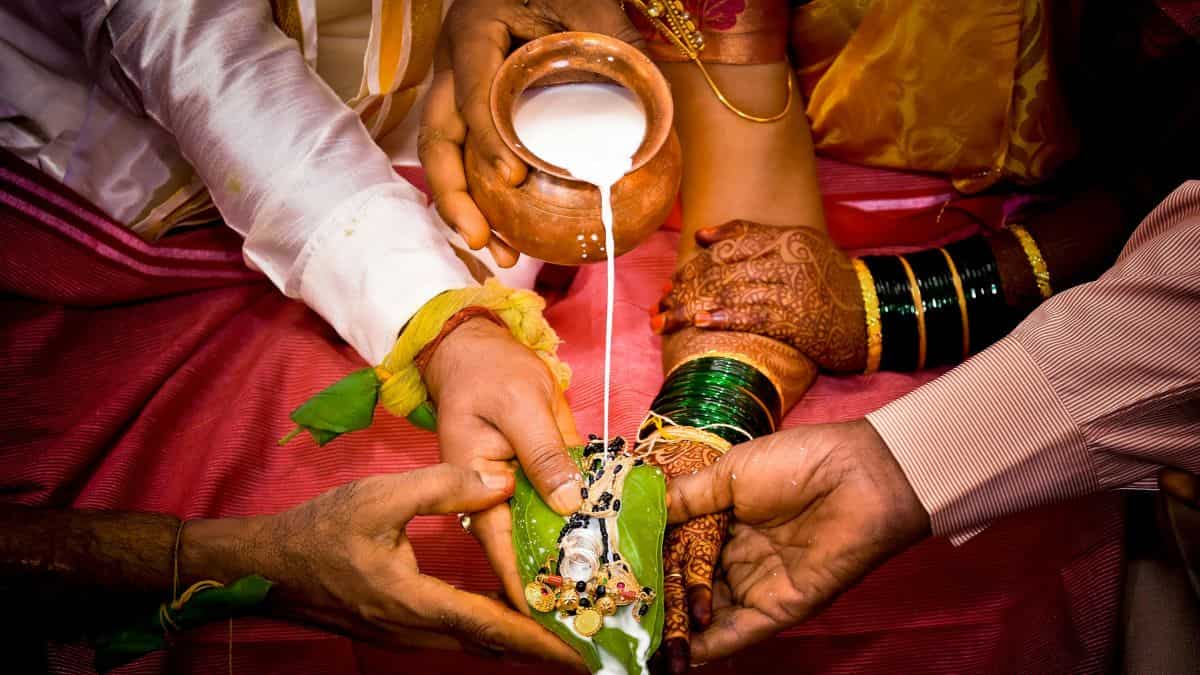
As per a ruling made by the top court on April 19 (Friday), a Hindu marriage must be performed with traditional rites and ceremonies, such as 'saptapadi' (seven steps around the sacred fire commonly known as 'saath phera') for it to be valid.
"Where a Hindu marriage is not performed in accordance with the applicable rites or ceremonies such as saptapadi when included, the marriage will not be construed as a Hindu marriage," the court said.

Evidence of marriage
The bench said that evidence of these rituals is essential in case of any disputes.
"For a valid marriage under the Act, the requisite ceremonies have to be performed and there must be proof of performance of the said ceremony when an issue/controversy arise. Unless the parties have undergone such ceremony, there would be no Hindu marriage according to Section 7 of the Act and a mere issuance of a certificate by an entity in the absence of the requisite ceremonies having been performed, would neither confirm any marital status to the parties nor establish a marriage under Hindu law."
)
Justice eludes Air India 1985 bombing victims as Canada probe goes 'inactive' | Gravitas
)
Mumbai: Gallops restaurant at Mahalaxmi Racecourse licence suspended over food safety violations
)
Erdogan again raises Kashmir issue at UNGA, calls for dialogue under UN Charter
)
Ten days from Delhi to Washington: What Xi's BRICS-to-White-House sprint means for India
)
'Our team opened the gate of gold medals': Harmanpreet Kaur on India’s Asian Games final win
)
'Needs time away from the international scene': England white-ball captain Brook on pacer Brydon Carse's future
)
Four decades after leaving Kolkata, the Birlas may be coming back for more
)
The Verdict | Moral policing isn’t culture or discipline, it’s crime
)
Glitch in the matrix caught on camera: Woman vanishes after talking to reporter
)
Rani Mukerji's mother Krishna Mukerji passes away; Karan Johar, Jaideep Ahlawat visit actress
)
Asian Games 2026: India women's cricket team beats Sri Lanka by 147 runs for first gold
)
ICC plans T20I expansion and fewer ODIs in 2027–2031 FTP cycle: Report
)
Key accused in Bihar's Jamui molestation case, arrested after police shoot him in leg
)
'Mumma’s boy from Gwalior who dared to dream': Kartik Aaryan pens long note after first National Award win
)
Gravitas | Boosting NHS productivity could save 20,600 lives in UK annually: Report
)
US and China vie for AI dominance as calls grow for regulation | Gravitas
)
Yemen clashes kill 154 people in two days as cornered Saudi battles Houthi offensive | Gravitas
72nd National Film Awards: Kartik Aaryan receives Best Actor honour for Chandu Champion in Gujarat
)
IND vs JPN, one-off T20I: Japan captain Kendel on pushing India to the brink - ‘It was special’
)
Raaka creates history! Allu Arjun’s film secures Guinness World Record ahead of release
)
Saudi Arabia exits China-led mBridge digital currency platform amid Saudi-Houthi conflict
)
WION Iconic Tourism Summit and Awards 2026: Key voices to discuss India’s tourism future
)
National Film Awards 2026: Yami Gautam wins Best Actress for Article 370
)
World leaders repeatedly call Gaza crisis ‘genocide’ as Israel’s war dominates opening sessions of UNGA
)
WION Iconic Tourism Summit and Iconic Awards 2026: India's travel economy leaders gather in Delhi
)
American manufacturing is reshoring faster than its factory floors can absorb
&im=FitAndFill=(700,400))
New OTT releases this week (September 21-27, 2026): Shaque: Trust No One, Hunkkaar, Don’t Be Shy- 5 new titles coming to Netflix, Prime Video and more
)
Trump calls on nations to quit ‘rogue’ and ‘out-of-control’ International Criminal Court, rips UN
)
Who is Clavicular? The 20-year-old controversial 'Looksmaxxing' influencer charged with rape allegations
)
'This is normally what toddlers do': Why a psychiatrist is raising fresh questions about Trump’s recent behaviour
&im=FitAndFill=(700,400))
National Film Awards 2026: Kartik Aaryan, Mammootty, Yami Gautam, Randeep Hooda and other key winners
)
‘We are all held hostage’: Brazil’s Lula attacks Security Council inaction, Guterres calls for reform
)
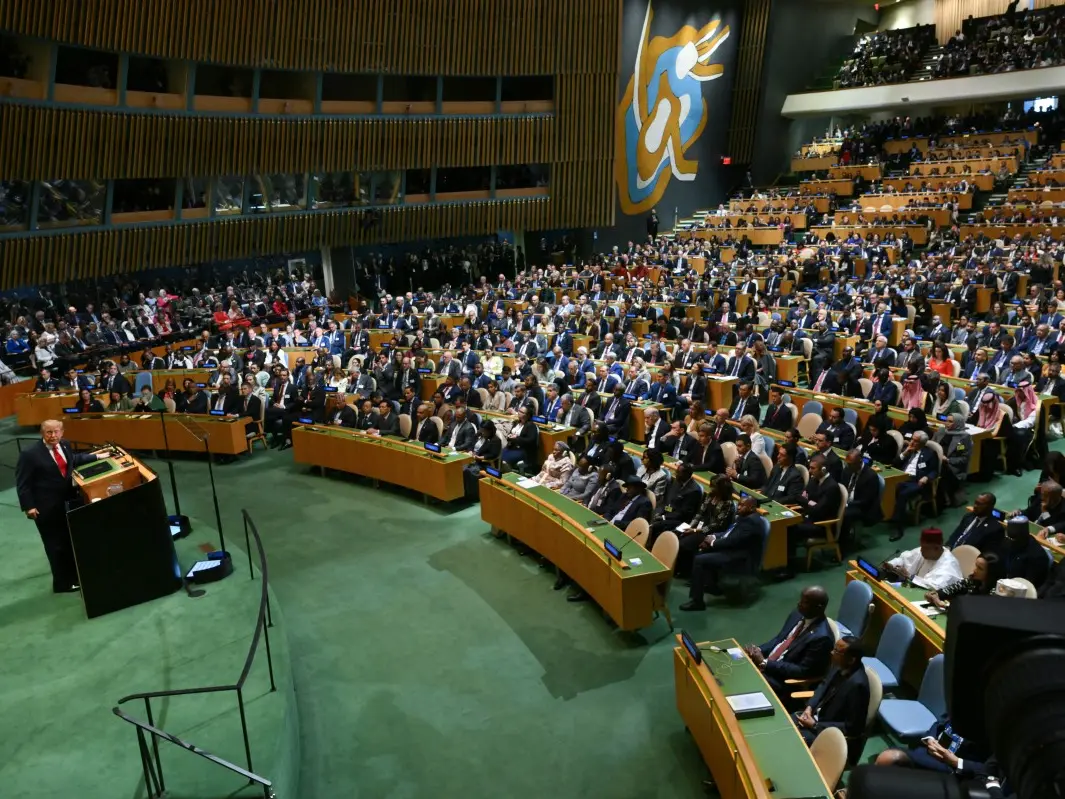
‘Strike a deal or drive Iran into hell’: Trump issues fresh warning to Tehran at UNGA
)
Trump calls Cuba a ‘failed state’ at UN, Cuban delegation walks out
)
Over 4,200 books withdrawn from circulation in J&K colleges, 94% from Kashmir
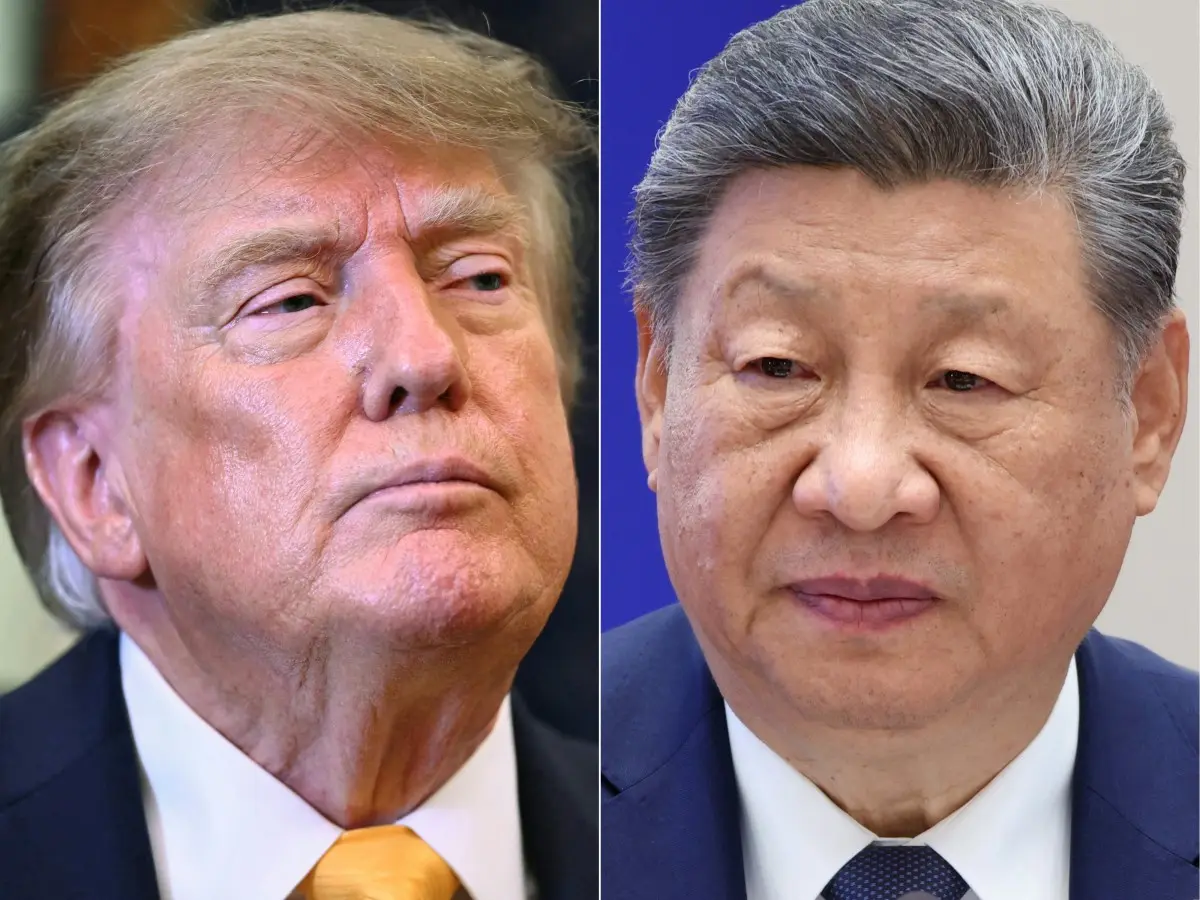)
Trump’s China visa crackdown puts US universities, Chinese students in focus ahead of Trump- Xi summit
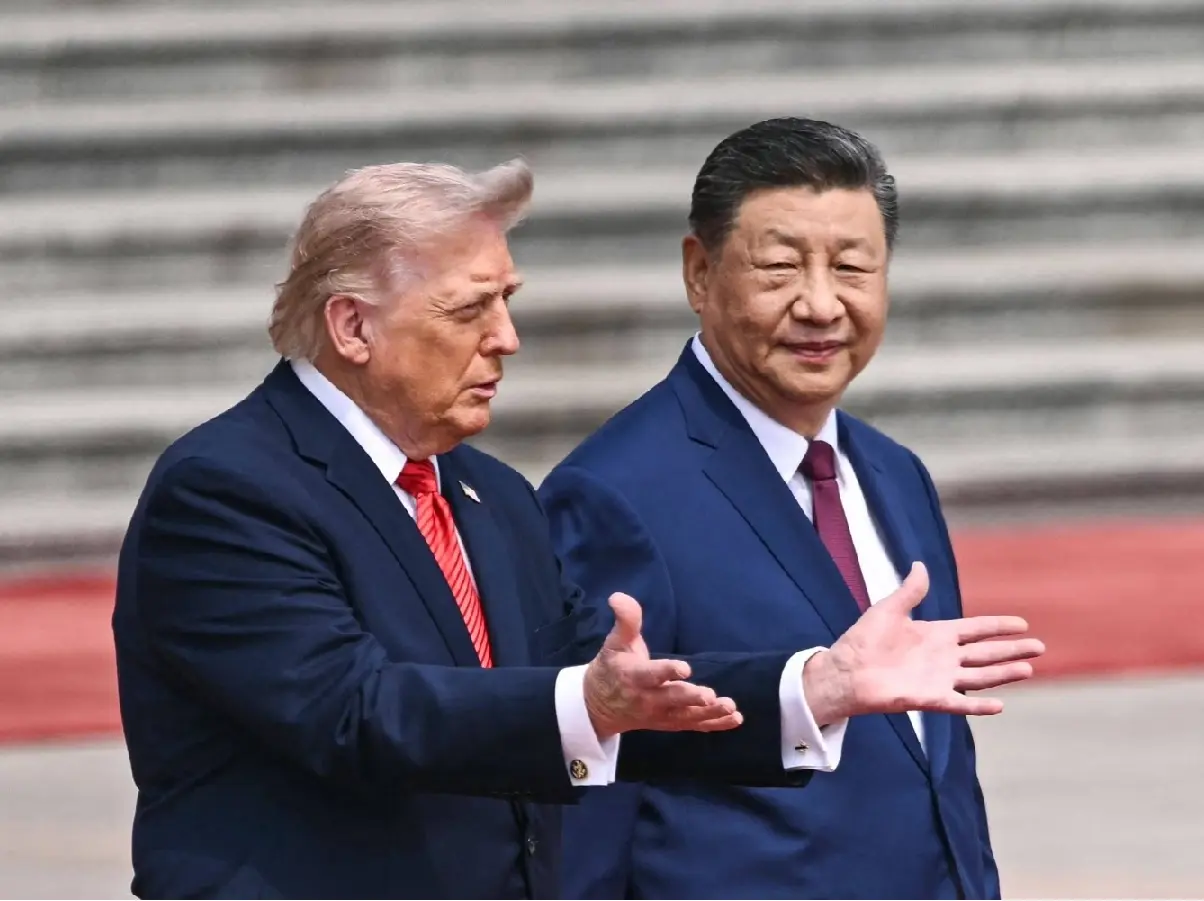)
Explainer: Why rare-earth export licences and Board of Trade are US priorities ahead of Trump-Xi summit
)
Oil slips to $98 as Saudi Arabia restarts East-West oil pipeline
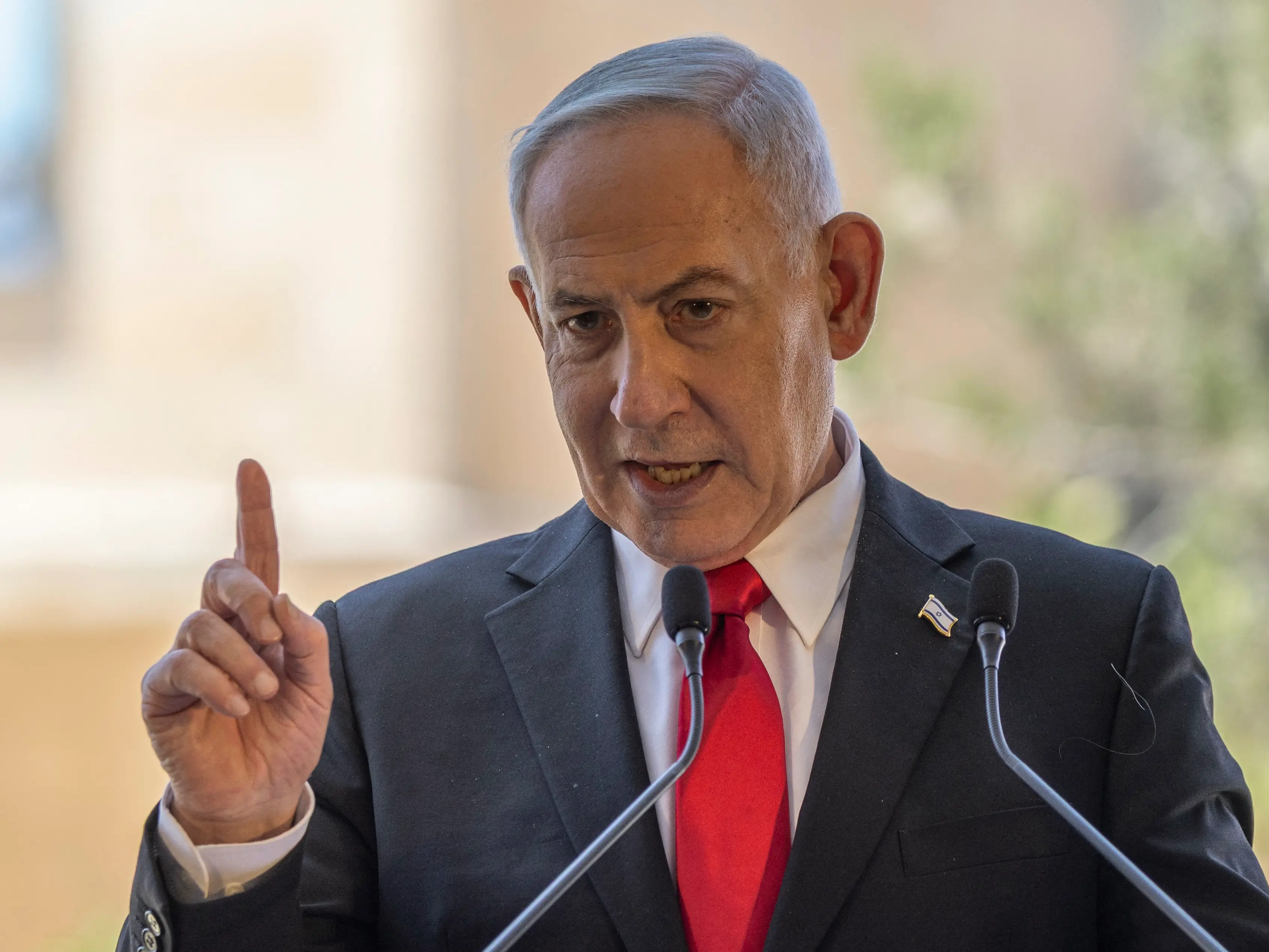)
‘Shame on you’: Netanyahu vows to ‘tell the truth’ about Mamdani at UN ahead of New York visit
A bench of justices B.V. Nagarathna and Augustine George Masih also observed that registration of a Hindu marriage under Section 8 of the Hindu Marriage Act facilitates proof of the marriage.
However, they said it does not confer legitimacy if the marriage was not solemnised according to Section 7 of the Act, which specifies the requirements for a valid Hindu marriage ceremony.
"A certificate of marriage is a proof of validity of Hindu marriage only when such a marriage has taken place and not in a case where there is no marriage ceremony performed at all," said the court.
Hindu Marriage is sacred, not an event for 'song-dance, wining-dining'
These observations were made as India's highest court decided on a petition filed by a wife seeking transfer of divorce proceedings against her.
While the case was ongoing, the couple came to a mutual understanding, filing a joint application seeking a declaration that their marriage was invalid.
They contended that no marriage ceremony took place, as they did not observe any customs, rites, or rituals.
They also said that, due to "certain exigencies and pressures", they had to obtain a certificate of solemnisation from Vadik Jankalyan Samiti (Regd.).
Based on this, they had then sought registration under the Uttar Pradesh Registration Rule, 2017 and a "Certificate of Marriage" was issued by the Registrar of Marriages.
The top court, after noting that the marriage was not solemnised, declared that there was no valid marriage.
"A Hindu marriage is a samskara [culture] and a sacrament which has to be accorded its status as an institution of great value in Indian society. Therefore, we urge young men and women to think deeply about the institution of marriage even before they enter upon it and as to how sacred the said institution is, in Indian society."
"A marriage is not an event for 'song and dance' and 'wining and dining' or an occasion to demand and exchange dowry and gifts by undue pressure leading to possible initiation of criminal proceedings thereafter," said the court.
Also read |100 stray dogs in Delhi receive paw-some doggy 'Aadhaar cards'. Here's all you need to know
In a conversation with WION, Neha Sonawane lawyer, founder - VaakyaLegal said, "Practice of Hinduism is not uniform and the customs differ as per caste culture, etc. On the one hand, we want uniformity in marriage laws for the protection of women and, on the other hand, reducing the importance of registration is counterproductive."
Sonawane argued that marriage registration "is the only step in Hindu law which could be said to be a commonality across castes, cultures etc. Registration of marriages not only serves as a better proof of marriage but also helps in controlling child marriage, and polygamy — marriages where the person married a second time without divorcing their first partner. It's essentially a constructive noticetotheworld."
"Having said that, the judgment is absolutely correct in noting that marriage is an important step and shouldn't beenteredlightly," she concluded.
(With inputs from agencies)

