Gyanvapi mosque: Muslim group moves India's top court against archeological survey

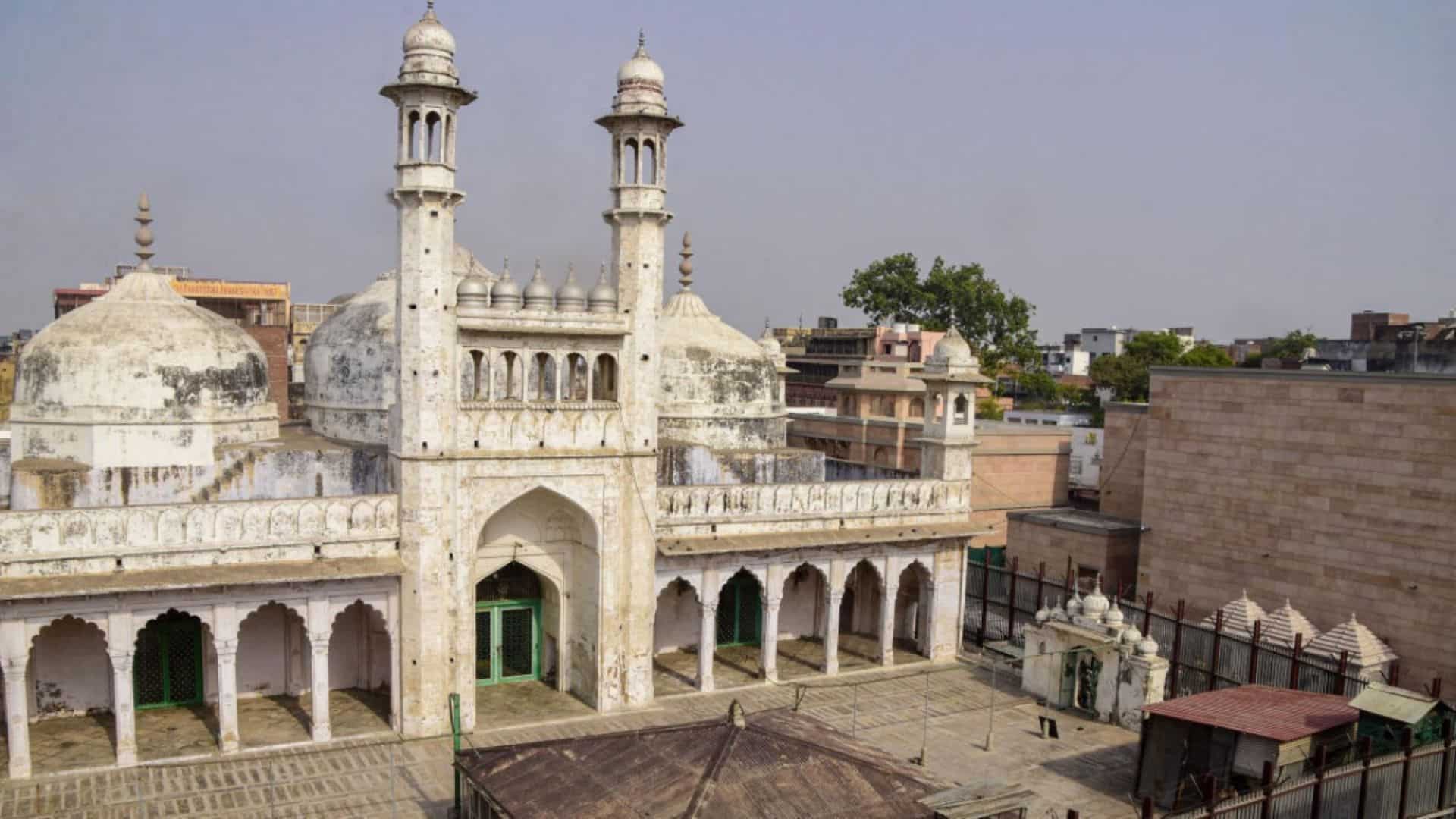
Gyanvapi mosque located in Varanasi
Following the decision by the Allahabad High Court to allow an archeological survey of the Gyanvapi mosque in north Indian city of Varanasi, the Muslim party involved is taking the matter to the Supreme Court.
The case revolves around the question whether there is a Shivling, a holy structure for Hindus, in the mosque compound. A group of Hindu petitioners had sought, and got permission from the lower court, to conduct a survey by Archaeological Survey of India (ASI), that will help determine if the structure is indeed a Shivling, or a fountain as the Muslim side claims.
Maulana Khalid Rasheed Farangi Mahli, a prominent member of the All India Muslim Personal Law Board, expressed optimism about achieving a just resolution for the historic mosque.

Highlighting the mosque's six-century history as a place of Muslim worship, he also emphasised the broader application of the Places of Worship Act to protect religious sites across the nation. While the court ruling prohibits excavation at the site, the Supreme Court remains an option for seeking further relief.
Court dismisses concerns: Survey approved with conditions
Earlier in the day, the Allahabad High Court rejected the apprehensions raised by the Muslim side that had argued that the ASI survey might cause harm to the mosque's structure. The court underscored the importance of the survey for ensuring fairness, but imposed specific conditions: the survey must be conducted without any digging or dredging.
&imwidth=180&imheight=135&format=webp&quality=medium)
Brendan Taylor overtakes Andy Flower to become Zimbabwe’s leading ODI run-scorer
&imwidth=180&imheight=135&format=webp&quality=medium)
No Kings' Instagram suspended during early-voting campaign
&imwidth=180&imheight=135&format=webp&quality=medium)
'Those who have destroyed must pay': Macron says France feels 'anger and shame' over protest violence
&imwidth=180&imheight=135&format=webp&quality=medium)
Researchers name newly discovered Andean plant after Argentina legend Lionel Messi
&imwidth=180&imheight=135&format=webp&quality=medium)
Lawrence Bishnoi gang claims responsibility for firing at Tiger Shroff over ties to Salman Khan
&imwidth=180&imheight=135&format=webp&quality=medium)
Flying car race: Alef Aeronautics welcomes Tesla Roadster '11 years' later, but are the two models the same?
&imwidth=180&imheight=135&format=webp&quality=medium)
2.5 lakh cap, 4-passenger limit: What is Delhi's new e-rickshaw draft policy
&imwidth=180&imheight=135&format=webp&quality=medium)
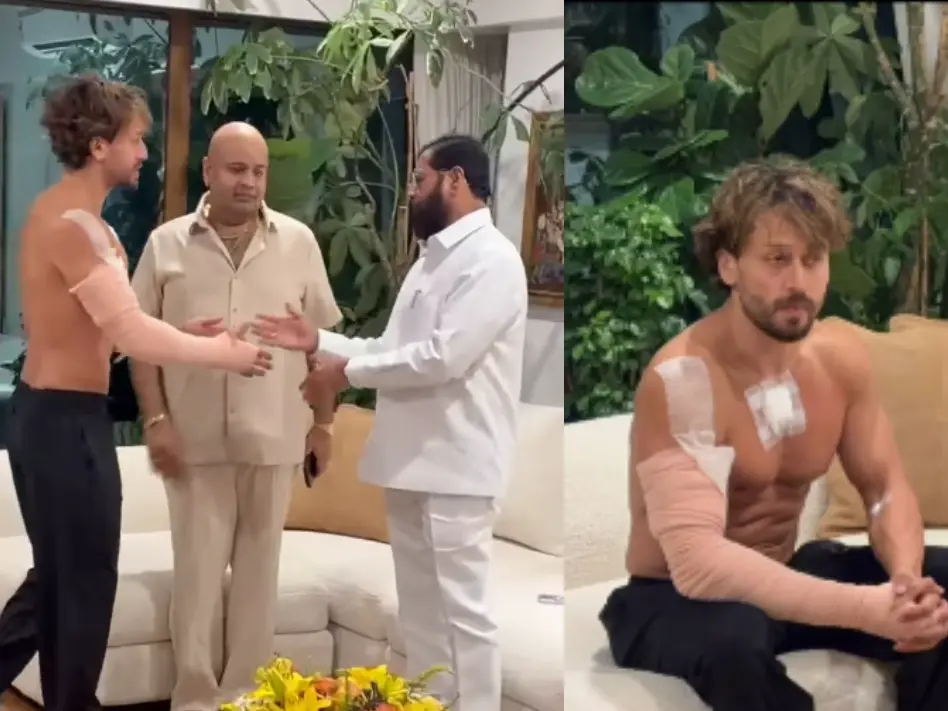
Tiger Shroff shows injuries after Juhu firing incident; Eknath Shinde says Mumbai won’t tolerate gang wars
&imwidth=180&imheight=135&format=webp&quality=medium)
Lizard people? Ex-US Army sniper claims soldier killed by 'reptilian beings' in battle near Area 51
&imwidth=180&imheight=135&format=webp&quality=medium)
NFl 2026/27 - Saints vs Steelers to go ahead in Paris next week despite protest
&imwidth=180&imheight=135&format=webp&quality=medium)
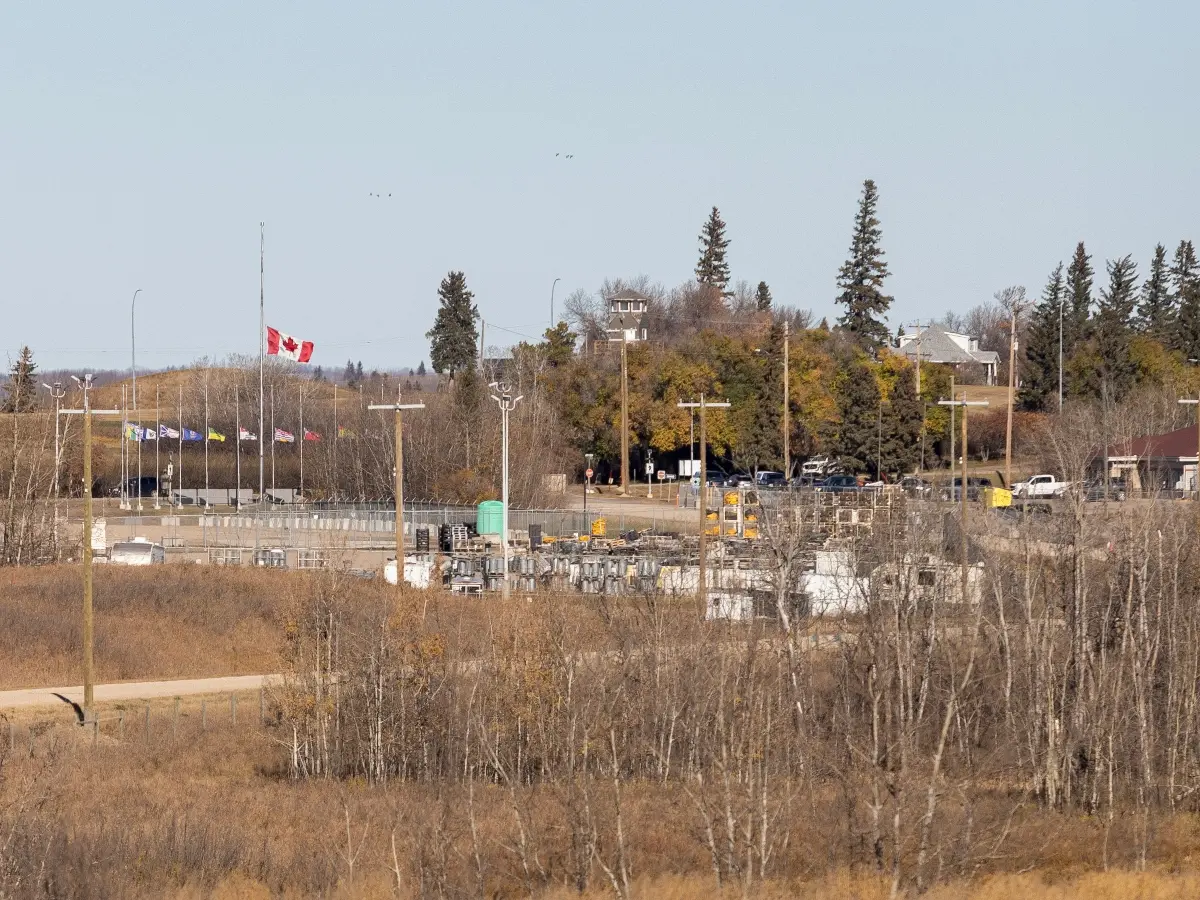
4 killed, 19 critically injured in grass fire at Canada's largest military base
&imwidth=180&imheight=135&format=webp&quality=medium)
Nobel laureate Machado, who dedicated prize to Trump, confirmed as Venezuela opposition leader
&imwidth=180&imheight=135&format=webp&quality=medium)
After Kennedy Center and reflecting pool disputes, Trump turns to Washington golf course plan amid legal battle
&imwidth=180&imheight=135&format=webp&quality=medium)
Why France looks the most fragile in the G7 amid protests and budget deadlock
&imwidth=180&imheight=135&format=webp&quality=medium)
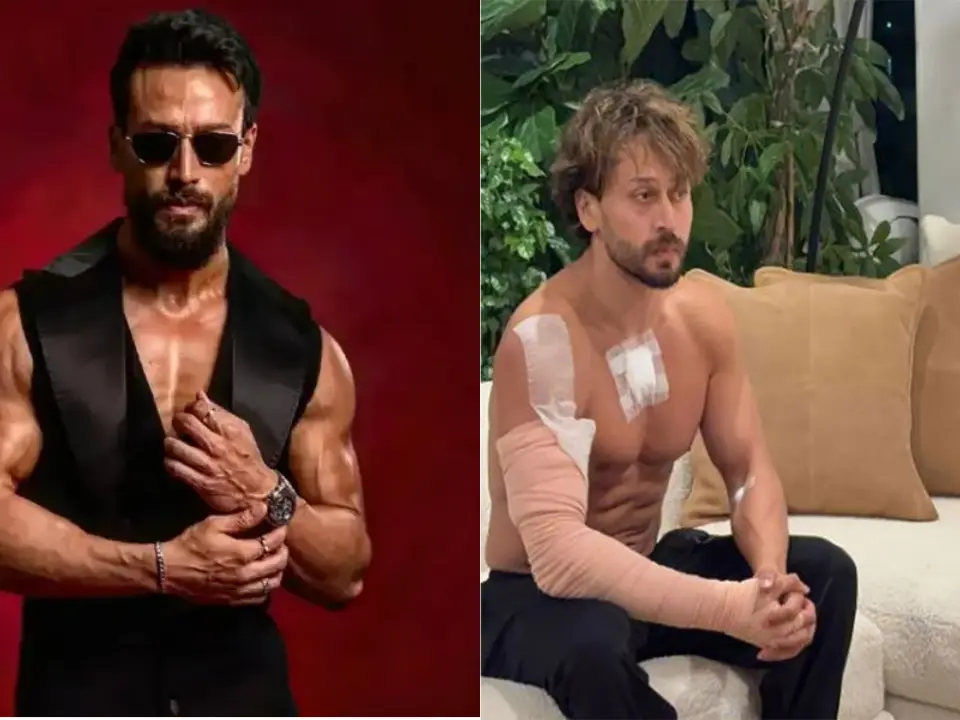
China responds to Trump's Press Secretary Katie Zacharia after toilet remark: 'Visit China more often'
&imwidth=180&imheight=135&format=webp&quality=medium)
Tiger Shroff firing incident update: All three shooters arrested from Kota railway station
&imwidth=180&imheight=135&format=webp&quality=medium)
Cattle feed found in biscuits of Indian company, FSSAI sends legal notice
&imwidth=180&imheight=135&format=webp&quality=medium)
Anthropic’s public benefit plan: What its 5% share commitment means for AI’s future
&imwidth=180&imheight=135&format=webp&quality=medium)
MI5 is opening an AI threat centre, and OpenAI just told MPs the worst isn't over
&imwidth=180&imheight=135&format=webp&quality=medium)
WATCH | iPhones, luxury perfumes floating in Hormuz? Iranian fishermen make bizarre discovery
&imwidth=180&imheight=135&format=webp&quality=medium)
Elon Musk features on Lucknow's 'anti-India' Ravan poster alongside Rahul Gandhi, Akhilesh
&im=FitAndFill=(700,400)&imwidth=180&imheight=135&format=webp&quality=medium)
New OTT releases this week (October 19-25, 2026): Gajab Raat to Chaar Yaar-8 titles to watch during Dussehra week on Netflix, Prime Video and more
&imwidth=180&imheight=135&format=webp&quality=medium)
Kylie Jenner makes Victoria’s Secret debut in $50 million diamond-encrusted design as Timothée Chalamet cheers
&imwidth=180&imheight=135&format=webp&quality=medium)
Putin seeks Trump-Xi summit on Ukraine war, proposes talks alongside APEC: Report
&imwidth=180&imheight=135&format=webp&quality=medium)
No Ravindra Jadeja, Yashasvi Jaiswal in India’s 2027 ODI World Cup plans: Report
&imwidth=180&imheight=135&format=webp&quality=medium)
India moves to buy 10,000 more AI chips for a national compute pool open to startups
&imwidth=180&imheight=135&format=webp&quality=medium)
Tiger Shroff attacked by three gunmen in Mumbai, actor safe, two injured
&imwidth=180&imheight=135&format=webp&quality=medium)
Anirudh Ravichander-Kavya Maran wedding: Telangana CM reveals Chennai reception date
&im=FitAndFill=(700,400)&imwidth=180&imheight=135&format=webp&quality=medium)
Tesla Roadster engineering: The hidden hardware behind its flying demonstration
&imwidth=180&imheight=135&format=webp&quality=medium)
US to review Russia sanctions waiver within 60 days as Rubio cites India’s ‘substantial’ Russian energy imports
&imwidth=180&imheight=135&format=webp&quality=medium)
'We feel like Mr India': Gujarat’s undercover SHE team guard garba nights at Navratri
&imwidth=180&imheight=135&format=webp&quality=medium)
Cattle-feed bran in biscuits, detergent in milk: FSSAI acts against 3 companies
&im=FitAndFill=(700,400)&imwidth=180&imheight=135&format=webp&quality=medium)
5 technologies that could make the Tesla Roadster one of the most unusual cars ever built
&imwidth=180&imheight=135&format=webp&quality=medium)
'It's a joy to see the makers bring it on such a grand scale': SS Rajamouli on Ramayana
&imwidth=180&imheight=135&format=webp&quality=medium)
Priest dies after crucifix falls on his head during livestreamed Mass in Ecuador | VIDEO
Hindu side's response: Implementation and plea dismissal
In response to the lower court verdict, Vishnu Shankar Jain, the lawyer representing the Hindu party, asserted that the ASI survey has gained approval, necessitating the immediate execution of the district court's order. The High Court dismissed the plea made by the Muslim side.
Legal background and previous actions
The Anjuman Mosque Committee had previously approached the high court, challenging the local Varanasi Court's directive to the ASI to survey the mosque premises. However, the 'wuzukhana' (ablution area) of the mosque was excluded from the survey.
Earlier, the Supreme Court had temporarily suspended the ASI survey until July 26, granting the Masjid committee time to approach the High Court. The Supreme Court directed the Masjid Committee to seek recourse in the Allahabad High Court to challenge the decision made by the Varanasi District Court.
The central legal argument presented by the Anjuman Intezamia Masjid Committee, in accordance with Article 136 of the Constitution, contests the Allahabad High Court's decision to uphold the admissibility of a lawsuit brought forward by Hindu worshippers in the Varanasi court.
Structural concerns and ASI reassurances
Amidst fears that the ASI survey could compromise the structural integrity of the historic mosque, the management committee of the Gyanvapi mosque has voiced concerns about potential deterioration during the survey. However, the ASI has assured that the mosque's architecture will remain unharmed, as the survey will employ non-intrusive radar mapping techniques.
WATCH WION LIVE HERE: