Delhi emerges as India’s most polluted region: Here's what CREA study finds more on major AQI breach

&imwidth=600&imheight=450&format=webp&quality=medium "Delhi emerges as India’s most polluted region: Here's what CREA study finds more on major AQI breach")
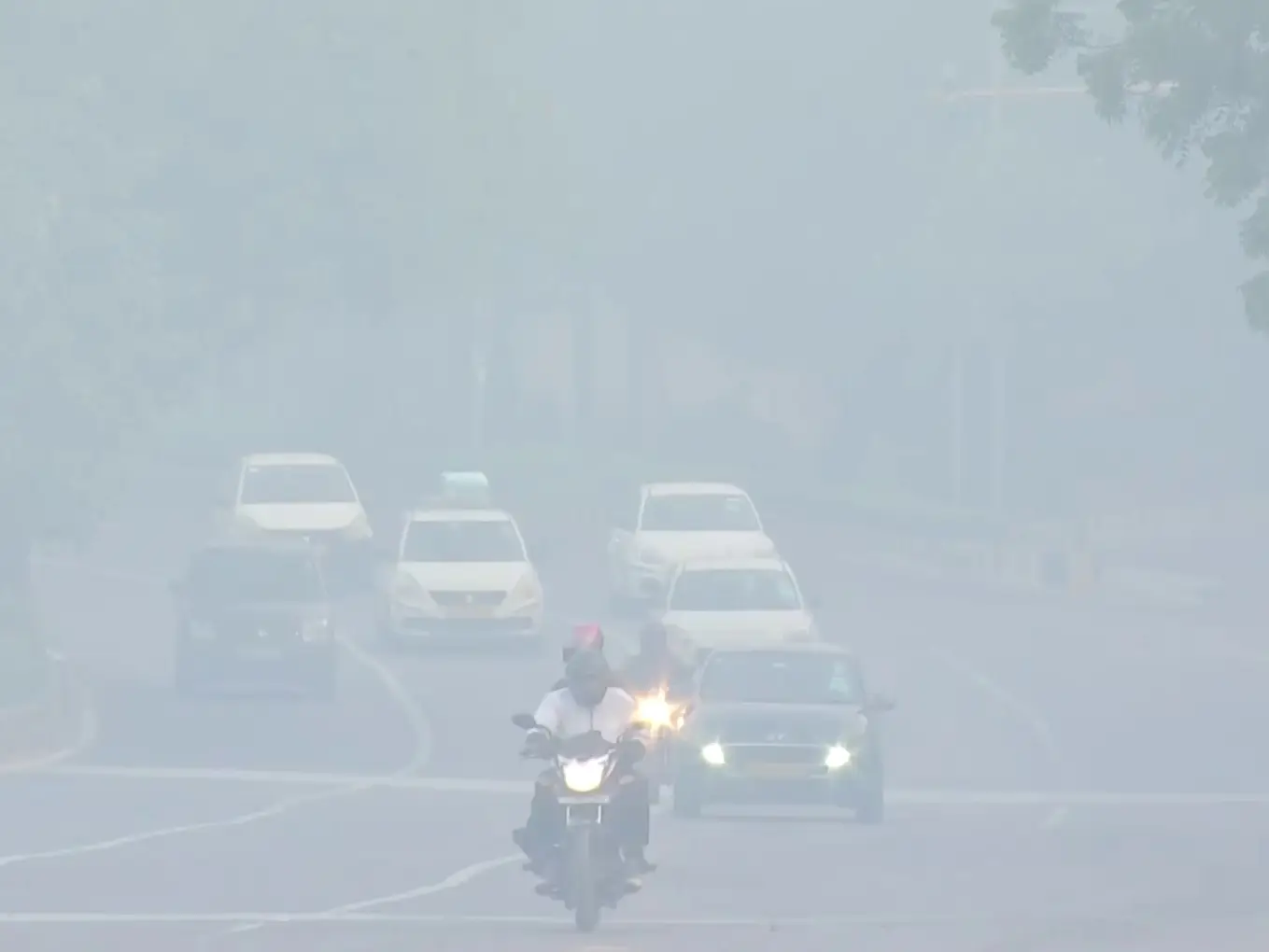
Vehicles commute on the Delhi's INA flyover as a layer of toxic smog blankets the city. Photograph: (ANI)
Delhi remains the worst-affected state in three of the four seasons, with a yearly population-weighted PM2.5 average of 101 µg/m³, nearly 2.5 times the national standard and 20 times the WHO benchmark.
Delhi has emerged as the most polluted state and Union territory in India, based on a new satellite-based assessment data released by the Centre for Research on Energy and Clean Air (CREA). The national capital registered an annual population-weighted PM2.5 level of 101 micrograms per cubic meter (µg/m 3 ), nearly 2.5 times higher than the national ambient air quality standard of the nation and 20 times higher than the recommended level of the World Health Organisation (WHO). The assessment also shows that the Indo-Gangetic Plains remain the country’s most polluted region.
The report also indicated that Delhi remains the worst-affected state in three of the four seasons, with a yearly population-weighted PM2.5 average of 101 µg/m³, 2.5 times the national standard and 20 times the WHO benchmark.
Annual satellite analysis discovered that 60 per cent of districts (447 out of 749) cross the NAAQS for the annual PM2.5 level of India, out of which none of these cities fulfil the World Health Organisation (WHO) guideline of 5 µg/m³. In addition, 11 districts of Assam and 11 districts of Delhi collectively account for nearly 50 per cent of the top 50 most polluted districts, followed by Haryana and Bihar with seven each.
Rise in pollution levels during winter
Delhi, Haryana, Himachal Pradesh, Punjab, Tripura, Meghalaya, and Chandigarh showed 100 per cent district-level violations of air-quality limits in every season except the monsoon.
PM2.5 breaches are most severe in winter, when 616 out of 749 districts (82 per cent) exceed the national standard. The exceedance remains high in summer with 405 districts (54 per cent), falls sharply during the monsoon to 74 districts (10 per cent), and rises again post-monsoon with 566 districts (75 per cent) recording levels above the norm.
Trending Stories
&imwidth=280&imheight=210&format=webp&quality=medium)
&imwidth=280&imheight=210&format=webp&quality=medium)
&imwidth=280&imheight=210&format=webp&quality=medium)
&imwidth=280&imheight=210&format=webp&quality=medium)
&imwidth=280&imheight=210&format=webp&quality=medium)
&imwidth=280&imheight=210&format=webp&quality=medium)
&im=FitAndFill=(700,400)&imwidth=280&imheight=210&format=webp&quality=medium)
&imwidth=280&imheight=210&format=webp&quality=medium)
&imwidth=280&imheight=210&format=webp&quality=medium)
&imwidth=280&imheight=210&format=webp&quality=medium)
&imwidth=280&imheight=210&format=webp&quality=medium)
&imwidth=280&imheight=210&format=webp&quality=medium)
&imwidth=280&imheight=210&format=webp&quality=medium)
&imwidth=280&imheight=210&format=webp&quality=medium)
&imwidth=280&imheight=210&format=webp&quality=medium)
&imwidth=280&imheight=210&format=webp&quality=medium)
&imwidth=280&imheight=210&format=webp&quality=medium)
&imwidth=280&imheight=210&format=webp&quality=medium)
&imwidth=280&imheight=210&format=webp&quality=medium)
&imwidth=280&imheight=210&format=webp&quality=medium)
&imwidth=280&imheight=210&format=webp&quality=medium)
&imwidth=280&imheight=210&format=webp&quality=medium)
&imwidth=280&imheight=210&format=webp&quality=medium)
&imwidth=280&imheight=210&format=webp&quality=medium)
&imwidth=280&imheight=210&format=webp&quality=medium)
&imwidth=280&imheight=210&format=webp&quality=medium)
&imwidth=280&imheight=210&format=webp&quality=medium)
&im=FitAndFill=(700,400)&imwidth=280&imheight=210&format=webp&quality=medium)
&imwidth=280&imheight=210&format=webp&quality=medium)
&imwidth=280&imheight=210&format=webp&quality=medium)
&imwidth=280&imheight=210&format=webp&quality=medium)
&imwidth=280&imheight=210&format=webp&quality=medium)
&imwidth=280&imheight=210&format=webp&quality=medium)
&imwidth=280&imheight=210&format=webp&quality=medium)
&imwidth=280&imheight=210&format=webp&quality=medium)
&imwidth=280&imheight=210&format=webp&quality=medium)
Southern states, which maintain annual PM2.5 concentrations below the national limit, have an opportunity to adopt tougher, region-specific standards and move closer to the WHO’s interim air-quality targets.

