'Mother of all deals': India, EU FTA finalised, formal announcement on January 27

&imwidth=600&imheight=450&format=webp&quality=medium "'Mother of all deals': India, EU FTA finalised, formal announcement on January 27")
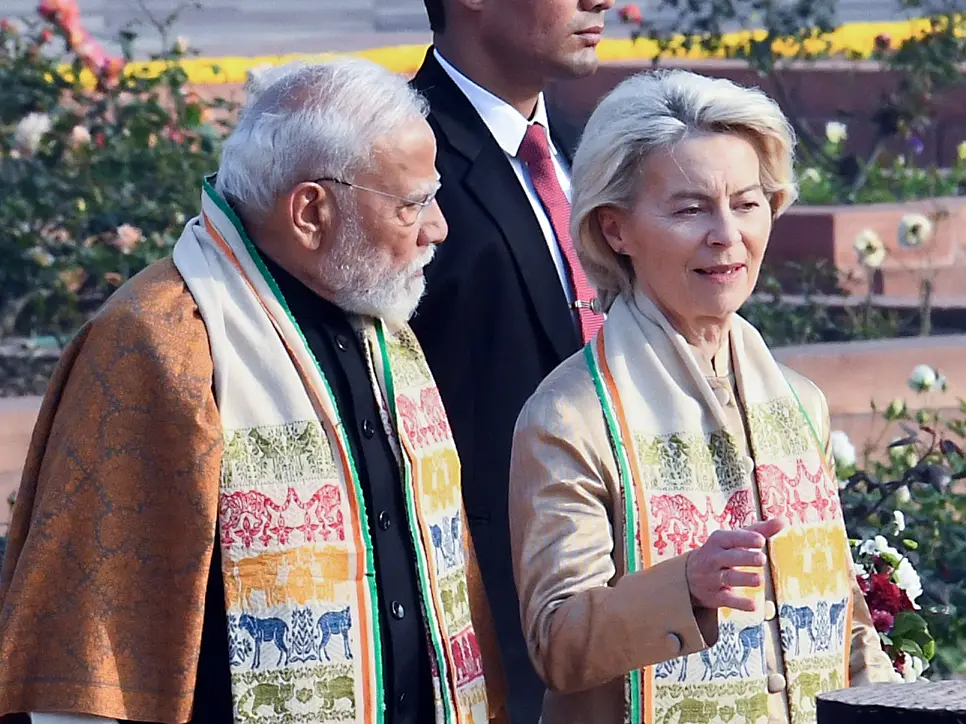
President of the European Commission Ursula von der Leyen in conversation with Prime Minister Narendra Modi Photograph: (ANI)
India and the EU have finalised a landmark free trade agreement, paving the way for deeper economic ties, lower tariffs, and expanded market access
India and the European Union have wrapped up negotiations on their long-pending Free Trade Agreement, Commerce Secretary Rajesh Agrawal confirmed on Monday (January 26). The agreement, expected to be formally unveiled on Thursday (January 27), has been described as equitable and future-focused, aimed at strengthening India’s economic ties with Europe. Agrawal said the agreement is complete and will likely come into effect next year. The legal review of the text is expected to take five to six months, after which the pact will be officially signed. He added that the deal is poised to significantly boost bilateral trade and investment flows.
The announcement coincides with the visit of European Council President Antonio Costa and European Commission President Ursula von der Leyen to New Delhi, where they attended the 77th Republic Day celebrations and the 16th India-EU Summit. Prime Minister Narendra Modi welcomed the EU leadership, noting that their presence reflects the deepening partnership between India and the bloc. The European Commission echoed this sentiment in a post on X, highlighting shared ambitions to address global challenges and advance cooperation at the upcoming summit.
Why did talks move quickly?
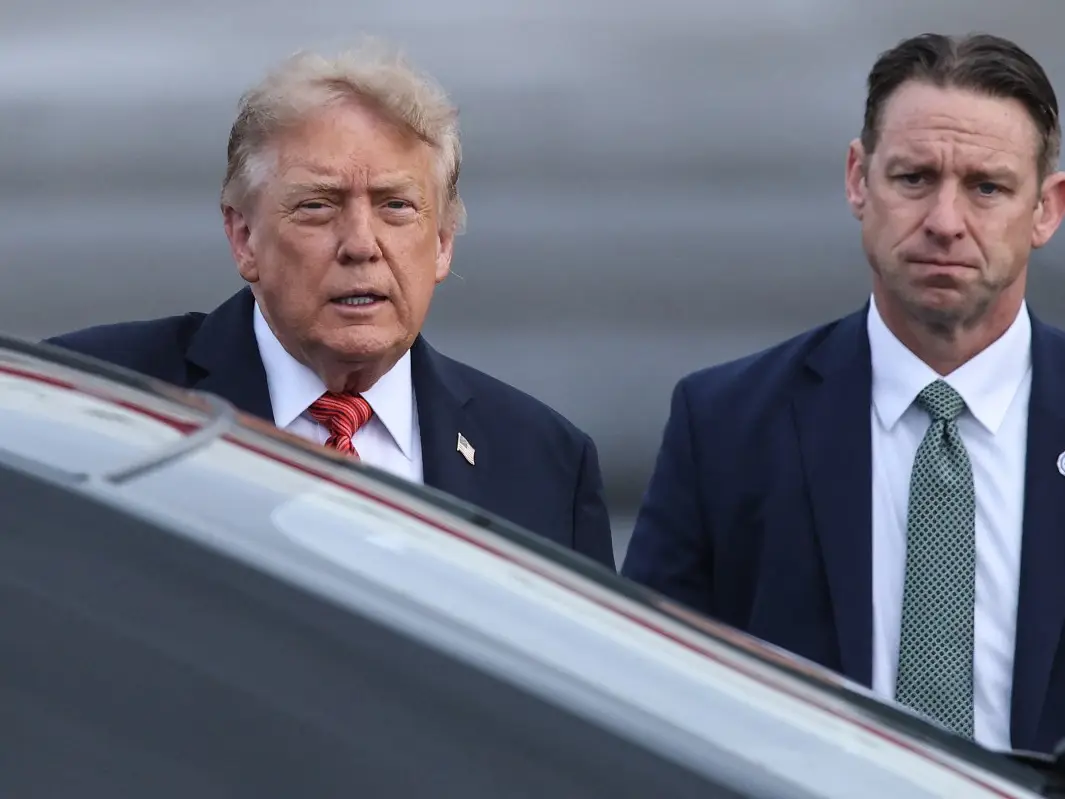
Momentum for the deal accelerated after Modi and von der Leyen agreed last year to speed up negotiations. Trade talks, which resumed in 2022 after being stalled for nearly a decade, gained urgency amid shifting global trade dynamics, including higher US tariffs under President Donald Trump. Meanwhile, negotiations on a potential India-US trade pact remain unresolved. Final discussions reportedly centered on automobiles and steel. The EU pushed India to substantially lower import duties on European cars, which currently exceed 100%. India, in turn, sought relief from EU restrictions affecting its steel exports. According to news agency Reuters, New Delhi may cut tariffs on EU car imports to about 40%, down from levels as high as 110%. However, certain agricultural and dairy products were kept outside the agreement, as India aims to shield its farming sector from external competition.
EU calls it the ‘mother of all deals’
Trending Stories
)
)
)
)
)
)
)
)
)
)
)
)
)
)
&im=FitAndFill=(700,400))
&im=FitAndFill=(700,400))
&im=FitAndFill=(700,400))
)
)
)
)
)
)
)
)
)
)
)
)
)
)
)
)
)
)
)
)
)
)
EU Trade Commissioner Maros Sefcovic said the agreement could open up vast opportunities for European businesses, referring to it as the “mother of all deals,” a phrase earlier used by Ursula von der Leyen. He noted that negotiators were finalising figures as the EU pressed for reductions in India’s high import duties, which can reach 150% in some categories. Sefcovic said the deal would create one of the world’s largest free trade areas, covering nearly two billion people, while easing customs barriers for European goods in India. Sensitive sectors have been deliberately excluded to ensure consensus and deliver tangible benefits.
Calling it the biggest trade agreement ever, he pointed out that nearly 6,000 European companies already operate in India, with bilateral trade growing rapidly over the past decade. EU officials see the pact as a strategic effort to reduce reliance on the US and China, while Indian policymakers view it as a step toward attracting foreign investment and expanding market access. European Commission Vice-President Kaja Kallas also highlighted expanding cooperation beyond trade, including security and defence, noting that EU naval personnel took part in India’s Republic Day parade for the first time.

