
&imwidth=800&imheight=600&format=webp&quality=medium "Male fertility decline: Why more IVF cases now start with male evaluation")
As society moves deeper into a technological world, lifestyle changes in eating habits, sleep patterns, work routines and physical activities are increasingly affecting overall health and longevity. While technological advancement has brought convenience, it has also contributed to a rise in lifestyle-related health issues.
These shifts are affecting multiple organs and systems that include heart health due to sedentary habits, lung function because of air pollution, liver health linked to poor diet and hygiene, and fertility in both men and women due to changes in lifestyle and daily routine. The collective effect is a growing burden of health-related issues that affect quality of life throughout one's lifespan.
If we specially talk about fertility issue, currently, male fertility are declining more than female due to a combination of aging (reduced testosterone, increased sperm DNA damage), lifestyle factors (poor diet, smoking, stress, obesity, alcohol), environmental toxins (plastics, pesticides), medical conditions (diabetes, infections, varicocele), and hormonal imbalances, all leading to lower sperm quality, count, and motility over time, impacting the ability to conceive.

Medical experts cite multiple reasons for male fertility issues
Several medical experts indicated that male fertility issue is driven by lifestyle changes, delayed parenthood and growing clinical evidence of sperm-related issues. “For a long time, infertility evaluations began with women, and the reasons for the inability to conceive were largely assumed to lie with the female. Today, about half of the infertility cases have male issues as the primary factor,” said Dr Navina Singh, Fertility Specialist at Birla Fertility & IVF, Mumbai, highlighting how modern lifestyle and environmental factors are reshaping fertility patterns.
"What we are seeing is not just low sperm counts, but issues with motility, morphology and DNA integrity, often in men who are otherwise healthy and relatively young. Lifestyle plays a significant role here. Long hours of sitting, chronic stress, poor sleep, smoking, alcohol use, heat exposure from laptops or hot baths, and low physical activity all affect sperm production. Unlike eggs, sperm are produced continuously, which makes it possible for them to adapt to changes. Hence, early evaluations and targeted interventions can benefit greatly," she added.
Trending Stories
)
Why asking questions could be more important than memorising answers
)
Did India risk its US trade deal despite softer stance at BRICS?
&im=FitAndFill=(700,400))
How 2nm technology improves iPhone performance
&im=FitAndFill=(700,400))
Shahid Kapoor to Rajkummar Rao: Actors who rule both theatres and OTT
)
BRICS Summit 2026: Trump wants to weaken BRICS, but maybe doing the opposite
&im=FitAndFill=(700,400))
Meet top 5 batters fastest to 3000 runs in T20Is
)
Did BRICS Summit 2026 prove that an 11-member bloc with India and China in it can still agree on key issues?
)
Top 5 places to visit in Goa beyond its famous beaches
)
Delhi’s balancing act: BRICS serves as a stage for West Asia diplomacy
&im=FitAndFill=(700,400))
Why European Meteor missiles use ramjet engines compared to standard US solid rockets
)
'He is popular...': Malaysian PM Anwar Ibrahim's praise for PM Modi during bilateral meeting | WATCH
)
Iran, India agree to deepen humanitarian and political ties, President Pezeshkian says
)
‘Want to reset ties with India, have engagement based on mutual interests,’ says Bangladesh minister
)
BRICS Summit 2026: PM Modi, Xi reach key consensus on ties, China to assume BRICS chairmanship in 2027
)
UK breakup on the cards? Scotland, Wales and Northern Ireland push for independence
)
Russia-Ukraine-US talks in October? Kremlin says not ruling out possibility of trilateral
)
Trump says Canada eager to reach a deal, it could come ‘fairly soon’ if Ottawa treats US farmers better
)
The Verdict | Africa is too big to remain a guest at the BRICS table
)
‘Partners, not rivals’: Xi outlines four point plan for stronger India-China ties
&im=FitAndFill=(700,400))
Why Chinese PL-15 air-to-air missiles use dual-pulse motors compared to European interceptors
)
NATO under Russian threat? Drone strikes just 2 km from Poland, narrow escape for former UK PM, CIA chief
)
Who is the smiling man beside Modi, Putin and Xi at BRICS Summit 2026?
)
BRICS Summit: New Delhi declaration adopted with full consensus, big diplomatic win for India
)
800 million years old - Scientists discover 'fingerprints' of supercontinent Gondwana in ancient rocks
)
Russian drone hits Warsaw-bound train near Polish border, Zelensky accuses Moscow of ‘deliberate’ targeting
)
War is making Russia stronger? How Ukraine is shaping Moscow’s next generation of weapons
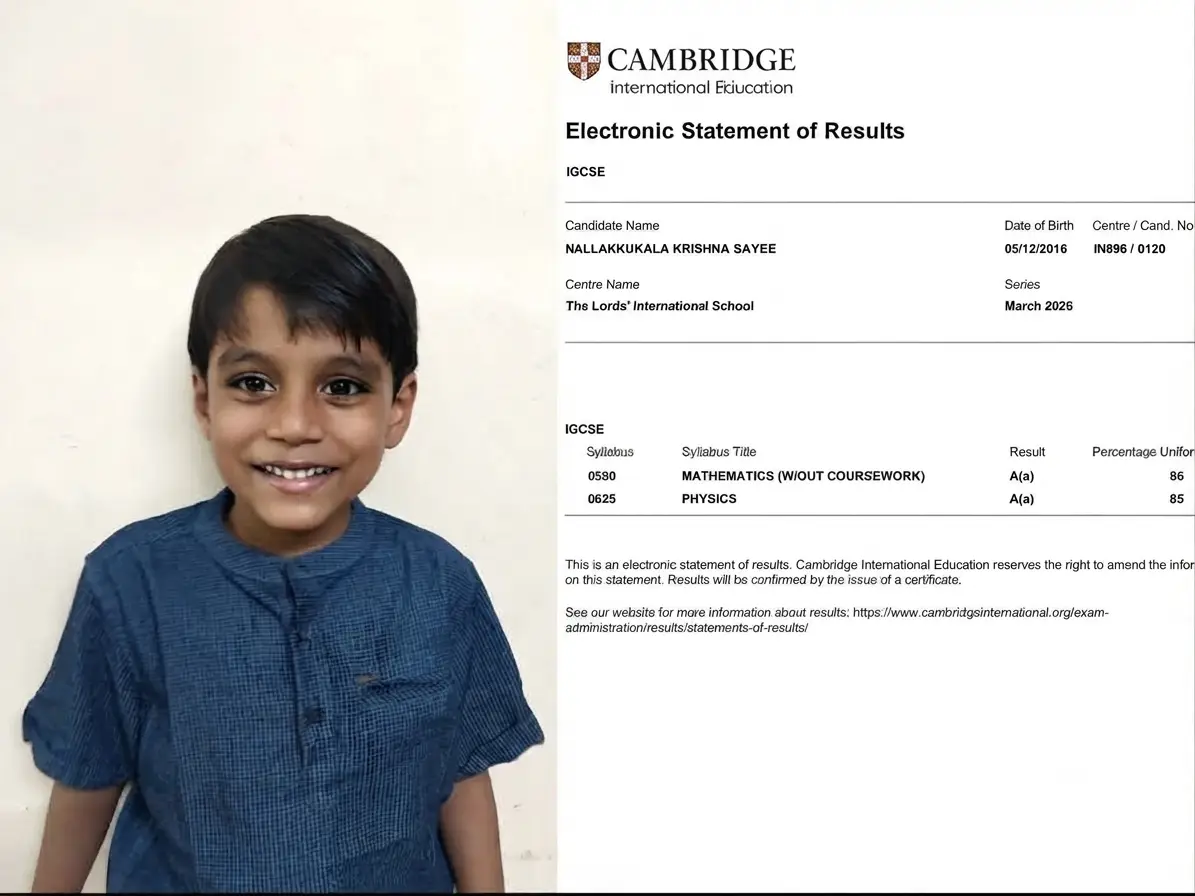)
9-year-old Chennai prodigy clears Cambridge IGCSE grade 10 exams
)
Indian importers urge Bangladesh to lift export ban on 'Hilsa' fish ahead of Durga Puja
)
Humans may lose control of AI: Anthropic CEO calls for slowdown, Altman, Musk back him
)
US diplomat accused of possessing child abuse images secretly flown out of UK by US Marines
)
BRICS Summit 2026: Modi-Xi moment highlights India-China thaw at BRICS
)
Why does your skin need protection from UV rays?
&im=FitAndFill=(700,400))
From Rinku Singh to Mayank Yadav, 5 players dropped from India’s squad for Afghanistan T20Is
)
PM Modi and China's Xi offered to help resolve Russia-Ukraine war: Kremlin
)
Akram, Afridi, Mushtaq tear into PCB after Pakistan’s Test series collapse in UK
She noted that clinicians are now encountering not just low sperm counts but also problems related to motility, morphology and DNA integrity, even among young, otherwise healthy men.
"There is also greater clinical awareness now. Semen analysis is simple, non-invasive and informative. Starting with male evaluation saves time, emotional strain and unnecessary interventions for women. In IVF, early identification of sperm-related issues allows clinicians to choose the right approach – whether that is lifestyle correction, medical treatment, ICSI, or additional testing for sperm DNA damage," Dr Navina Singh also said.
"Another important reason male evaluation is taking centre stage is delayed parenthood. Just like women, age affects men, too. While sperm production continues, quality declines with time, and genetic integrity becomes more relevant, particularly in repeated IVF failures or early pregnancy losses. This shift does not mean infertility is ‘becoming a male problem’. It means fertility care is becoming more balanced and evidence-driven. When male factors are identified early, treatment becomes more targeted, outcomes improve, and couples move forward with clearer expectations. That change alone has altered how IVF pathways now begin," she further added.
Echoing similar concerns, Dr Namrata Gupta, Senior Consultant – Obstetrics & Gynaecology at CK Birla Hospitals, Jaipur, warned that modern digital habits are accelerating fertility decline among younger men.
“Welcome to the era of nonstop screens, energy drinks, late nights, and 'I’ll sleep later.” As a clinician, I’m seeing the fallout, and it’s real. Men in their 20s and early 30s are showing fertility profiles that once belonged to men in their 40s. One 29-year-old gamer and coder came in shocked: “I’m fit, I don’t smoke.” But his laptop lived on his lap, his phone never left his pocket, and sleep came after midnight every day. His sperm didn’t stand a chance.
Continuously raised testicular temperature just enough to slow sperm production and damage DNA. Think of it like overheating a phone battery; it still works, but performance drops fast. Now add screen overload. Late-night scrolling and gaming mess with melatonin, crash testosterone levels, and spike stress hormones. The result? Oxidative stress, a biological “rusting” process that breaks sperm DNA and reduces fertilisation potential. Low sperm count, poor motility, erectile issues, mood swings, and irritability are becoming part of the same story," Dr Namrata said.
She stated that beneath the surface, Chronic lifestyle stress, mental, hormonal, and metabolic, is disrupting the male reproductive axis. Cortisol also gets high due to long work hours, performance pressure, and digital overload, resulting in suppression of testosterone. She clarified that due to low testosterone, erections, libido, confidence, and emotions of people are affected. "That 'short temper' or constant irritation many men report? Often hormonal, not just psychological. Substance use is another accelerator. Alcohol may feel like a stress reliever, but it directly impairs testosterone synthesis, increases estrogen levels, and damages sperm DNA," she also said.
"Recreational drugs, including cannabis, anabolic steroids, vaping, and stimulants, interfere with spermatogenesis and can cause erectile dysfunction by disrupting nerve signalling and blood flow. Steroid abuse, in particular, can shut down natural sperm production entirely. Sleep deprivation and erratic routines worsen the damage. Testosterone peaks during deep sleep. Miss that window repeatedly, and the body starts conserving reproduction is the first system it downregulates."
"The good news? The male body is responsive when given a chance. Start with strength training rather than excessive cardio, as muscle improves insulin sensitivity and testosterone. Sunlight exposure boosts vitamin D, which correlates with better sperm parameters and erectile function. Hydration matters more than supplements; semen volume and viscosity depend on it. Add micronutrients intentionally: zinc for testosterone, magnesium for nerve function, omega-3s for sperm membrane integrity, and antioxidants to counter oxidative stress. Practice digital detox windows. Breathwork and mindfulness aren’t trends; they directly lower cortisol."
"Finally, seek evaluation early. Fertility, erections, mood, and behaviour are connected systems, not separate problems. Ignoring them doesn’t make you strong; it delays recovery. In this generation, fertility isn’t declining because men are weak. It’s declining because modern life is loud, fast, and biologically mismatched. Remember: sperm regenerate every ~74 days, so changes today show results in weeks. Fertility isn’t old-school or “uncool.” Protecting sperm is future planning," she further said.
Sonu Taxak, Senior IVF Consultant & Director, Yellow Fertility, also said that male factors now play a significant role in infertility cases, ranging from low sperm count and poor motility to abnormalities in sperm shape and DNA integrity. This shift is being driven by changing lifestyles, environmental exposures and delayed parenthood, all of which are affecting male reproductive health.
"There has recently been a recognition within fertility practice that the evaluation of male reproductive health has to be conducted right at the beginning of infertility management. This shift is being driven by a documented decline in male fertility, with male factors solely accounting for nearly 20% of infertility cases and contributing to an additional 30–40% of cases overall. Evidence shows male infertility contributes to a significant infertility cases, and an increasing trend among those who have reduced sperm count, motility, morphology, or DNA quality," she added.
"Age is an important and often underestimated factor. While men do not have a sharp reproductive decline, there is a progressive decline in sperm quality after age 40. Furthermore, there is a decline in motility, an increase in DNA fragmentation, and a risk of genetic abnormalities. These are known to affect natural conception as well as conception via IVF. On the other hand, delayed childbearing is a growing phenomenon because of professional and social reasons, and thus, age-related decline of male fertility is a rising concern now," she also said.
"Besides age, lifestyle and environmental factors such as sedentary lifestyles, obesity, smoking, drinking, chronic stress, poor sleep hygiene, and exposure to environmental toxins and heat impact the production and quality of sperm. In the clinical setting, it would not be unusual to find all of these factors to be present yet unidentified until a ‘structured male evaluation’ could be conducted. If male fertility evaluation is postponed, patients may be directed to proceed with IVF or ICSI, thereby neglecting conditions in males that may affect fertility outcomes. Beginning fertility treatment with a male fertility will enable us to address conditions that can be amenable to treatment before we proceed, thereby saving unnecessary burden on women," she further added.

