India's new oil route: Sohar & Fujairah bypass the Hormuz chokepoint | Gravitas

&imwidth=600&imheight=450&format=webp&quality=medium "India's new oil route: Sohar & Fujairah bypass the Hormuz chokepoint | Gravitas")
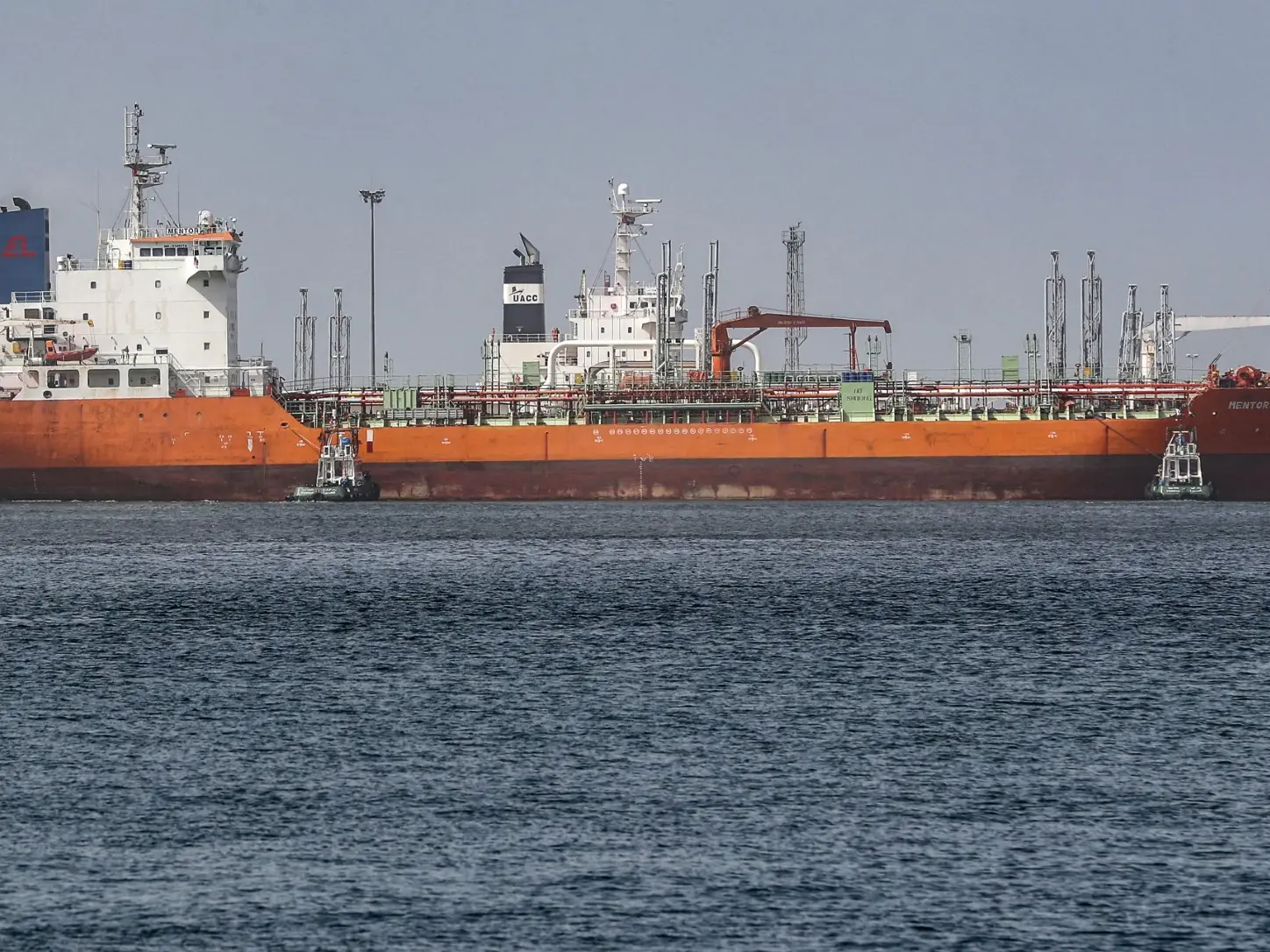
A picture showing a view of the port of Fujairah in the Gulf emirate. Photograph: (AFP)
As the Strait of Hormuz faces disruption, Oman’s Sohar and the UAE’s Fujairah ports are emerging as key alternative routes for India’s energy trade.
The virtual closure of the Strait of Hormuz due to the Iran war has become a critical pressure point for global energy, forcing countries to look for alternative routes.
India, for instance, depends on this strategic waterway for a significant share of its crude oil, LPG and LNG imports.
In this scenario, two key ports are becoming central to bypassing Hormuz.
First is the port of Fujairah, which is located on the UAE's eastern coast and serves as one of the world's largest crude oil storage hubs.
The other port which has come under focus is Oman's Sohar, which handles bulk cargo, petrochemicals and container traffic.
Located outside Iran's jurisdiction, these ports provide an opportunity for bypassing Hormuz and facilitating ship-to-ship transfers and energy exports.
Trending Stories
)
)
)
)
)
)
)
)
)
)
)
)
)
)
)
)
)
)
)
)
)
&im=FitAndFill=(700,400))
)
)
)
)
)
)
&im=FitAndFill=(700,400))
)
)
)
)
)
)
)
)
Now, ship-to-ship transfers serve as a critical logistical option when direct port access is blocked or restricted.
This is the case currently, with the U.S. naval blockade and Iran's closure of Hormuz.
Ship-to-ship essentially refers to the direct transfer of cargo such as crude oil and LNG between two vessels at sea.
These vessels usually turn off their trackers to avoid detection.
Sohar port in particular has emerged as a key gateway for India for its trade with West Asia.
According to reports, feeder vessel services between India and Sohar port have quadrupled since the beginning of the Iran war to cater to Indian cargo.
The port reportedly recorded a 52 per cent growth in the first half of this year.
Because of its strategic location, vessels from Indian ports can sail directly across the Arabian Sea and reach Omani shores without entering the narrow passage of Hormuz.
This significantly lowers operational costs and risks and eliminates delays caused by maritime threats.
Additionally, Sohar is connected to Saudi Arabia via a secure green land corridor.
Thus, during times of heightened risk, cargo can be unloaded at this port and then transferred via land route to other countries.
Oman has also been pitching investment opportunities for a free zone, which is an industrial and logistics hub adjoining this port.
This port's importance in the current crisis is not limited to India alone.
Saudi Arabia has also turned to Sohar for moving crude oil to international markets, especially after operations of its East-West pipeline were disrupted.
According to Reuters, Riyadh has planned to move around 60 million barrels of crude oil through ship-to-ship transfers at Sohar during September and October.
This assumes significance as Houthis have imposed a maritime blockade of Saudi Arabia in the Red Sea.
Now, the quest to diversify the global energy supply chain is also being seen as an imperative by the West.
A few hours earlier, U.S. President Donald Trump threw his weight behind the India-Middle East-Europe Economic Corridor or IMEC, saying that it would help shift energy infrastructure away from Iranian checkpoints.
The proposed corridor comprises an eastern corridor, connecting India with West Asia and a northern corridor connecting West Asia with Europe to boost connectivity and trade across the three regions.
Amid strong bilateral ties, with the India-Oman Comprehensive Economic Partnership Agreement taking effect in June this year, ports like Sohar provide a vital logistical option for India in this environment of uncertainty.