Why is this place known as the 'Door to Hell'?

&imwidth=600&imheight=450&format=webp&quality=medium "Why is this place known as the 'Door to Hell'?")
Door to Hell Photograph: (Wikimedia Commons)
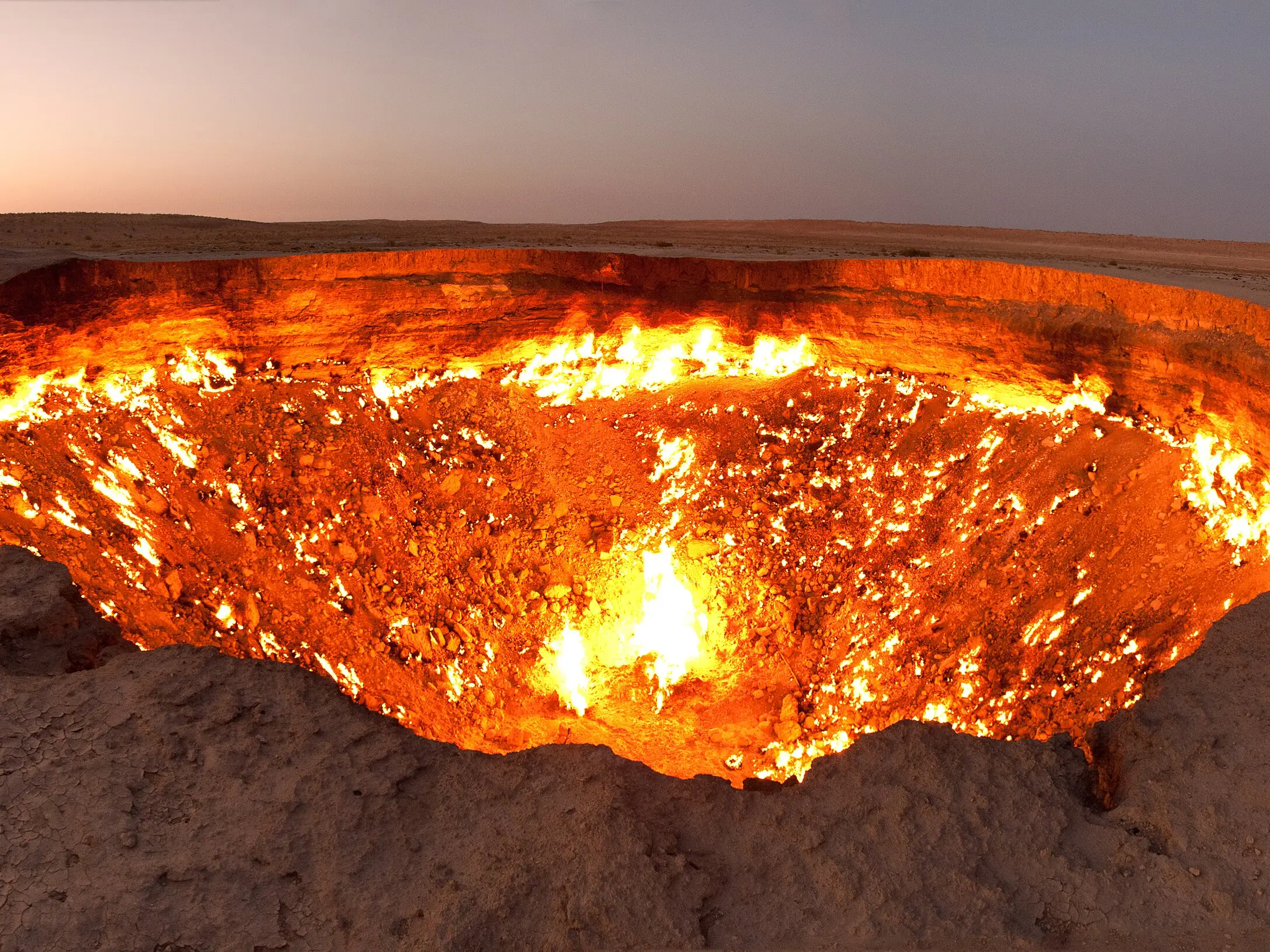
Turkmenistan’s Darvaza gas crater has been burning continuously since 1971. Created by a Soviet drilling collapse, scientists ignited the leaking methane, expecting it to burn out in weeks. Over 50 years later, the fiery sinkhole remains a highly unique Central Asian landmark.
In the heart of the Karakum Desert in Turkmenistan lies a fiery phenomenon that has been burning for more than 50 years. Known locally as the Darvaza gas crater, it is more commonly called the 'Door to Hell' by travellers. Rather than a natural volcanic wonder, this glowing pit is the result of a human miscalculation. Today, it stands as one of the most unusual and enduring tourist attractions in Central Asia.
A Soviet drilling operation gone wrong
The origins of the crater date back to 1971. According to historical records, a group of Soviet scientists set up a drilling rig in the Karakum Desert to assess what they believed was a substantial oil field. However, they soon drilled into a large underground cavern filled with natural gas. The ground beneath the heavy equipment collapsed, creating a sinkhole measuring 69 metres in width and 30 metres in depth. The collapse swallowed the drilling rig, though no casualties were reported at the time.
The decision to set it on fire
Following the collapse, the researchers faced a serious environmental hazard. Pockets of methane gas began leaking from the crater, threatening wildlife and nearby desert communities. To prevent an ecological disaster and the spread of toxic fumes, scientists decided to ignite the gas. The initial expectation was that the fuel would burn out within a few weeks. Instead, the continuous supply of natural gas from deep within the earth has kept the flames alive for over five decades. Temperatures inside the pit can reach up to 1,000 degrees Celsius, creating a constant, intense heat.
Scientific exploration and future plans
Trending Stories
&imwidth=280&imheight=210&format=webp&quality=medium)
&imwidth=280&imheight=210&format=webp&quality=medium)
&imwidth=280&imheight=210&format=webp&quality=medium)
&imwidth=280&imheight=210&format=webp&quality=medium)
&imwidth=280&imheight=210&format=webp&quality=medium)
&imwidth=280&imheight=210&format=webp&quality=medium)
&imwidth=280&imheight=210&format=webp&quality=medium)
&imwidth=280&imheight=210&format=webp&quality=medium)
&imwidth=280&imheight=210&format=webp&quality=medium)
&imwidth=280&imheight=210&format=webp&quality=medium)
&imwidth=280&imheight=210&format=webp&quality=medium)
&imwidth=280&imheight=210&format=webp&quality=medium)
&imwidth=280&imheight=210&format=webp&quality=medium)
&imwidth=280&imheight=210&format=webp&quality=medium)
&imwidth=280&imheight=210&format=webp&quality=medium)
&imwidth=280&imheight=210&format=webp&quality=medium)
&imwidth=280&imheight=210&format=webp&quality=medium)
&imwidth=280&imheight=210&format=webp&quality=medium)
&imwidth=280&imheight=210&format=webp&quality=medium)
&imwidth=280&imheight=210&format=webp&quality=medium)
&imwidth=280&imheight=210&format=webp&quality=medium)
&im=FitAndFill=(700,400)&imwidth=280&imheight=210&format=webp&quality=medium)
&imwidth=280&imheight=210&format=webp&quality=medium)
&im=FitAndFill=(700,400)&imwidth=280&imheight=210&format=webp&quality=medium)
&imwidth=280&imheight=210&format=webp&quality=medium)
&im=FitAndFill=(700,400)&imwidth=280&imheight=210&format=webp&quality=medium)
&imwidth=280&imheight=210&format=webp&quality=medium)
&imwidth=280&imheight=210&format=webp&quality=medium)
&imwidth=280&imheight=210&format=webp&quality=medium)
&imwidth=280&imheight=210&format=webp&quality=medium)
&imwidth=280&imheight=210&format=webp&quality=medium)
&imwidth=280&imheight=210&format=webp&quality=medium)
&imwidth=280&imheight=210&format=webp&quality=medium)
&imwidth=280&imheight=210&format=webp&quality=medium)
&imwidth=280&imheight=210&format=webp&quality=medium)
&imwidth=280&imheight=210&format=webp&quality=medium)
&imwidth=280&imheight=210&format=webp&quality=medium)
&imwidth=280&imheight=210&format=webp&quality=medium)
In 2013, a scientific expedition sent an explorer to the bottom of the crater to collect soil samples. The research team sought to determine if life could survive in such extreme conditions, ultimately discovering specific extremophile bacteria living in the high-temperature environment.
Despite its scientific value and status as a tourist destination, the site's future is uncertain. The glow of the fire is visible for kilometres at night, drawing visitors who camp nearby in the remote desert. However, the Turkmenistan government has repeatedly discussed plans to extinguish the fire. In 2022, officials cited the loss of valuable natural gas reserves and local environmental concerns as reasons to eventually close the crater, though a definite timeline remains unconfirmed.
For now, the Darvaza gas crater continues to burn, offering a visual reminder of the planet's vast subterranean resources. Travellers hoping to witness the flames should plan their visits accordingly, as ongoing discussions about extinguishing the fire mean this unique desert spectacle might not last forever.
