
&imwidth=800&imheight=600&format=webp&quality=medium "Why is this Italian town slowly sinking into the sea?")
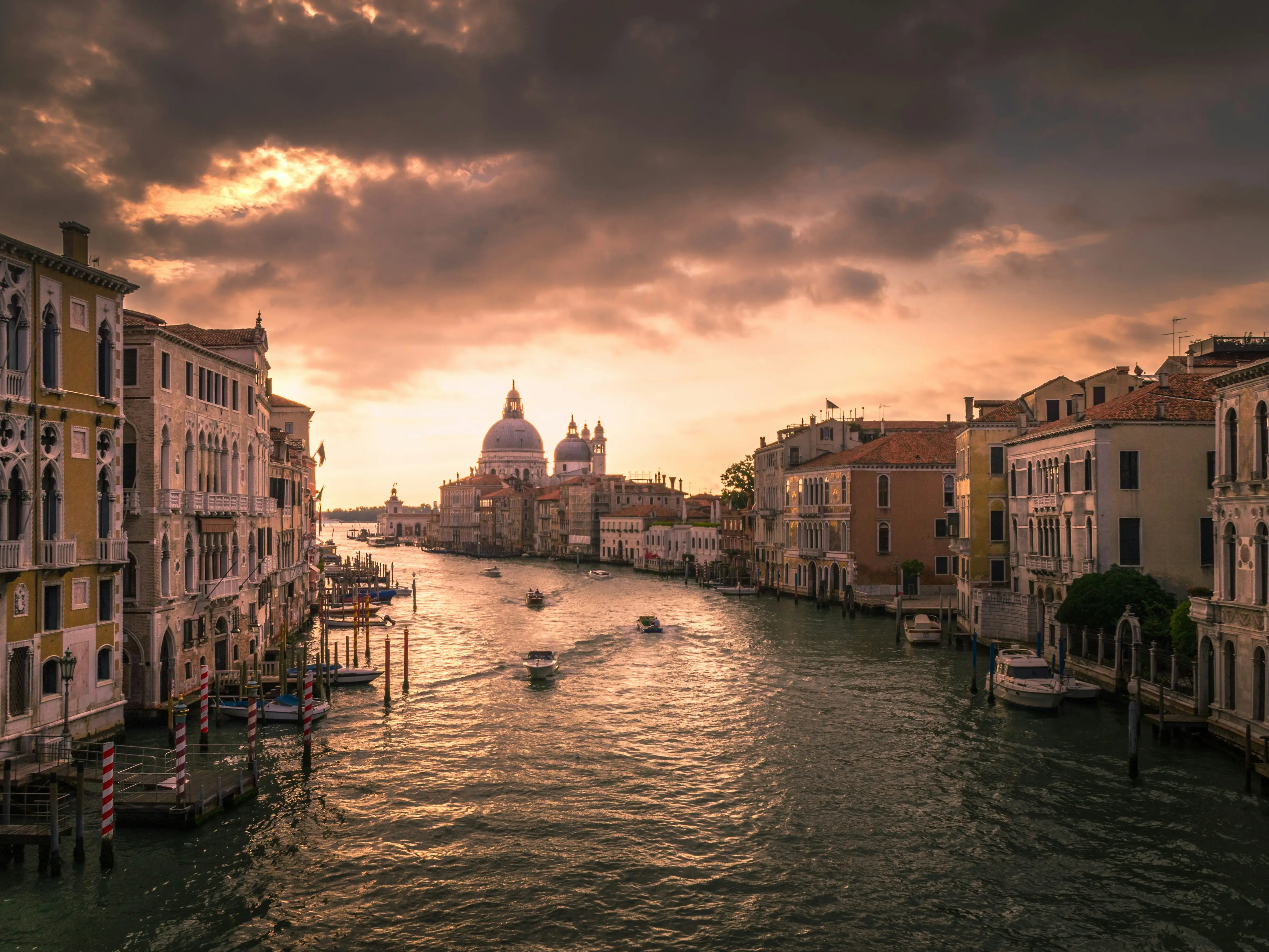
Venice is celebrated globally for its winding canals and historic architecture. However, this iconic Italian destination is facing a severe environmental crisis. The town is gradually sinking into the Adriatic Sea. According to reports from the European Geosciences Union, the ground level is dropping by roughly one to two millimetres every year. Here is a factual look at why this famous water-bound settlement is slowly going underwater and the engineering techniques being used to save it.
The shifting tectonic plates and wooden foundations
The primary cause of the sinking, known scientifically as subsidence, is natural. Venice is built on 116 muddy islands, supported by millions of petrified wooden piles driven into the clay. However, the town sits on the Adriatic tectonic plate, which is slowly shifting and subducting beneath the Apennine Mountains. This geological movement pulls the entire lagoon floor downwards. According to a report by the Scripps Institution of Oceanography, this natural tectonic settling causes the ground to sink continuously, making the wooden foundations increasingly vulnerable.

Historical groundwater extraction
Human industrial activity significantly accelerated the sinking process during the 20th century. In the 1950s and 1960s, local factories pumped massive amounts of fresh groundwater from the deep artesian aquifers beneath the lagoon. This extreme water extraction caused the soft clay and sediment foundations to dry out, compact, and permanently collapse. Although the Italian government officially banned industrial groundwater pumping in the 1970s, the structural damage was already done. The town sank by an estimated 15 centimetres during this short period alone.
Rising sea levels and the Rs 630 billion MOSE project
Trending Stories
)
Mushtaq Khan dies at 56: When Welcome actor opened up about his salary for iconic role Ballu
)
US Supreme Court backs Trump administration's use of SAVE database to check voter citizenship
)
Heart of the Beast review: Brad Pitt leads a gripping tale of survival and loyalty
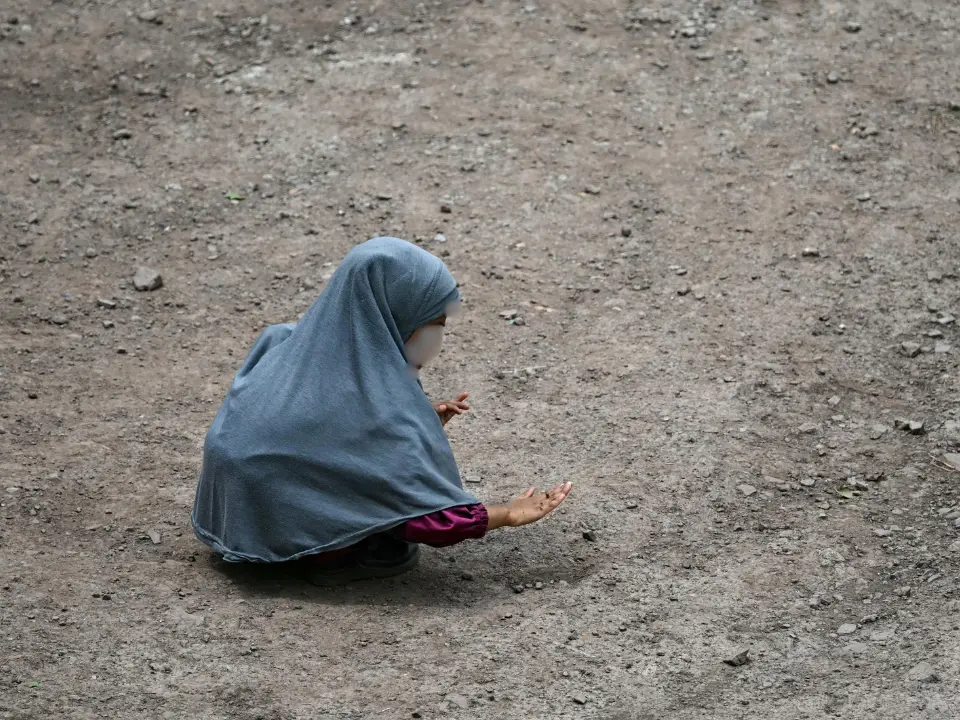)
Outrage erupts after 3-year-old is married to 60-year-old man in Pakistan, link to her sister's murder being probed
)
Pakistan deploys over 20,000 security personnel as PTI vows march for Imran Khan's release
)
Asian Games: Shooting spree continues as India win silver in women’s 50m rifle 3P team event
)
‘Not just a local tragedy’: Nepal PM Shah warns UN of growing climate threat, says Nepal floods were 'a warning to the world'
)
OpenAI AI Agents hacked 4 websites before Hugging Face, researchers reveal
)
Pentagon quietly adds 37 wounded troops to Iran war tally without explaining when or how
)
Asian Games 2026: India women’s kabaddi team edge Iran 37-34 to clinch 3rd gold medal
)
Saudi Arabia still harbours intent to develop nuclear weapons, reveals US intelligence: Report
&im=FitAndFill=(700,400))
New Friday OTT releases (September 25, 2026): Don’t Be Shy, Hunkkaar: The Roar, Mango Pachcha- 6 movies and TV shows on Netflix, Prime Video and more
)
Yemen's war escalates: Saudi-backed leader calls for general mobilisation against the Houthis
)
‘Attack on Mecca a red line for Pakistan’: Shehbaz Sharif warns Houthis at UN
)
Tesla is preparing something big for Optimus: new Gen 3 models surface in app
)
Bias or safety concerns? Bengaluru CEO says firm will not hire men from UP, Bihar, Rajasthan, MP. Here's why
)
Did Hitler kill his niece Geli Raubal? Newly found records reopen a 95-year-old mystery
)
Indian diplomat Petal Gahlot raises deteriorating situation in Pakistan-occupied Kashmir in right of reply at UN
)
Nigeria Navy moves to boost oil security, tackle crude theft and infrastructure threats
)
Scientists detect first radio signals directly from faraway planet
)
‘It is all possible’: Putin weighs next steps on Ukraine talks, rules out Europe conflict
)
10,000 gather in support of 87-year-old forcefully evicted from home of 71 years
)
Trump rejects Iran's 7-day ceasefire proposal as US weighs renewed bombing after midterms: Report
)
Red Sea crisis: Houthis promise not to target European ships; UNSC condemns Saudi attacks
)
Gaza's war turned environmental damage into second crisis
)
Saudi oil exports surge despite Iran war
)
Trump-Xi summit wrap: Big pageantry, Iran talks, few major developments and more meetings planned
)
'Making history': Xi Jinping praises Trump as US-China leaders dine at White House
)
India's UN Envoy slams Pakistan: 'They claim security by day, terrorism by night'
)
Jay-Z rape case: Accuser says allegations were false, never met rapper
)
Myanmar training camp case: US national, 6 Ukrainians allowed to meet their families abroad
)
'FIRST LOOK from inside Noah’s Ark': Researchers share video from inside mysterious mound in Turkey
)
Cindy Crawford’s son Presley Gerber cremated as death probe continues
)
WATCH | As Shehbaz Sharif claims Pakistan’s ‘victory’ during 2025 conflict, Indian diplomat R Srinivas laughs at UN
)
‘Goal is to win it’: Virat Kohli confirms 2027 ODI World Cup will be his final tournament for India
)
'A terrorist country is asking me that question?': Jaishankar hits back at Pakistani journalist at UN; flags attacks on commercial shipping
)
US court backs Pentagon's decision to exclude Anthropic over Claude AI restrictions
While the ground continues to sink, the Adriatic Sea is simultaneously rising due to global climate change. This dangerous combination leads to severe tidal flooding events locally known as 'Acqua Alta'. To combat this dual threat, Italy developed the MOSE project. This advanced engineering system features 78 mobile gates lying on the seabed at the three main lagoon inlets. During dangerously high tides, compressed air raises these gates to block the sea water. According to official Italian government data, the massive flood defence project cost approximately 7 billion euros (roughly Rs 630 billion) to complete.
While the MOSE barriers currently protect Venice from extreme flooding, the geological sinking remains an ongoing challenge. Travellers visiting the region should strictly follow local environmental guidelines and consider travelling during the off-season to reduce the immense physical strain on the fragile town infrastructure.
