Beach or mountains: which holiday is right for you?

&imwidth=600&imheight=450&format=webp&quality=medium "Beach or mountains: which holiday is right for you?")
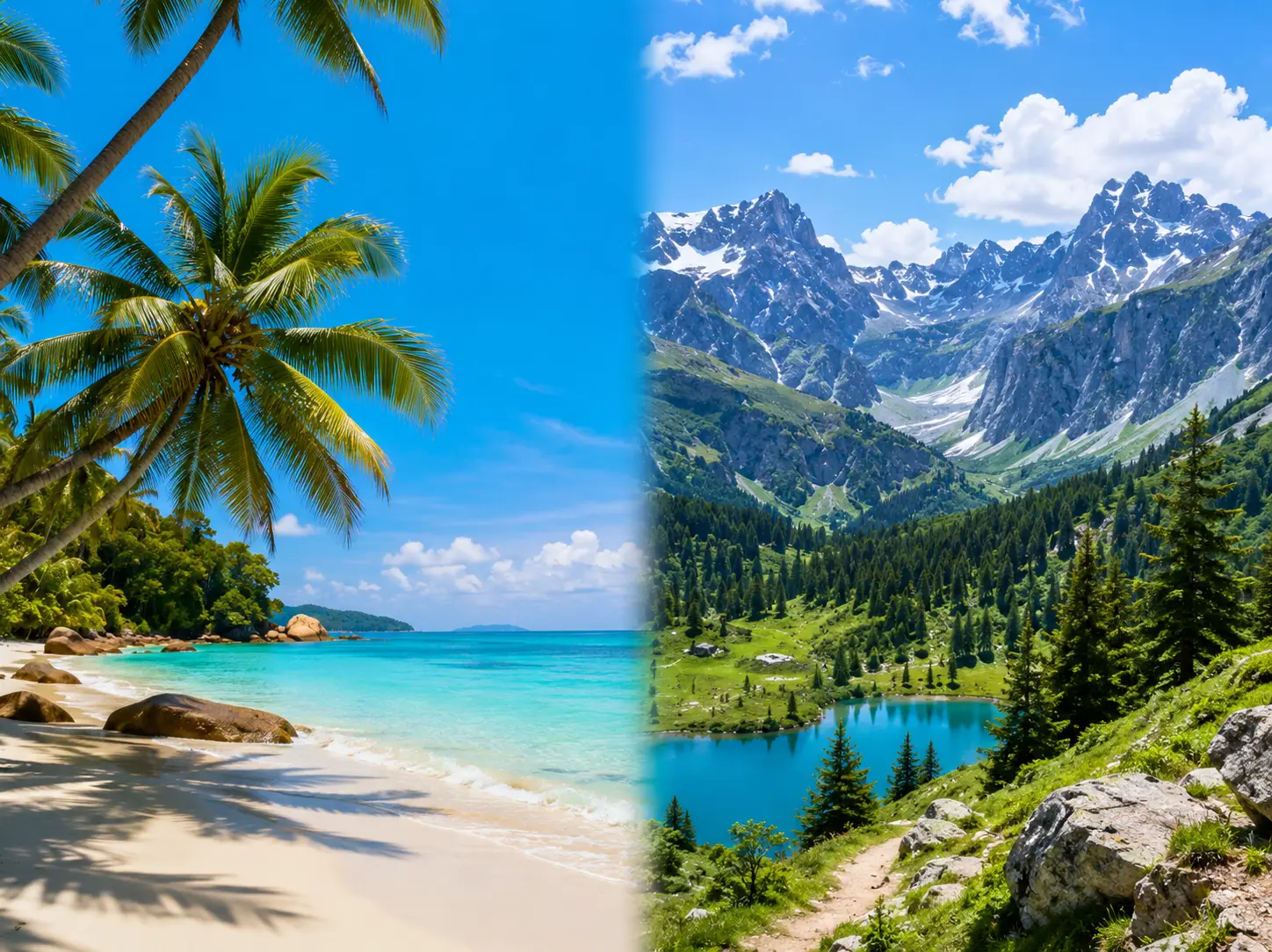
Beach or mountains: which holiday is right for you? Photograph: (AI generated)
Choosing between summer and winter travel depends on budget and regional climate. Summer offers optimal weather for traditional holidays, while the lean winter season provides substantial financial savings and fewer crowds. Careful research ensures the season aligns with your destination.
Choosing between a coastal retreat and an alpine getaway requires evaluating both your budget and your travel goals. While beaches offer traditional relaxation, mountain regions provide adventure and a completely different financial structure. Understanding the differences in accommodation pricing, accessibility, and health benefits can help you make an informed decision for your next trip.
Analysing accommodation and premium costs
Oceanfront properties consistently command premium nightly rates due to high demand and limited coastal real estate. Travel data indicates that prime beach resorts can easily exceed Rs 15,000 per night during peak seasons. Conversely, mountain destinations, outside of the core winter skiing months, often feature a wider variety of budget-friendly homestays and cabins. Travellers can frequently find highly-rated mountain accommodations averaging between Rs 4,000 and Rs 7,000 per night, making high-altitude trips significantly more cost-effective for longer stays.
Evaluating accessibility and transit expenses
While mountain lodging might be cheaper, geographical isolation can increase your local transit budget. Remote hill stations and alpine villages often lack comprehensive public transport networks, frequently requiring tourists to hire private drivers or rent vehicles. Coastal tourist hubs, by contrast, are typically well-connected by municipal buses, airport shuttles, and local transit passes. When planning a mountain holiday, it is crucial to factor in these higher daily transport costs against the savings made on accommodation.
Distinct health and wellness benefits
Trending Stories
)
)
)
)
)
)
)
)
)
)
)
)
)
)
)
)
)
)
)
)
)
&im=FitAndFill=(700,400))
)
)
)
)
)
)
)
)
&im=FitAndFill=(700,400))
)
)
)
)
)
Both environments offer scientifically backed health advantages. Mountain travel exposes visitors to high-altitude fresh air, and navigating steep terrain serves as rigorous cardiovascular exercise. Studies show that spending time at higher elevations can temporarily boost metabolic rates. Meanwhile, coastal destinations are ideal for stress reduction. The sound of crashing waves naturally lowers cortisol levels, and sensible sun exposure provides essential Vitamin D, though travellers must carefully manage UV risks.