Punjab 95: Diljit Dosanjh to play Jaswant Singh Khalra, who exposed thousands of murders

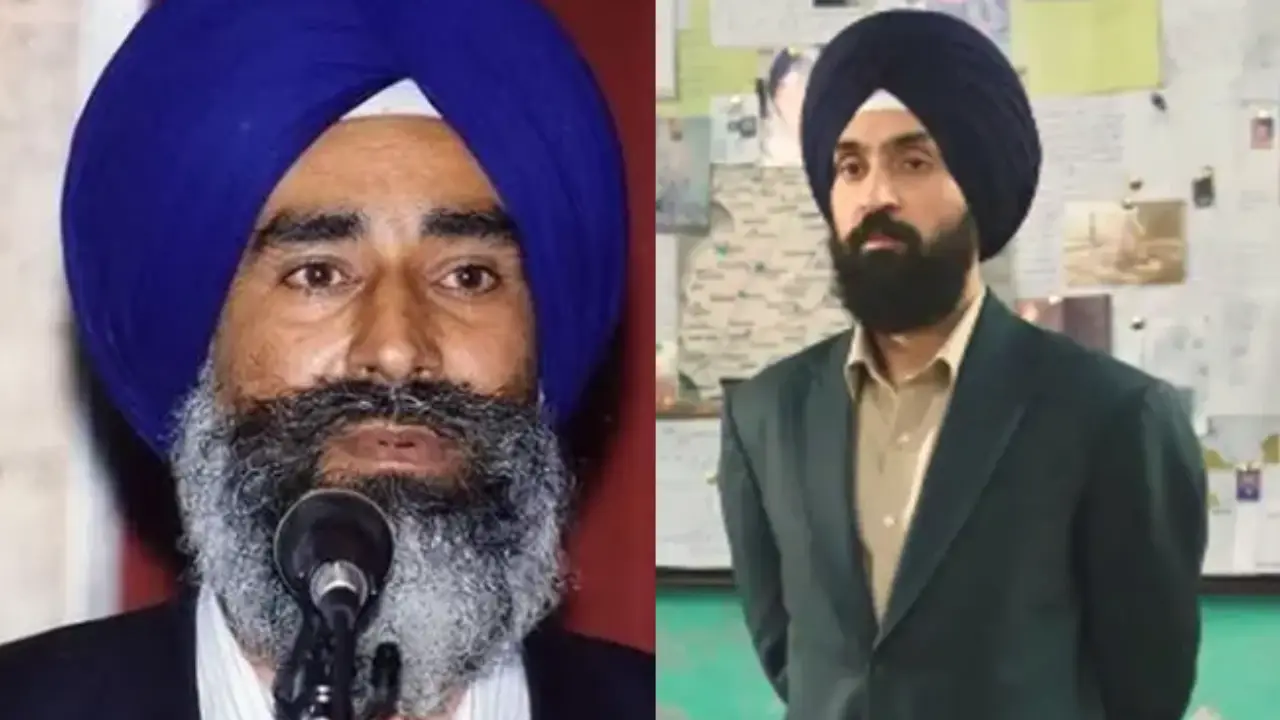
Entertainment | Bollywood: Diljit Dosanjh's Punjab 95 is based on the life of Jaswant Singh Khalra, a human rights activist who got kidnapped and subsequently murdered in 1995.
View this post on Instagram

A lot of chatter is going around the movie's release, with many debating over why it is facing so much delay. Recently, it was reported that CBFC has suggested over 120 cuts in the movie. However, later, many inside sources claimed that the movie got the thumbs up from CBFC and would finally hit the screen in February. However, nothing has been confirmed on the release date yet.
&imwidth=180&imheight=135&format=webp&quality=medium)
'My name has always been Ilhan Omar': Congresswoman hits back at Trump, calls him a 'creep'
&imwidth=180&imheight=135&format=webp&quality=medium)
Gravitas | US attack could trigger WW III: Russian planes in Tehran, Israeli jets, US warships in action
&imwidth=180&imheight=135&format=webp&quality=medium)
Viral video shows cross falling on Colombia priest, no official confirmation | WATCH
&imwidth=180&imheight=135&format=webp&quality=medium)
US Navy, Marine Corps boards defy Trump's transgender military ban, vote to retain troops
&imwidth=180&imheight=135&format=webp&quality=medium)
Will the US attack Iran this weekend? Trump's envoy says, 'absolutely'
&imwidth=180&imheight=135&format=webp&quality=medium)
Fauzi teaser out: Prabhas takes on the British Empire in patriotic avatar | Watch
&imwidth=180&imheight=135&format=webp&quality=medium)
India-China face-off continues near Arunachal’s Taksing, reveals ITBP chief in first official confirmation of tensions
&imwidth=180&imheight=135&format=webp&quality=medium)
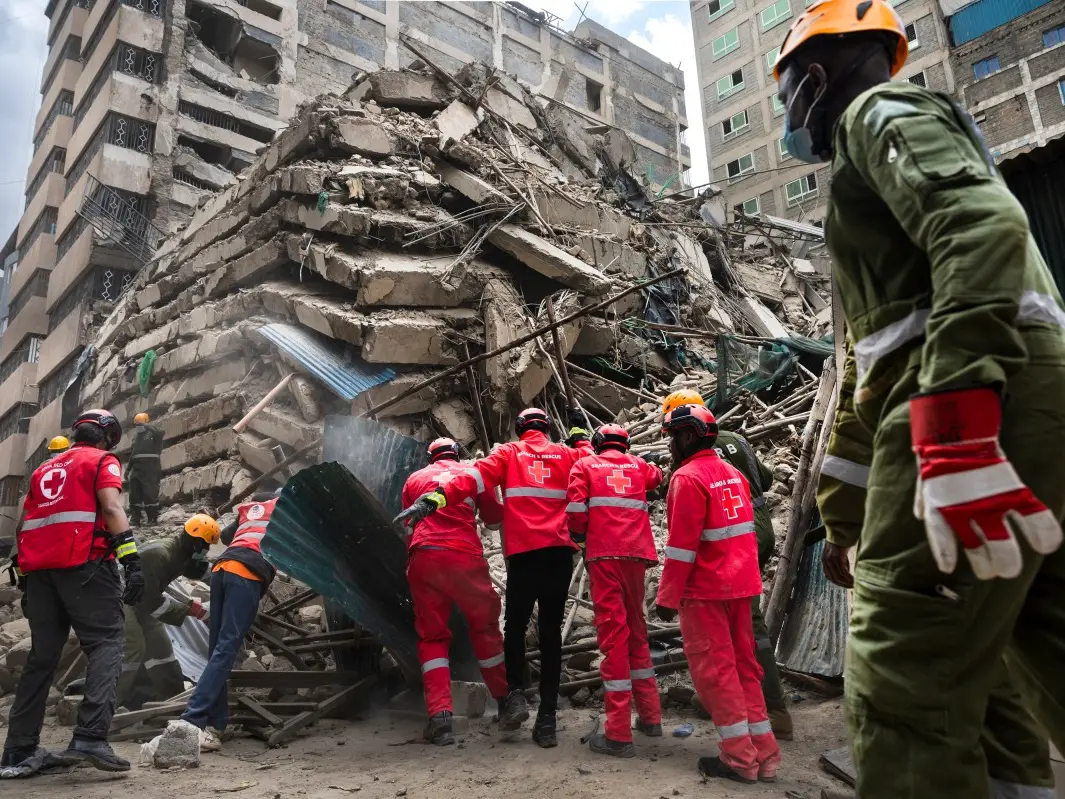
Nairobi building collapse: Several feared trapped after 16-storey structure crumbles; rescue operation underway
&imwidth=180&imheight=135&format=webp&quality=medium)
Pakistan airline PIA unveils new crew uniforms, faces online criticism
&imwidth=180&imheight=135&format=webp&quality=medium)
Did Neha Bora call for Bangladesh-like GenZ protest, 'anarchy' in India? WION Fact-checks viral claim
&imwidth=180&imheight=135&format=webp&quality=medium)
'Already tired of his 9-to-5': Baby born with a moustache becomes internet sensation, video goes viral | Watch
&imwidth=180&imheight=135&format=webp&quality=medium)
Horrific video shows the moment 18-year-old fell to her death from Mexico amusement park ride
&imwidth=180&imheight=135&format=webp&quality=medium)
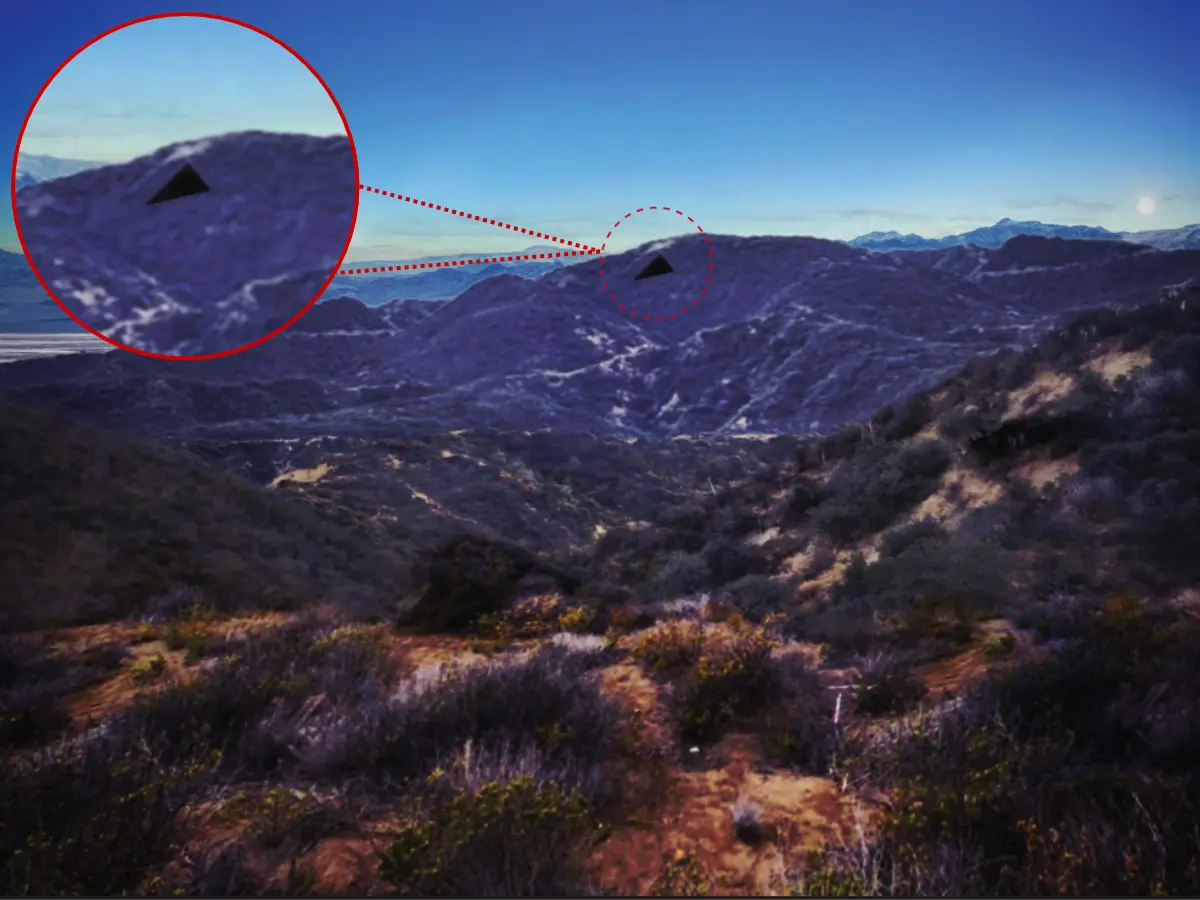
'Black triangle' UFO flying at 1,800mph spotted over sensitive US site: Latest Trump admin UFO file dump
&imwidth=180&imheight=135&format=webp&quality=medium)
IND-W vs ZIM-W, 1st ODI: Rawal, Charani star in India’s nine-wicket win over Zimbabwe
&imwidth=180&imheight=135&format=webp&quality=medium)
Massive 7.2 magnitude quake off Vanuatu triggers tsunami warning for coasts within 300 km
&imwidth=180&imheight=135&format=webp&quality=medium)
French Open: PV Sindhu storms into final with win over Hina Akechi
&imwidth=180&imheight=135&format=webp&quality=medium)
Google Fitbit Air’s new health guardian feature tracks trends: How it works
&imwidth=180&imheight=135&format=webp&quality=medium)
US midterms 2026: Trump revises Canada tariffs as Susan Collins faces tight re-election race in Maine
&imwidth=180&imheight=135&format=webp&quality=medium)
US midterms 2026: Viral video claims Lindsey Graham paid underage men for sex; clip released weeks before his sister's Senate race
&imwidth=180&imheight=135&format=webp&quality=medium)
IND vs NZ 2nd T20I: Shreyas Iyer on brink of breaking Rohit Sharma’s record
&imwidth=180&imheight=135&format=webp&quality=medium)
AI deepfakes are spreading online: Why is removing them so difficult?
&imwidth=180&imheight=135&format=webp&quality=medium)
China's dancing robot turns violent bodyguard, lifts cars and fights intruders - Watch
&imwidth=180&imheight=135&format=webp&quality=medium)
Global cybersecurity alert: PHP flaws trigger website shutdowns as hack attempts surge into millions
&imwidth=180&imheight=135&format=webp&quality=medium)
'You’re a horrible little reporter, aren’t you?': Trump snaps at NBC reporter questioning his support for Ramaswamy's campaign ad
&imwidth=180&imheight=135&format=webp&quality=medium)
Chemical warehouse explosion in Mexico: Several injured in multiple blasts, 1,000 evacuated in León
&imwidth=180&imheight=135&format=webp&quality=medium)
US charges two former FBI officials with lying to Congress about Hunter Biden probes. 'Politically motivated' Trump grievance or something else?
&im=FitAndFill=(700,400)&imwidth=180&imheight=135&format=webp&quality=medium)
How smart robots and AI assemble vehicles in 20 hours
&im=FitAndFill=(700,400)&imwidth=180&imheight=135&format=webp&quality=medium)
New Friday OTT releases (October 23, 2026): Gajab Raat, Dorothy, Chaar Yaar- Watch these 6 new movies and TV shows on Netflix, Prime Video and more
&imwidth=180&imheight=135&format=webp&quality=medium)
Anthropic security chief issues grim cyberattack warning: ‘It’s going to get a lot worse’
&imwidth=180&imheight=135&format=webp&quality=medium)
Tu Hai Meri Kiran film review: Sonakshi Sinha and Zaheer Iqbal's thriller gets tangled in its own twists
&imwidth=180&imheight=135&format=webp&quality=medium)
First Lady Melania Trump secures ceasefire between Russia, Ukraine in Oleshky: White House
&imwidth=180&imheight=135&format=webp&quality=medium)
Negotiators from Ukraine, Russia, United States to meet in Abu Dhabi: Zelensky
&imwidth=180&imheight=135&format=webp&quality=medium)
Farooq Abdullah says Pakistan’s raising of Kashmir issue keeps pressure on Delhi
&imwidth=180&imheight=135&format=webp&quality=medium)
Emmanuel Macron calls Paris suburb shooting a 'racist terrorist attack' after one killed, several injured
As the audience waits for the release, here we have curated all the details about who was Jaswant Singh Khalra? The person on whom the movie is based.
Who was Jaswant Singh Khalra?
Jaswant Singh Khalra was a human rights activist was kidnapped and subsequently murdered in 1995.
After Operation Blue Star, which led to the assassination of Indira Gandhi, and the 1984 Anti-Sikh Riots, the police were empowered to detain the suspects. Using the given power, the police back then illegally detained and tortured innocents on the pretext of being militants.
Bravely speaking up against the illegal activities and killings, Khalra fought against the human rights abuses in Punjab during the insurgency period, when several armed campaigns took place by the militants of the Khalistan Movement.
Notably, he was known for uncovering the illegal murder and cremation of Sikhs by the Punjab Police.
Working on the atrocities taking place, he investigated four major cases about the cremation of 25,000 unidentified bodies in Punjab, and the murder of around 2,000 police officers who didn't cooperate with the other police officers. Later, the Union government's investigative agency, the CBI, also revealed that police had unlawfully cremated 2,097 people in Tarn Taran district alone.
As an advocate of human rights in Punjab, Khalra travelled across the world and spoke at several international human rights organizations.
Kidnapped and murdered
Tragically, Khalra was kidnapped from his home in the city of Amritsar on September 6, 1995, when he was washing his car in front of his house. It has been said that the Punjab Police abducted, detained, and tortured him for almost two months before they murdered him in Oct 1995. His body was dumped in a canal.
In 1996, the CBI found proof of Khalra being kept at a Tarn Taran police station. In the report, they recommended that nine Punjab police officers be charged with the kidnapping and murder. Ten years after Khalra's death, six Punjab police officials were convicted in 2005. Two defendants, Deputy Superintendent Jaspal Singh and Amarjit Singh, were sentenced to life imprisonment.
Khalra's wife, Paramjit Kaur Khalra, carried forward her husband's work and legacy. He was posthumously awarded the Robert F. Kennedy Human Rights Award in 1997.
(With inputs from agencies)

