Zika virus outbreak in Pune: Long-term health effects in adults and children

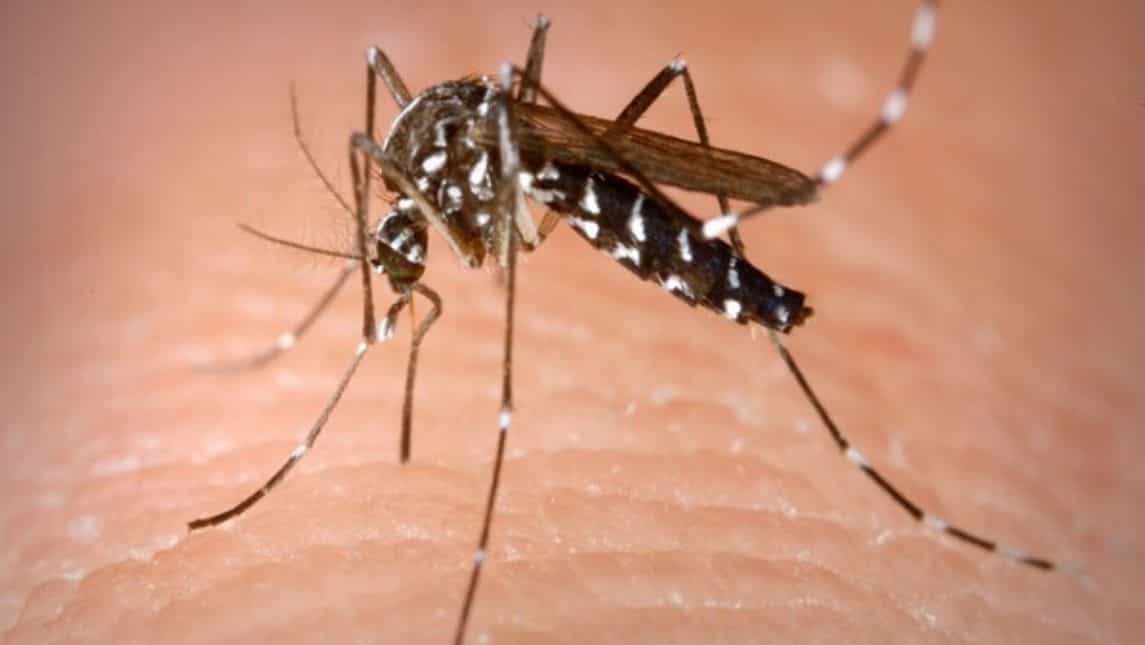
Zika virus
The Zika virus, an arthropod-borne flavivirus transmitted primarily by mosquitoes, gained significant attention during the 2015 epidemic in the United States. While initial concerns centred around acute symptoms and immediate consequences of the infection, it has become evident that the Zika virus poses severe long-term health risks, particularly neurological complications. These complications affect both congenitally exposed infants and adults, leading to a range of persistent and sometimes debilitating conditions.
Neurological impact on congenitally exposed infants
Infants exposed to the Zika virus in utero face a spectrum of neuropathological conditions, with microcephaly being the most severe outcome. Microcephaly, characterized by an abnormally small head and brain size, is often accompanied by significant developmental challenges. These infants frequently experience recurrent seizures and severely compromised neuropsychomotor development. This impairment affects their ability to achieve key developmental milestones, such as crawling, walking, and speaking, which in turn hampers their overall growth and quality of life.

Additionally, other neurological manifestations in Zika-exposed infants include widespread brain calcification, cerebral atrophy, and hypoplasia of the brain stem and cerebral regions. Ventriculomegaly, or the enlargement of brain ventricles, is also commonly observed. These structural abnormalities in the brain contribute to a range of functional deficits. Even infants who appear healthy at birth can develop severe neurological complications later in life, highlighting the insidious nature of Zika virus exposure.
As these children grow older, they may exhibit personal, social anddevelopmental delays, difficulty swallowing, and various motor dysfunctions. Compromised mobility, muscular hypertonia (increased muscle tone), dystonic movements (involuntary muscle contractions), and impaired fine motor skills are some of the common challenges they face. These issues significantly impact their daily activities, requiring ongoing medical and therapeutic interventions to manage symptoms and improve their quality of life.
Long-term health effects in adults
)
Xi Jinping's new AI bloc: China launches 'World AI Body' with Pakistan and Russia in, India out
&im=FitAndFill=(700,400))
FIFA World Cup 2026: 5 football stars who went viral on social media during the tournament
&im=FitAndFill=(700,400))
Why the S-400 uses solid rocket fuel instead of liquid fuel
)
Karoline Leavitt to be US Vice President when Usha Vance gives birth? JD Vance says...
)
Japan is selling a refrigerator to cool the human body for Rs 9 lakh. It is already a hit in Tokyo
)
Sonam Wangchuk's connection with George Soros and Ford Foundation explained!
)
FACT CHECK: Was Abhijit Dipke detained during CJP's Parliament march? Here's what police say
)
'There is no need for...': PM Modi takes a veiled dig at Rahul Gandhi, sends big message amid Parliament March
)
'Could be bombed at any moment': What Iran's Araghchi told Trump envoy Witkoff during negotiations
)
Salman Khan breaks silence on health concerns after viral Mumbai appearance
)
'George Soros playbook': Understanding the foreign funding network around Sonam Wangchuk
)
Indus treaty can no longer function in its current form, says India; plans 5,500 mw of new J&K hydro projects
&im=FitAndFill=(700,400))
New OTT releases this week (July 20-26, 2026): Musafir Cafe, Adarsh Baal Vidyalaya, 72 Hours- 5 new titles coming on Netflix, Prime Video and more
)
Maha CM Wife Amruta Fadnavis' Yoga Day appearance sparks social media debate over attire | Watch
&im=FitAndFill=(700,400))
2026 FIFA World Cup awards: Full list of Golden Boot, Golden Ball, Golden Glove and every major winner
)
JD and Usha Vance welcome fourth child: Who serves as acting US vice president during Vance's paternity leave?
)
Heavy sanctions loom over Argentine players after ugly brawl following final whistle in World Cup final
)
Older than Himalayas: 85mn-year-old Kewra plant reached India 24mn years ago, fossil discovery in Assam shows
&im=FitAndFill=(700,400))
FIFA World Cup 2026 awards race: Who are Golden Boot, Golden Ball and Golden Glove contenders ahead of the final
&im=FitAndFill=(700,400))
Global air power ranking 2026: India surpasses China
&im=FitAndFill=(700,400))
Why US fighter jets use seamless bubble canopies compared to Russian jets
&im=FitAndFill=(700,400))
Why the F-22’s cockpit glass is thicker than a standard fighter jet
)
Student union leaders call off hunger strike at Jantar Mantar after civil society appeal, but protest continues
)
Tulsi Gabbard's brother Batarti accused of luring children to hotel room in Hawaii
)
'Chalo Sansad' march today: Section 163 in force, Delhi Police remove barricades; unfazed Dharmendra Pradhan meets NEET topper
)
US strikes Iran, sirens heard in Kuwait, one American soldier killed in Iraq: What's happening in West Asia
)
Imran Khan's sister links India-Pakistan 2025 conflict to Israel recognition plans
&im=FitAndFill=(700,400))
Why the F-22’s tail fins are canted to minimize its radar footprint
)
Argentina's racism problem: How football chants reflect a deeper historical legacy
)
'What is wrong...': Anna Hazare breaks silence on Sonam Wangchuk's protest, makes an appeal to Centre
While the focus has often been on the impact of Zika virus on infants, adults infected with the virus are not spared from severe neurological complications. Zika infection in adults can result in a range of conditions, including encephalitis, encephalomyelitis, acute myelitis, chronic inflammatory demyelinating polyneuropathy, and Guillain-Barré syndrome (GBS).
GBS, in particular, is a serious autoimmune disease affecting the peripheral nervous system, leading to muscle weakness and, in severe cases, paralysis. The connection between Zika virus and GBS has been a significant concern, as the autoimmune response triggered by the virus can have long-lasting effects on the nervous system.
Encephalitis and encephalomyelitis, both involving inflammation of the brain and spinal cord, respectively, can lead to severe neurological impairments. Symptoms may include headaches, confusion, seizures, and motor deficits, which can persist long after the initial infection has resolved. Acute myelitis, characterized by inflammation of the spinal cord, can cause sudden weakness and sensory disturbances, further complicating the patient's recovery.
Chronic pain and other complications
In addition to neurological disorders, some Zika-infected individuals develop chronic pain, which can be debilitating and significantly impact their quality of life. Chronic pain may manifest as persistent headaches, joint pain, and muscle aches, which require long-term management strategies. The underlying mechanisms of chronic pain in Zika-infected patients are not yet fully understood, but the inflammatory response triggered by the virus is believed to play a crucial role.
Episodes of septic shock, although rare, have also been reported in Zika-infected patients. Septic shock is a life-threatening condition characterized by a severe drop in blood pressure, leading to organ failure. While not a common complication, its occurrence underscores the potential severity of Zika virus infection and its ability to affect multiple organ systems.
Mortality and long-term consequences
The long-term consequences of Zika virus infection can be severe and, in some cases, fatal. The neurological syndromes associated with the virus, such as GBS and encephalitis, carry significant risks of long-term disability and mortality. The impact on the mature nervous system is particularly concerning, as it highlights the virus's ability to cause lasting damage beyond the initial infection phase.
In summary, the Zika virus poses significant long-term health risks to both infants and adults. Congenitally exposed infants face a range of developmental challenges and neurological impairments, while adults are at risk of severe neurological conditions and chronic pain. The potential for lasting damage underscores the importance of continued research, surveillance, and prevention efforts to mitigate the long-term impact of Zika virus infection. Public health initiatives aimed at controlling mosquito populations, along with ongoing support for affected individuals, are crucial in addressing the long-term health effects of this formidable virus.
(With inputs fromDr Manisha Arora, Director - Internal Medicine at the CK Birla Hospital Delhi, and Dr R Lakshmipriya, Senior Consultant Microbiologist and Molecular Biologist at the Metropolis Healthcare Limited)